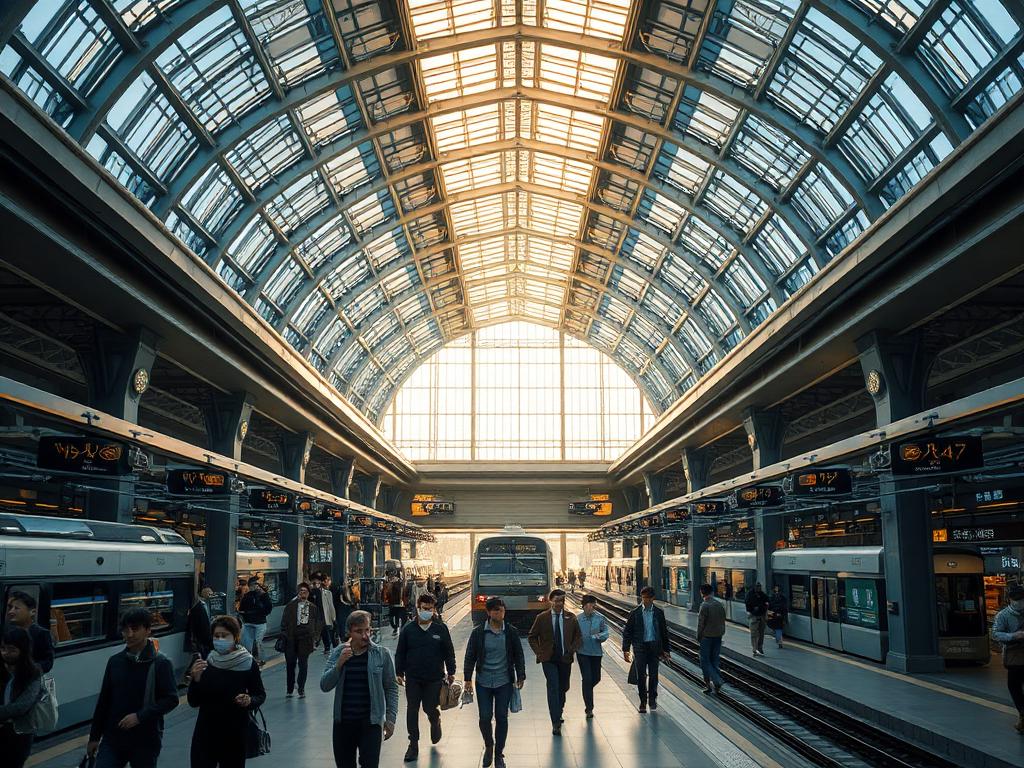
Shinagawa Station concourse品川駅
One of Tokyo's great commuter spectacles: a vast covered walkway where thousands of people cross between the shinkansen, Yamanote and Keikyū platforms every morning.
Tokyo neighborhood
Shinagawa is Tokyo's practical southern transport hub: shinkansen, the Yamanote loop and a very quick Haneda route all leave from one station, with a cluster of business hotels directly across the road. It is practical rather than picturesque — best for short trips, day trips out of Tokyo and early flights.
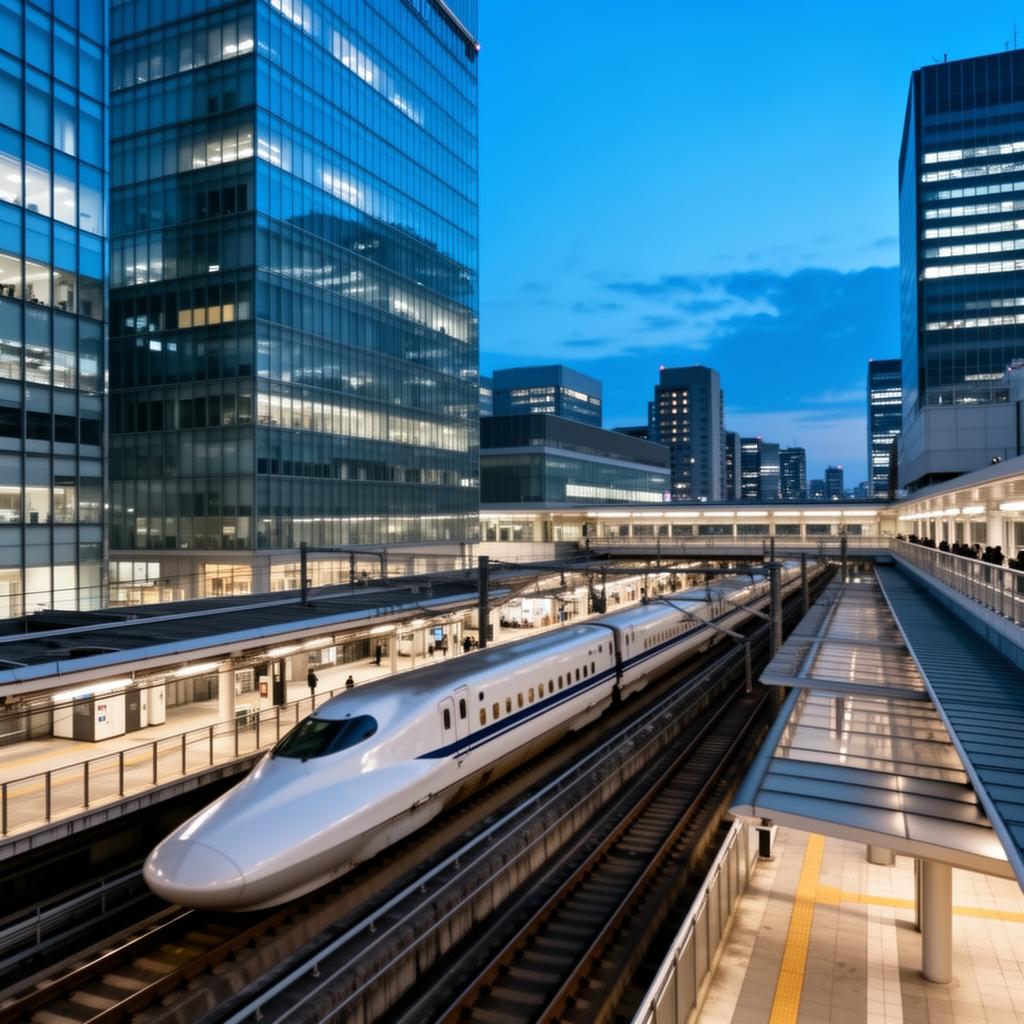
One of the easiest airport bases in central Tokyo: Haneda is roughly 15 minutes by Keikyū from the same station, and Narita is a single Narita Express ride away.
Tōkaidō shinkansen stop plus the Yamanote, Keihin-Tōhoku, Tōkaidō, Yokosuka and Keikyū lines — Kyoto, Hakone, Kamakura and Yokohama are all direct.
Huge, reliable hotel supply right at the exits — international chains and Japanese business hotels with consistent rooms and easy luggage handling.
Better value per star than Ginza, Shinjuku or Roppongi, especially at weekends when the corporate travellers go home.
Everything is inside the station complex: food halls, konbini, coffee, pharmacies and a covered walkway to the hotel cluster on the west side.
Quiet historical pockets nearby — Sengaku-ji, the old Tōkaidō post-town street and the Tennōzu canals — that many visitors miss.
Best for
Business travellers, early flights, shinkansen day trips and repeat visitors who value transport over atmosphere
Budget
$$–$$$ · dominated by business and upper-mid chain hotels, some luxury towers
Atmosphere
Efficient and corporate: busy commuter mornings, calm evenings, very little street life after 22:00
Airport access
Haneda: ~15 min by Keikyū line · Narita: ~65 min by Narita Express direct from Shinagawa
Transport
Tōkaidō shinkansen · Yamanote · Keihin-Tōhoku · Yokosuka · Keikyū lines
Signature
Shinagawa Station concourse, Sengaku-ji, Aqua Park, Tennōzu Isle canals
Shinagawa's hotel cluster sits on the Takanawa side of the station: large international chains, dependable Japanese business hotels and a few upscale towers, most within a five-minute covered walk of the platforms.
One of Tokyo's great commuter spectacles: a vast covered walkway where thousands of people cross between the shinkansen, Yamanote and Keikyū platforms every morning.
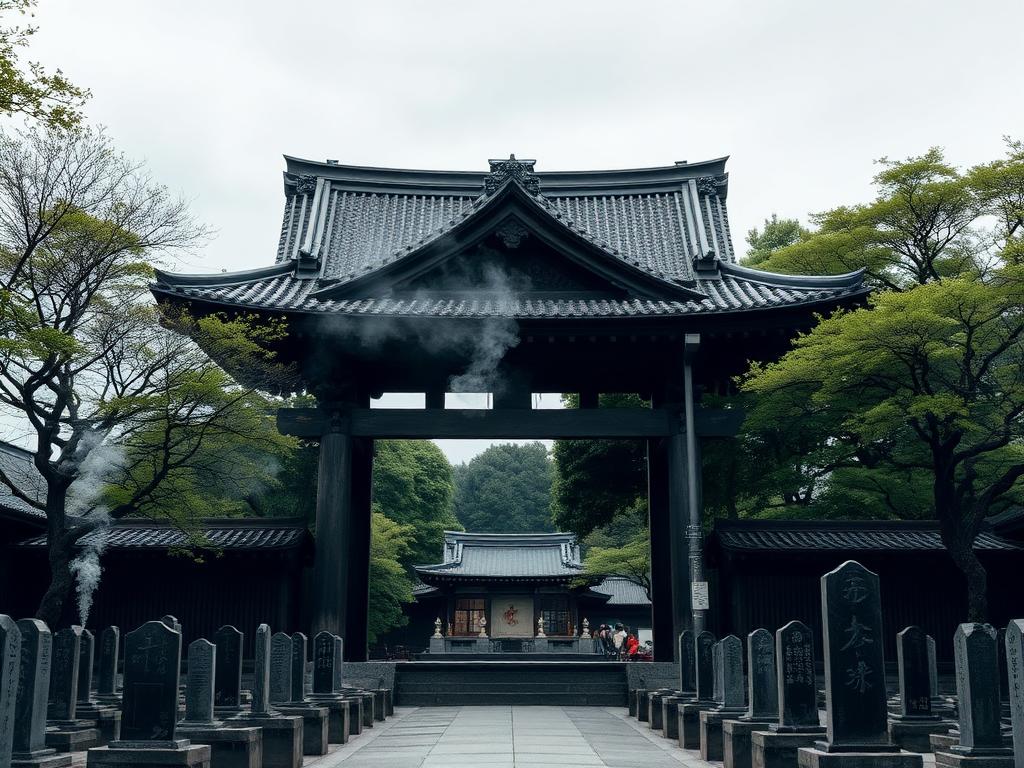
The resting place of the 47 rōnin, one stop away on the Asakusa line. A quiet, incense-scented temple with a small museum telling Japan's most famous revenge story.
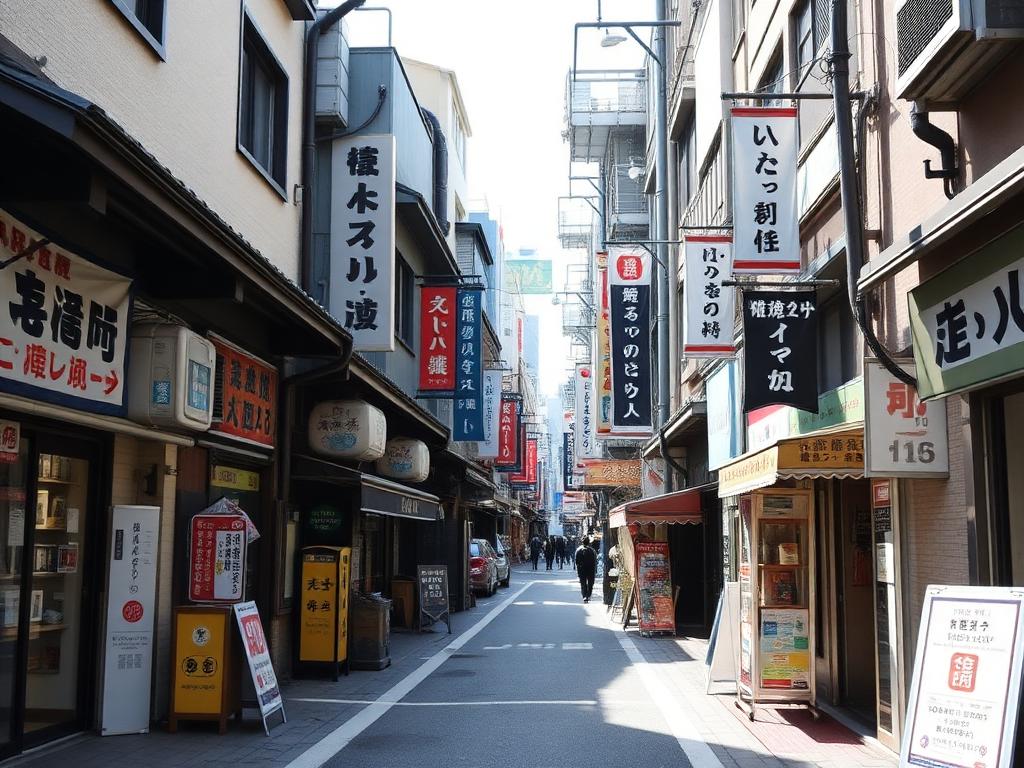
The first post town on the road to Kyoto, now a low-rise shopping street of family shops, sweet makers and shrines running south from Kita-Shinagawa.
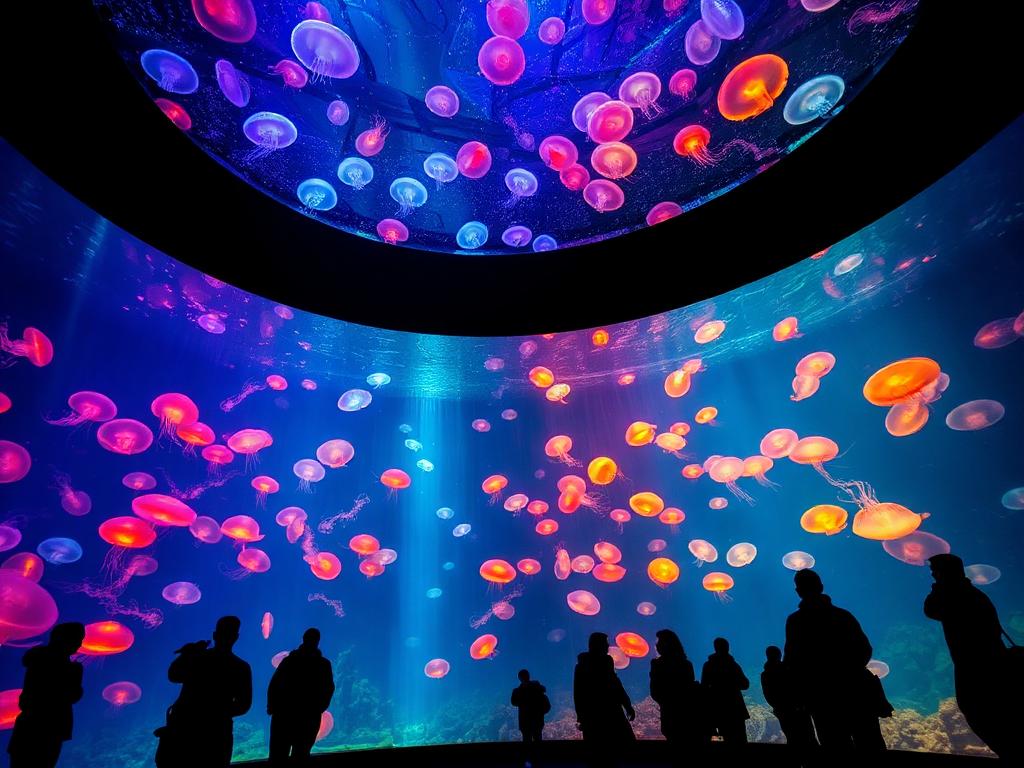
A modern aquarium beside the station with projection-mapped jellyfish tanks and a dolphin arena — the easiest rainy-day option with children.
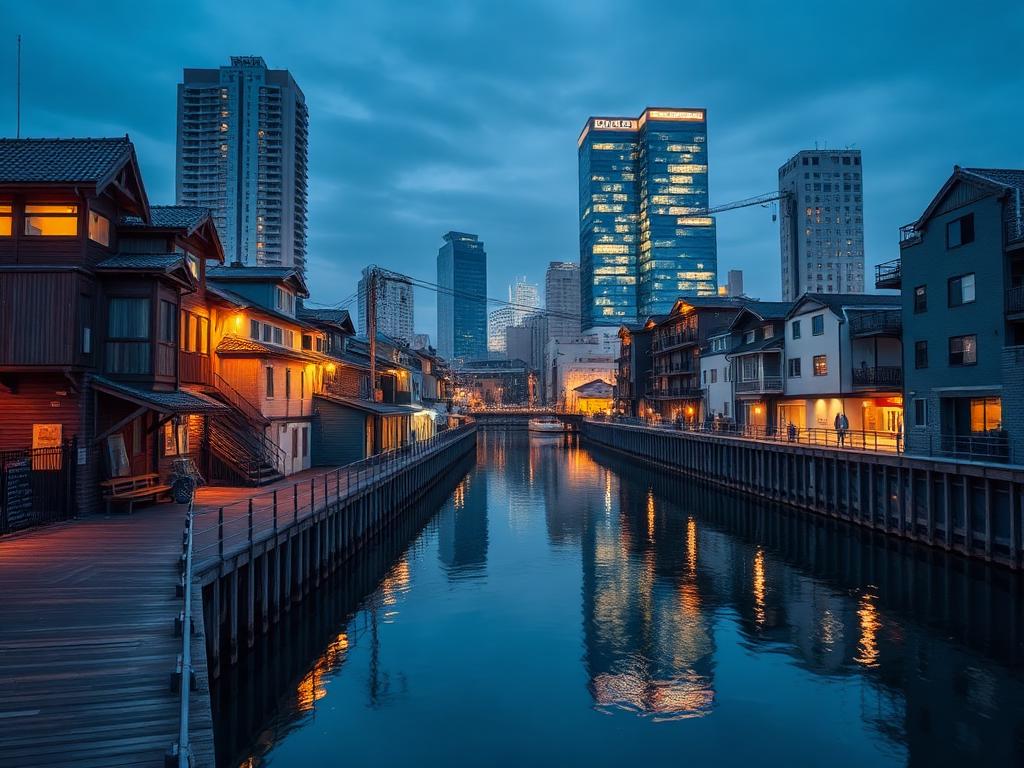
Converted warehouses, galleries and canal-side boardwalk cafés two stops away on the Rinkai line — Shinagawa's most atmospheric evening walk.
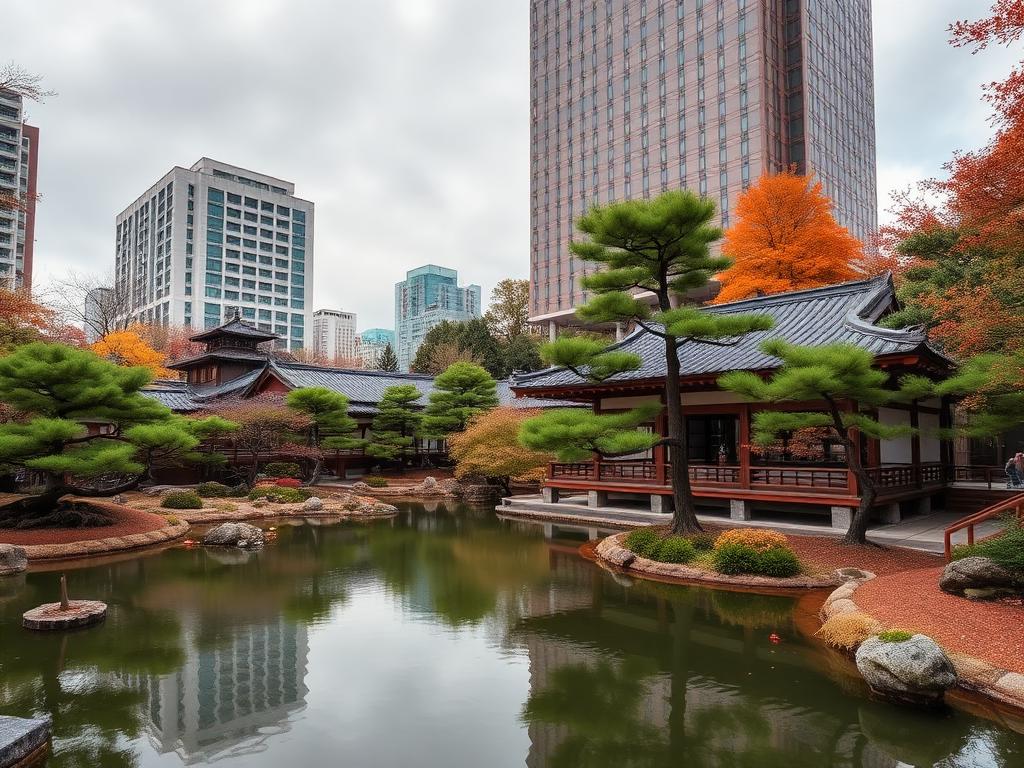
A traditional pond garden with pines and a tea house tucked behind the hotels on the western hill, once a famous cherry-blossom viewing spot in Edo times.
Shinagawa is one of Japan's best-connected stations: the Tōkaidō shinkansen, four JR lines and the Keikyū airport line all meet here, so both airports and many central Tokyo areas are direct rides.
| Haneda Airport | Keikyū line direct | ~15 min |
| Tokyo Station | JR Tōkaidō / Keihin-Tōhoku line | ~8 min |
| Ginza | Yamanote to Yūrakuchō | ~12 min |
| Shibuya | Yamanote line | ~12 min |
| Shinjuku | Yamanote line | ~19 min |
| Asakusa | Asakusa line from Sengakuji | ~25 min |
| Yokohama | JR Tōkaidō line direct | ~18 min |
| Narita Airport | Narita Express direct | ~65 min |
Just north around Tokyo Tower and the waterfront: similar business-hotel supply but more parks, sights and walkable evenings than Shinagawa.
Two Yamanote stops away, with far better restaurants and neighbourhood atmosphere — the trade-off is slower airport access and pricier rooms.
Eight minutes north by JR. Also a shinkansen base, but with shopping and dining on the doorstep at noticeably higher room rates.
It is excellent if transport matters most: shinkansen departures, the Yamanote loop and a 15-minute run to Haneda all start at your door, with a big supply of reliable hotels. It is a weaker choice if you want atmosphere, sightseeing or nightlife within walking distance.
It works, but it isn't ideal. First-timers usually prefer Shinjuku, Ginza or Asakusa, where the sights and street life are outside the hotel. Choose Shinagawa on a short trip, a business trip, or when you're taking the shinkansen onward to Kyoto or Hakone.
About 15 minutes on the Keikyū line, direct and inexpensive, with trains running from early morning until roughly midnight. It is one of the quickest airport connections from any central Tokyo neighbourhood.
Yes — Shinagawa is a full Tōkaidō shinkansen stop, so trains to Kyoto, Osaka, Nagoya and Odawara (for Hakone) leave directly from the station, usually a few minutes after Tokyo Station.
It's mid-range: typically ¥12,000–¥35,000 a night for a good business or chain hotel, clearly cheaper than Ginza or Roppongi for comparable quality. Rates soften at weekends when business demand drops.
Tokyo Station for sightseeing, shopping and more shinkansen departures; Shinagawa for faster Haneda access, quieter evenings and lower prices. Both put you on the Yamanote line, so the difference is atmosphere and budget rather than convenience.