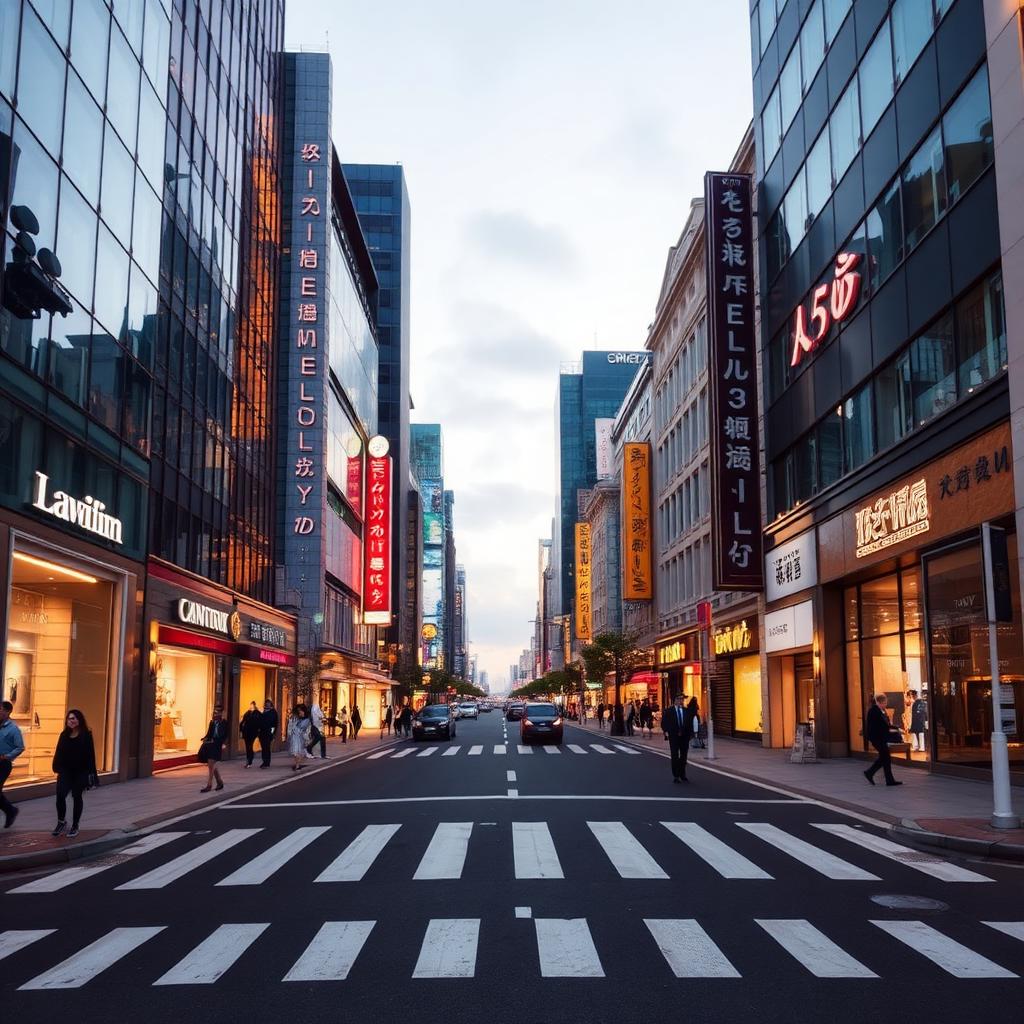
Chuo-dori中央通り
Ginza's main avenue — flagship boutiques from Uniqlo and Muji to Chanel, Dior and Hermès. Closed to cars on weekend afternoons for a wide pedestrian promenade.
Tokyo neighborhood
Tokyo's most refined address — flagship luxury boutiques on Chuo-dori, Michelin-heavy dining, the Imperial Palace and Tsukiji nearby, and every Shinkansen line departing from Tokyo Station a few minutes away.
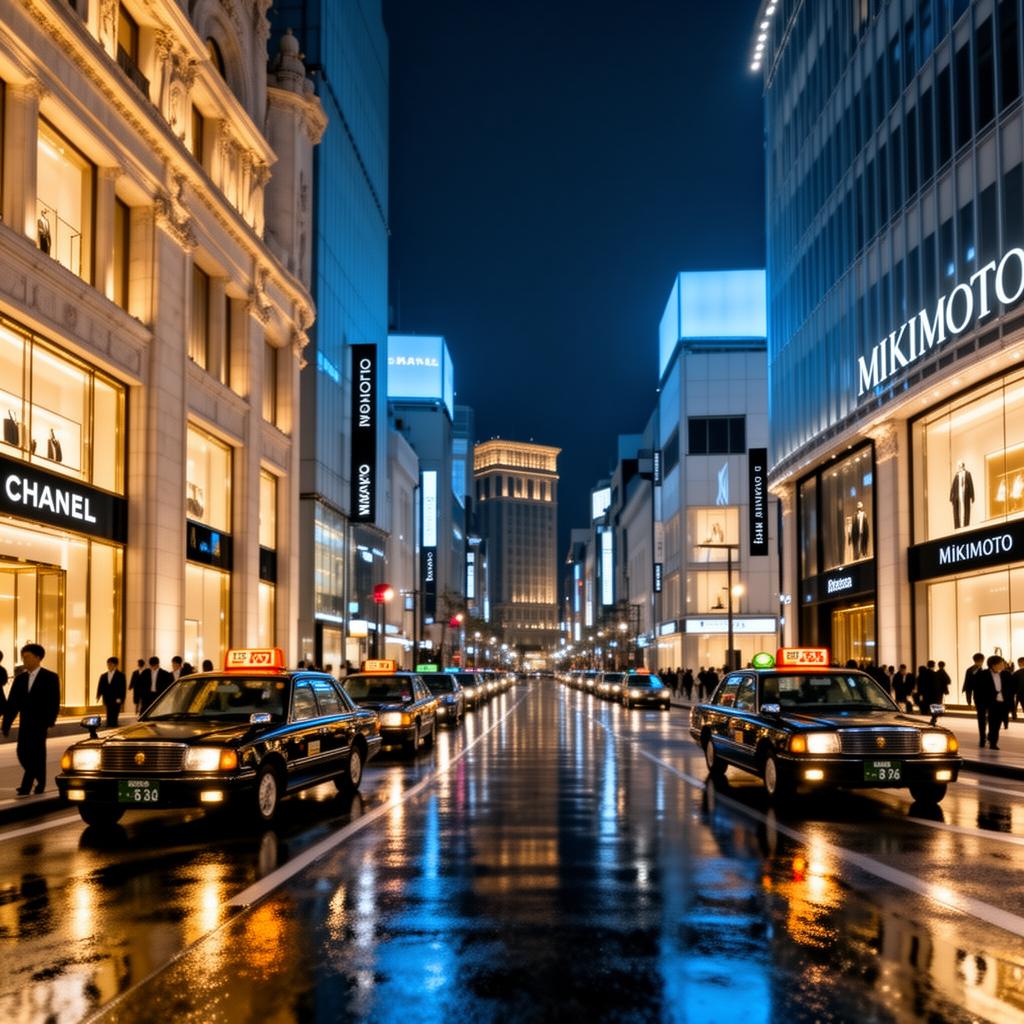
Tokyo's most polished neighborhood — flagship boutiques, art galleries and Michelin-starred restaurants on every block.
Tokyo Station is Japan's Shinkansen hub — one-seat rides to Kyoto, Osaka, Hakone, Nikko and Tohoku.
Fast to both airports: Narita Express and Haneda Airport Limousine both stop directly at Tokyo Station.
Walk to the Imperial Palace, Tsukiji Outer Market, Hibiya Park, Nihonbashi and the historic Marunouchi district.
Widest range of true 5-star and legacy luxury hotels in Tokyo: Peninsula, Mandarin Oriental, Palace, Four Seasons, Aman.
Central, grown-up and calm after dark — a refined base for couples, business travellers and repeat visitors.
Best for
Luxury travellers, couples, business trips, Shinkansen day-trips, repeat visitors
Budget
$$$–$$$$$ · mostly upscale and luxury; limited true budget options
Atmosphere
Refined, polished, grown-up — quiet after 10pm compared to Shinjuku or Shibuya
Airport access
Narita Express direct to Tokyo Station · Airport Limousine to Haneda & Narita
Transport
JR Yamanote, Chuo, Keihin-Tohoku · Marunouchi, Ginza, Hibiya, Yurakucho, Chiyoda · all Shinkansen lines
Signature
Chuo-dori, Ginza Six, Kabuki-za, Imperial Palace, Tokyo Station, Tsukiji Outer Market
A curated selection of hotels in Ginza and around Tokyo Station — from legacy 5-star icons like the Peninsula, Mandarin Oriental and Palace Hotel to boutique stays on Chuo-dori and business hotels near the Marunouchi exit.
Ginza's main avenue — flagship boutiques from Uniqlo and Muji to Chanel, Dior and Hermès. Closed to cars on weekend afternoons for a wide pedestrian promenade.
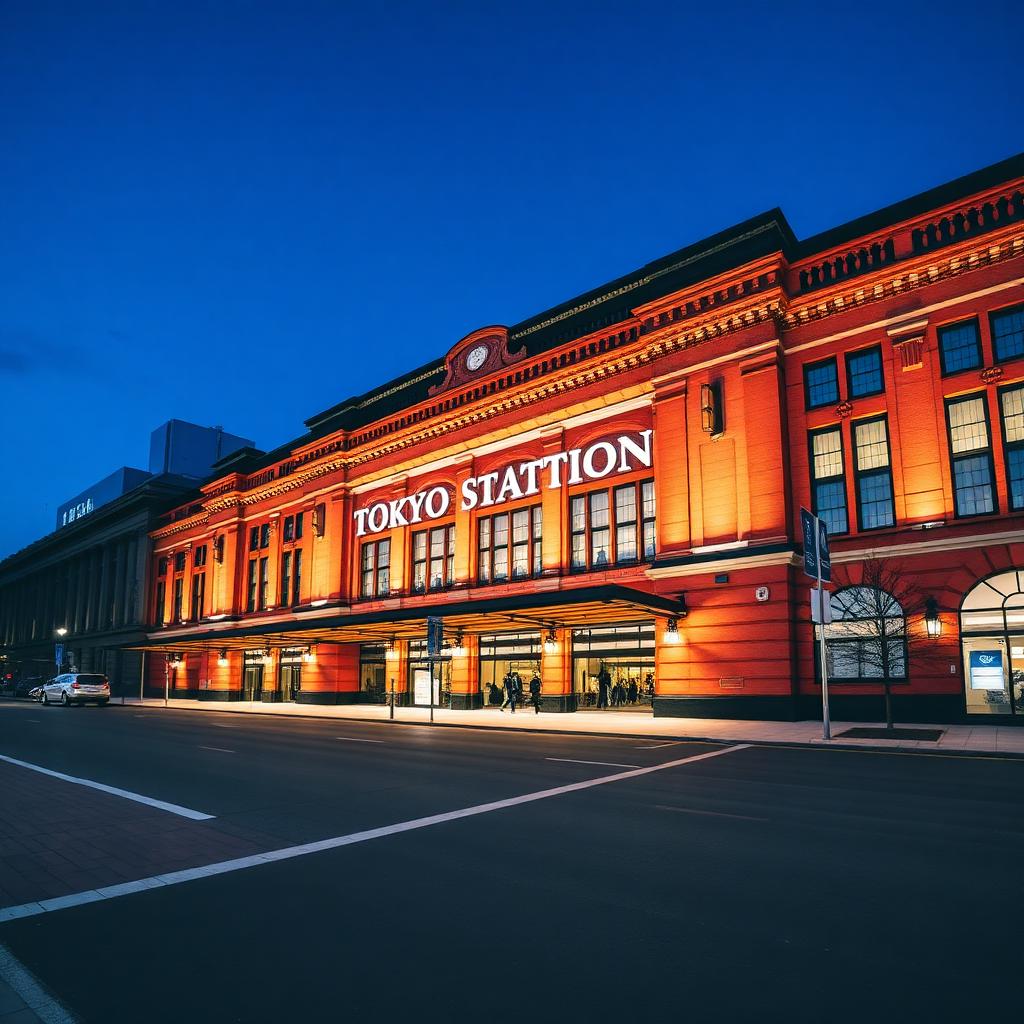
Japan's most iconic railway building — the restored 1914 red-brick Marunouchi facade, floodlit at night, and the departure point for every Shinkansen line.
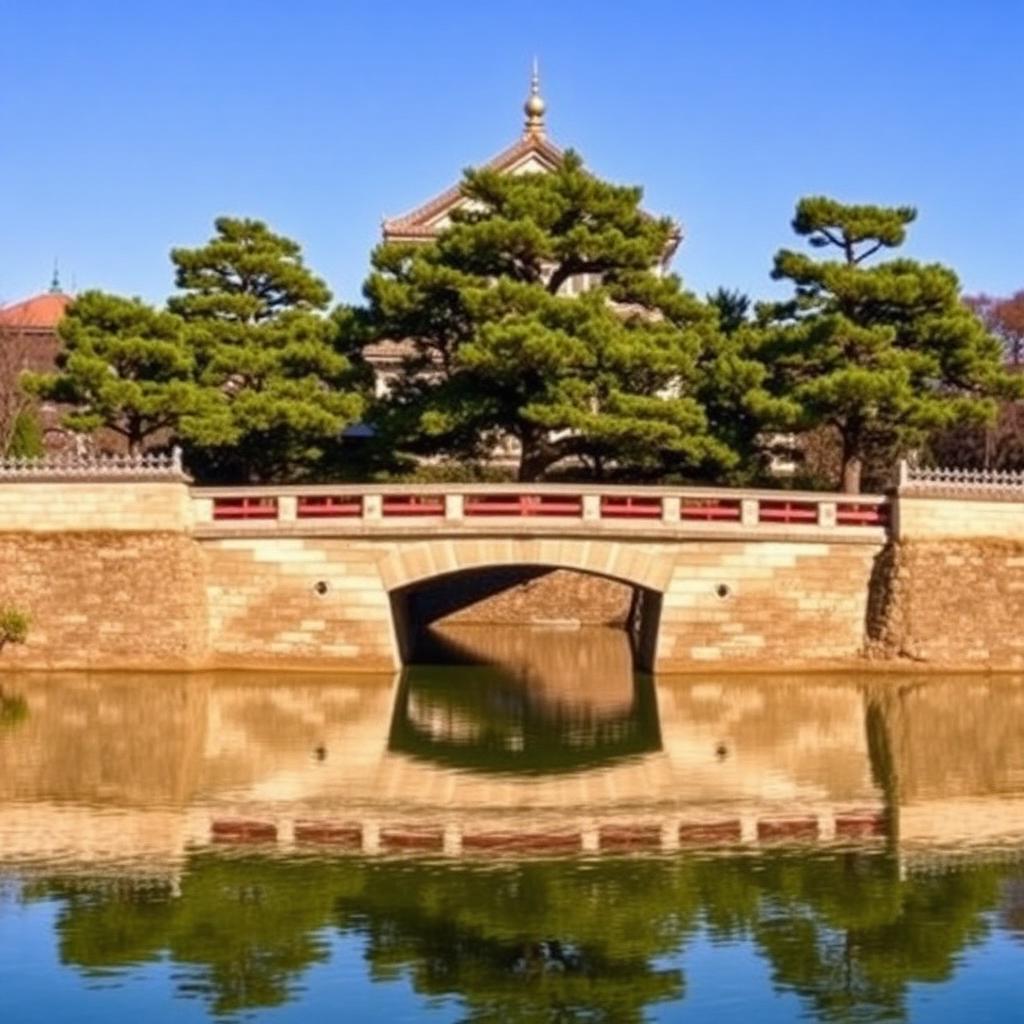
The Emperor of Japan's residence, ringed by moats, stone walls and pine trees. The East Gardens are free to enter and a 5-minute walk from Tokyo Station.
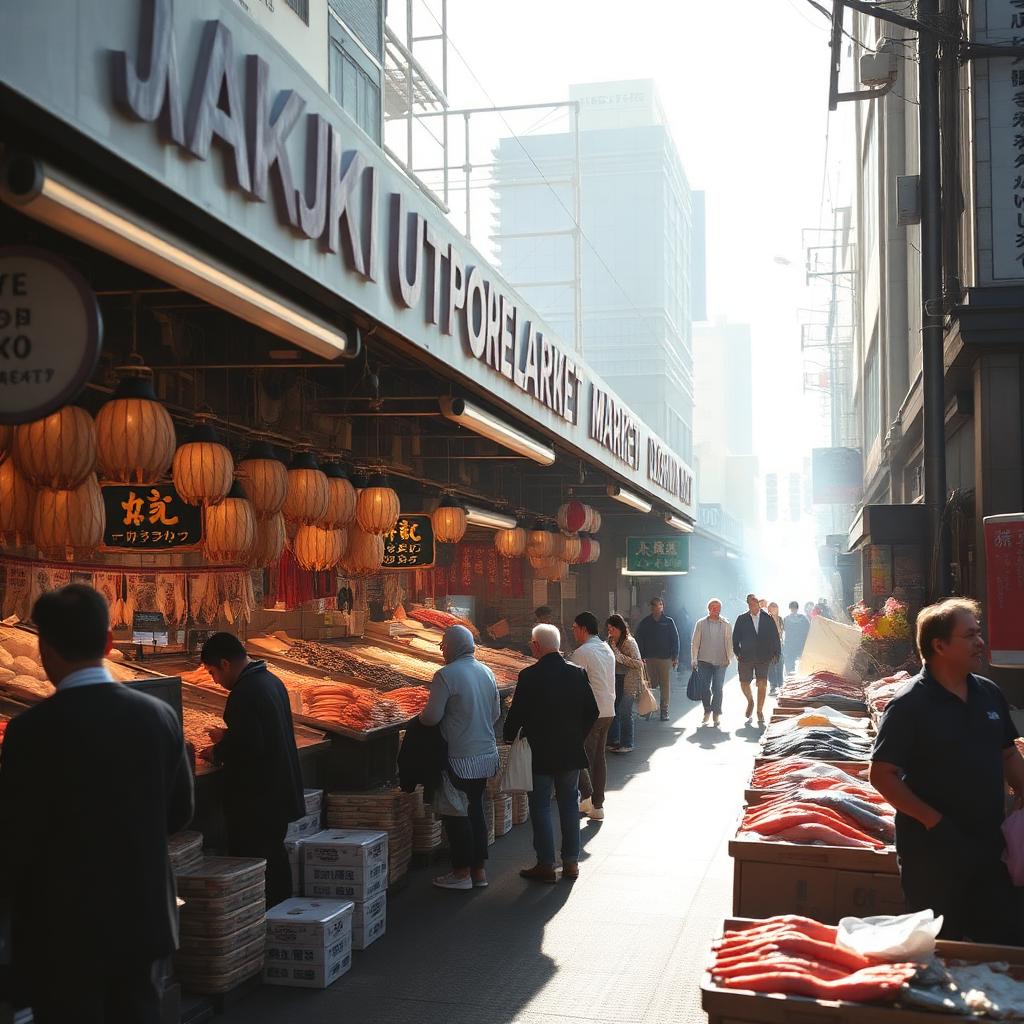
The historic wholesale market's outer streets — still One of Tokyo's best morning stops for fresh sushi, tamagoyaki, uni and Japanese knives, a short walk from Ginza.
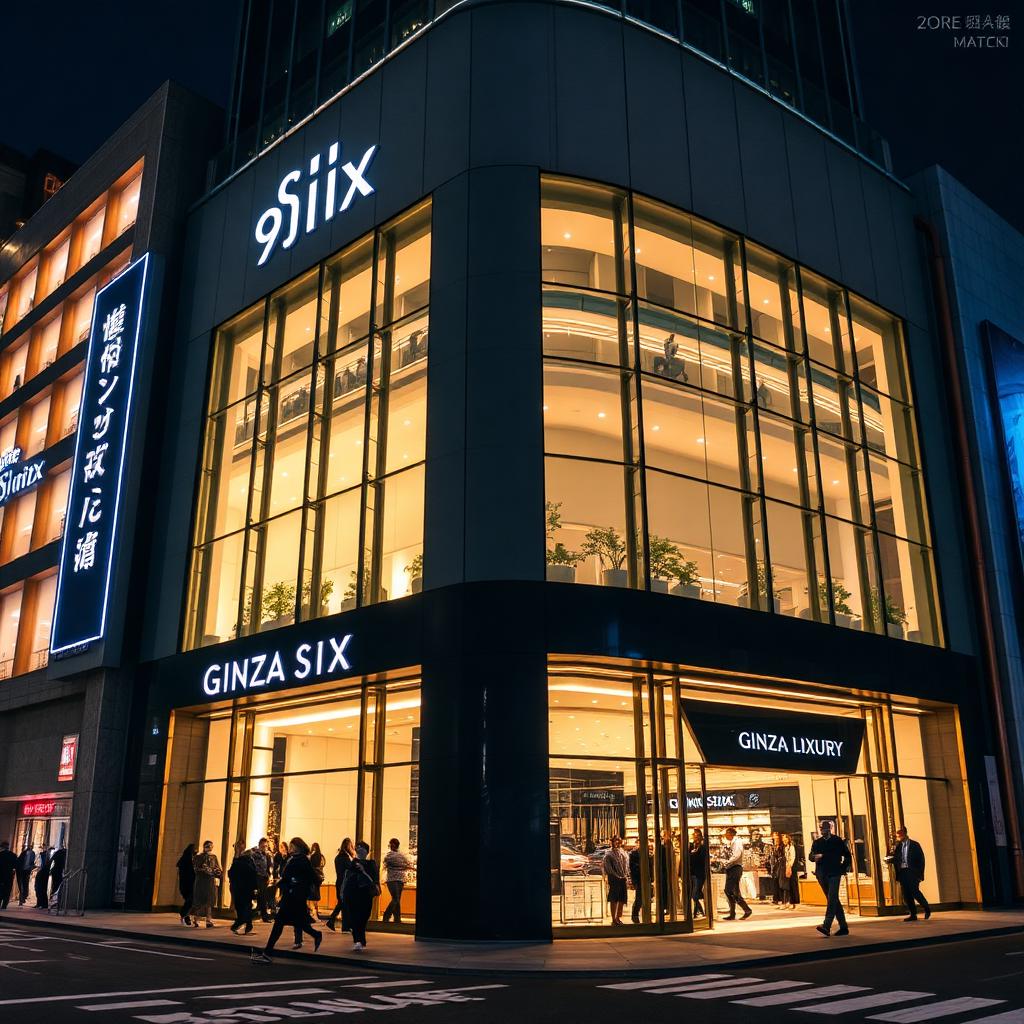
Ginza's flagship luxury mall — 240+ brands over 13 floors, a rooftop garden and a rotating art installation in the central atrium.
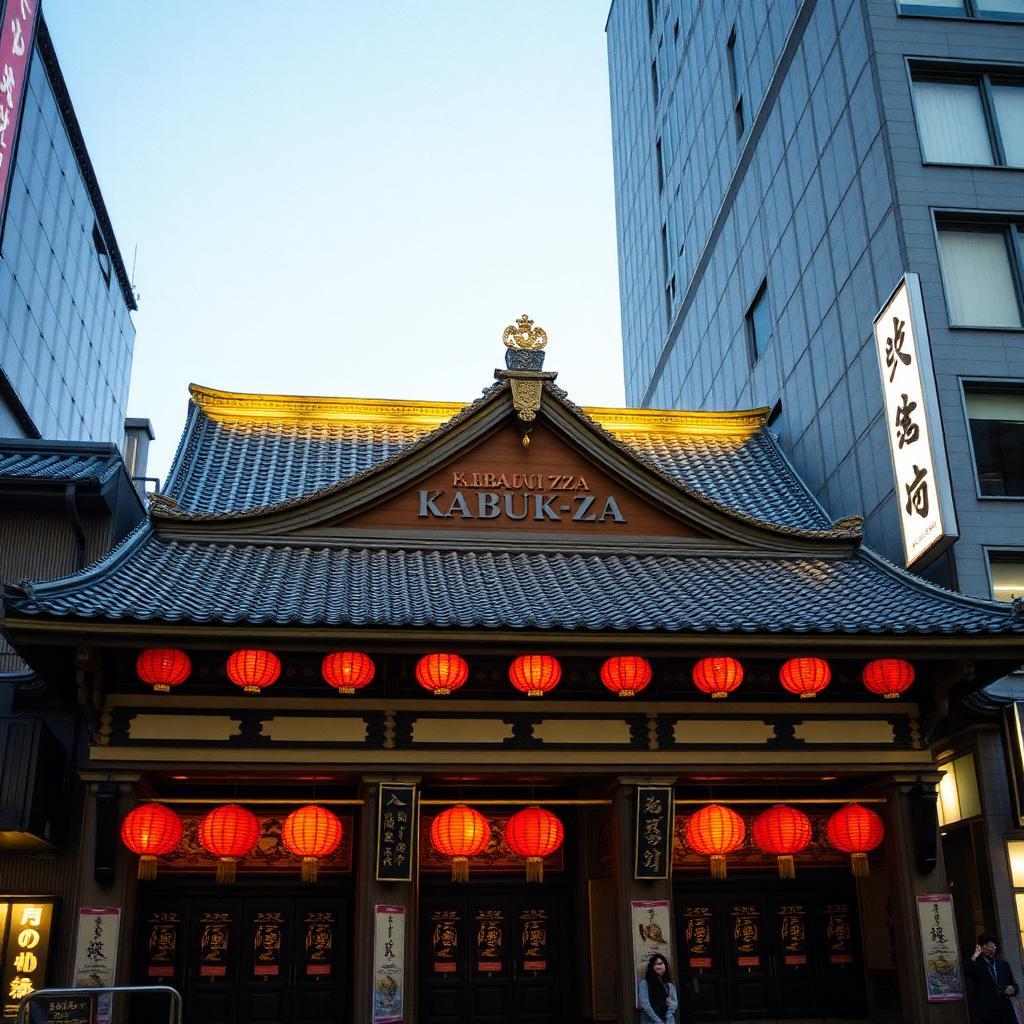
Tokyo's principal kabuki theatre — traditional tiled roof and red lanterns above a modern tower. Single-act tickets are sold on the day for short introductions.
Tokyo Station is the most connected point in Japan — every Shinkansen line, plus the Narita Express and Airport Limousine, leaves from here. It's the natural base if you plan Shinkansen day-trips (Kyoto, Hakone, Nikko) or want the fastest option to either airport.
| Narita Airport | Narita Express (N'EX) direct from Tokyo Station | ~55 min |
| Haneda Airport | Airport Limousine Bus · or Keikyu via Shinagawa | ~35–45 min |
| Kyoto (Shinkansen) | Tokaido Shinkansen Nozomi direct | ~2h 15m |
| Shinjuku | JR Chuo Line Rapid direct | ~14 min |
| Shibuya | Ginza Line direct | ~17 min |
| Asakusa | Ginza Line direct | ~18 min |
Bigger transport hub with 24/7 dining and stronger nightlife — the all-rounder alternative to Ginza's refined luxury.
The old merchant district just north of Tokyo Station — quieter, more local and slightly better value with the same central access.
Younger, fashion-driven and louder — 15 minutes west on the Ginza Line for a more modern, street-level Tokyo base.
Yes — especially for luxury travellers, couples, business trips and anyone planning Shinkansen day-trips. Ginza and Tokyo Station give you the widest range of true 5-star hotels, the best Shinkansen access in Japan and fast links to both airports. The main trade-offs are price and a quieter nightlife than Shinjuku or Shibuya.
Shinjuku is the all-rounder: more hotels at every price point, 24/7 dining and stronger nightlife. Ginza is more refined and adult, with better luxury hotels, better Shinkansen access and a calmer atmosphere after dark. See our Ginza vs Shinjuku guide for a full breakdown.
It's a great choice if your priority is luxury, refined dining or day-trips by Shinkansen. For a pure first-time base with more variety and lower prices, Shinjuku or Ueno usually win — but Ginza / Tokyo Station is the safest pick if you want central location and easy transport with a more grown-up feel.
From Narita, the Narita Express runs direct to Tokyo Station in about 55 minutes. From Haneda, the Airport Limousine Bus is the easiest door-to-hotel option (about 45 minutes); alternatively take the Keikyu Line to Shinagawa and change to the JR Yamanote Line.
Marunouchi (west side of Tokyo Station) puts you closest to the Shinkansen and the Imperial Palace and is best for business trips. Ginza (east/south) is best for luxury shopping and dining. Nihonbashi is slightly quieter and often better value with the same central transport.
Yes — it's one of Tokyo's most expensive districts. Expect luxury hotel rates and premium dining, though chains like Muji, Uniqlo and standing sushi bars keep some options affordable. For lower prices, base in Ueno, Asakusa or Ikebukuro and day-trip into Ginza.
Ginza has the highest concentration of flagship luxury boutiques in Japan — Chanel, Dior, Hermès, Louis Vuitton and every major Japanese label. Ginza Six, Mitsukoshi and Matsuya cover department-store shopping; Chuo-dori becomes a pedestrian zone on weekend afternoons.
Yes — most Ginza shops and department stores close by 8–9pm and the area becomes noticeably calm. There's plenty of high-end dining and hotel bars, but for late-night bars and clubs you'll want Shinjuku, Shibuya or Roppongi.
Keep exploring
Editorial guides where Ginza and Tokyo Station are recommended — pick the angle that matches your trip.
The main hub guide — compare Shinjuku, Ueno, Shibuya, Ginza, Minato and Ningyōchō for a first Tokyo trip.
Read guideShibuya, Ebisu/Nakameguro, Ginza, Asakusa and Shinjuku — One of Tokyo's best neighbourhoods for couples, romance and luxury stays.
Read guideGinza, Shinjuku, Asakusa, Ueno and Ebisu/Nakameguro — Tokyo's strongest neighbourhoods for sushi, izakaya, Michelin dining and cafés.
Read guideGinza, Shibuya, Shinjuku, Ikebukuro and Asakusa — where to base yourself for luxury, fashion, anime or craft shopping.
Read guideNingyōchō, Ueno, Kanda, Ginza and Minato — compared for safety, solo dining, hotel types and transport.
Read guideRefined luxury or all-rounder energy? Compare Ginza and Shinjuku for hotels, shopping and transport.
Read guideNeon energy or refined elegance? Compare Shibuya and Ginza for hotels, prices, food, shopping and nightlife.
Read guide