Quick overview: five solo-friendly neighbourhoods
Ningyōchō is the best overall choice — quiet, walkable, genuinely safe, full of small counter restaurants, and on two subway lines with a direct run to Haneda. Ueno is the budget pick: the cheapest reliable hotels of the five, the Yamanote Line at the door and the Keisei Skyliner to Narita. Kanda is local, working Tokyo — a business district that empties in the evening, with small izakaya, cheap set lunches and superb rail access. Ginza is the premium option: comfortable hotels, very safe streets, excellent solo dining from sushi counters to depachika, at clearly higher prices. Minato — meaning Hamamatsuchō, Shiba and Daimon rather than Roppongi — is the modern, practical base with straightforward business hotels and the one of the fastest routes to Haneda in central Tokyo.
See also: best areas for first-time visitors, best areas to stay on a budget, best areas to stay for shopping and best areas to stay for food lovers.
The five best areas to stay in Tokyo for solo travellers
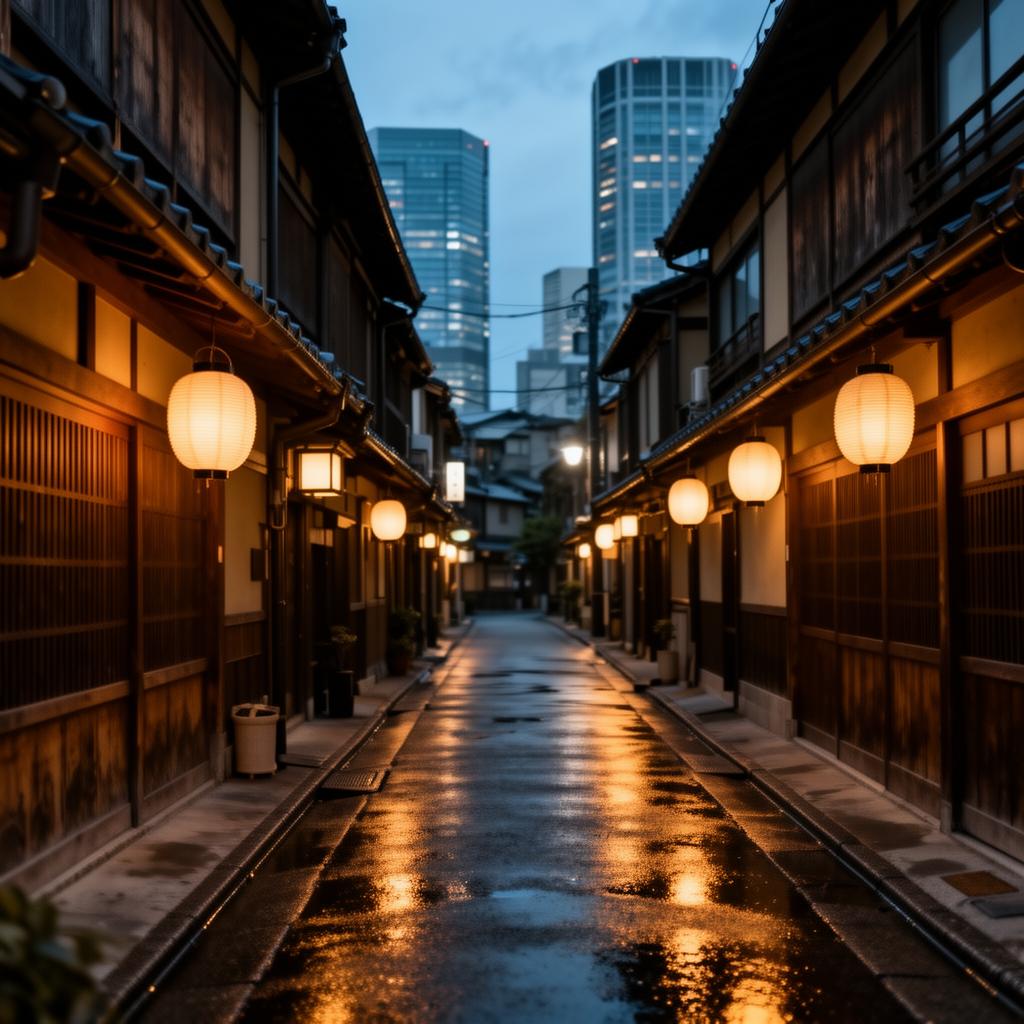
Ningyōchō 人形町
Best overall for travellers who prioritise quiet streets and convenience
- Shopping & everyday needs
- A working residential and merchant quarter in Nihonbashi: old sweet shops, tea sellers, a couple of small supermarkets and Amazake Yokochō for everyday browsing. Ginza and Nihonbashi's department stores are one or two subway stops away when you want real shopping.
- Who should stay here
- Solo travellers who want a quiet base with a real neighbourhood feel — people who plan to be out all day and want somewhere calm and safe to come back to at night.
- Hotels for solo travellers
- Mostly compact Japanese business hotels and a few small independents, priced well below Ginza for a similar standard. Rooms are small but well run, and the guest mix skews toward Japanese business travellers, so lobbies and corridors stay quiet. Good value for a solo traveller who mainly needs a clean, well-located room rather than facilities.
- Signature places
- Amazake Yokochō, Suitengū shrine, Ningyōchō-dōri's old shops, Nihonbashi a 15-minute walk away.
- Hotel prices
- Mid-range overall, with dependable business hotels well under Ginza prices and a small number of upscale options in neighbouring Nihonbashi.
Pros
- +Very quiet residential streets with little nightlife
- +Dozens of small restaurants where eating alone at the counter is the norm
- +Hibiya and Toei Asakusa lines, with direct trains to Haneda
- +Walkable to Nihonbashi, Tokyo Station and Ginza
Cons
- −Few hostels or social accommodation if you want to meet people
- −Many local restaurants close early and some shut at weekends
- −Not a sightseeing district in itself
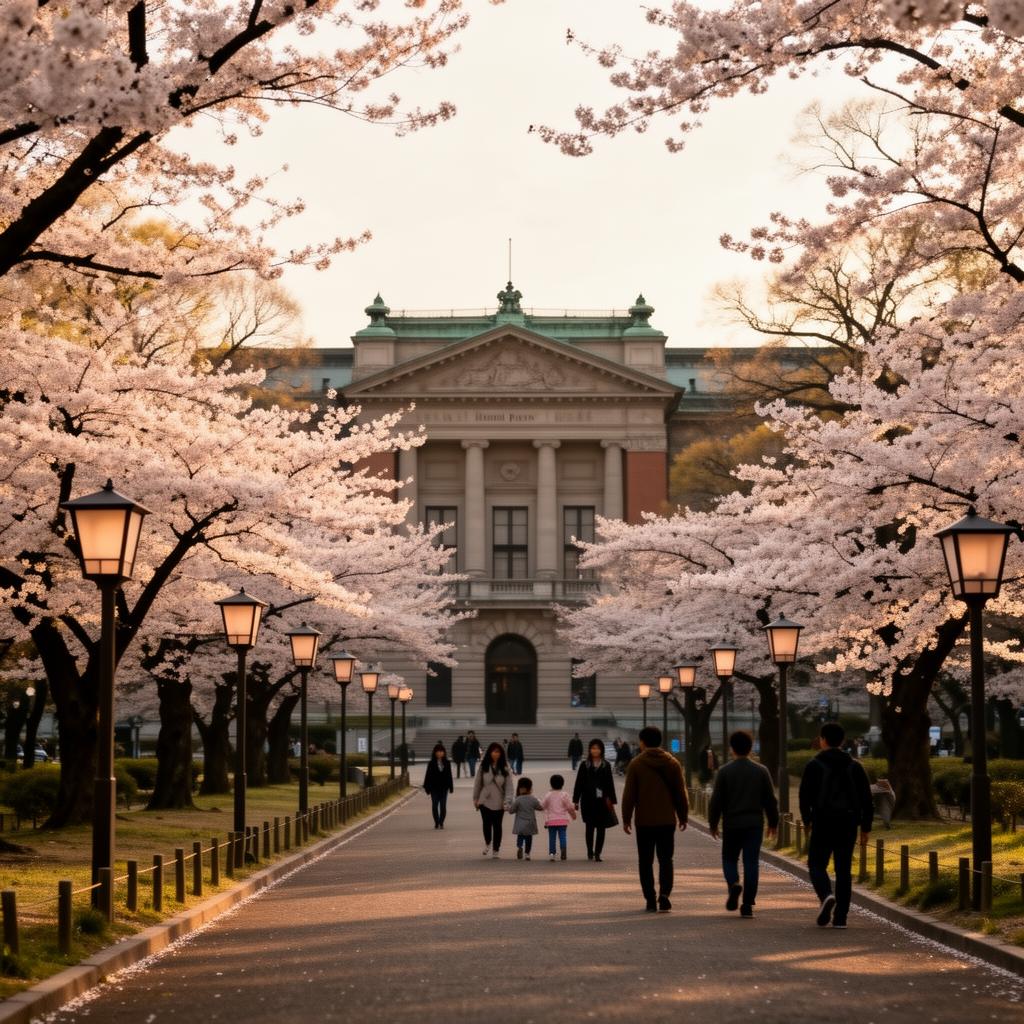
Ueno 上野
Best budget base
- Shopping & everyday needs
- Ameyoko market for cheap food, clothing and souvenirs, plus large drugstores and discount chains around the station. Practical rather than stylish — useful for stocking up rather than browsing.
- Who should stay here
- Solo travellers on a budget, first-timers arriving from Narita, and anyone who wants museums, a park and a good hotel choice without paying central-Tokyo rates.
- Hotels for solo travellers
- The widest budget range of the five: hostels with private rooms, capsule hotels, and dozens of chain business hotels. Standards are consistent and prices are among the lowest for a Yamanote Line location, which is why solo travellers who stay longer often base here.
- Signature places
- Ueno Park and its museums, Ameyoko, Shinobazu Pond, Yanaka a short walk north.
- Hotel prices
- One of the cheapest central areas, dominated by budget and mid-range hotels with only a few upscale ones.
Pros
- +Cheapest reliable hotels of the five areas
- +Keisei Skyliner reaches Narita in about 41 minutes
- +Yamanote, Ginza and Hibiya lines plus shinkansen services
- +Solo diners everywhere — standing bars, ramen counters and cheap set meals
Cons
- −Busier and scruffier around the station than the other four areas
- −Some blocks east of the station feel less pleasant late at night
- −Further from Shibuya and Shinjuku — around 25–30 minutes
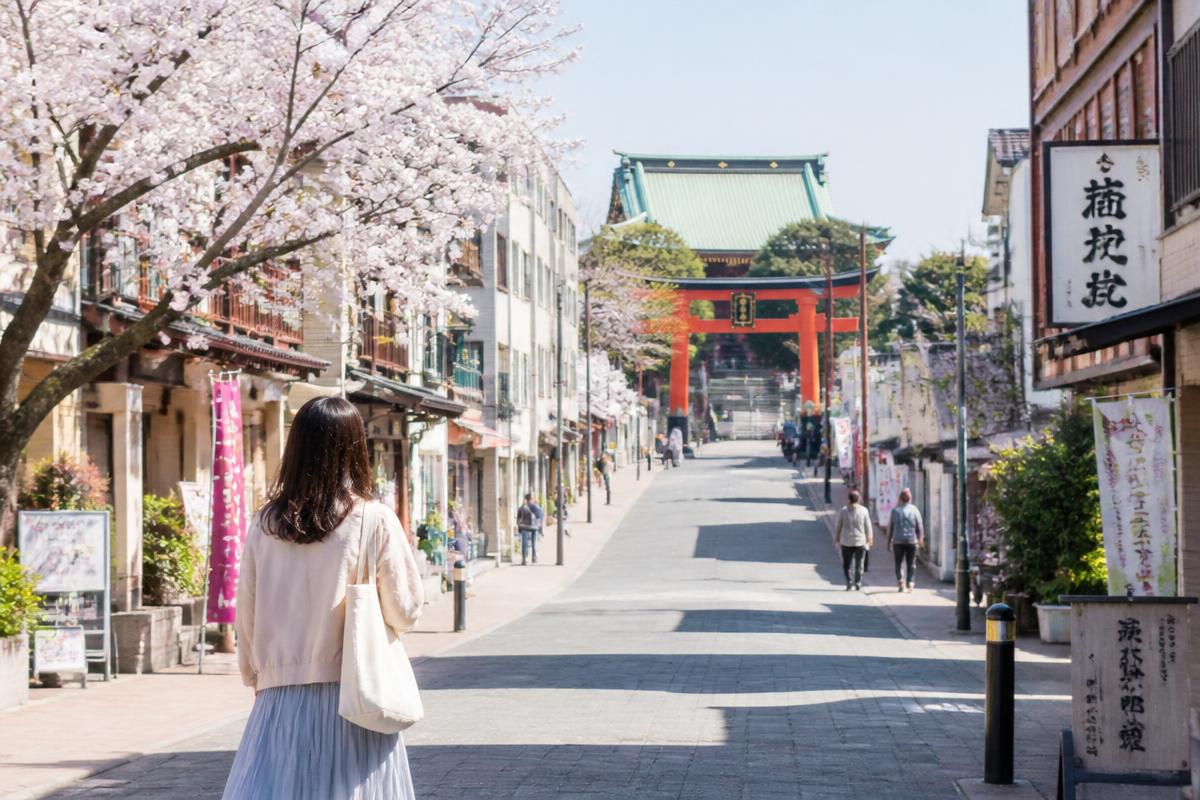
Kanda 神田
Best for local, everyday Tokyo
- Shopping & everyday needs
- Jimbōchō's second-hand bookshops and Akihabara's electronics are both within walking distance, and the streets around the station are full of small specialist shops rather than chains.
- Who should stay here
- Independent travellers who want a central, unpretentious base and don't need nightlife or sightseeing on their doorstep.
- Hotels for solo travellers
- Business hotels built for people travelling alone: single rooms, early breakfasts, laundry, and a location chosen for the station rather than the view. Prices sit below Ginza and Tokyo Station for what is effectively the same central position, which makes Kanda one of the better value-for-money picks in the middle of the city.
- Signature places
- Kanda Myōjin shrine, the izakaya lanes under the tracks, Jimbōchō bookshops, Akihabara one stop away.
- Hotel prices
- Mid-range and consistent — a large stock of business hotels and very few luxury or budget extremes.
Pros
- +One stop from Tokyo Station; Yamanote, Chūō and Ginza lines
- +Generally quiet late in the evening and on weekends
- +Small izakaya and set-lunch restaurants used to single customers
- +Central without central prices
Cons
- −Little atmosphere at weekends — many places close
- −Few hotels above the standard business-hotel tier
- −Not somewhere you stay for the sights
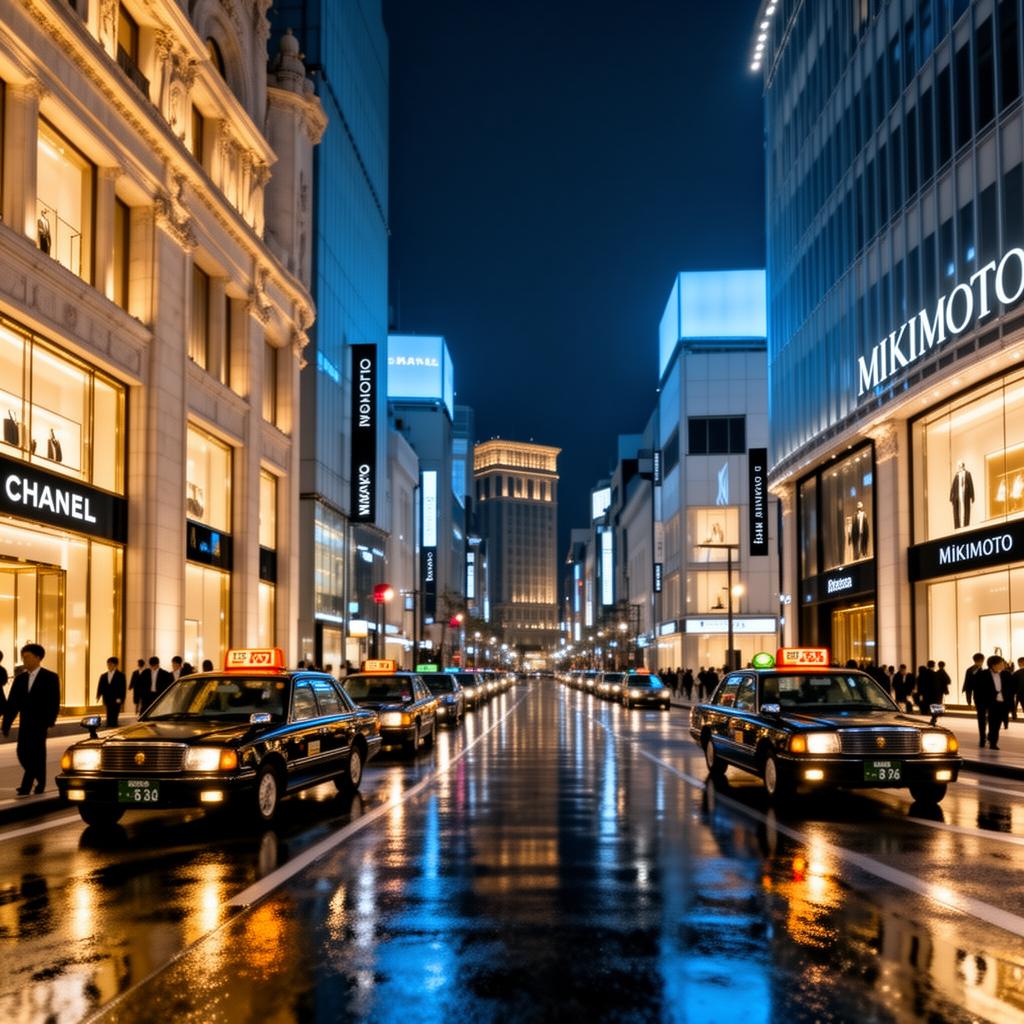
Ginza 銀座
Best premium solo stay
- Shopping & everyday needs
- Department stores, flagship brands and Japan's best depachika food halls, all within a walkable grid. The Sunday pedestrian street makes browsing alone genuinely pleasant.
- Who should stay here
- Solo travellers with a comfortable budget who value safety, calm streets and short walks over nightlife or hostel life.
- Hotels for solo travellers
- Well-run upscale hotels and refined Japanese chains, with more polished service than anywhere else on this list. Rooms tend to be larger and quieter, staff are used to guests dining and travelling alone, and the area is well lit and busy in the evening without being rowdy — the reason it appeals to many solo female travellers.
- Signature places
- Ginza Six, Mitsukoshi depachika, Chūō-dōri, Tsukiji Outer Market a 15-minute walk away.
- Hotel prices
- The most expensive of the five areas, with limited budget or hostel options.
Pros
- +Very safe, well lit and calm at night
- +Excellent solo dining, from counter sushi to depachika takeaway
- +Walkable to Tokyo Station, Nihonbashi and Tsukiji
- +Three subway lines and easy connections everywhere
Cons
- −Clearly the most expensive base here
- −Almost no hostels or budget single rooms
- −Noticeably quieter after 21:00 as most shops close
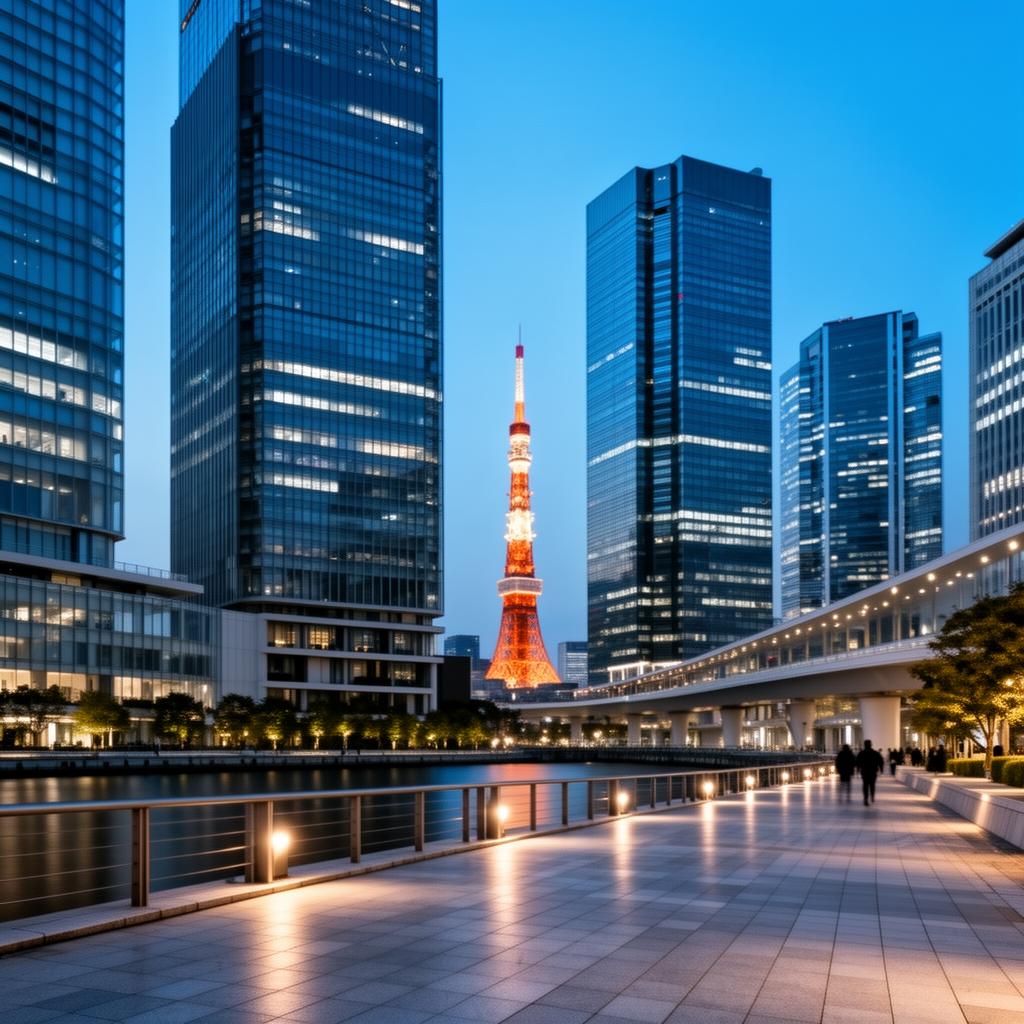
Minato 港区
Best modern, practical base
- Shopping & everyday needs
- Everyday shopping rather than destination retail: station complexes, convenience stores and Shiodome's malls. Ginza is two stops away when you want more.
- Who should stay here
- Solo travellers who want a modern, predictable hotel, an early flight from Haneda, or a quiet residential base away from the crowds.
- Hotels for solo travellers
- Large, modern business and mid-range hotels around Hamamatsuchō, Daimon and Shiba — the kind with 24-hour reception, decent breakfast buffets and reliable Wi-Fi. Many hotels offer newer and often slightly larger rooms than those in Kanda or Ningyōchō at similar prices, and the international guest mix makes English service standard.
- Signature places
- Zōjō-ji temple, Tokyo Tower, Kyū Shiba Rikyū garden, Hamamatsuchō monorail terminus.
- Hotel prices
- Mid-range, with a broad supply of modern chain hotels and some upscale properties near Shiodome.
Pros
- +One of the fastest Haneda connections in central Tokyo via the Tokyo Monorail
- +Quiet residential streets around Shiba and Zōjō-ji
- +Yamanote Line plus the Asakusa and Ōedo subway lines at Daimon
- +Modern hotels with English-speaking staff
Cons
- −Less character than Ningyōchō or Ueno — mostly offices and hotels
- −Restaurants near the offices close early and some shut at weekends
- −Fewer budget rooms than Ueno
Tokyo solo-travel areas compared
| Metric | Ningyōchō | Ueno | Kanda | Ginza | Minato |
|---|---|---|---|---|---|
| Hotel price | $$ | $–$$ | $$ | $$$–$$$$ | $$–$$$ |
| Safety | Excellent | Good | Very good | Excellent | Very good |
| Solo dining | Excellent | Excellent | Very good | Very good | Good |
| Walkability | Excellent | Good | Very good | Excellent | Good |
| Local atmosphere | Traditional, residential | Busy, everyday | Working Tokyo | Refined | Modern, corporate |
| Evening atmosphere | Very quiet | Lively | Quiet | Calm | Quiet |
| Transport | 2 subway lines, direct Haneda | Yamanote + Narita Skyliner | Yamanote, Chūō, Ginza | 3 subway lines | Yamanote + monorail to Haneda |
Which area should a solo traveller choose?
Best overall area for solo travellers: Ningyōchō
Ningyōchō wins because it does the ordinary things well. The streets are residential, so walking back at 23:00 feels the same as walking back at 19:00. The restaurants are small — counters, six-seat soba shops, standing bars — which removes the awkwardness of asking for a table for one. Two subway lines, including the Toei Asakusa Line with through-services to Haneda, mean you rarely change more than once, and Tokyo Station, Nihonbashi and Ginza are all walkable. Prices sit well below Ginza for a similar level of hotel. Read the Ningyōchō area guide for hotel specifics, and see the first-time visitors guide if this is also your first trip to Tokyo.
Best budget area for solo travellers: Ueno
Solo travel is expensive per person because you cannot split a room, so the cheapest reliable neighbourhood matters more than it would for a couple. Ueno has the deepest budget supply in central Tokyo — hostels with private rooms, capsule hotels and dozens of business chains — while still sitting on the Yamanote Line, with the Keisei Skyliner reaching Narita in around 41 minutes. Eating alone is effortless: Ameyoko's standing bars, ramen counters and cheap set meals are full of single diners at any hour. The trade-off is a busier, scruffier station area. The Ueno area guide covers where to book, and the budget guide compares it against the other cheap districts.
Best area for a local, everyday Tokyo stay: Kanda
Kanda is a business district, which is exactly why it works for independent travellers. Hotels are built around single rooms and early departures, the izakaya under the railway arches serve people eating alone after work, and set lunches are among the cheapest in central Tokyo. Evenings and weekends are quiet because the offices empty out. You are one stop from Tokyo Station on the Yamanote Line, with the Chūō Line west and the Ginza Line south, and Akihabara and Jimbōchō are walkable. The Kanda area guide has more on the hotel stock.
Best modern base and airport access: Minato
Around Hamamatsuchō, Daimon and Shiba, Minato is a calm, modern part of the city with large chain hotels, English-speaking reception and quiet residential blocks behind Zōjō-ji. The practical advantage is Haneda: the Tokyo Monorail from Hamamatsuchō is the fastest airport link in central Tokyo, which matters if you have an early flight and no one to share a taxi with. Skip Roppongi if you want quiet — it is a different neighbourhood in character, a short subway ride away. The Minato area guide explains the difference between its sub-areas.
Practical notes for travelling alone in Tokyo
Book a hotel within a five-minute walk of a station: the last trains run around 00:00–01:00, and a taxi home alone is expensive. Counter seats and ticket-machine restaurants are the easiest places to eat alone; most ramen, soba, curry and gyūdon shops expect single customers. Carry a physical copy of your hotel address in Japanese, keep an IC card topped up, and use coin lockers rather than dragging luggage. If you want company, hostels in Ueno and Asakusa have the most social common rooms; Ningyōchō, Kanda and Minato do not.
Final recommendation
There is no unsafe base among these five — the choice is between quiet and cheap, local and polished, and how much the airport run matters on your last morning.
Choose
Ningyōchō
If you want the best all-round solo base: quiet, safe, walkable, easy to eat alone and reasonably priced.
Choose
Ueno
If you are watching the budget and want the cheapest reliable rooms with Yamanote and Narita access.
Choose
Kanda
If you want a central, unpretentious base in working Tokyo with quiet evenings and strong rail links.
Choose
Ginza
If you will pay more for comfort, polished service and calm, well-lit streets within walking distance of everything.
Choose
Minato
If you want a modern hotel, English-speaking staff and the fastest possible route to Haneda.
Frequently asked questions
Is Tokyo safe for solo travellers?+
Tokyo is consistently ranked among the safest large cities in the world, and walking alone at night is normal in most residential and central districts. The usual caution applies around nightlife areas such as Kabukichō and Roppongi, where touts and drink-spiking incidents are the main reported problems. Staying in a residential or business district — Ningyōchō, Kanda, Ginza or Shiba — avoids that entirely.
Which Tokyo area is best for a first solo trip?+
Ningyōchō. It is central, quiet, walkable and well connected, so you can find your feet without navigating a huge station or a nightlife district every evening. If you want more to do on your doorstep and a lower price, Ueno is the alternative. The first-time visitors guide compares the wider set of areas.
Where is it easiest to eat alone in Tokyo?+
Ningyōchō and Ueno. Both are full of counter restaurants, standing bars, ramen and soba shops where a single customer is completely normal and no one lingers. Ticket-machine restaurants remove the need to speak Japanese at all. Ginza works well too — sushi counters and depachika food halls are ideal for one — but it costs more.
Which Tokyo area has the best budget hotels for solo travellers?+
Ueno, by a clear margin. It has the largest concentration of hostels with private rooms, capsule hotels and cheap business chains in a Yamanote Line location. Kanda and Ningyōchō are the next step up: not budget, but noticeably cheaper than Ginza or Tokyo Station for a similar central position. See the budget guide for a full comparison.
Which Tokyo area is quiet at night?+
Ningyōchō and Kanda are the quietest of the five — residential and office districts respectively, both largely empty after the restaurants close. Shiba and Hamamatsuchō in Minato are similar. Ginza is calm but not silent, while Ueno stays busy around the station until late.
Which area is best for solo female travellers in Tokyo?+
Ginza and Ningyōchō are the usual recommendations: both have well-lit streets, no nightlife district to walk through, and hotels used to guests travelling alone. Many Tokyo hotels also offer women-only floors, and most trains run women-only cars during morning rush hour. Avoid booking directly beside Kabukichō or Roppongi's main strip if a quiet walk back matters to you.
Should I stay in one Tokyo neighbourhood or move hotels?+
For trips of a week or less, stay in one place. Tokyo's rail network makes almost everything reachable in 30 minutes, and moving costs you a morning plus luggage handling. Splitting makes sense on longer trips or when you have an early Haneda flight — a final night around Hamamatsuchō can be worth it. Otherwise use coin lockers and takkyubin luggage delivery instead of changing hotels.
Find your solo base on the map
Use the interactive TokyoStayMap to filter neighbourhoods by price, atmosphere and transport, then compare hotels in the area that fits your trip.
Keep exploring
Related Tokyo guides
More from the TokyoStayMap editorial series — pick the comparison that matches your trip.
Best areas for first-time visitors
The main hub guide — compare Shinjuku, Ueno, Shibuya, Ginza, Minato and Ningyōchō for a first Tokyo trip.
Read guideBest areas for nightlife
Shinjuku, Shibuya, Roppongi, Ebisu and Ginza compared for bars, clubs and late-night convenience.
Read guideBest areas for families
Family-friendly Tokyo areas with parks, apartment hotels, safety and easy transport for kids.
Read guideBest areas to stay on a budget
Ningyōchō, Ueno, Asakusa, Ikebukuro and Kanda — One of Tokyo's best value neighbourhoods for budget travellers.
Read guide