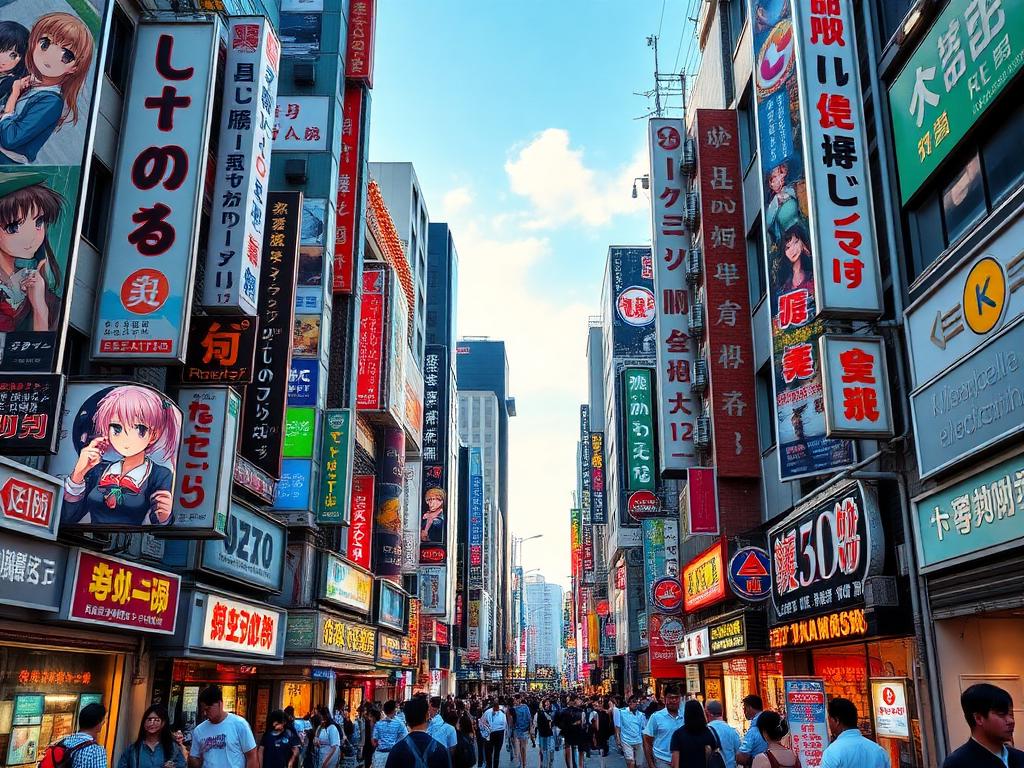
Electric Town (Chūō-dōri)秋葉原電気街
The main drag under a wall of anime billboards and electronics signage. Closed to traffic on Sunday afternoons, when it becomes a pedestrian street.
Tokyo neighborhood
Akihabara works best if you want anime, games and electronics right outside your hotel door, plus easy Yamanote-line access across Tokyo. It is practical and often good value, but not a classic sightseeing district: busy and commercial by day, surprisingly quiet after the shops close.
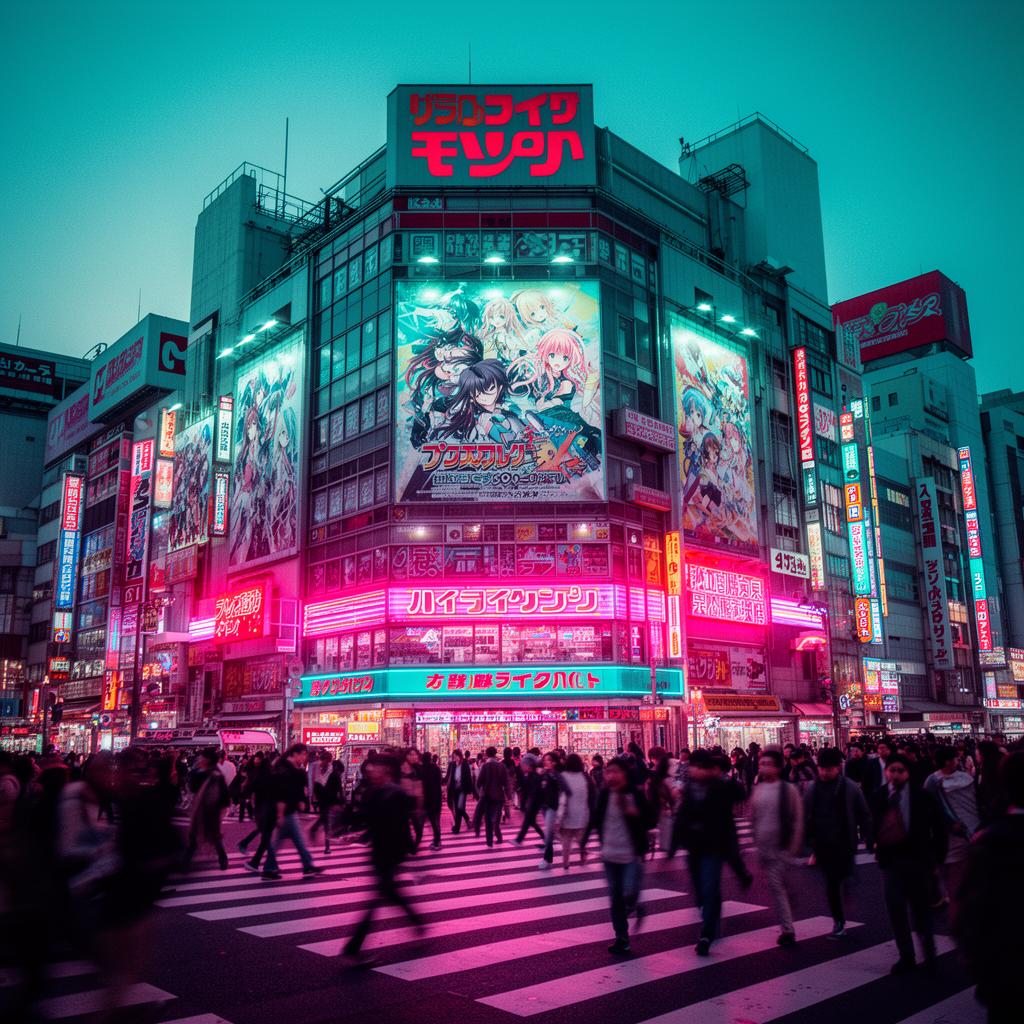
One of Tokyo's best-connected stations: JR Yamanote, Keihin-Tōhoku, Sōbu, the Hibiya subway and the Tsukuba Express all meet here.
Usually cheaper than Ginza, Shibuya or Roppongi while still feeling central — with plenty of clean 3–4★ business hotels at fair rates.
Tokyo’s densest cluster of anime, manga, games and electronics shops, from multi-storey hobby stores to retro game floors and maid cafés.
From giant duty-free electronics stores to tiny component shops beneath the railway arches, Akihabara remains Japan's best place to shop for electronics.
Walkable to Kanda, Ochanomizu and Jinbōchō's bookshop district, and about 25 minutes on foot to Ueno Park along the Yamanote line.
Cheap and fast eating — standing soba, curry houses, ramen, conveyor sushi and themed cafés, most of it under ¥1,500 a meal.
Best for
Anime, manga and gaming fans, tech shoppers, solo travellers and anyone wanting a central base at a mid-range price
Budget
$–$$$ · strong on business hotels and capsules, few true luxury options
Atmosphere
Bright, busy and commercial during shopping hours; quieter than expected after many shops close
Airport access
Narita: ~60 min via Yamanote to Ueno + Keisei Skyliner · Haneda: ~40 min via Keihin-Tōhoku to Hamamatsuchō + Monorail
Transport
JR Yamanote · Keihin-Tōhoku · Sōbu · Hibiya subway · Tsukuba Express
Signature
Electric Town, Mandarake, Super Potato, maid cafés, Kanda Myōjin shrine
Akihabara is business-hotel territory: reliable 3–4★ chains, a few capsule and pod options and a small number of larger towers near the station — often at lower rates than Ginza or Shibuya.
The main drag under a wall of anime billboards and electronics signage. Closed to traffic on Sunday afternoons, when it becomes a pedestrian street.
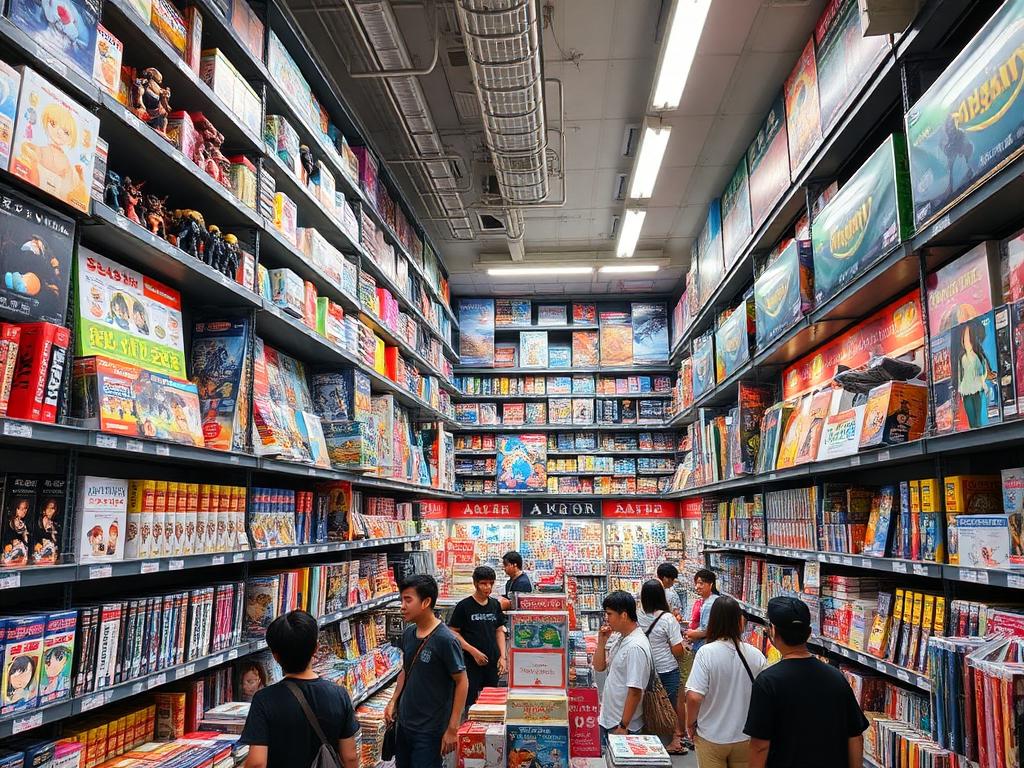
Eight floors of second-hand manga, vintage figures, cels and doujinshi — the single best stop in Akihabara for collectors, and free to browse for hours.
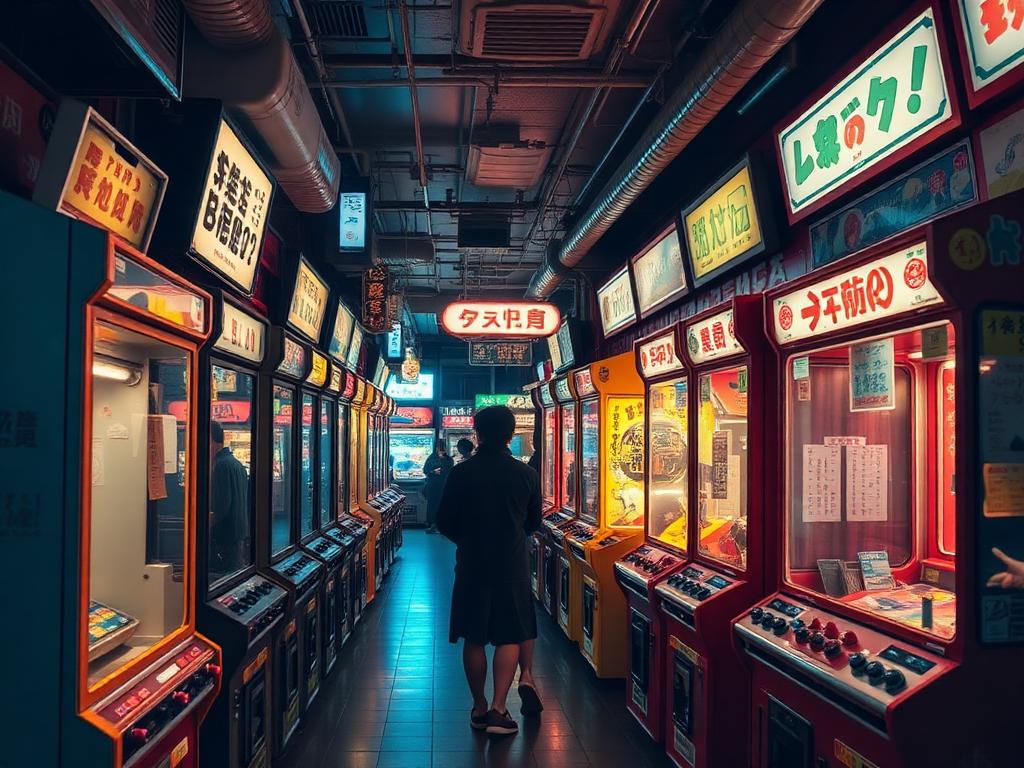
Multi-floor game centres full of rhythm games and claw machines, plus Super Potato's famous retro floors selling Famicom and Super Famicom cartridges.
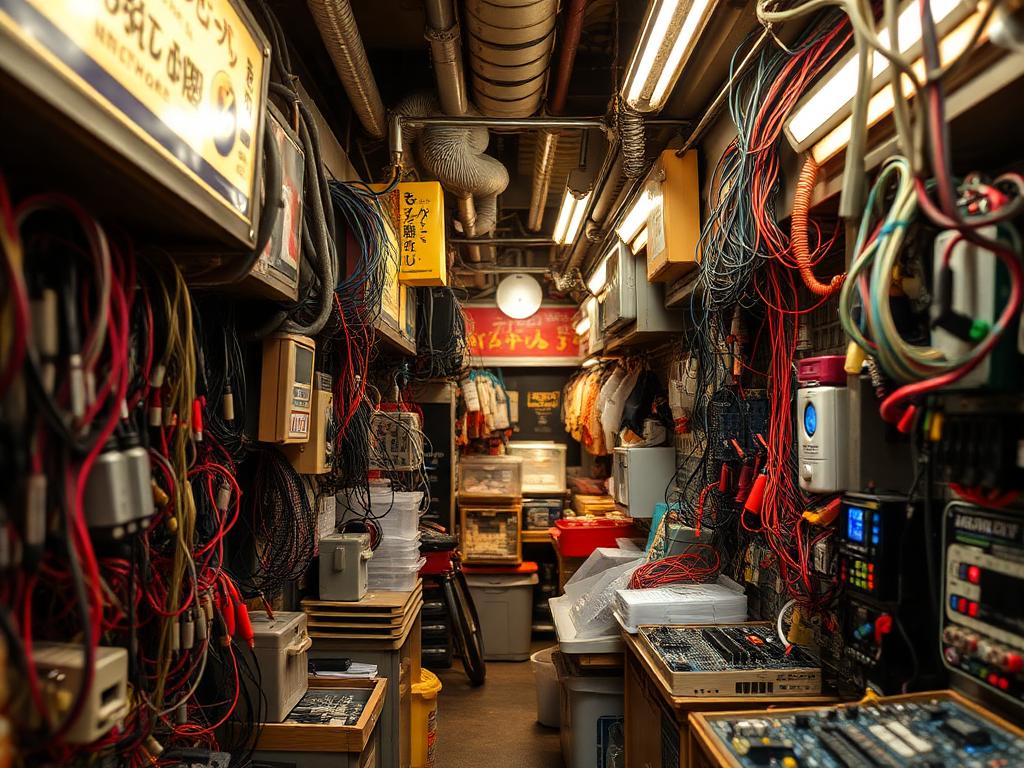
Hobby shops stacked ten storeys high, and the tiny electronics-component stalls tucked under the railway arches — a survivor of post-war Akihabara.
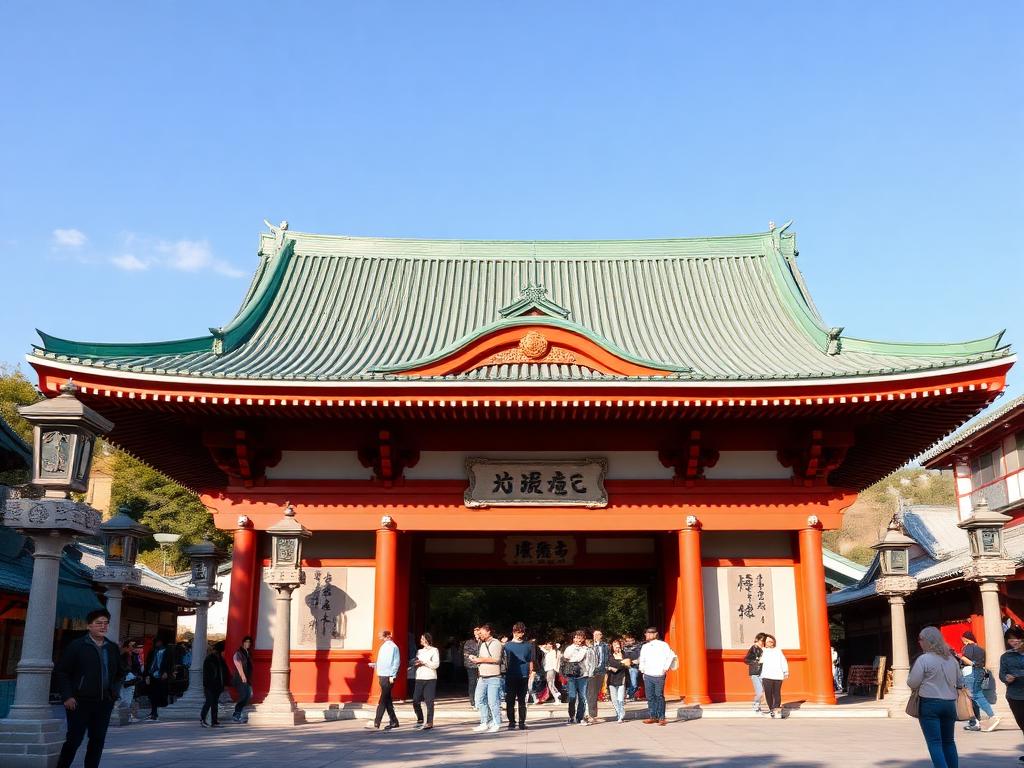
A 1,300-year-old shrine on the hill above the district, famous for blessing IT gear and selling anime-styled charms. Ten minutes on foot from the station.
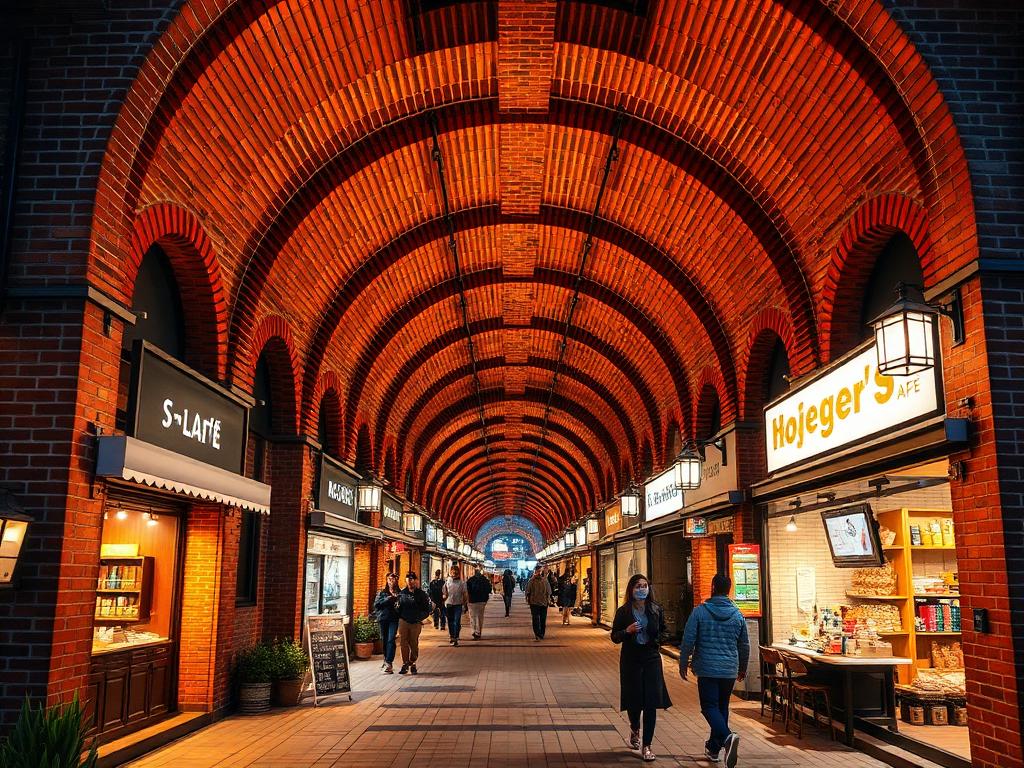
Cafés, craft shops and a terrace over the Kanda river inside a restored 1912 red-brick viaduct — the calm, design-led side of Akihabara.
Akihabara is one of Tokyo’s stronger transport bases for the price. The JR Yamanote loop covers Tokyo Station, Ueno, Shinjuku and Shibuya without a transfer, while the Hibiya line reaches Ginza and Roppongi and the Tsukuba Express heads north.
| Tokyo Station | JR Yamanote / Keihin-Tōhoku | ~4 min |
| Ueno | JR Yamanote | ~5 min |
| Ginza | Hibiya line | ~10–12 min |
| Asakusa | Tsukuba Express to TX Asakusa / Ginza line from Suehirochō | ~10–15 min |
| Shinjuku | JR Sōbu (Chūō) line | ~18 min |
| Shibuya | JR Yamanote | ~23 min |
| Haneda Airport | Keihin-Tōhoku to Hamamatsuchō + Monorail | ~40 min |
| Narita Airport | Yamanote to Ueno + Keisei Skyliner | ~60 min |
Five minutes up the Yamanote line — museums, a big park and the Skyliner to Narita. Similar prices with more sightseeing and greenery, less neon.
A quieter old-Tokyo pocket a few minutes south on the Hibiya line. Better for calm evenings and traditional food, weaker for shopping.
Around ten minutes away and a big step up in price and polish. Choose Ginza for luxury and dining, Akihabara for value and subculture.
Yes, especially if you value transport and price over atmosphere. You get a Yamanote-line station, Tokyo Station in four minutes and Ueno in five, with rates that are often lower than Ginza or Shibuya. It suits anime and tech fans, solo travellers and anyone who wants a practical base.
It works well as a transport base, but it's a shopping district rather than a classic sightseeing one. First-timers who want temples and parks nearby often prefer Ueno or Asakusa; those who want central trains and lower rates do fine in Akihabara.
Usually not by central Tokyo standards. Expect roughly ¥12,000–¥28,000 a night for a solid business hotel, with rates often comparable to Ueno and below Ginza, Shibuya or Roppongi.
Akihabara is generally safe at night. It is more of a commercial district than a nightlife area, so many streets become quiet after shops close. As elsewhere in Tokyo, be cautious with touts or upstairs bars and cafés where prices are not clearly displayed.
From Narita, take the Keisei Skyliner to Ueno and hop one stop on the Yamanote line — about 60 minutes total. From Haneda, the Monorail to Hamamatsuchō plus the Keihin-Tōhoku line takes roughly 40 minutes.
Older kids and teenagers usually love it — arcades, game centres and huge toy floors. With small children, the crowds and narrow shop aisles can be tiring, and there's little green space until you reach Ueno Park.
Anime, manga, video games and electronics. Mandarake, Super Potato, Radio Kaikan, the component stalls under the tracks and maid cafés are among the district's signatures, alongside Kanda Myōjin shrine on the hill above.
The Electric Town exit puts you in the middle of the shops and the noise. The Shōwa-dōri side is calmer, still two minutes from the station, and generally where the quieter business hotels are.
Keep exploring
Editorial guides where Akihabara and nearby central areas appear — pick the angle that matches your trip.
Ginza, Shibuya, Shinjuku, Ikebukuro and Asakusa — where to base yourself for luxury, fashion, anime or craft shopping.
Read guideNingyōchō, Ueno, Asakusa, Ikebukuro and Kanda — One of Tokyo's best value neighbourhoods for budget travellers.
Read guideTwo anime hubs on the Yamanote line — compare hotels, prices, shopping, food and airport access.
Read guide