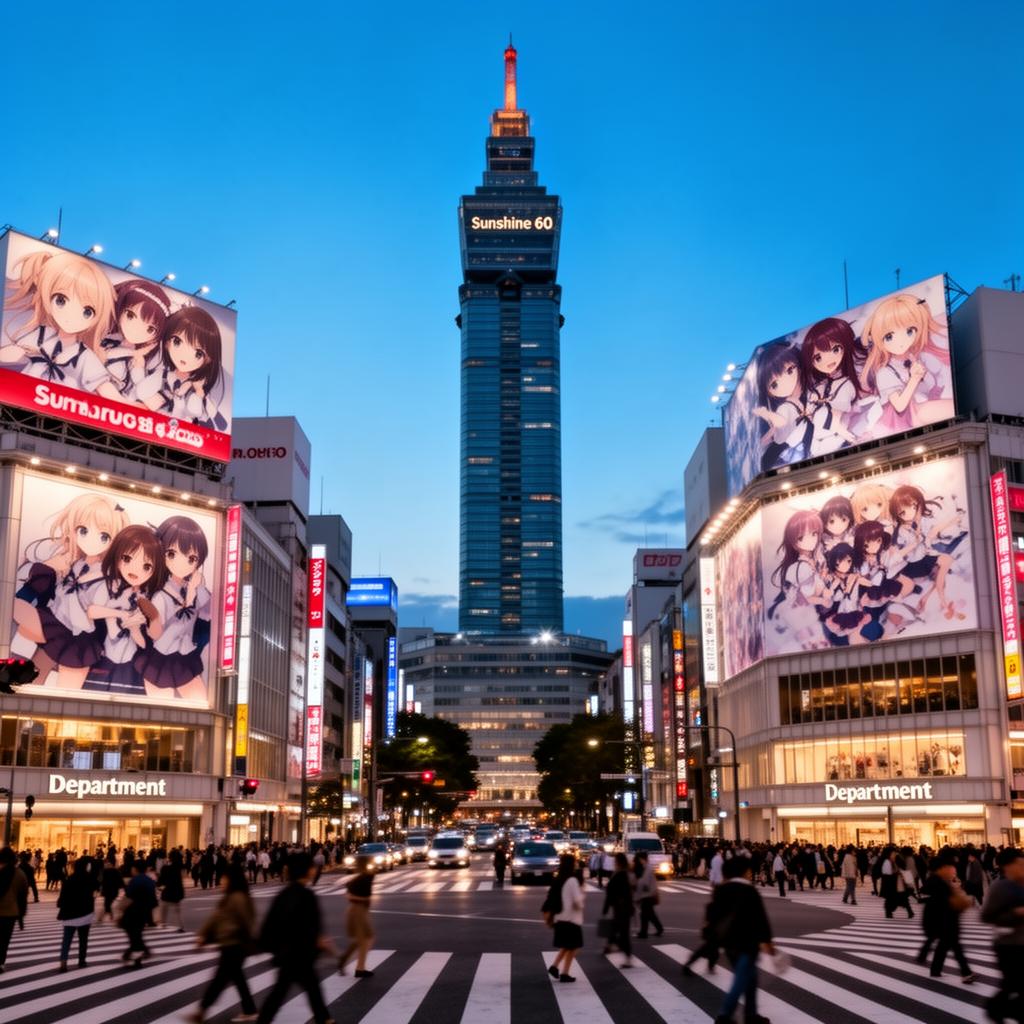
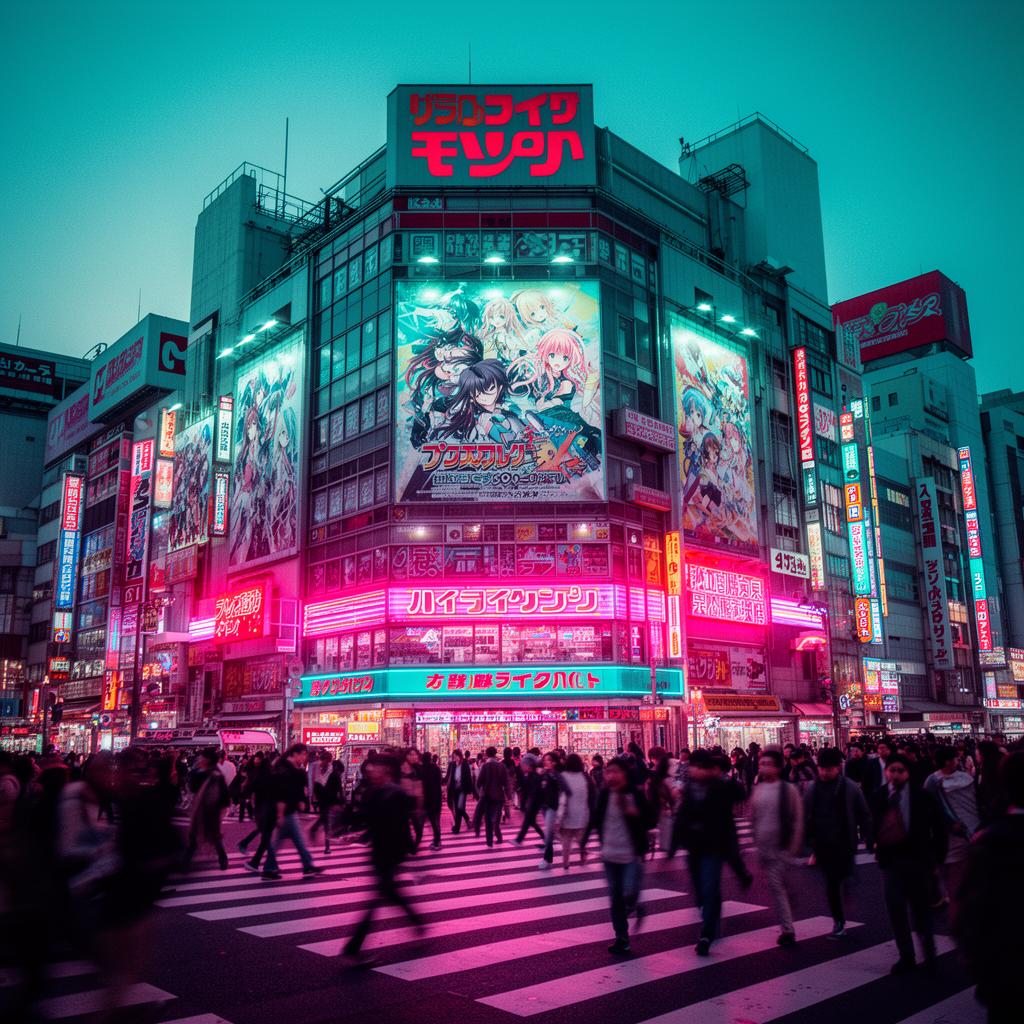
Quick comparison: Ikebukuro vs Akihabara at a glance
If you only have 30 seconds, here is how the two areas compare across the categories travellers ask about most.
See also: best areas to stay for shopping, best areas to stay on a budget and shinjuku vs ikebukuro.
Best for first-time visitors
Ikebukuro
A major hub with a wider choice of hotels, food and shopping, plus a roughly five-minute JR ride to Shinjuku.
Best value for money
Ikebukuro
The larger hotel supply gives you more choice across budget and mid-range stays, with many business hotels.
Best hotel variety
Ikebukuro
Capsules, business chains, family rooms and several higher-end options; Akihabara has a strong selection of business and mid-range hotels.
Best central location
Akihabara
Tokyo Station in about four minutes and Ueno in about five by JR — Akihabara is on the eastern side of the Yamanote loop.
Best transport
Akihabara
JR Yamanote, Keihin-Tōhoku and Chūō-Sōbu, plus the Hibiya subway and Tsukuba Express, serve the Akihabara station area.
Best for anime and manga shopping
Akihabara
Mandarake, Radio Kaikan, Super Potato and many specialist shops make Akihabara one of Tokyo's main districts for anime, manga, games and figures.
Best for female-oriented fandom
Ikebukuro
Otome Road, K-Books and the Animate flagship make Ikebukuro particularly strong for female-oriented anime and manga fandom, including BL.
Best for electronics
Akihabara
Large electronics retailers sit alongside specialist shops selling components, parts and niche tech.
Best food scene
Ikebukuro
Ramen streets, izakaya on both sides of the tracks and huge Seibu and Tobu depachika food halls.
Best for families
Ikebukuro
Sunshine City packs an aquarium, planetarium, NAMJATOWN and Pokémon Center Mega Tokyo into one rainy-day complex.
Best nightlife
Ikebukuro
Izakaya, karaoke and live houses give Ikebukuro a broader late-night scene; Akihabara is much quieter after the shops close.
Best airport access
Akihabara
One JR stop to Ueno for the Keisei Skyliner to Narita, and a straightforward Keihin-Tōhoku + Monorail route to Haneda.
Side-by-side comparison
| Category | Ikebukuro 池袋 | Akihabara 秋葉原 |
|---|---|---|
| Atmosphere | Big, busy and practical — department stores and everyday crowds | Bright and commercial by day, oddly quiet after the shops close |
| Hotels | Wide range: capsules, business chains, family rooms, a few towers | Mostly reliable 3–4★ business hotels and capsules |
| Typical price | $–$$$ · generally strong value with a wide hotel supply | $–$$$ · good value, but a smaller hotel supply |
| Transport | JR Yamanote, Saikyō, Shōnan-Shinjuku · Marunouchi, Yūrakuchō, Fukutoshin subway lines | JR Yamanote, Keihin-Tōhoku, Chūō-Sōbu · Hibiya · Tsukuba Express |
| Central location | North-west of the loop — Shinjuku ~5 min, Tokyo Station ~17 min by Marunouchi Line | East of the loop — Tokyo Station ~4 min, Ueno ~5 min by JR |
| Airport access | Narita via Nippori + Skyliner · Haneda via Shinagawa or limousine buses | Narita via Ueno + Skyliner · Haneda via Hamamatsuchō + Monorail |
| Anime & manga | Otome Road, Animate flagship, K-Books — strong for female fandom | Mandarake, Radio Kaikan, doujinshi and figure shops — a very dense specialist cluster |
| Electronics | Bic Camera and Yamada around the station | Duty-free megastores plus component stalls |
| Food scene | Ramen streets, izakaya, huge Seibu and Tobu depachika | Quick and casual — soba, curry, ramen, conveyor-belt sushi and themed cafés |
| Families | Sunshine City aquarium, planetarium and NAMJATOWN | Good for older kids and teens; limited green space in the immediate area |
| Nightlife | Izakaya, karaoke and live houses until late | Limited compared with Ikebukuro; much quieter after the shops close |
| Sightseeing | Sunshine 60 observatory, Metropolitan Theatre | Kanda Myōjin shrine, mAAch ecute Manseibashi, Ueno 5 min away |
Ikebukuro vs Akihabara in detail
Which area has the better atmosphere?
Ikebukuro is a full-scale Tokyo hub. Large department stores sit around the station, shopping streets run in several directions, and the crowds include students, office workers and shoppers as well as tourists. It is busy and practical, with plenty still open after dark.
Akihabara is more of a specialist district. Chūō-dōri is lined with anime and electronics signage, side streets are packed with hobby and specialist shops, and on designated Sundays the main road is closed to vehicle traffic for pedestrians. The trade-off is that once many shops close, the district becomes noticeably quieter.
Which area has better transport?
Akihabara has a particularly useful position for east-central Tokyo. It sits on the eastern side of the JR Yamanote loop, with Tokyo Station and Ueno only a few minutes away by JR. The Chūō-Sōbu Line runs directly to Shinjuku, the Hibiya Line serves Ginza and Roppongi, and the Tsukuba Express heads north from the station area.
Ikebukuro is the larger interchange but sits further out on the north-west of the loop. JR Yamanote, Saikyō and Shōnan-Shinjuku services plus the Marunouchi, Yūrakuchō and Fukutoshin subway lines give you fast access to Shinjuku and Shibuya, while Tokyo Station is about 17 minutes away on the Marunouchi Line.
Which area has better hotels?
Ikebukuro has the wider choice. You will find capsule hotels, many business-hotel chains, mid-range properties with family rooms and some higher-end options around the station, making it easier to match a specific budget or room size.
Akihabara has a strong concentration of business hotels and capsule hotels, with fewer upscale or boutique choices than major hotel districts such as Shinjuku. If a design hotel or a suite is important, compare other central areas as well — our Shinjuku vs Ikebukuro guide is a useful starting point.
Which area is cheaper?
Ikebukuro is usually the better value, though rates move with dates and demand. The large supply of business hotels gives you more chances to find competitive rates, while everyday food around the station covers plenty of inexpensive options.
Akihabara is also reasonable by central Tokyo standards, but its smaller hotel supply can mean fewer bargains on busy dates. Both areas are worth considering alongside Ueno, Asakusa, Kanda and Ningyōchō if keeping accommodation costs down is a priority.
Which area is better for shopping?
Akihabara wins for depth. Mandarake Complex, Radio Kaikan, Super Potato and many specialist shops create one of Tokyo’s most concentrated clusters for manga, figures, games, anime goods and electronics. It is one of Tokyo’s main areas for electronics shopping, rather than simply a general shopping district.
Ikebukuro wins for breadth. Seibu and Tobu are major department stores, Sunshine City adds a large shopping complex, and the east side has Otome Road, the Animate flagship, K-Books and Pokémon Center Mega Tokyo. The area is particularly strong for female-oriented anime and manga fandom; the Animate flagship itself includes dedicated shojo and BL manga sections.
Which area is better for food?
Ikebukuro has the stronger everyday food scene: ramen streets around both exits, izakaya on either side of the tracks, and the Seibu and Tobu depachika food halls for prepared food and souvenirs.
Akihabara is well suited to quick, casual eating — soba, curry, ramen, conveyor-belt sushi and themed cafés are easy to find. For a broader restaurant scene and more varied dining options, Ikebukuro is the stronger base; see our guide to the best areas to stay in Tokyo for food lovers.
Which area has better nightlife?
Ikebukuro has a real night scene: izakaya, karaoke, live houses and late-night ramen keep the streets busy, and Shinjuku is only a few minutes away by JR if you want something bigger.
Akihabara is not primarily a nightlife district. Maid cafés, bars and some restaurants stay open, but much of the specialist retail area becomes quiet after the shops close. Be cautious with touts and upstairs venues where prices are not clearly displayed.
Which area is better for families?
Ikebukuro is the easier family base. Sunshine City groups an aquarium, planetarium, NAMJATOWN and Pokémon Center Mega Tokyo under one roof, hotels are more likely to offer triple and quad rooms, and prices are often lower.
Akihabara suits older kids and teenagers — arcades, game centres and specialist toy and game shops are a strong draw. With small children, however, the busy commercial streets and narrow shop interiors can be less convenient, and there is limited green space immediately around the district. See our guide to the best areas to stay in Tokyo for families for more options.
Which area has better airport access?
Akihabara is slightly simpler. Ueno is one stop away on the Yamanote Line, and the Keisei Skyliner reaches Narita Airport Terminal 2·3 from Keisei-Ueno in as little as 41 minutes, excluding transfer time. For Haneda, the Keihin-Tōhoku Line to Hamamatsuchō plus the Tokyo Monorail is also straightforward; the monorail itself takes 13 minutes to Haneda Terminal 3 on the Haneda Express.
From Ikebukuro, a common route to Narita is JR to Nippori followed by the Skyliner; the total journey depends on the connection and waiting time. For Haneda, you can use JR toward Shinagawa and transfer to Keikyū, or choose an Airport Limousine bus when the timetable and destination suit you.
Which area is better for sightseeing?
Neither area is a classic sightseeing base, but Akihabara is convenient for several east-central Tokyo sights. Kanda Myōjin sits above the district, mAAch ecute Manseibashi occupies the former Manseibashi station viaduct, and Ueno, Asakusa and Tokyo Station are easy to reach by train.
Ikebukuro offers Sunshine 60 and the Tokyo Metropolitan Theatre, plus fast connections to Shinjuku and Shibuya, but the district is primarily a shopping, dining and entertainment hub rather than a concentration of historic sights. If temples and old-Tokyo streets are a priority, compare our Ueno vs Asakusa guide instead.
Final recommendation
Choose Ikebukuro if…
- ✓You want strong value and a wide choice of hotels on the Yamanote loop
- ✓You need a wider choice of room types or family rooms
- ✓Evenings out — izakaya, karaoke, late ramen — matter to you
- ✓You are travelling with children and like Sunshine City
- ✓Otome Road, Animate and K-Books are your kind of fandom
- ✓You want Shinjuku and Shibuya within ten minutes
Choose Akihabara if…
- ✓Anime, manga, figures and retro games are the point of the trip
- ✓Electronics shopping is a major priority
- ✓You want Tokyo Station and Ueno only a few minutes away by JR
- ✓You want a straightforward Narita route via Ueno and the Skyliner
- ✓A clean, well-located business hotel is all you need
- ✓You do not mind quiet streets after the shops close
Frequently asked questions
Ikebukuro or Akihabara — which is better for a first trip?+
Ikebukuro for most first-timers: it has a broad hotel supply, lots of food and shopping, and fast connections to Shinjuku and Shibuya. Akihabara makes more sense if anime, games and electronics are the main reason for the trip.
Is Ikebukuro cheaper than Akihabara?+
Usually, yes, although it depends on dates and hotel category. Ikebukuro has a larger supply of business hotels, so it gives you more opportunities to find a competitive rate.
How far is Akihabara from Ikebukuro?+
Roughly 20–25 minutes by JR, depending on the service and exact timing. Trains run frequently, so staying in one area and visiting the other is easy.
Which is better for anime fans?+
It depends on the fandom. Akihabara is stronger for the broad mix of electronics, games, figures and anime goods, while Ikebukuro is particularly strong for female-oriented anime and manga fandom, including BL.
Is Akihabara safe at night?+
Yes, generally. It is a busy commercial district rather than a major nightlife area, so parts of it become quiet after the shops close. As elsewhere in Tokyo, be careful with touts and upstairs bars or cafés where prices are not clearly displayed.
Which is better for families?+
Ikebukuro. Sunshine City combines an aquarium, planetarium, NAMJATOWN and other indoor attractions, while the larger hotel supply gives families more room-type options. Akihabara works particularly well with older children and teenagers.
Which is better for getting to the airport?+
Akihabara is marginally simpler for Narita: one JR stop to Ueno, then the Keisei Skyliner. For Haneda, the Keihin-Tōhoku Line to Hamamatsuchō plus the Tokyo Monorail is straightforward. Ikebukuro also has Airport Limousine bus service, which can be convenient with luggage.
Still undecided? Find your area
Use the interactive TokyoStayMap to filter Tokyo districts by airport access, budget, atmosphere, nightlife and family-friendliness — and see where to stay.
Keep exploring
Related Tokyo guides
More from the TokyoStayMap editorial series — pick the comparison that matches your trip.
Best areas for first-time visitors
The main hub guide — compare Shinjuku, Ueno, Shibuya, Ginza, Minato and Ningyōchō for a first Tokyo trip.
Read guideBest areas for nightlife
Shinjuku, Shibuya, Roppongi, Ebisu and Ginza compared for bars, clubs and late-night convenience.
Read guideBest areas for families
Family-friendly Tokyo areas with parks, apartment hotels, safety and easy transport for kids.
Read guideBest areas to stay on a budget
Ningyōchō, Ueno, Asakusa, Ikebukuro and Kanda — One of Tokyo's best value neighbourhoods for budget travellers.
Read guide