Quick comparison: Shinjuku vs Ikebukuro at a glance
If you only have 30 seconds, here is how the two areas compare across the categories travellers ask about most.
See also: best areas for first-time visitors, shinjuku vs shibuya and best areas to stay on a budget.
Best for first-time visitors
Shinjuku
Its huge transport network, major shopping areas and nightlife make Shinjuku an easy base for a first Tokyo trip.
Best value for money
Ikebukuro
Hotels are often cheaper than comparable options in Shinjuku, while you still have the JR Yamanote Line and several subway lines.
Best budget hotels
Ikebukuro
A deep bench of business hotels and capsules around both exits, often at lower nightly rates.
Best luxury hotels
Shinjuku
Nishi-Shinjuku has several established luxury hotels, including Park Hyatt Tokyo, Hilton Tokyo and Keio Plaza Hotel Tokyo.
Best transport
Shinjuku
Shinjuku combines several JR lines with Odakyu, Keio and three subway lines, giving it one of Tokyo's largest transport networks.
Best for nightlife
Shinjuku
Kabukicho, Golden Gai and Omoide Yokocho make Shinjuku one of Tokyo's main nightlife areas.
Best for anime and pop culture
Ikebukuro
Otome Road, the flagship Animate store, K-Books and Pokémon Center Mega Tokyo are all a short walk from the east exit.
Best shopping variety
Shinjuku
Isetan, Lumine, Takashimaya, electronics stores and discount shops give Shinjuku a broad shopping mix.
Best food scene
Shinjuku
Shinjuku has a particularly broad mix, from high-end dining to yakitori alleys; Ikebukuro is strong on affordable food.
Best for families
Ikebukuro
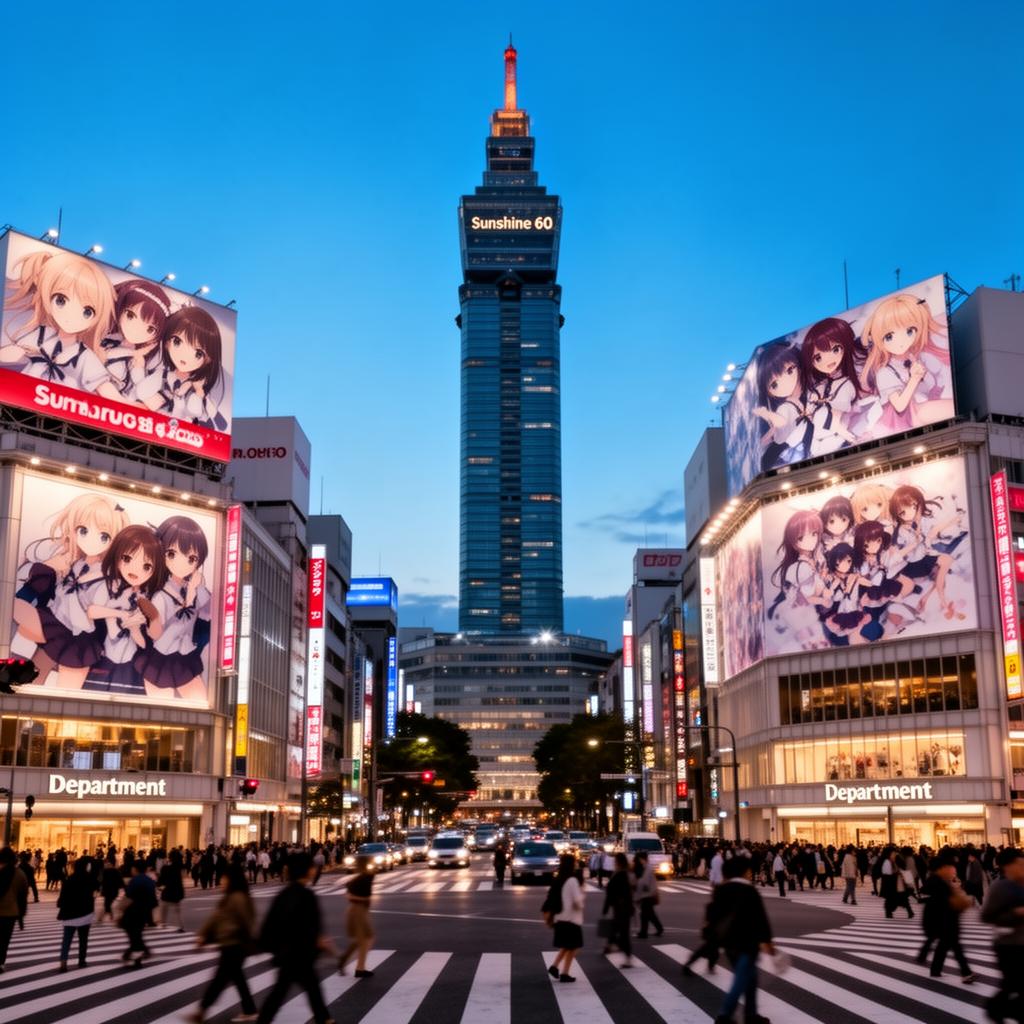
Sunshine City groups an aquarium, planetarium and NAMJATOWN indoor theme park in one complex, with a quieter feel away from the main station.
Best airport access
Shinjuku
Shinjuku has direct Narita Express service and Airport Limousine buses; Ikebukuro also has direct airport bus service, while rail routes to Narita and Haneda often involve a transfer.
Best for day trips
Shinjuku
Odakyu Romancecar to Hakone, JR Chuo to Mitaka and Kichijoji, plus a major highway bus terminal.
Side-by-side comparison
| Category | Shinjuku 新宿 | Ikebukuro 池袋 |
|---|---|---|
| Atmosphere | Neon, skyscrapers, crowds — the loudest side of Tokyo | Busy and practical, less polished and more local |
| Hotels | Everything from capsules to skyscraper five-stars | Strong business and mid-range choice; little true luxury |
| Typical price | Higher — you pay for the location | Usually cheaper for the same standard of room |
| Transport | JR Yamanote, Chuo, Sobu, Saikyo · Odakyu · Keio · 3 subway lines | JR Yamanote, Saikyo, Shonan-Shinjuku · Marunouchi, Yurakucho, Fukutoshin |
| Airport access | Narita Express direct · Airport Limousine to both airports | Airport Limousine buses · rail routes via Nippori or Shinagawa |
| Nightlife | Kabukicho, Golden Gai, Omoide Yokocho — busy until dawn | Izakaya and karaoke, mostly local rather than international |
| Shopping | Isetan, Lumine, Takashimaya, electronics and discount stores | Seibu, Tobu, Sunshine City, Animate and anime specialists |
| Food scene | Widest range in Tokyo, from fine dining to ramen alleys | Dense and affordable — ramen streets and huge depachika |
| Families | Shinjuku Gyoen nearby, but crowded and loud at night | Sunshine City aquarium and planetarium; calmer evenings |
| Sightseeing | TMG observatories, Shinjuku Gyoen, Kabukicho | Sunshine 60 observatory, Otome Road, Metropolitan Theatre |
| Day trips | Hakone by Romancecar; Chuo Line west | Kawagoe by Tobu Tojo Line; Chichibu by Seibu |
| Safety | Very safe overall; touts in Kabukicho late at night | Very safe; east-exit streets can feel rough late |
Shinjuku vs Ikebukuro in detail
Which area has the better atmosphere?
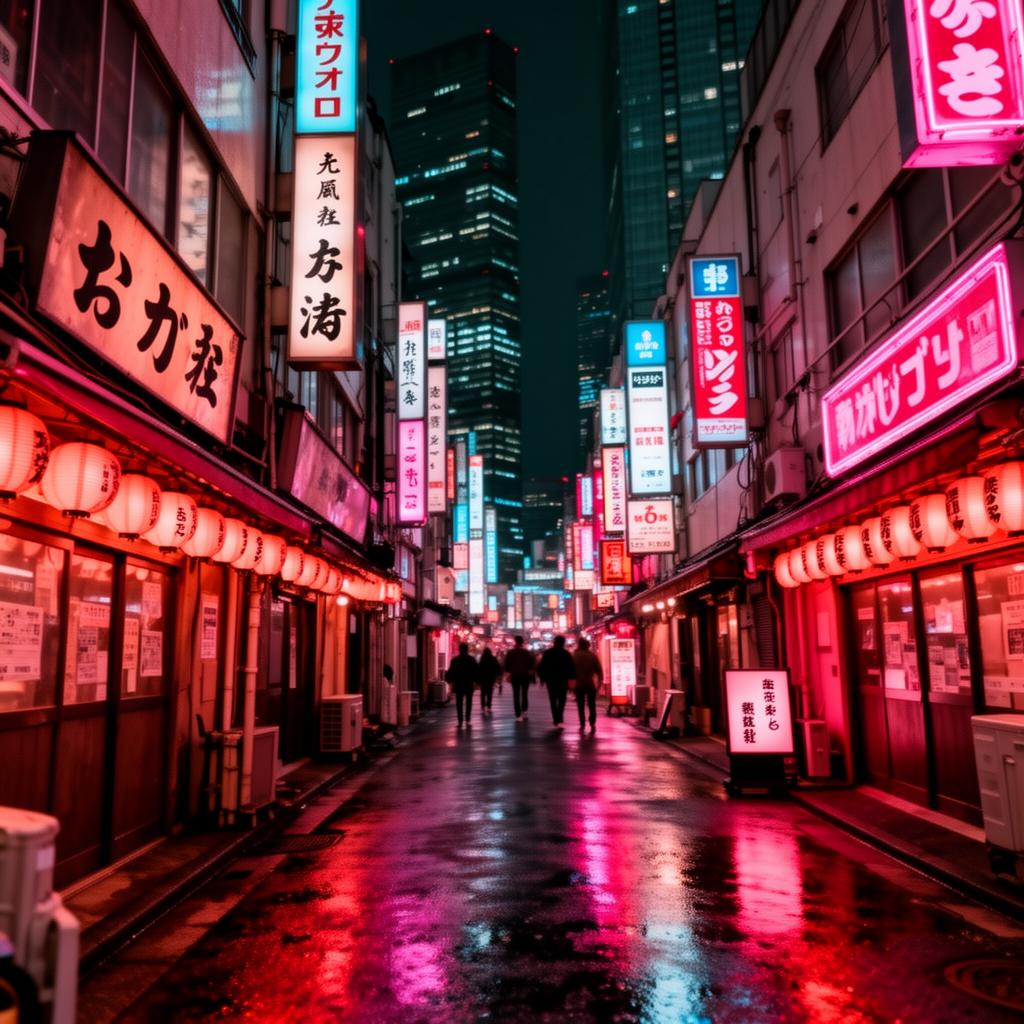
Shinjuku has the neon of Kabukicho, the skyscrapers of Nishi-Shinjuku and one of Tokyo's largest station hubs. It is exciting and convenient, but it is also busy, crowded and not the best choice if you want a quiet base.
Ikebukuro has a similar big-hub feel, with department stores, arcades and covered shopping streets. It generally feels more everyday and less tourism-focused than Shinjuku. Choose Shinjuku for a busier, more entertainment-heavy base; choose Ikebukuro for a slightly calmer feel with excellent transport and shopping.
Which area has better transport?
Shinjuku has the stronger transport network. Guinness World Records lists Shinjuku as the world's busiest railway station when subway passengers are included. The hub combines JR Yamanote, Chuo, Sobu and Saikyo services with Odakyu, Keio, Tokyo Metro Marunouchi and Toei Oedo and Shinjuku lines. Many major parts of Tokyo are reachable directly, and long-distance buses leave from Busta Shinjuku.
Ikebukuro is also an excellent transport hub: JR Yamanote, Saikyo and Shonan-Shinjuku services plus the Marunouchi, Yurakucho and Fukutoshin subway lines. Shinjuku is about 4–5 minutes away by JR, Shibuya about 10 minutes, and Tokyo Station roughly 17 minutes on the Marunouchi Line, depending on the service.
Which area has better hotels?
Shinjuku has the wider range of hotel categories. You can find capsules and hostels, business hotels and several established luxury hotels in Nishi-Shinjuku, including major international and Japanese brands. If a five-star stay and a skyline-oriented hotel are priorities, Shinjuku gives you more choice.
Ikebukuro has a particularly strong selection of business and mid-range hotels, plus capsules and several higher-end options. Comparable rooms can often be cheaper than in Shinjuku, but Shinjuku offers a broader selection at the luxury end.
Which area is cheaper?
Ikebukuro is generally the better value of the two, although hotel prices vary by date and demand. Comparable rooms are often cheaper than in Shinjuku, and the area has plenty of affordable ramen, izakaya and department-store food options.
Shinjuku still has budget accommodation, but prices can rise sharply on busy dates. If price is the deciding factor, our guide to the best areas to stay in Tokyo on a budget puts Ikebukuro alongside Ueno, Asakusa, Kanda and Ningyōchō.
Which area is better for food?
Shinjuku has an exceptionally broad range: high-end sushi and kaiseki, department-store food halls at Isetan and Takashimaya, the yakitori counters of Omoide Yokocho and a large choice of izakaya. It is a strong choice if you want many different dining styles in one area.
Ikebukuro has a strong affordable-food scene, especially ramen, and the Seibu and Tobu department-store food halls are extensive. For a deeper look at Tokyo's eating districts, see our guide to the best areas to stay in Tokyo for food lovers.
Which area is better for shopping?
Shinjuku covers a very broad shopping mix: Isetan for fashion, Lumine and NEWoMan around the station, Takashimaya to the south, Bic Camera and Yodobashi for electronics, and discount stores around Kabukicho.
Ikebukuro is particularly strong for anime and pop culture. Seibu and Tobu are major department stores, while the east side has Otome Road, the Animate Ikebukuro Flagship Store, K-Books and Pokémon Center Mega Tokyo. Our guide to the best areas to stay in Tokyo for shopping compares both in more detail.
Which area has better nightlife?
Shinjuku is one of Tokyo's main nightlife districts. Kabukicho stays active late, Golden Gai is known for its tiny bars, and Ni-chome is a major centre of the city's LGBTQ+ nightlife. The area also has a large choice of bars and restaurants aimed at visitors.
Ikebukuro also has a substantial night scene, with izakaya, karaoke, live houses and late-night ramen. It generally feels less tourism-focused than Kabukicho. Shinjuku is only a few minutes away by train if you want its larger nightlife district. See our Shinjuku vs Shibuya comparison for the other main nightlife matchup.
Which area is better for families?
Ikebukuro can be a convenient family base. Sunshine City brings together an aquarium, planetarium, NAMJATOWN and Pokémon Center Mega Tokyo in one large complex, making it useful in bad weather. Hotel prices can also be lower than comparable options in Shinjuku, although this varies by date.
Shinjuku offers Shinjuku Gyoen, the free Tokyo Metropolitan Government Building observation decks and excellent transport, but the streets around the station are crowded and Kabukicho is a nightlife district rather than a family-focused area. For more options, see our guide to the best areas to stay in Tokyo for families.
Which area has better airport access?
Shinjuku is generally easier for airport transfers. The Narita Express runs directly from Shinjuku Station, with the journey taking roughly 80–90 minutes depending on the service. Airport Limousine buses also serve Shinjuku from both Narita and Haneda, including stops at major hotels.
From Ikebukuro, a common rail route to Narita is JR to Nippori followed by the Keisei Skyliner; for Haneda, one option is the Yamanote Line to Shinagawa and then Keikyu. Exact journey times depend on the connection, but Ikebukuro also has Airport Limousine bus service, so a transfer is not always necessary.
Which area is better for day trips?
Shinjuku is one of the most useful day-trip bases in Tokyo. The Odakyu Romancecar runs direct from Shinjuku to Hakone-Yumoto, while the direct limited express Fuji Excursion runs from Shinjuku to Kawaguchiko via the JR Chuo and Fujikyu lines. Highway buses also serve the Fuji Five Lakes area, and the JR Chuo Line reaches Mitaka and Kichijoji quickly.
Ikebukuro has useful routes of its own: the Tobu Tojo Line to Kawagoe and the Seibu Ikebukuro Line towards Chichibu. For Hakone and many Fuji-area bus connections, Shinjuku is the more convenient starting point; for trips along the Chuo Line, Shinjuku is also the natural hub.
Final recommendation
Choose Shinjuku if…
- ✓It is your first trip and you want everything in reach
- ✓Nightlife, bars and late dining matter to you
- ✓You want a luxury or skyline-view hotel
- ✓You plan day trips to Hakone, the Fuji area or Kichijoji
- ✓You want the Narita Express or airport buses from your own station
- ✓You want the widest possible choice of restaurants
Choose Ikebukuro if…
- ✓You want Yamanote-line convenience at a lower price
- ✓You are travelling on a budget or staying longer
- ✓Anime, manga and pop culture are part of the trip
- ✓You are travelling with children and like Sunshine City
- ✓You prefer a calmer, more local base near a big hub
- ✓You are happy to ride five minutes to Shinjuku when you need it
Frequently asked questions
Shinjuku or Ikebukuro — which is better for a first trip?+
Shinjuku for most first-time visitors. It has a huge transport network, a wide hotel choice and major shopping, nightlife and sightseeing areas. Ikebukuro can make more sense when budget, anime and pop culture, or a slightly less tourism-focused base are priorities.
Is Ikebukuro cheaper than Shinjuku?+
Usually. Comparable hotels are often cheaper in Ikebukuro, although prices vary by date and demand. That is why Ikebukuro appears in our guide to the best areas to stay in Tokyo on a budget while Shinjuku does not.
How far is Ikebukuro from Shinjuku?+
About four to five minutes by JR Yamanote or Saikyo Line — two stops. Trains run every few minutes, so staying in Ikebukuro barely costs you any time when you want to be in Shinjuku.
Is Ikebukuro safe at night?+
Yes, although normal big-city precautions still apply. Ikebukuro has busy drinking streets and some nightlife-related touting, but it is a mainstream residential and commercial district and is generally safe to walk around at night.
Which is better for anime fans?+
Ikebukuro. Otome Road, the flagship Animate store, K-Books and Pokémon Center Mega Tokyo are all near the east exit, and Akihabara is a straightforward ride away. Shinjuku has some shops but no comparable concentration.
Which is better for nightlife?+
Shinjuku. Kabukicho, Golden Gai, Omoide Yokocho and Ni-chome make it one of Tokyo's strongest choices for nightlife. Ikebukuro's scene is substantial but generally less tourism-focused.
Which is better for getting to the airport?+
Shinjuku is generally simpler by rail for Narita because the Narita Express runs directly from the station, and both Shinjuku and Ikebukuro have Airport Limousine bus options. From Ikebukuro, common rail routes to Narita use Nippori and the Skyliner, while Haneda routes can use Shinagawa and Keikyu.
Still undecided? Find your area
Use the interactive TokyoStayMap to filter Tokyo districts by airport access, budget, atmosphere, nightlife and family-friendliness — and see where to stay.
Keep exploring
Related Tokyo guides
More from the TokyoStayMap editorial series — pick the comparison that matches your trip.
Best areas for first-time visitors
The main hub guide — compare Shinjuku, Ueno, Shibuya, Ginza, Minato and Ningyōchō for a first Tokyo trip.
Read guideBest areas for nightlife
Shinjuku, Shibuya, Roppongi, Ebisu and Ginza compared for bars, clubs and late-night convenience.
Read guideBest areas for families
Family-friendly Tokyo areas with parks, apartment hotels, safety and easy transport for kids.
Read guideBest areas to stay on a budget
Ningyōchō, Ueno, Asakusa, Ikebukuro and Kanda — One of Tokyo's best value neighbourhoods for budget travellers.
Read guide