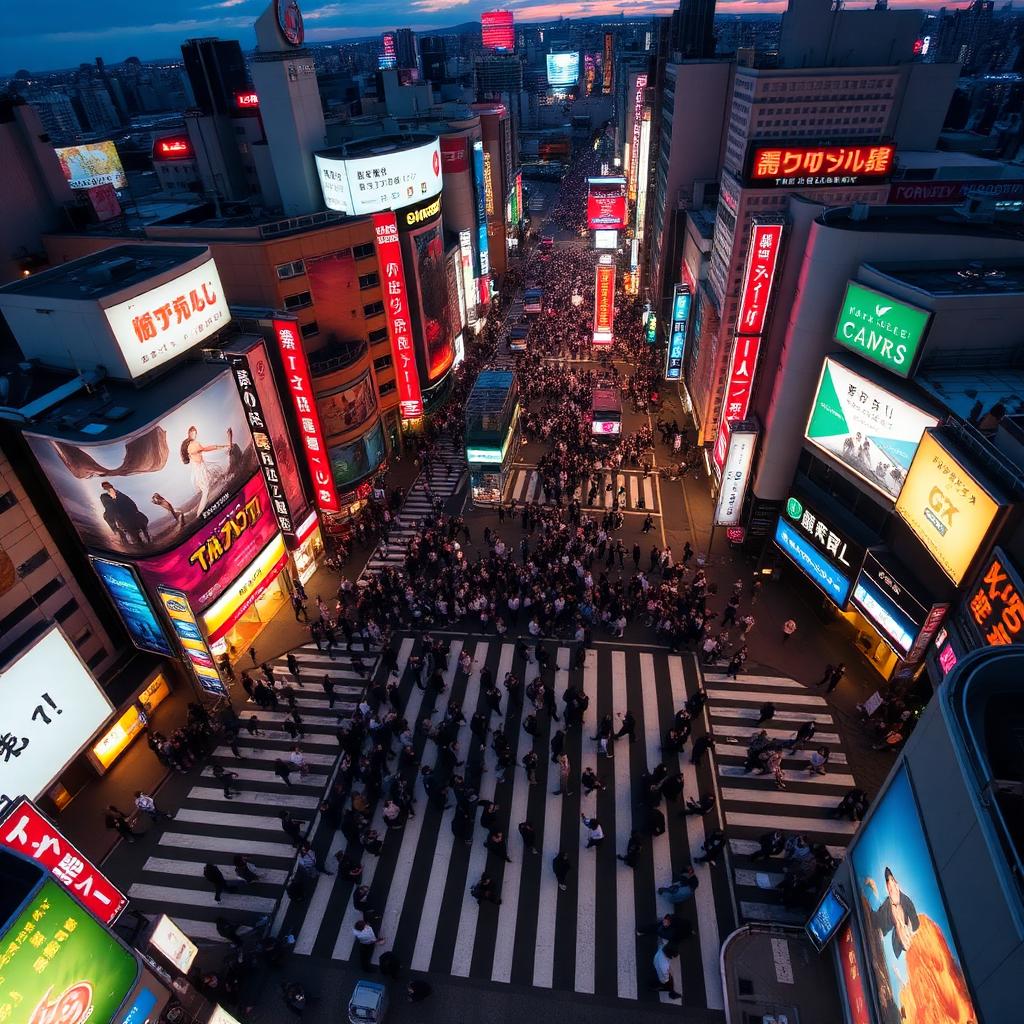
Shibuya Scramble Crossing渋谷スクランブル交差点
The world's busiest pedestrian crossing — up to 3,000 people cross at once under a wall of giant screens and neon billboards.
Tokyo neighborhood
Tokyo's youth-culture and fashion capital — the world-famous Scramble Crossing, Hachiko, Shibuya Sky views, Harajuku and Omotesando all within walking distance, plus direct Yamanote Line access to Shinjuku, Shinagawa and Tokyo Station.
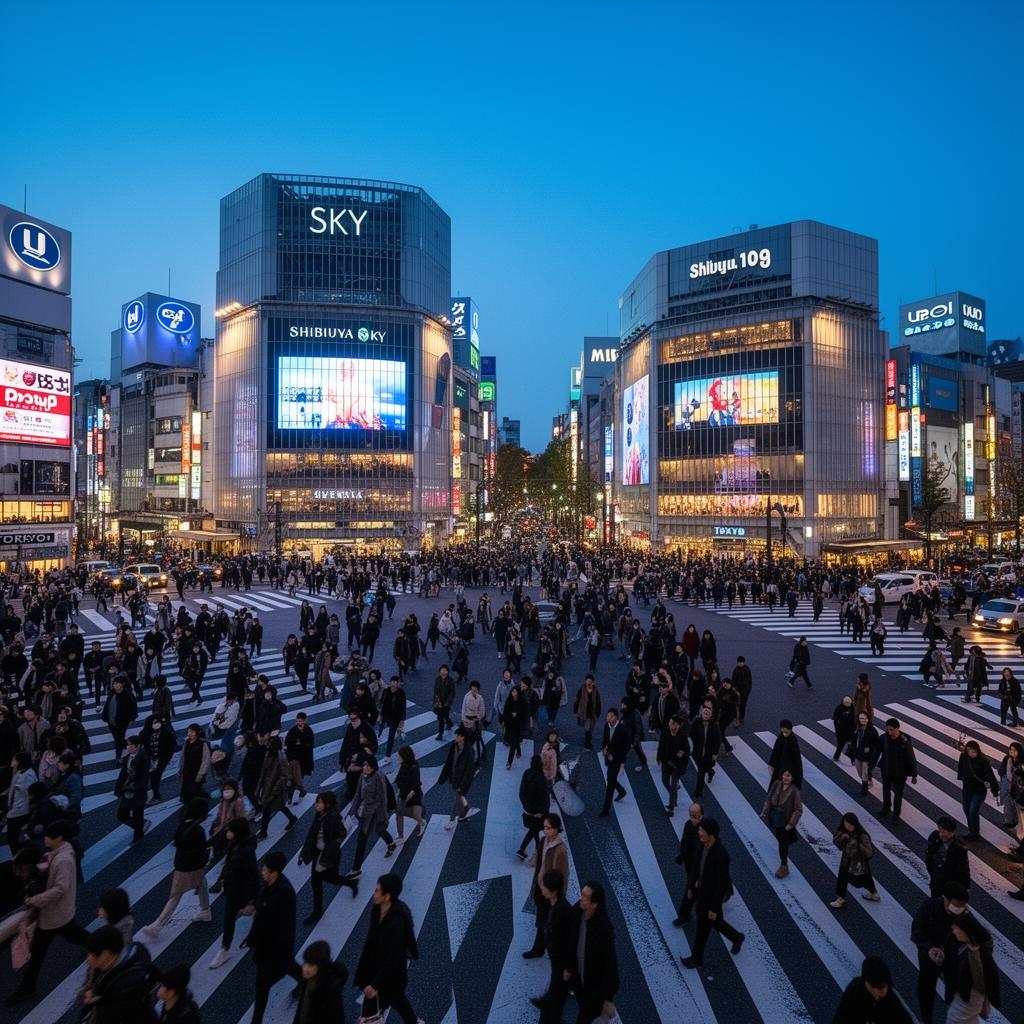
The most photogenic side of modern Tokyo — Scramble Crossing, Shibuya Sky and neon streets.
Yamanote Line hub with Ginza, Fukutoshin, Hanzomon and Keio Inokashira lines all connecting.
Walk to Harajuku, Omotesando, Daikanyama and Ebisu — Tokyo's densest cluster of trendy districts.
Everything from cheap ramen and izakaya on Center Gai to rooftop bars and Michelin-listed restaurants.
New generation of 4–5 star hotels: Shibuya Excel, Cerulean Tower, Trunk, Sequence Miyashita Park.
Meiji Jingu forest, Yoyogi Park and Cat Street give calmer, greener contrast just minutes away.
Best for
Couples, 20s–30s travellers, fashion, nightlife, repeat visitors
Budget
$$–$$$$ · mostly mid-range and upscale; fewer true budget options
Atmosphere
Young, loud, trend-driven — the visual centre of modern Tokyo
Airport access
Narita Express via Shibuya · Airport Limousine bus to Haneda & Narita
Transport
JR Yamanote, Saikyo, Shonan-Shinjuku · Ginza, Hanzomon, Fukutoshin · Keio Inokashira · Tokyu Toyoko / Den-en-toshi
Signature
Scramble Crossing, Hachiko, Shibuya Sky, Center Gai, Cat Street
A curated selection of hotels in Shibuya — from design-led boutique stays near Miyashita Park to 4–5 star towers around the station and calmer options near Shibuya Sky and Cat Street.
The world's busiest pedestrian crossing — up to 3,000 people cross at once under a wall of giant screens and neon billboards.
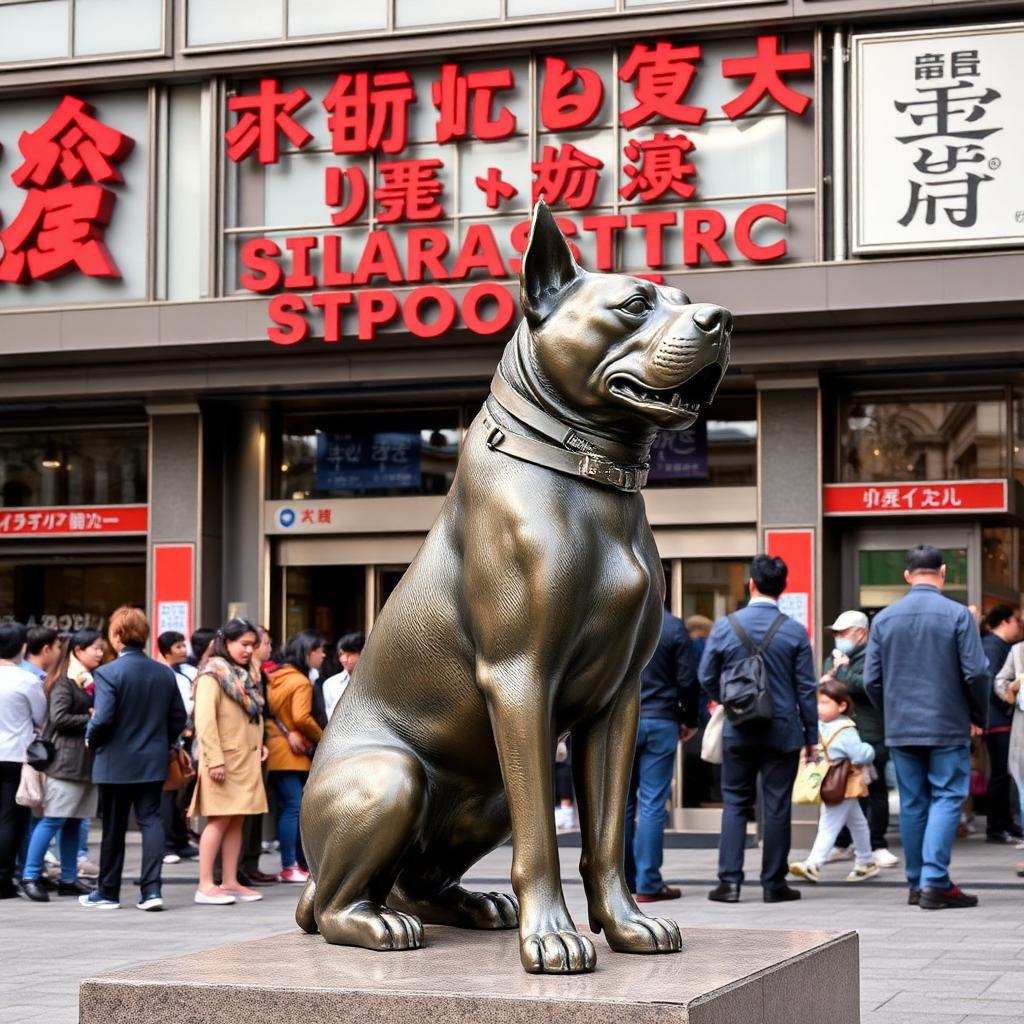
Bronze statue of Tokyo's most loyal dog outside Shibuya Station — the city's default meet-up spot and a must-see photo stop.
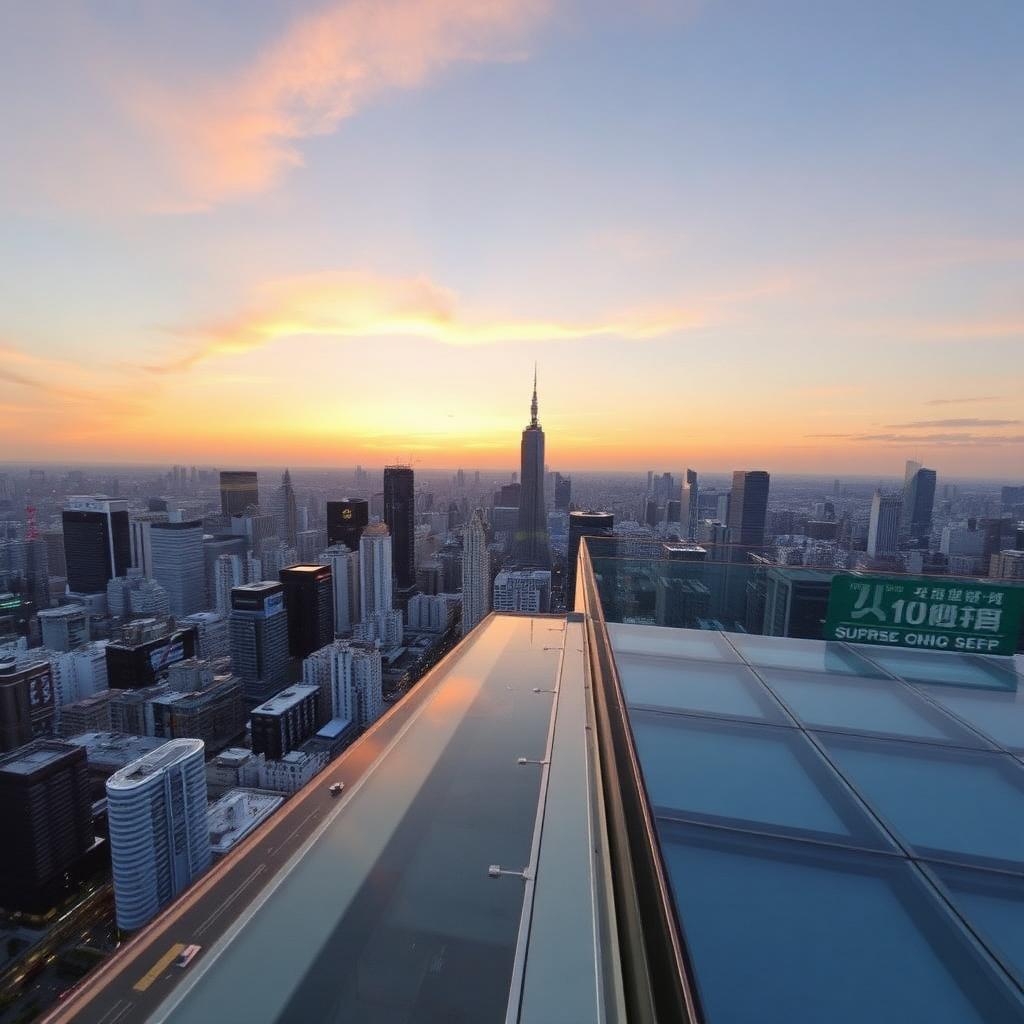
Open-air rooftop observation deck 230 m above Shibuya Scramble Square — arguably the best skyline view in Tokyo at sunset.
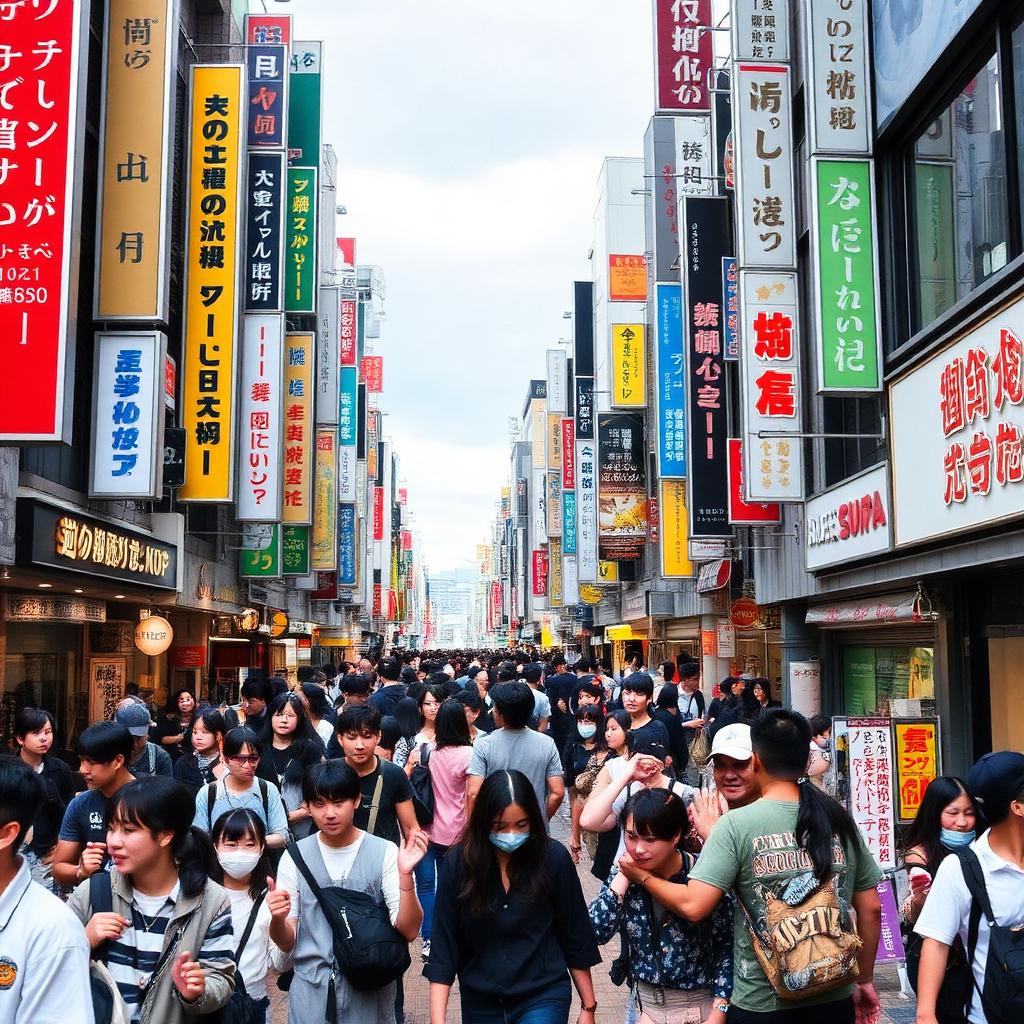
Shibuya's main pedestrian shopping and nightlife street — youth fashion, arcades, izakaya, ramen and karaoke stacked into every floor.
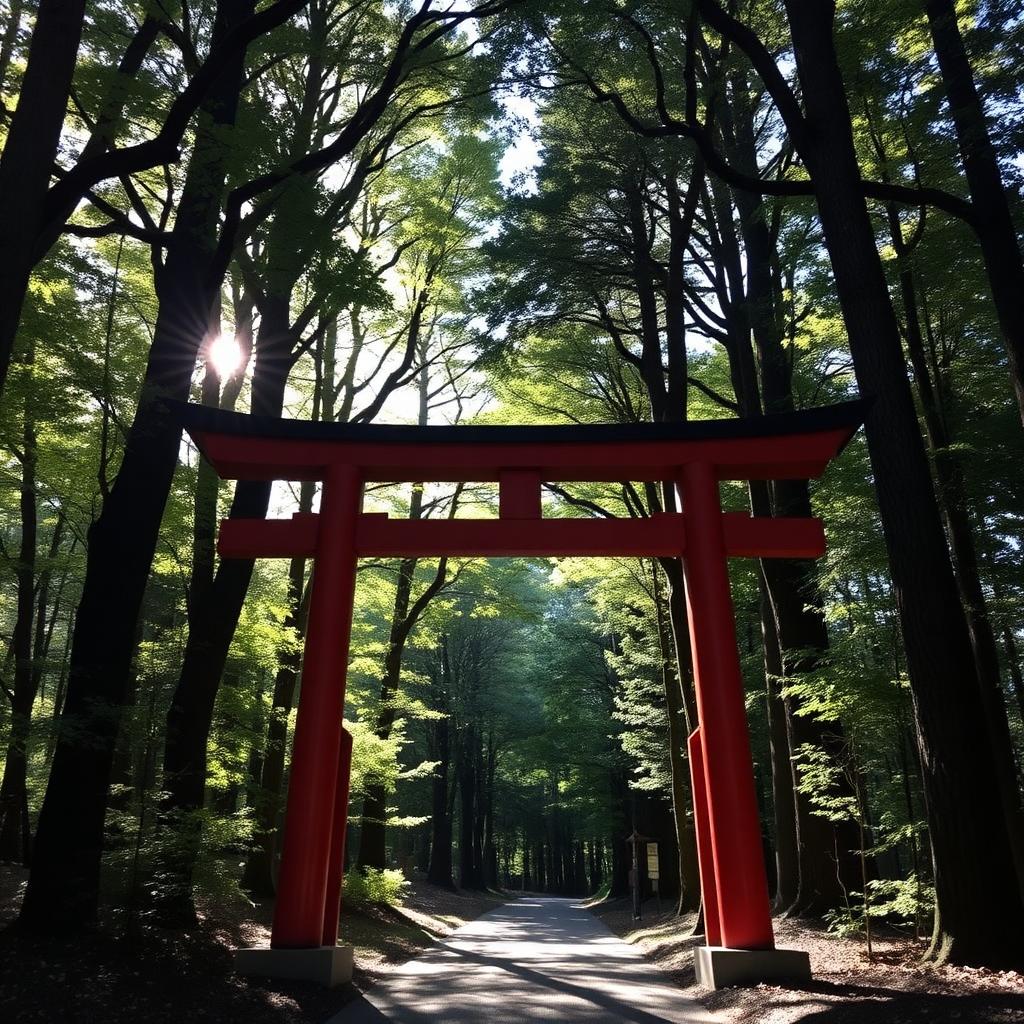
Tokyo's most important Shinto shrine, set in a 70-hectare forest between Shibuya and Harajuku — a calm, green counterpoint to the neon.
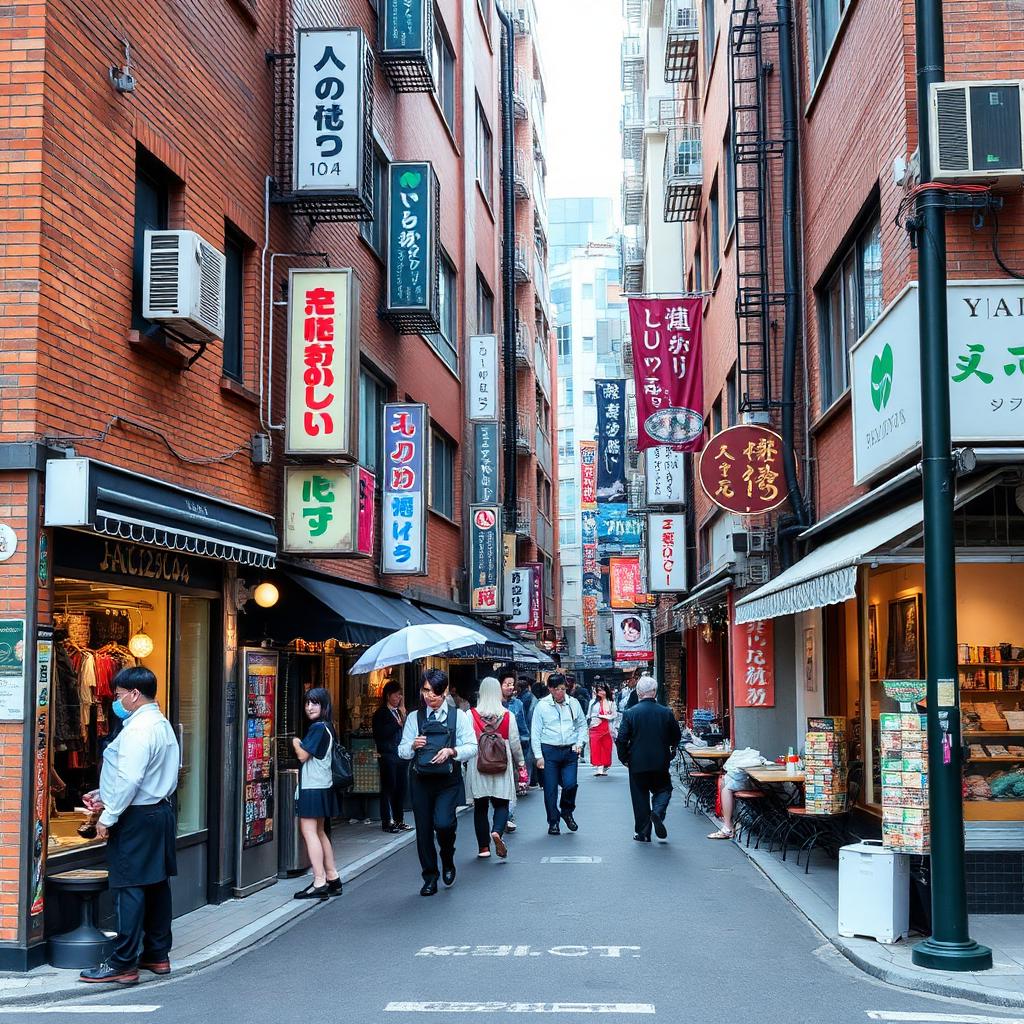
Backstreet boutique route linking Shibuya to Harajuku and Omotesando — vintage stores, sneakers, streetwear and design cafés.
Shibuya is a Yamanote Line stop, so you reach almost every major Tokyo hub in one train. It's the natural base for exploring west-side Tokyo and the Harajuku / Omotesando / Daikanyama area on foot.
| Narita Airport | Narita Express (N'EX) direct from Shibuya Station | ~75 min |
| Haneda Airport | Airport Limousine Bus · or Fukutoshin → Toei Asakusa via transfer | ~40–55 min |
| Shinjuku | JR Yamanote Line direct | ~7 min |
| Harajuku | JR Yamanote Line direct (or 15-min walk) | ~2 min |
| Tokyo Station | Ginza Line direct | ~17 min |
| Ginza | Ginza Line direct | ~15 min |
Bigger transport hub, wider hotel range and stronger nightlife — 7 minutes north on the Yamanote Line.
Refined luxury shopping and fine dining — Tokyo's grown-up alternative to Shibuya's youth energy.
One stop south on the Yamanote — calmer, foodie-focused and popular with couples for a quieter base near Shibuya.
Yes — especially for couples, 20s–30s travellers and repeat visitors. Shibuya is one of Tokyo's most iconic areas, with excellent Yamanote Line transport, walkable access to Harajuku and Omotesando, and a growing lineup of design-led hotels. The main trade-offs are crowds, fewer budget options and no direct airport train.
Shinjuku has more hotels, more transport lines and stronger nightlife breadth; it's the safer first-time pick. Shibuya is more fashion- and design-focused, walkable to Harajuku, and often preferred by couples and repeat visitors. See our Shinjuku vs Shibuya comparison for a full breakdown.
It's a great fit if you want a modern, photogenic base and don't mind crowds. Shinjuku still edges it for pure transport convenience, but Shibuya is easier to navigate on foot and puts Harajuku, Omotesando, Meiji Jingu and Ebisu within walking distance.
The Narita Express runs direct to Shibuya Station in around 75 minutes. From Haneda, the Airport Limousine Bus is the easiest door-to-hotel option; otherwise use the Keikyu Line to Shinagawa and change to the Yamanote Line.
Around Miyashita Park and the east exit puts you closest to the Scramble Crossing and Shibuya Sky. Sakuragaokacho (south of the station) is quieter and slightly cheaper. For a calmer, greener base, look at hotels toward Cat Street, Shoto or the Meiji Jingu / Yoyogi Park side.
Mostly mid-range to upscale. Expect to pay 10–20 % more than Ueno or Asakusa for the same star level. True budget hotels and hostels exist but are limited — for a stricter budget, base in Ueno, Asakusa or Ikebukuro and day-trip into Shibuya.
Very safe by international standards. Crowds are heavy around Center Gai and the Scramble Crossing until late, but violent crime is rare. The usual advice applies: ignore street touts near Dogenzaka, and stick to well-lit main streets.
Excellent. Shibuya Scramble Square, Hikarie, Parco, 109 and Miyashita Park cover mid-range and design brands, while a 10-minute walk through Cat Street reaches Harajuku streetwear and Omotesando luxury flagships.
Keep exploring
Editorial guides where Shibuya is one of the recommended areas — pick the angle that matches your trip.
Shibuya, Ebisu/Nakameguro, Ginza, Asakusa and Shinjuku — One of Tokyo's best neighbourhoods for couples, romance and luxury stays.
Read guideShinjuku, Shibuya, Roppongi, Ebisu and Ginza compared for bars, clubs and late-night convenience.
Read guideThe main hub guide — compare Shinjuku, Ueno, Shibuya, Ginza, Minato and Ningyōchō for a first Tokyo trip.
Read guideA direct head-to-head comparison of Tokyo's two biggest western hubs — transport, nightlife and hotels.
Read guideNeon energy or refined elegance? Compare Shibuya and Ginza for hotels, prices, food, shopping and nightlife.
Read guideGinza, Shibuya, Shinjuku, Ikebukuro and Asakusa — where to base yourself for luxury, fashion, anime or craft shopping.
Read guideBunkyō, Shinjuku, Shibuya, Minato and Ueno — where to base yourself for momiji gardens and golden ginkgo avenues in November.
Read guide