Quick comparison: Shibuya vs Ginza at a glance
If you only have 30 seconds, here is how the two areas compare across the categories travellers ask about most.
See also: best areas for first-time visitors, shinjuku vs shibuya and ginza vs shinjuku.
Best for first-time visitors
Shibuya
Iconic sights, high energy and walkable access to Harajuku, Omotesando and Yoyogi Park make Shibuya an easy first base.
Best luxury hotels
Ginza
Ginza has a particularly strong selection of luxury and upper mid-range hotels, with some within easy reach of Tokyo Station.
Best budget and mid-range hotels
Shibuya
More hostels, business hotels and mid-range options across a wider price range.
Best transport
Shibuya
JR Yamanote, Saikyo and Shonan-Shinjuku lines, three Tokyo Metro lines and two Tokyu lines.
Best for nightlife
Shibuya
Clubs, rooftop bars, yokocho alleys and restaurants open long past midnight.
Best fine dining
Ginza
Sushi counters, kaiseki, Michelin-starred restaurants and department store food halls.
Best luxury shopping
Ginza
Chuo-dori flagships, Ginza Six, Mitsukoshi and Matsuya in one walkable stretch.
Best fashion and streetwear
Shibuya
Scramble Square, Parco, 109, Miyashita Park and Cat Street towards Harajuku.
Best for couples
Ginza
Quiet streets, elegant restaurants and calm evenings suit a slower, romantic trip.
Best for families
Ginza
Wider pavements, quieter nights, larger rooms and easy access to parks and Tokyo Station.
Best airport access
Ginza
Tokyo Station is one subway stop from Ginza, where you can board the Narita Express, while some Asakusa Line services run through to Haneda from nearby Higashi-Ginza.
Best value for money
Shibuya
Mid-range hotel prices and casual dining make Shibuya the cheaper base overall.
Side-by-side comparison
| Category | Shibuya 渋谷 | Ginza 銀座 |
|---|---|---|
| Atmosphere | Young, busy, neon and fast-paced | Elegant, calm, polished and upscale |
| Hotels | Wide range from hostels to design hotels; strong mid-range | Mostly upper mid-range and luxury; few budget options |
| Typical price | Mid-range; good value for central Tokyo | Expensive; premium for the location and hotel standard |
| Transport | JR Yamanote, Saikyo, Shonan-Shinjuku, 3 metro lines, 2 Tokyu lines | 3 Tokyo Metro lines; Tokyo Station and Yurakucho nearby |
| Airport access | Direct Narita Express; Haneda via Shinagawa and Keikyu | Tokyo Station for the Narita Express; Asakusa Line through-services to Haneda |
| Nightlife | Clubs, rooftop bars, yokocho, late dining | Cocktail bars, hotel lounges, quiet after dinner |
| Shopping | Fashion, streetwear, design; Scramble Square, Parco, Cat Street | Luxury flagships, Ginza Six, Mitsukoshi, Matsuya |
| Food scene | Ramen, yakitori, izakaya, cafés; casual and affordable | Sushi, kaiseki, Michelin dining, department store food halls |
| Families | Busy streets, smaller rooms; Yoyogi Park nearby | Calmer streets, larger rooms, gardens nearby |
| Sightseeing | Scramble Crossing, Shibuya Sky, Meiji Shrine, Harajuku | Hamarikyu Gardens, Imperial Palace East Gardens, Kabukiza |
| Day trips | Yokohama, Kamakura, Hakone via Shinjuku | Shinkansen from Tokyo Station; Tokyo Disney Resort |
| Safety | Generally safe; crowded and noisy at night | Generally safe and noticeably quieter in the evenings |
Shibuya vs Ginza in detail
Which area has the better atmosphere?
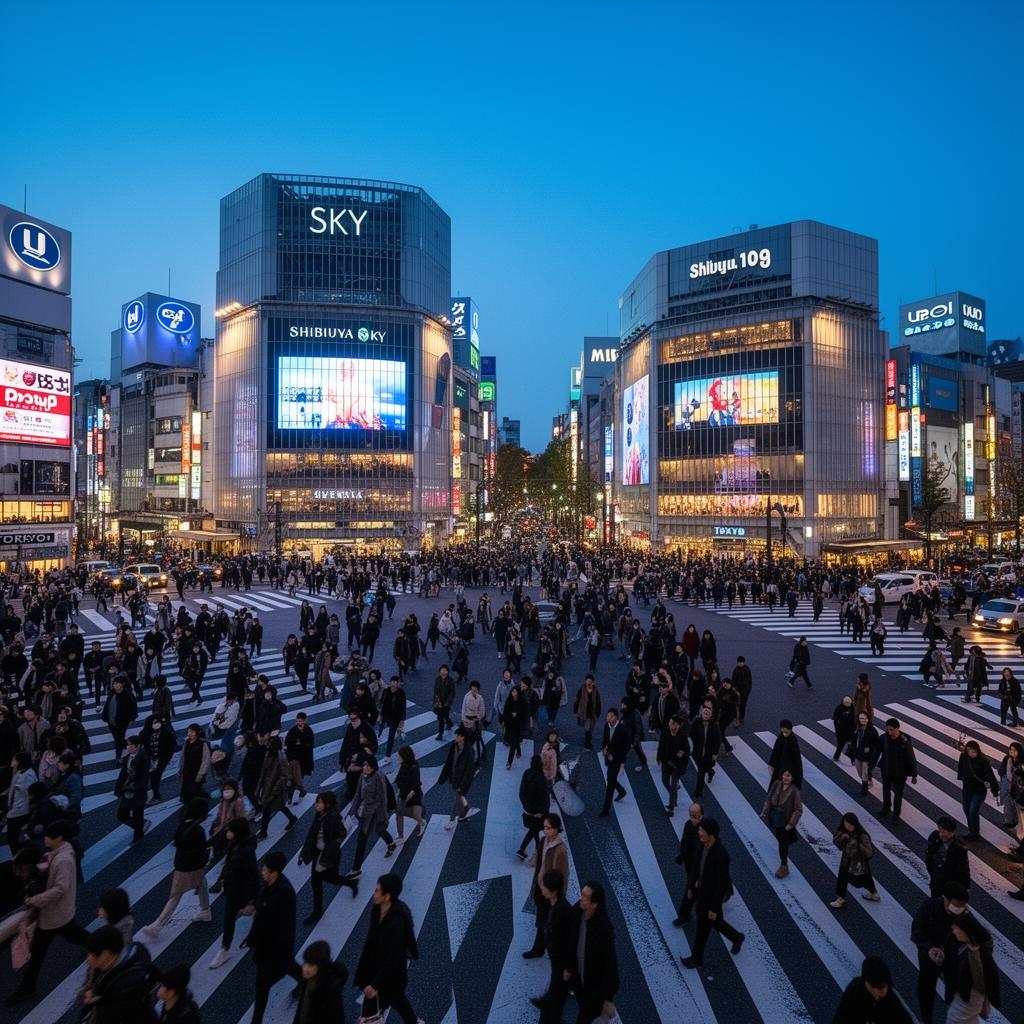
Shibuya is the Tokyo most people picture before they arrive: the Scramble Crossing, giant screens, crowds moving in every direction and side streets full of bars and shops. It is lively and noisy around the station, with plenty still happening late into the evening.
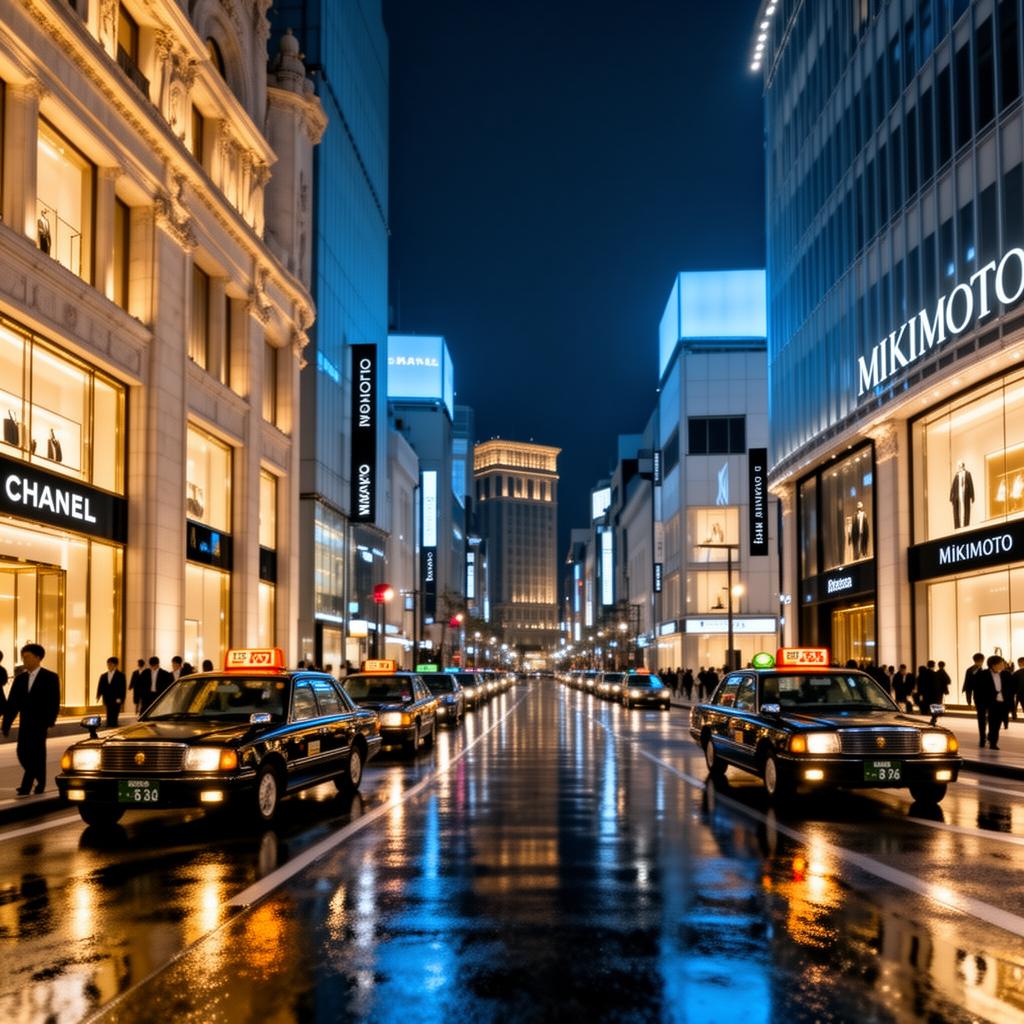
Ginza feels very different. Wide streets, department stores and polished shopping areas give it a more refined feel, while the streets are generally quieter in the evening. On weekends and public holidays, parts of Chuo-dori close to traffic and become pedestrian-only. Choose Ginza for a calmer base; choose Shibuya if you want to stay close to the action.
Which area has better transport?
Shibuya has more railway and subway connections. The JR Yamanote, Saikyo and Shonan-Shinjuku lines, three Tokyo Metro lines, and the Tokyu Toyoko and Den-en-toshi lines serve the station, making it especially convenient for western and south-western Tokyo.
Ginza has three Tokyo Metro lines at Ginza Station and is within walking distance of Yurakucho and Tokyo Station. Tokyo Station is useful for shinkansen services and the Narita Express. Shibuya wins on the number of lines; Ginza is particularly convenient for central and eastern Tokyo.
Which area has better hotels?
Ginza has the stronger luxury selection. International brands and Japanese upscale hotels are well represented around Ginza and Higashi-Ginza, although prices are generally high. Budget options exist, but the choice is smaller than in many other central areas.
Shibuya covers a wider price range. Hostels, business hotels, design hotels and newer properties around the station give you more choice, particularly in the budget and mid-range segments.
Which area is cheaper?
Shibuya is usually the easier choice for a lower hotel budget. You will find more budget and mid-range rooms, plus a large selection of casual restaurants, chains and konbini.
Ginza is a premium district, with a strong concentration of upscale hotels, restaurants and shopping. If budget matters most, our guide to the best areas to stay in Tokyo on a budget covers cheaper alternatives.
Which area is better for food?
Ginza is particularly strong for fine dining. Sushi counters, kaiseki, tempura specialists and many Michelin-starred restaurants sit alongside the department-store food halls at Mitsukoshi and Matsuya, which are worth visiting even without a restaurant reservation.
Shibuya is better suited to casual eating and late-night options. Ramen, yakitori, curry, izakaya, small bars in Nonbei Yokocho and modern cafés around Cat Street cover a wide range of styles, with plenty of less formal choices.
Which area is better for shopping?
Ginza is Tokyo’s best-known luxury shopping district. Ginza Six, Mitsukoshi, Wako, Matsuya and major luxury brand flagships cluster around Chuo-dori. The area also has large Uniqlo and MUJI stores, so you do not need a luxury-shopping budget to enjoy it.
Shibuya is stronger for fashion, streetwear and contemporary shopping. Scramble Square, Hikarie, Parco, 109 and Miyashita Park are around the station, while Cat Street leads towards Harajuku and Omotesando.
Which area has better nightlife?
Shibuya has the stronger late-night scene. Clubs around Dogenzaka, bars, izakaya and restaurants that stay open late make it one of Tokyo’s main nightlife areas. If you plan to stay out after the last train, staying nearby can reduce the need for a taxi.
Ginza’s nightlife is quieter and more focused on cocktail bars, hotel lounges and whisky bars. It suits a drink or dinner more than a long club night.
Which area is better for families?
Ginza is the easier family base for travellers who value quieter evenings and a less hectic environment. Hamarikyu Gardens, the Imperial Palace East Gardens and Tokyo Station are nearby, while department-store food halls can be convenient when travelling with children.
Shibuya can work well for families too: Yoyogi Park and Meiji Shrine are nearby, and some hotels offer family rooms. The station area is busy throughout the day and Dogenzaka is lively at night, so Ginza is the calmer choice if that matters to you.
Which area is better for airport access?
Ginza has a slight advantage. From Ginza Station, Tokyo Station is one stop on the Marunouchi Line, where you can board the Narita Express. From nearby Higashi-Ginza, some Toei Asakusa Line services continue directly to Haneda Airport, with journey times varying by service.
Shibuya has direct Narita Express departures, while Haneda is straightforward via Shinagawa and the Keikyu Line. Ginza is particularly convenient if you want either the Tokyo Station N’EX connection or the direct Asakusa Line connection from Higashi-Ginza.
Which area is better for day trips?
Ginza’s proximity to Tokyo Station is useful for long-distance trips. Tokyo Station is a major shinkansen hub, with services to destinations including Kyoto, Kanazawa and Sendai. The JR Keiyo and Musashino lines also connect Tokyo Station with Maihama for Tokyo Disney Resort.
Shibuya is convenient for the south-west. The Tokyu Toyoko Line runs to Yokohama with through-service to the Minatomirai Line, some Shonan-Shinjuku Line trains run directly to Kamakura, and Hakone is usually easiest via nearby Shinjuku and the Odakyu Romancecar.
Final recommendation
Choose Shibuya if…
- ✓You want a lively, unmistakably modern Tokyo experience
- ✓Nightlife, bars and late dining matter to your trip
- ✓You want a wider choice of budget and mid-range hotels
- ✓Walkable access to Harajuku, Omotesando and Yoyogi Park appeals
- ✓You want a large choice of railway and subway connections
- ✓You’re planning trips towards Yokohama, Kamakura or Hakone
Choose Ginza if…
- ✓You want luxury or upper mid-range hotels in a calmer setting
- ✓Fine dining and department-store food halls are a priority
- ✓Luxury shopping along Chuo-dori is part of the plan
- ✓You’re travelling as a couple and want quieter, more polished evenings
- ✓You want easy access to Tokyo Station and airport connections
- ✓You’re travelling with children and value a calmer base
Frequently asked questions
Is Shibuya or Ginza better for first-time visitors?+
Shibuya is a strong choice for a first trip if you want the Scramble Crossing, Shibuya Sky and easy access to Harajuku, Omotesando and Meiji Shrine. Ginza suits travellers who prefer a calmer base with fine dining, luxury shopping and easy access to Tokyo Station.
Which area is cheaper — Shibuya or Ginza?+
Shibuya generally offers more budget and mid-range options, including hostels and business hotels. Ginza has fewer budget choices and a stronger concentration of upper mid-range and luxury hotels, so it is usually the more expensive option.
Which area has better transport?+
Shibuya has more railway and subway connections, including the JR Yamanote, Saikyo and Shonan-Shinjuku lines, three Tokyo Metro lines and two Tokyu lines. Ginza has three Tokyo Metro lines and is close to Tokyo Station and Yurakucho. Shibuya wins on line count; Ginza is particularly convenient for central Tokyo and Tokyo Station.
Is Ginza a good area to stay in Tokyo?+
Yes — Ginza is a good choice if you want upscale hotels, quieter evenings, fine dining and convenient access to Tokyo Station and airport connections. The trade-off is price: budget accommodation is more limited, and the nightlife is more subdued than in Shibuya.
Not sure? Find your ideal area
Use the TokyoStayMap interactive map to filter Tokyo neighbourhoods by airport access, budget, atmosphere, nightlife and family-friendliness — and see exactly where to stay.
Keep exploring
Related Tokyo guides
More from the TokyoStayMap editorial series — pick the comparison that matches your trip.
Best areas for first-time visitors
The main hub guide — compare Shinjuku, Ueno, Shibuya, Ginza, Minato and Ningyōchō for a first Tokyo trip.
Read guideBest areas for nightlife
Shinjuku, Shibuya, Roppongi, Ebisu and Ginza compared for bars, clubs and late-night convenience.
Read guideBest areas for families
Family-friendly Tokyo areas with parks, apartment hotels, safety and easy transport for kids.
Read guideBest areas to stay on a budget
Ningyōchō, Ueno, Asakusa, Ikebukuro and Kanda — One of Tokyo's best value neighbourhoods for budget travellers.
Read guide