Quick overview: the five best Tokyo nightlife areas
If nightlife is your priority, you should stay in a Tokyo neighbourhood where bars, restaurants and clubs are within walking distance of your hotel and where it’s easy to get home after the last train.
This guide compares the best areas to stay in Tokyo for nightlife based on atmosphere, safety, transport convenience and late-night food and bar options. Shinjuku, Shibuya, Roppongi, Ebisu and Ginza each offer a completely different version of Tokyo after dark — from neon nightlife streets to refined cocktail bars.
See also: best areas for first-time visitors, shinjuku vs shibuya and ginza vs shinjuku.
The best Tokyo areas for nightlife
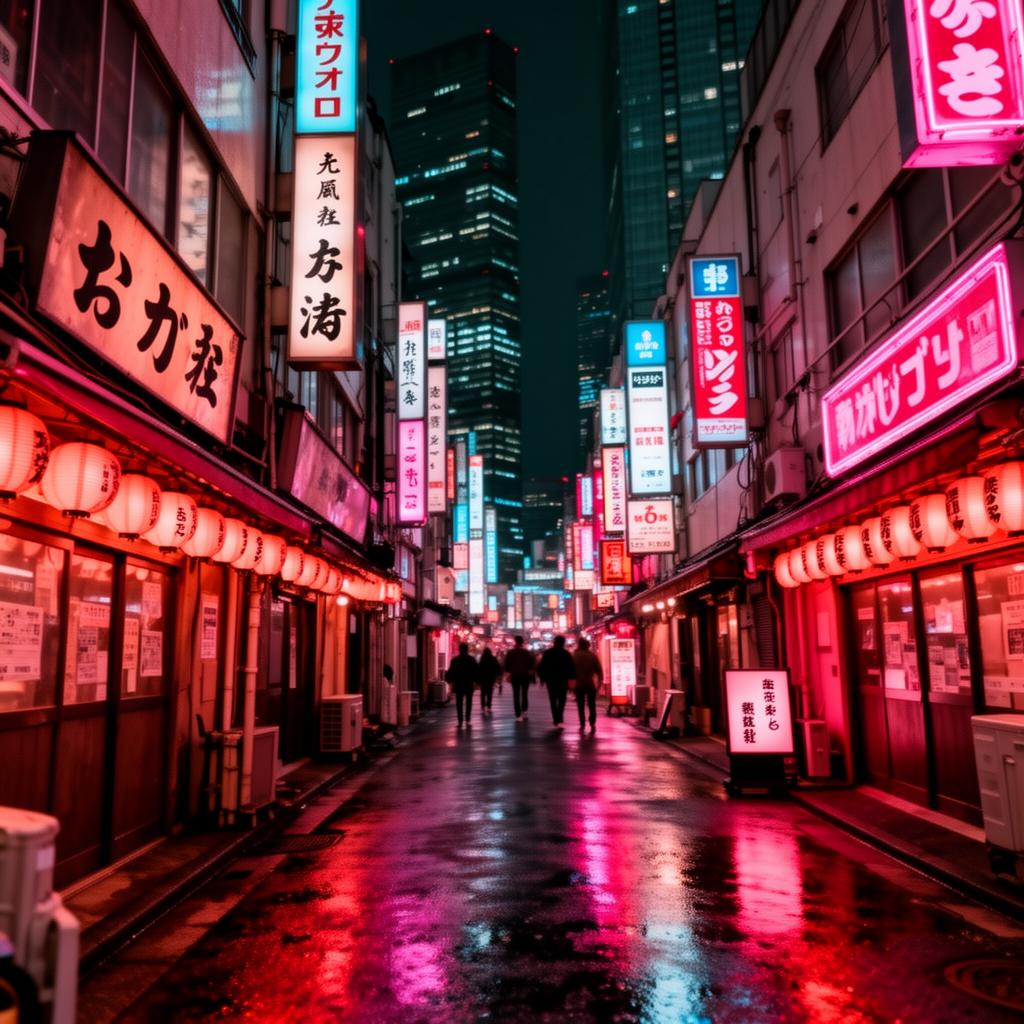
Shinjuku 新宿
- Best for
- Travelers who want the full neon-Tokyo nightlife experience — izakayas, tiny bars, clubs and karaoke all within walking distance.
- Atmosphere
- Loud, electric and cinematic. Kabukicho's neon streets, the cramped alleys of Golden Gai and the queer bars of Shinjuku Ni-chome give Shinjuku Tokyo's most varied after-dark atmosphere.
- Transport
- Shinjuku Station is the busiest train hub in the world, with JR, subway and private lines running until around 00:30. Plenty of late-night taxis and a dense bus network make getting home easy.
- Airport access
- Direct Narita Express to Narita Airport and frequent limousine buses to Haneda from major hotels.
- Price level
- Mostly mid-range and upscale hotels, with cheaper business hotels around Higashi-Shinjuku and Shin-Okubo.
Pros
- +Tokyo's biggest concentration of bars, clubs and izakayas
- +Golden Gai and Omoide Yokocho for atmospheric drinking
- +Open very late — many bars run until 5am
- +Excellent transport for getting back to your hotel
Cons
- −Kabukicho can feel intense and touristy in places
- −Some bars charge cover or seating fees — check before sitting down
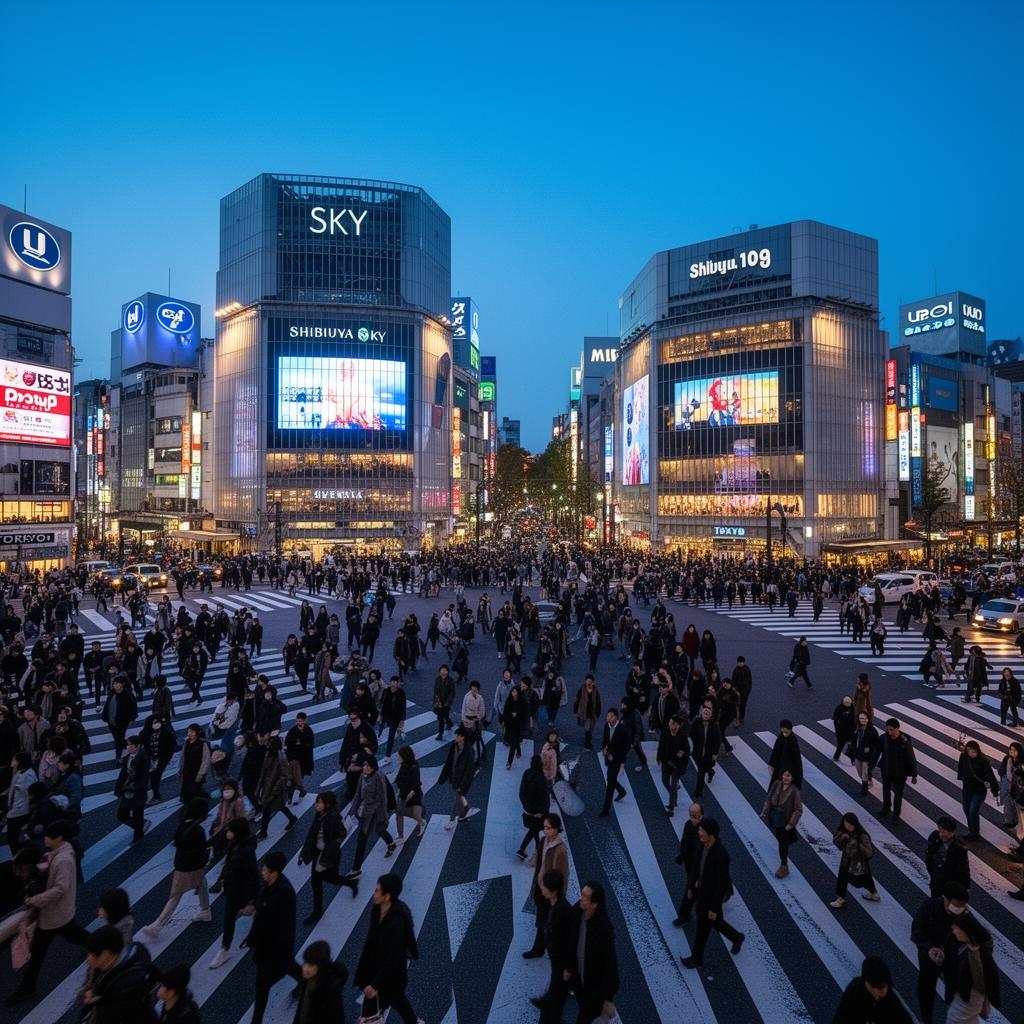
Shibuya 渋谷
- Best for
- Younger travelers and club-goers who want trendy bars, music venues and the busiest crossing in the world right outside the hotel.
- Atmosphere
- Energetic, youthful and modern. Shibuya's nightlife centres on rooftop bars, dance clubs around Dogenzaka, craft beer spots and late-night ramen — all set against constant neon and crowds.
- Transport
- Shibuya Station serves the JR Yamanote Line and multiple subway and private lines. Last trains run around midnight, with abundant taxis and night buses afterwards.
- Airport access
- Frequent limousine buses to both Haneda and Narita from Shibuya-area hotels.
- Price level
- Mostly mid-range to upscale hotels; budget options are limited in central Shibuya.
Pros
- +Best area for clubs and live music in Tokyo
- +Lots of rooftop bars and stylish lounges
- +Walkable to Harajuku and Daikanyama nightlife
- +Plenty of late-night food
Cons
- −Very crowded on Friday and Saturday nights
- −Hotels near the station can be noisy
- −Fewer traditional izakayas than Shinjuku
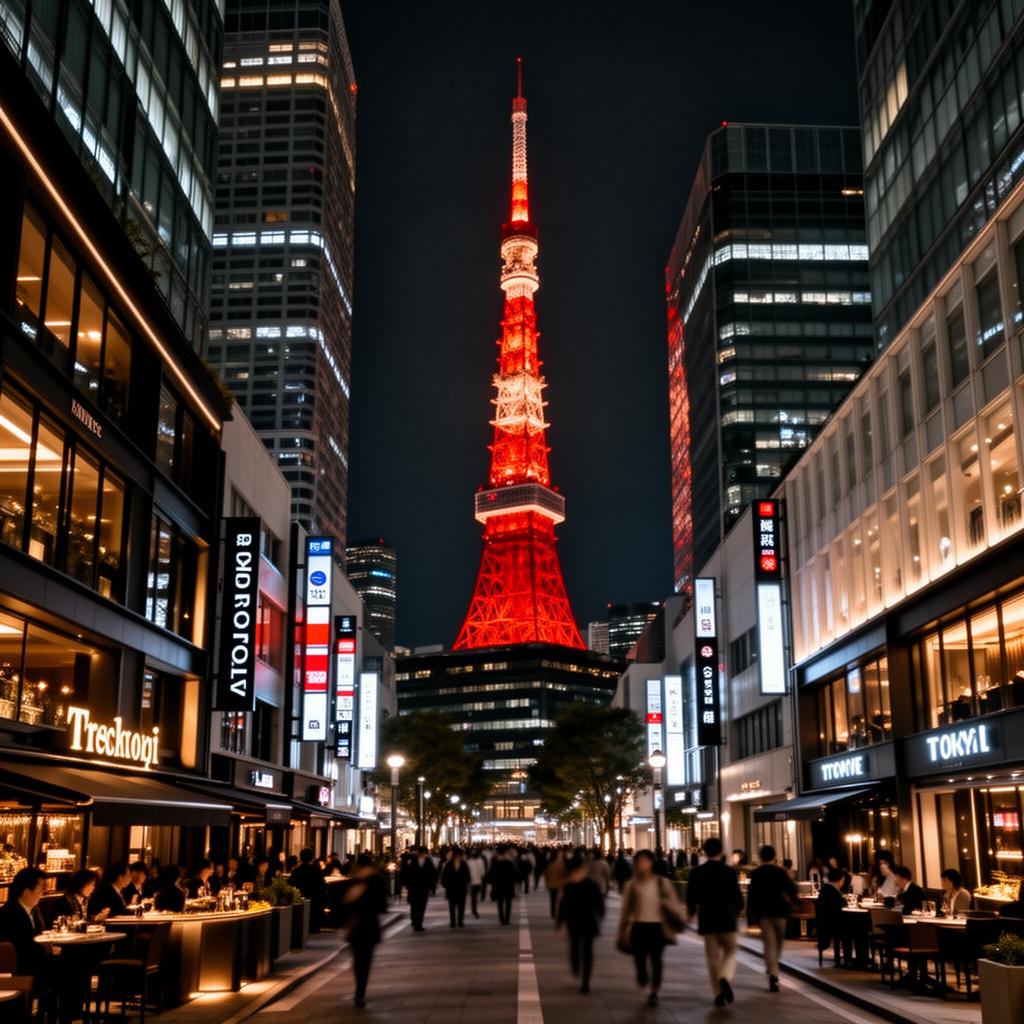
Roppongi 六本木
- Best for
- International travelers who want late-night clubs, English-friendly bars and a nightlife district that runs until sunrise.
- Atmosphere
- International, glossy and late. Roppongi is Tokyo's most expat-friendly nightlife area — high-end clubs, sports bars, sky lounges in Roppongi Hills and Tokyo Midtown, and crowded streets that stay busy long after the trains stop.
- Transport
- Hibiya Line and Oedo Line subways run until about midnight. Taxis are easy to find at any hour, and the area is one of the few in Tokyo where nightlife genuinely runs until first train.
- Airport access
- Excellent direct access to Haneda Airport via the Oedo Line and limousine buses; Narita is reachable via Tokyo Station.
- Price level
- Mostly upscale and luxury hotels around Roppongi Hills, Toranomon and Akasaka, with a few mid-range options.
Pros
- +Best area in Tokyo for late-night clubs
- +Many English-speaking bars and restaurants
- +Very close to Haneda Airport
- +Upscale sky lounges with city views
Cons
- −Some streets feel pushy with bar touts — ignore and walk on
- −More expensive than other nightlife areas
- −Less traditional Japanese atmosphere
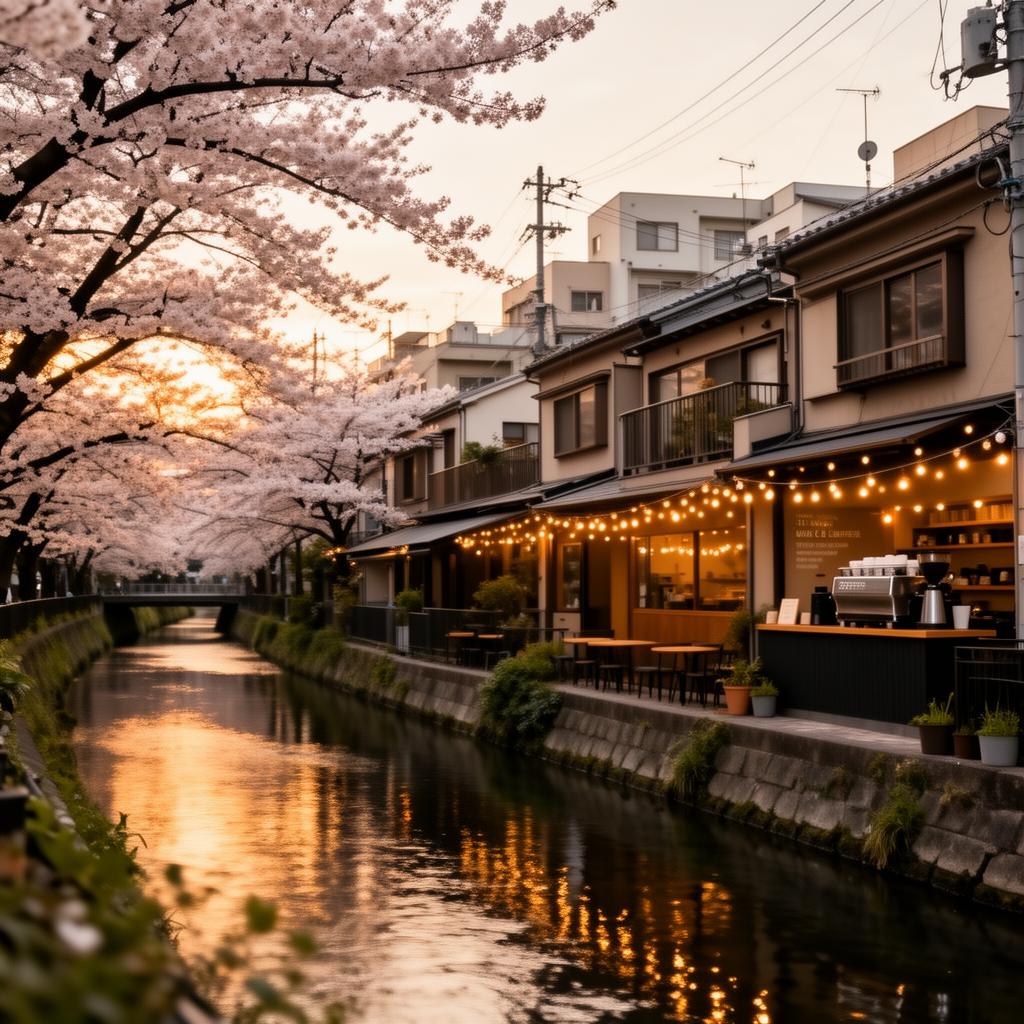
Ebisu 恵比寿
- Best for
- Travelers who want a calmer, more grown-up night out — craft cocktails, wine bars and excellent restaurants without the chaos of Shinjuku.
- Atmosphere
- Stylish, relaxed and local. Ebisu is a favourite among Tokyo residents for its dense mix of intimate izakayas, natural wine bars, French bistros and small whisky bars tucked into quiet side streets.
- Transport
- JR Yamanote Line and Hibiya Line stop here, with quick connections to Shibuya, Shinjuku and central Tokyo. Last trains around midnight, with plenty of taxis available.
- Airport access
- Easy access to both Haneda (via Shinagawa) and Narita (via Tokyo Station or limousine bus).
- Price level
- Mostly mid-range to upscale boutique hotels and design-led stays; few budget options.
Pros
- +Excellent restaurants and cocktail bars
- +Quieter and safer than Shinjuku or Roppongi
- +Loved by locals, less touristy
- +Quick train to Shibuya for bigger nights out
Cons
- −Smaller nightlife footprint than Shinjuku or Shibuya
- −Most venues close by 1–2am
- −Limited dance clubs
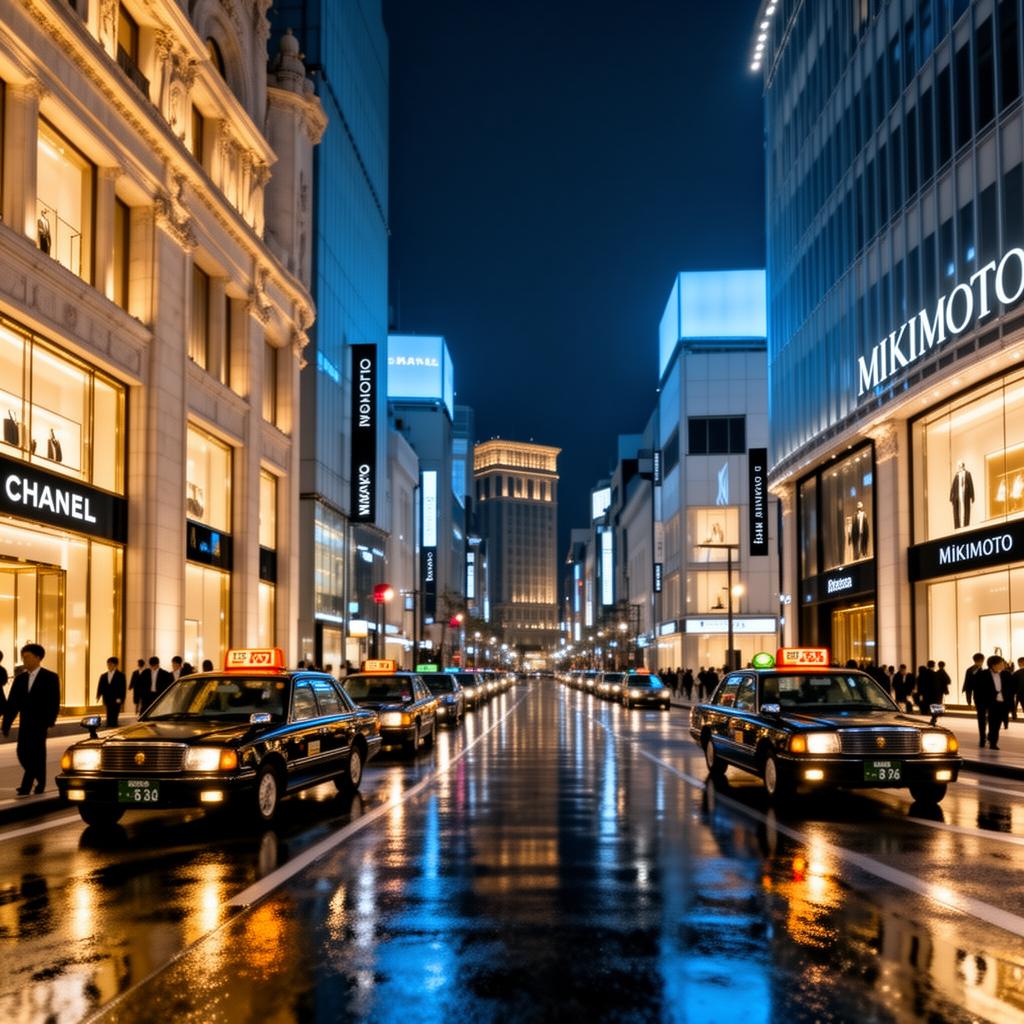
Ginza 銀座
- Best for
- Couples and luxury travelers who want refined cocktail bars, high-end restaurants and a polished evening atmosphere rather than clubs.
- Atmosphere
- Elegant, refined and quiet after midnight. Ginza is famous for hidden cocktail bars, Michelin-starred restaurants, hotel sky bars and discreet members-style lounges — a more sophisticated take on Tokyo nightlife.
- Transport
- Several subway lines converge at Ginza, with quick connections to Tokyo Station for the Shinkansen and to Roppongi for clubbing. Last trains around midnight; taxis are plentiful.
- Airport access
- Direct access to both Narita and Haneda via trains and limousine buses from major Ginza hotels.
- Price level
- Mostly upscale and luxury hotels; few true budget options.
Pros
- +World-class cocktail bars and restaurants
- +Very safe and walkable at night
- +Central location, easy to reach other nightlife areas
- +Excellent luxury hotels
Cons
- −Quiet after midnight — most venues close early
- −Expensive drinks and dining
- −Not a clubbing district
Nightlife comparison at a glance
| Area | Best for | Price | Vibe | Open late |
|---|---|---|---|---|
| Shinjuku | All-round nightlife | $$–$$$ | Neon, izakayas, clubs | Until 5am |
| Shibuya | Clubs & music | $$–$$$ | Young, trendy, loud | Until 5am |
| Roppongi | International clubs | $$$ | Late, expat-friendly | Until first train |
| Ebisu | Bars & restaurants | $$–$$$ | Local, refined, calm | Until 1–2am |
| Ginza | Cocktail bars & dining | $$$ | Upscale, polished | Until midnight |
Frequently asked questions
What is the best area in Tokyo for nightlife?+
Shinjuku is widely considered the best area to stay in Tokyo for nightlife. It packs the city's biggest concentration of izakayas, tiny bars, clubs and karaoke into one walkable district — including iconic spots like Golden Gai, Omoide Yokocho and Kabukicho. If clubs are your main focus, Roppongi and Shibuya are stronger alternatives.
Is Shinjuku or Shibuya better for nightlife?+
Both are excellent, but they suit different travelers. Shinjuku has more variety — atmospheric alley bars, izakayas, queer nightlife in Ni-chome and late-night clubs in Kabukicho. Shibuya leans younger and louder, with the best concentration of dance clubs, live music venues and rooftop bars in Tokyo. For a first nightlife-focused trip, Shinjuku is usually the safer pick.
Where should tourists stay in Tokyo for bars and restaurants?+
Ebisu and Ginza are the best Tokyo areas for travelers who care more about bars and restaurants than clubs. Ebisu offers a dense, local-feeling mix of izakayas, natural wine bars and bistros, while Ginza is the city's home for world-class cocktail bars and Michelin-starred dining. Shinjuku is the best choice if you want both refined bars and high-energy nightlife in the same district.
Is Roppongi safe at night?+
Roppongi is generally safe — Tokyo as a whole has very low violent crime — but it has more bar touts and aggressive promoters than other nightlife districts. Stick to well-known venues, ignore street touts offering to lead you to bars, and avoid signing tabs you haven't seen priced. With basic caution, Roppongi is one of the most enjoyable late-night areas in Tokyo, especially for international visitors.
Which Tokyo nightlife area has the best transport?+
Shinjuku has the best transport for nightlife, with the world's busiest station and multiple JR, subway and private lines running until around 00:30. Shibuya is a close second. Roppongi has the genuine advantage of being one of the few areas where nightlife stays busy until the first train at around 5am, making last trains less critical.
Not sure yet? Match yourself to a neighbourhood
Use the interactive TokyoStayMap to filter by airport, budget, vibe and nightlife — and see which districts score highest for your trip.
Keep exploring
Related Tokyo guides
More from the TokyoStayMap editorial series — pick the comparison that matches your trip.
Best areas for first-time visitors
The main hub guide — compare Shinjuku, Ueno, Shibuya, Ginza, Minato and Ningyōchō for a first Tokyo trip.
Read guideBest areas for families
Family-friendly Tokyo areas with parks, apartment hotels, safety and easy transport for kids.
Read guideBest areas to stay on a budget
Ningyōchō, Ueno, Asakusa, Ikebukuro and Kanda — One of Tokyo's best value neighbourhoods for budget travellers.
Read guideBest areas to stay for food lovers
Ginza, Shinjuku, Asakusa, Ueno and Ebisu/Nakameguro — Tokyo's strongest neighbourhoods for sushi, izakaya, Michelin dining and cafés.
Read guide