Quick overview: five best food areas in Tokyo
Each of these five areas wins for a different kind of eater. Ginza is Tokyo's highest-concentration fine-dining district — sushi counters, kaiseki, tempura masters and Michelin stars on almost every block. Shinjuku has the widest variety at every price point, from Omoide Yokochō yakitori alleys to multi-floor izakaya. Asakusa is the home of old-Tokyo specialties — tempura, soba, monjayaki, unagi. Ueno offers One of Tokyo's best cheap-eat ecosystems around the Ameyoko market. Ebisu and neighbouring Nakameguro form the city's most stylish modern dining belt — natural-wine bistros, third-wave cafés and chef-driven small plates.
See also: best areas for first-time visitors, best areas for nightlife, best areas to stay on a budget, ginza vs shinjuku and ueno vs asakusa.
The five best food areas in Tokyo
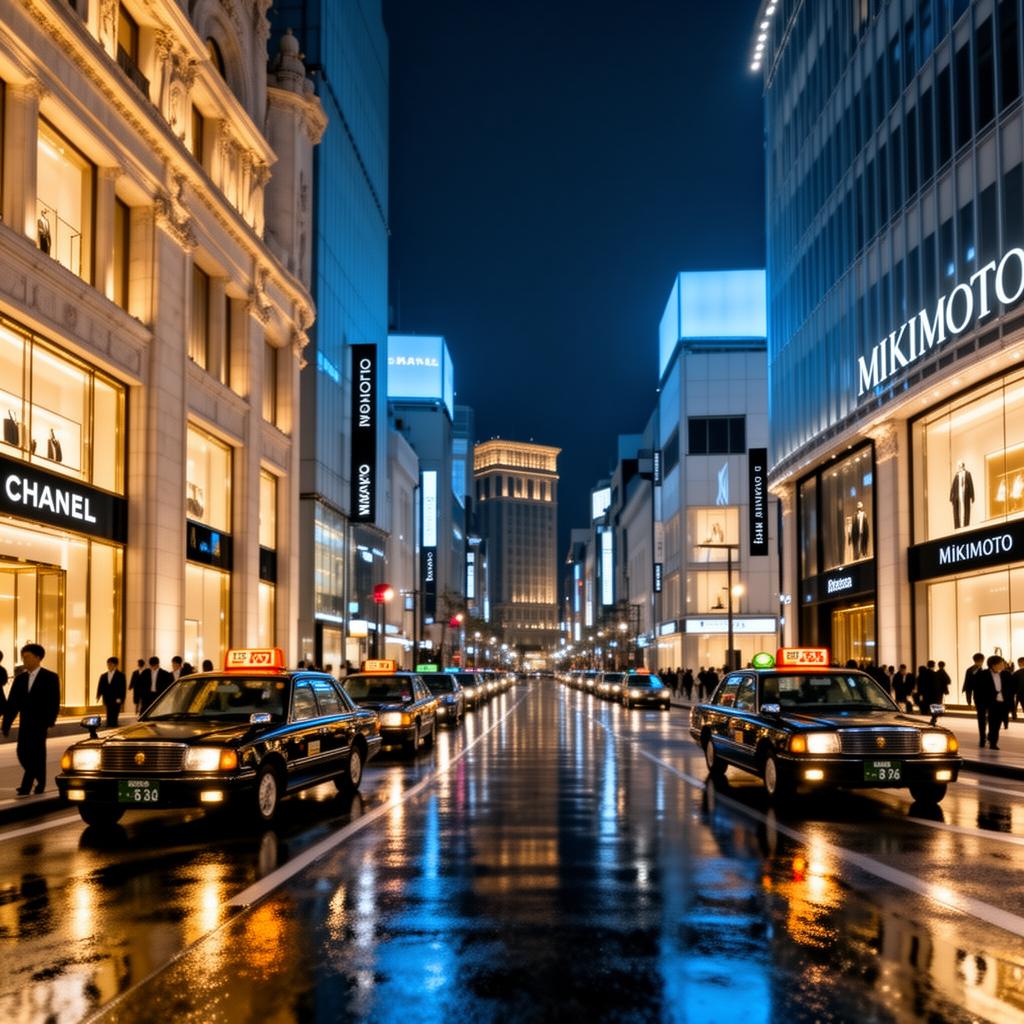
Ginza 銀座
Best overall food area
- Best for
- Travellers who want the deepest concentration of world-class restaurants in Tokyo — sushi, tempura, kaiseki, yakiniku and Michelin-starred fine dining within walking distance.
- Atmosphere
- Polished and grown-up. Tree-lined avenues, discreet basement counters, glossy department-store dining floors and quiet side streets full of tiny, reservation-only restaurants.
- Cuisine focus
- Edomae sushi, kaiseki, tempura, teppanyaki, French-Japanese, top-tier yakiniku and patisserie. The highest density of Michelin-starred restaurants in Tokyo.
- Signature spots
- Sukiyabashi Jiro-style sushi counters, Ginza Kojyu kaiseki, depachika halls at Mitsukoshi and Matsuya, and legendary cake counters like Pierre Hermé and Henri Charpentier.
- Price level
- Mostly upper mid-range to high-end. Lunch sets at famous restaurants make Ginza surprisingly accessible; dinner can climb quickly.
Pros
- +Highest concentration of Michelin-starred restaurants in Tokyo
- +World-class sushi, tempura and kaiseki counters
- +Iconic depachika food halls at Mitsukoshi and Matsuya
- +Walkable, refined and safe at night
Cons
- −Dinner prices skew high — reservations often essential
- −Less casual street-food energy than Asakusa or Shinjuku
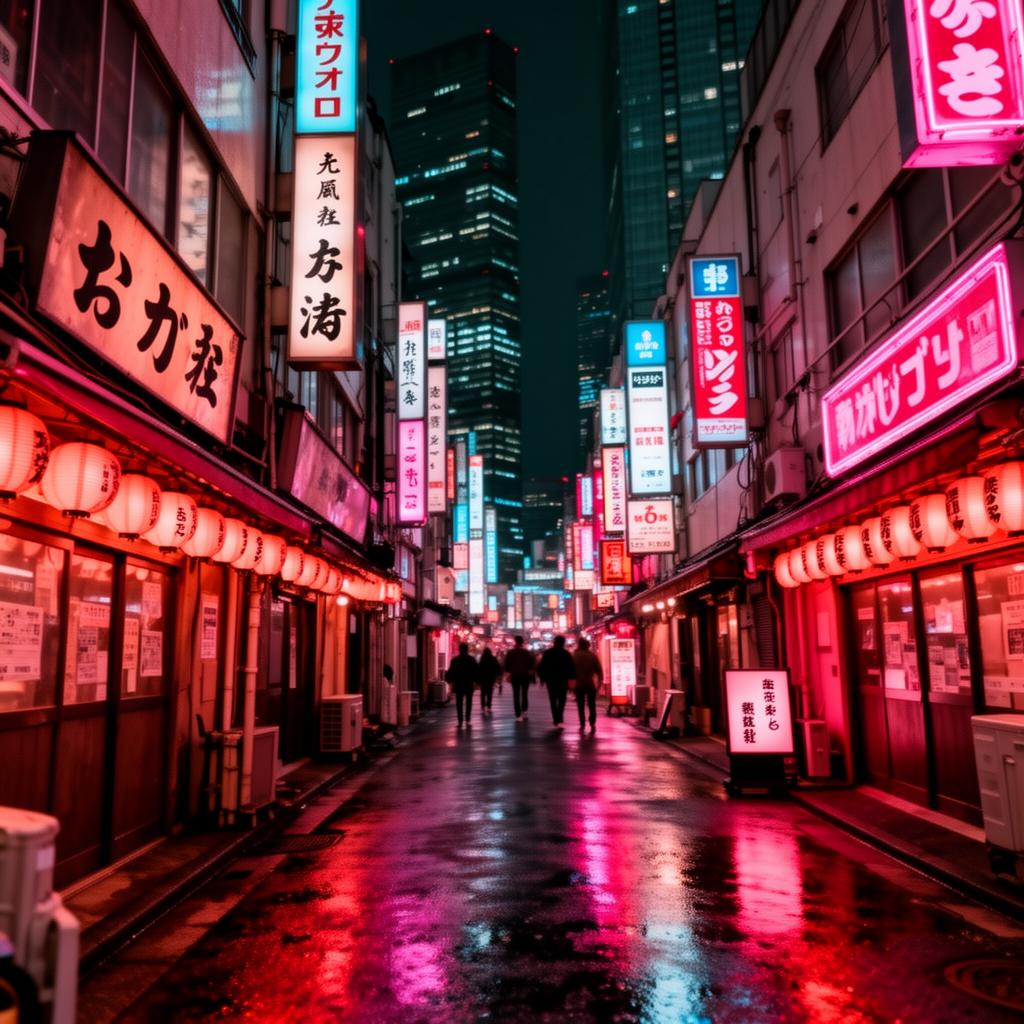
Shinjuku 新宿
Best variety
- Best for
- Eaters who want the widest range of restaurants in Tokyo at every price point, from 500-yen ramen and yakitori alleys to multi-floor izakaya and Michelin-listed kaiseki.
- Atmosphere
- Big, neon and endlessly layered. Omoide Yokochō (Memory Lane), Golden Gai's micro-bars and Kabukichō dining streets sit alongside polished tower restaurants and department-store food halls.
- Cuisine focus
- Everything. Ramen, yakitori, tonkatsu, sushi, izakaya, Korean BBQ, regional Japanese specialties, late-night standing bars and international cuisine in one walkable hub.
- Signature spots
- Omoide Yokochō yakitori, Golden Gai bar-hopping, Tsunahachi tempura, Fuunji tsukemen, Takashimaya and Isetan depachika halls.
- Price level
- Every band represented — cheap street food and chain ramen sit next to high-end omakase and rooftop fine dining.
Pros
- +Widest restaurant selection in Tokyo at every price
- +Iconic Omoide Yokochō and Golden Gai dining alleys
- +Excellent depachika at Isetan — arguably One of Tokyo's best
- +Open very late — easy to eat after midnight
Cons
- −Kabukichō tourist traps require care when picking restaurants
- −Crowded at peak times — the best counters require queueing or booking
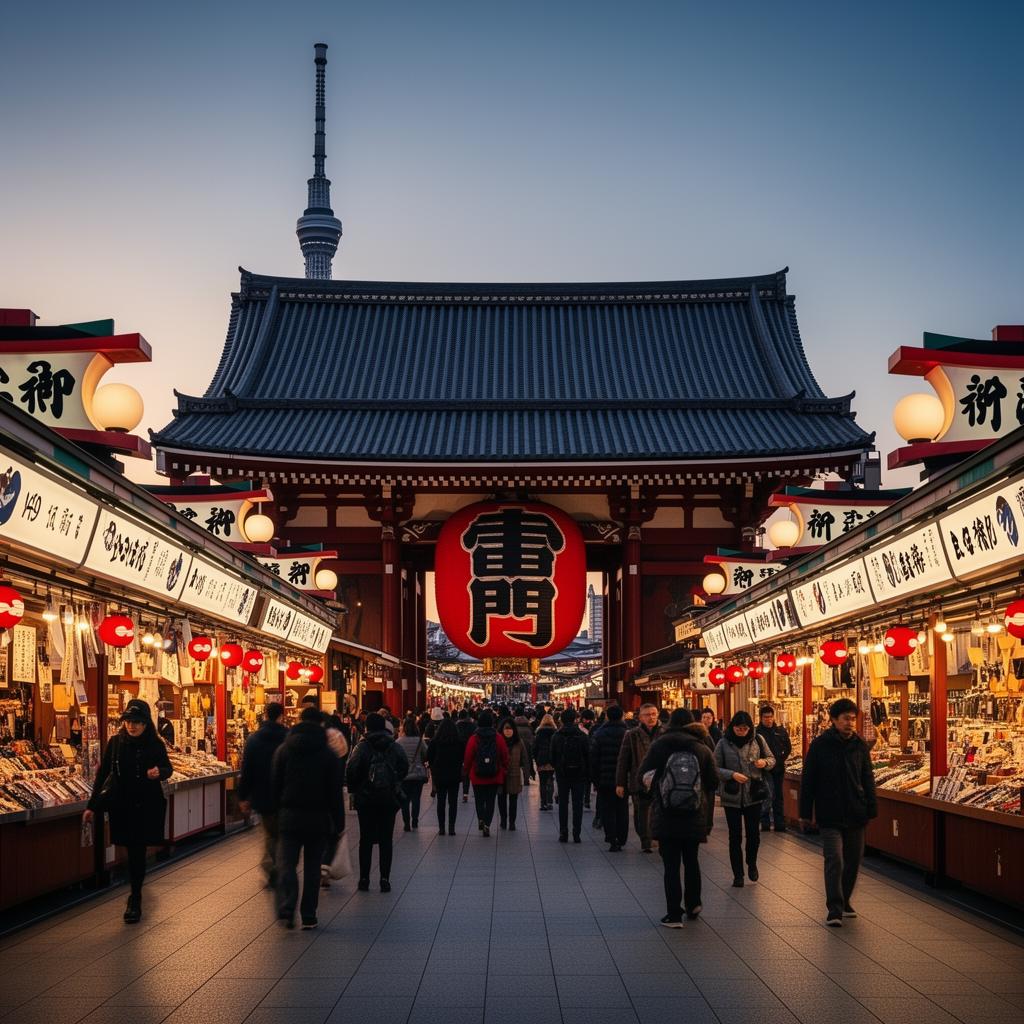
Asakusa 浅草
Best traditional food
- Best for
- Travellers who want old-Tokyo shitamachi cooking — tempura, soba, unagi, monjayaki and sweets eaten in the same family-run shops for generations.
- Atmosphere
- Old downtown Tokyo. Sensō-ji temple, Nakamise street food, lantern-lit side alleys and a slow, traditional pace that feels older than the rest of the city.
- Cuisine focus
- Edo-style tempura, handmade soba, unagi (grilled eel), dojō nabe, monjayaki, taiyaki, dorayaki and traditional wagashi sweets.
- Signature spots
- Daikokuya tempura, Owariya soba, Komagata Dozeu (200-year-old dojō nabe), Asakusa Imahan sukiyaki and the entire Nakamise sweet-shop strip.
- Price level
- Mostly mid-range and budget. Famous old-school restaurants are surprisingly affordable for their reputation, especially at lunch.
Pros
- +Highest concentration of historic Edo-era restaurants in Tokyo
- +Walkable food streets — Nakamise, Hoppy-dōri, Denbōin-dōri
- +Excellent traditional sweets and street food
- +Reasonable prices for very high-quality traditional cooking
Cons
- −Quiet after 9–10pm — most traditional restaurants close early
- −Fewer modern, international or trendy dining options
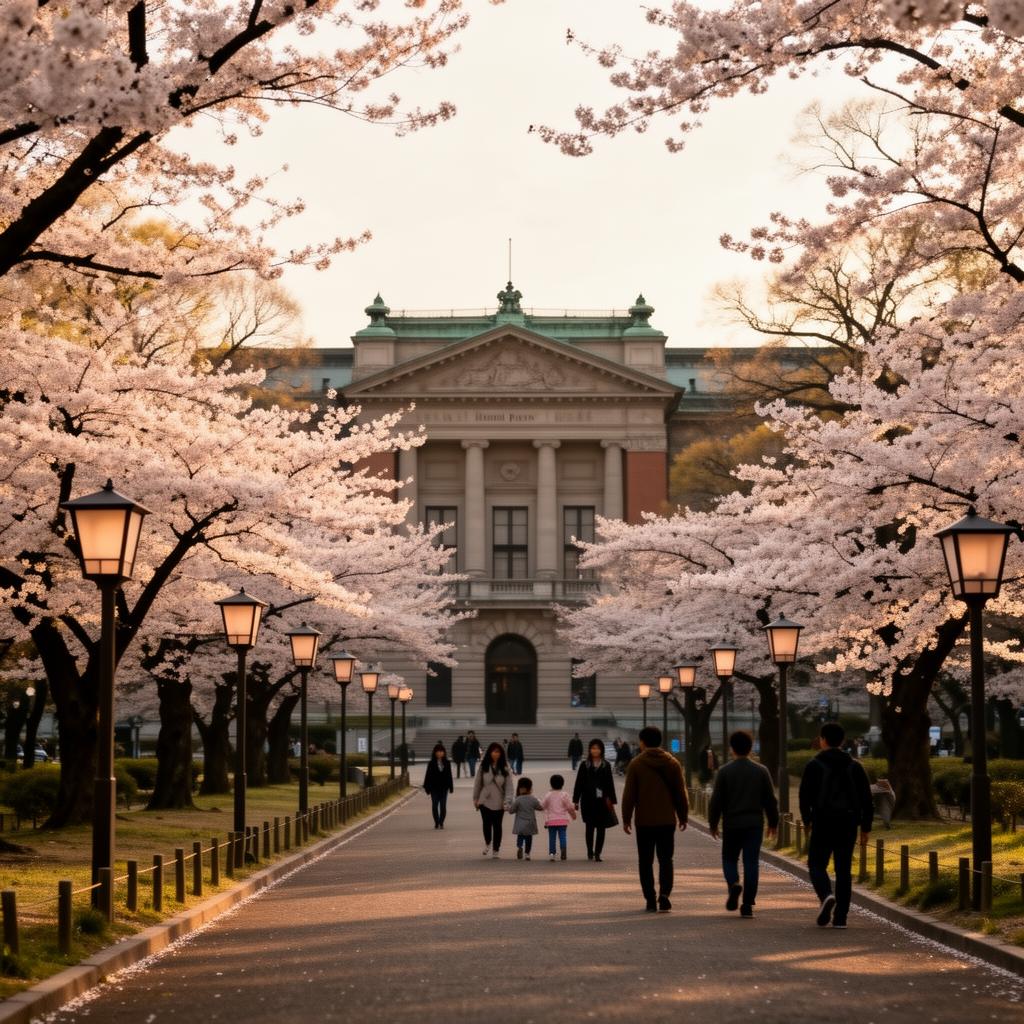
Ueno 上野
Best budget food
- Best for
- Budget-conscious eaters who want huge variety, market culture and lively standing bars — without the central-Tokyo price tag.
- Atmosphere
- Lively and working-class. The Ameyoko market under the JR tracks, busy ramen shops, izakaya streets behind the station and a relaxed, very local feel.
- Cuisine focus
- Cheap seafood and sashimi at Ameyoko, kushikatsu, ramen, yakiniku, tachinomi (standing bars), tonkatsu and budget izakaya.
- Signature spots
- Ameyoko market seafood stalls, Daimasu Sake Brewery tachinomi, Innsyoutei kaiseki (the upmarket exception), Tonkatsu Yamabe and the dense ramen cluster around the station.
- Price level
- The cheapest serious food district in central Tokyo. Excellent value at almost every counter, especially for sashimi, kushikatsu and standing-bar snacks.
Pros
- +Best value-for-money food in central Tokyo
- +Ameyoko market — one of Tokyo's most atmospheric food streets
- +Strong tachinomi (standing bar) culture
- +Easy combine with museums and parks for a full day
Cons
- −Fewer high-end or design-driven restaurants
- −Some streets feel slightly rough late at night
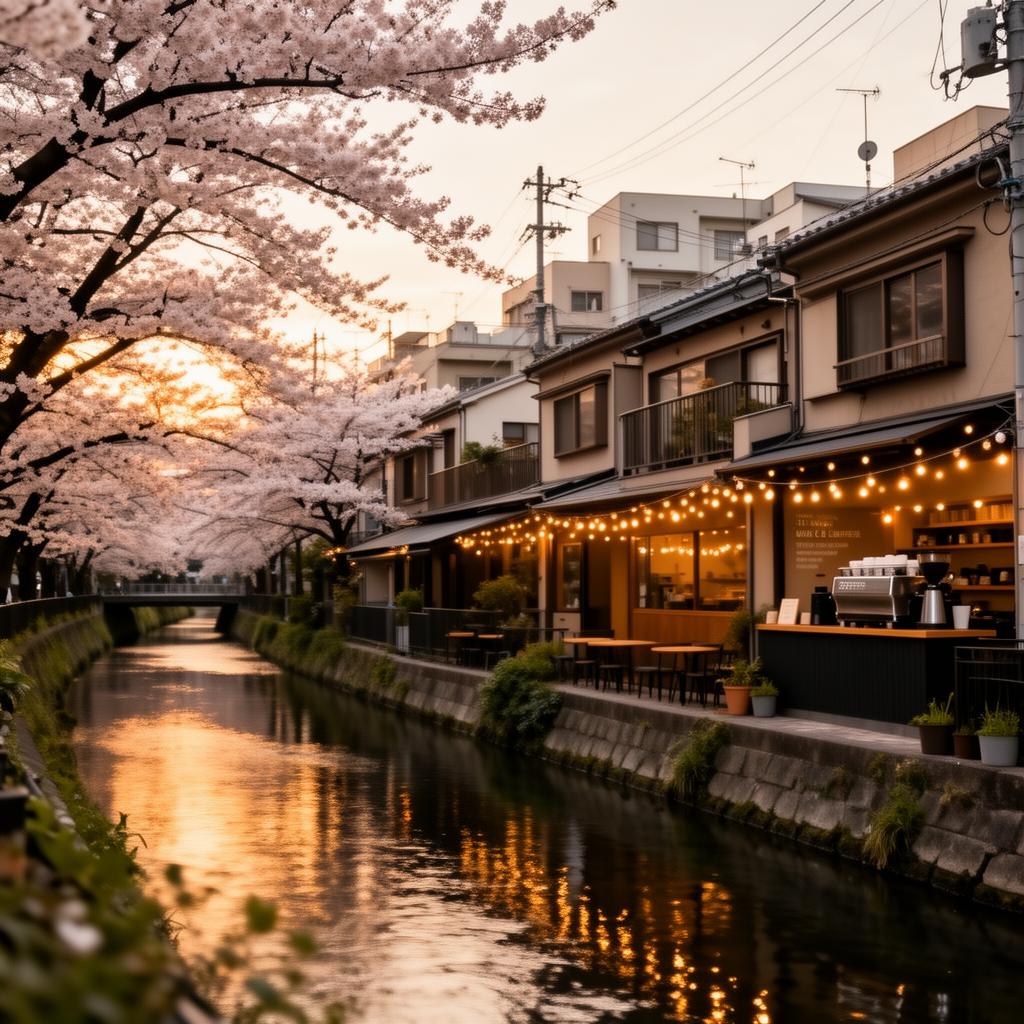
Ebisu & Nakameguro 恵比寿・中目黒
Best trendy cafés & modern dining
- Best for
- Travellers who want Tokyo's most stylish modern food scene — natural-wine bistros, chef-driven small plates, top-tier coffee and beautifully designed restaurants away from tourist crowds.
- Atmosphere
- Quiet, design-led and grown-up. Leafy streets, the Meguro River cherry-blossom canal, low-rise architecture and a relaxed pace that locals openly prefer over Shibuya or Shinjuku.
- Cuisine focus
- Modern Japanese, natural-wine bistros, French and Italian, third-wave coffee, ramen of unusual quality, craft bakeries and seasonal kaiseki at smaller counters.
- Signature spots
- Afuri yuzu-shio ramen, Ebisu Yokochō (food-stall hall), Blue Bottle Nakameguro, Onibus Coffee, Higashiya Ginza-style wagashi, and Michelin-listed bistros tucked into back streets.
- Price level
- Mid-range to upper mid-range — generally cheaper than Ginza but higher than Asakusa or Ueno. Excellent value at the bistro and ramen level.
Pros
- +Tokyo's most exciting modern dining and café scene
- +Beautifully designed restaurants — strong for couples and food travel
- +Excellent coffee and bakery culture
- +Quieter, more residential alternative to Shibuya
Cons
- −Fewer late-night options than Shinjuku
- −Best restaurants are small and require booking
Tokyo food areas compared
| Metric | Ginza | Shinjuku | Asakusa | Ueno | Ebisu / Nakameguro |
|---|---|---|---|---|---|
| Price level | $$$$ | $–$$$$ | $$ | $ | $$$ |
| Variety | High-end focused | Widest in Tokyo | Traditional only | Wide / budget | Modern focused |
| Michelin density | Highest | Very high | Moderate | Low | High |
| Street food | Limited | Excellent (Omoide) | Excellent (Nakamise) | Excellent (Ameyoko) | Moderate |
| Coffee & cafés | Luxury cafés & desserts | Huge variety | Traditional & trendy mix | Local favourites | One of Tokyo's best café scenes |
| Late-night dining | Moderate | Excellent | Limited | Moderate | Good |
| Tradition | Refined Edo | Mixed | Strongest | Strong / market | Modern Japanese |
Which Tokyo food area is right for you?
Best area for sushi, kaiseki and fine dining
Ginza is unmatched. The neighbourhood has the highest concentration of Michelin-starred restaurants in Tokyo and arguably the world — Edomae sushi counters, kaiseki houses, tempura masters and seasonal Japanese-French fine dining are all within walking distance. Lunch sets at famous restaurants are surprisingly accessible compared with their dinner prices, making Ginza practical even for travellers who only want one or two splurge meals. Ebisu is the strongest alternative for chef-driven modern Japanese and bistros.
Best area for restaurant variety
Shinjuku wins for sheer range. In a single evening you can move from 500-yen yakitori in Omoide Yokochō to a multi-floor izakaya in Kabukichō and finish at a Michelin-listed kaiseki counter inside a tower. Every regional Japanese cuisine, every price band and almost every international cuisine is represented within ten minutes of the station. Ueno is a strong runner-up for variety at the lower end. For broader trip planning, see our guide to the best areas to stay in Tokyo on a budget.
Best area for traditional Japanese food
Asakusa is the home of shitamachi (old downtown) cooking. Edo-era tempura houses, handmade-soba counters, 200-year-old dojō nabe restaurants, unagi specialists and the entire Nakamise traditional-sweets strip are all walkable from Sensō-ji. Prices are surprisingly reasonable for the historical pedigree, especially at lunch. Ueno complements Asakusa for traditional eating, particularly around the Ameyoko market.
Best area for budget eats and street food
Ueno is One of Tokyo's best budget food districts. The Ameyoko market under the JR tracks is a non-stop strip of cheap sashimi, kushikatsu, takoyaki, fruit stands and tachinomi standing bars, while the streets just behind the station are full of inexpensive ramen, tonkatsu and izakaya. Shinjuku's Omoide Yokochō and Asakusa's Hoppy-dōri are close seconds. If staying on a budget matters, our budget areas guide pairs perfectly with eating in Ueno.
Best area for cafés and modern dining
Ebisu and neighbouring Nakameguro form Tokyo's most stylish food belt. Third-wave coffee (Onibus, Blue Bottle), natural-wine bistros, modern bakeries and chef-driven small-plate restaurants line quiet, leafy streets along the Meguro River. The Ebisu Yokochō indoor food-stall hall adds an izakaya-style evening option. This is where Tokyo's food-obsessed locals actually eat on weekends.
Best area for late-night eating
Shinjuku is open latest and loudest — Omoide Yokochō, Golden Gai, Kabukichō and the 24-hour ramen and izakaya scene make it the obvious choice for travellers who eat after midnight. Ginza stays open later than its reputation suggests, with sushi counters and bars active until late. For travellers prioritising bars and clubs alongside food, see our nightlife guide.
Final recommendation
Each of these five areas is the right answer for a different kind of food traveller. Use this short verdict to match yourself to the neighbourhood that best fits your eating style.
Choose
Ginza
If you want the deepest concentration of Michelin-starred sushi, kaiseki and fine dining in Tokyo — and you don't mind booking ahead.
Choose
Shinjuku
If you want the widest variety of restaurants at every price point, iconic yakitori alleys and late-night dining within minutes of your hotel.
Choose
Asakusa
If you want old-Tokyo traditional food — tempura, soba, unagi, monjayaki — eaten in family-run shops with decades or centuries of history.
Choose
Ueno
If you want the most exciting budget food district in Tokyo — Ameyoko market, cheap sashimi, kushikatsu and standing bars at unbeatable prices.
Choose
Ebisu / Nakameguro
If you want Tokyo's most stylish modern food scene — natural-wine bistros, third-wave cafés and chef-driven small plates where locals actually eat.
Frequently asked questions
What is the best area to stay in Tokyo for food?+
Ginza is the best overall food area in Tokyo. It has the highest concentration of Michelin-starred restaurants in the city — sushi, kaiseki, tempura and fine dining — plus iconic depachika food halls at Mitsukoshi and Matsuya. Shinjuku is the strongest runner-up for sheer variety at every price point.
Where should I stay in Tokyo for the best sushi?+
Stay in Ginza for the highest density of top-tier Edomae sushi counters, including many Michelin-starred restaurants. Tsukiji (a short walk from Ginza) adds the outer-market casual sushi experience. Ebisu and Nakameguro also have excellent smaller sushi counters in quieter, more residential settings.
Which area in Tokyo has the best budget food?+
Ueno has One of Tokyo's best budget food scenes. The Ameyoko market under the JR tracks is famous for cheap sashimi, kushikatsu and standing bars, and the surrounding streets are full of inexpensive ramen, tonkatsu and izakaya. Asakusa is close behind for traditional budget eats.
Where can I find traditional Japanese food in Tokyo?+
Asakusa is the heart of traditional shitamachi cooking in Tokyo. Edo-era tempura, handmade soba, unagi, dojō nabe and traditional sweets are all served in family-run restaurants that have operated for generations. Many of the city's oldest restaurants are within walking distance of Sensō-ji.
Which Tokyo neighbourhood has the best cafés?+
Ebisu and Nakameguro lead Tokyo's modern café scene. Third-wave coffee shops like Onibus and Blue Bottle, beautifully designed bakeries and small bistros line the leafy streets along the Meguro River. This is where Tokyo's food-focused locals tend to spend their weekends.
Is Shinjuku or Ginza better for food?+
Ginza is better for fine dining and Michelin-starred restaurants, while Shinjuku is better for variety, late-night eating and budget-to-mid-range options. Many travellers who care most about food split their stay between the two. See our Ginza vs Shinjuku guide for a full comparison.
Is Tokyo expensive for food lovers?+
Not necessarily. Tokyo has Michelin-starred restaurants that cost hundreds of dollars, but it also offers exceptional value. Areas such as Ueno, Asakusa and Shinjuku have thousands of affordable restaurants where a great meal often costs less than in major cities in Europe or North America.
Find your best food area on the map
Use the interactive TokyoStayMap to filter neighbourhoods by vibe, price and transport — and see which food district matches the way you want to eat in Tokyo.
Keep exploring
Related Tokyo guides
More from the TokyoStayMap editorial series — pick the comparison that matches your trip.
Best areas for first-time visitors
The main hub guide — compare Shinjuku, Ueno, Shibuya, Ginza, Minato and Ningyōchō for a first Tokyo trip.
Read guideBest areas for nightlife
Shinjuku, Shibuya, Roppongi, Ebisu and Ginza compared for bars, clubs and late-night convenience.
Read guideBest areas for families
Family-friendly Tokyo areas with parks, apartment hotels, safety and easy transport for kids.
Read guideBest areas to stay on a budget
Ningyōchō, Ueno, Asakusa, Ikebukuro and Kanda — One of Tokyo's best value neighbourhoods for budget travellers.
Read guide