Quick comparison: Ueno vs Asakusa at a glance
Here is how Ueno and Asakusa compare across the categories that matter most to travellers. If you only have 30 seconds, this will help you choose.
See also: best areas for first-time visitors, shinjuku vs ueno and ginza vs shinjuku.
Best for first-time visitors
Ueno
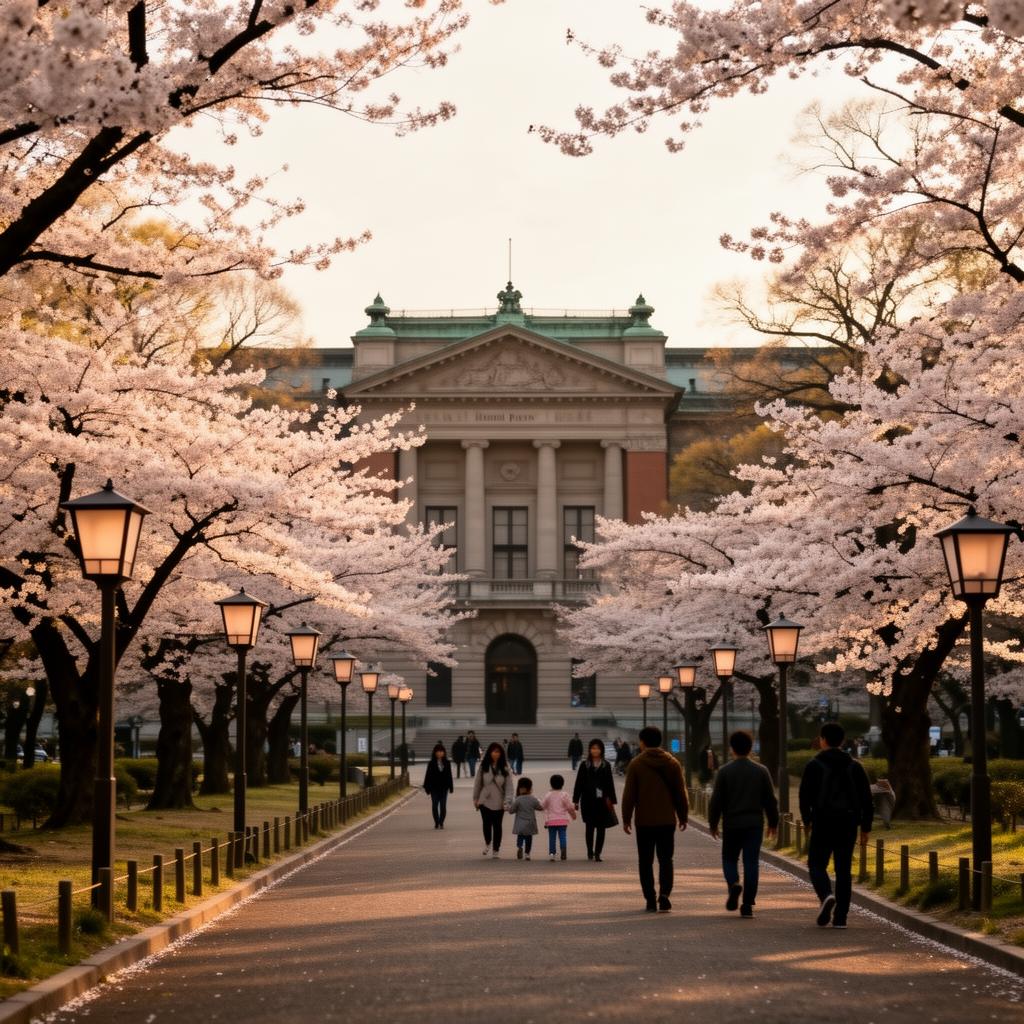
Better transport, museums, airport access and overall convenience make Ueno the easier choice for most first-time visitors.
Best budget hotels
Ueno
More business hotels, hostels and mid-range chains near Ueno Station and the park.
Best transport
Ueno
JR Yamanote, Keisei Skyliner, shinkansen and five subway lines vs Asakusa's two main lines.
Best airport access
Ueno
Keisei Skyliner to Narita, multiple JR lines and broader rail connections make Ueno the more convenient airport base.
Best for families
Ueno
Ueno Park, the zoo, museums and calmer streets are more practical with children.
Best museums and culture
Ueno
Tokyo National Museum, National Museum of Nature and Science, and the densest museum cluster in Japan.
Best temples and old-town atmosphere
Asakusa
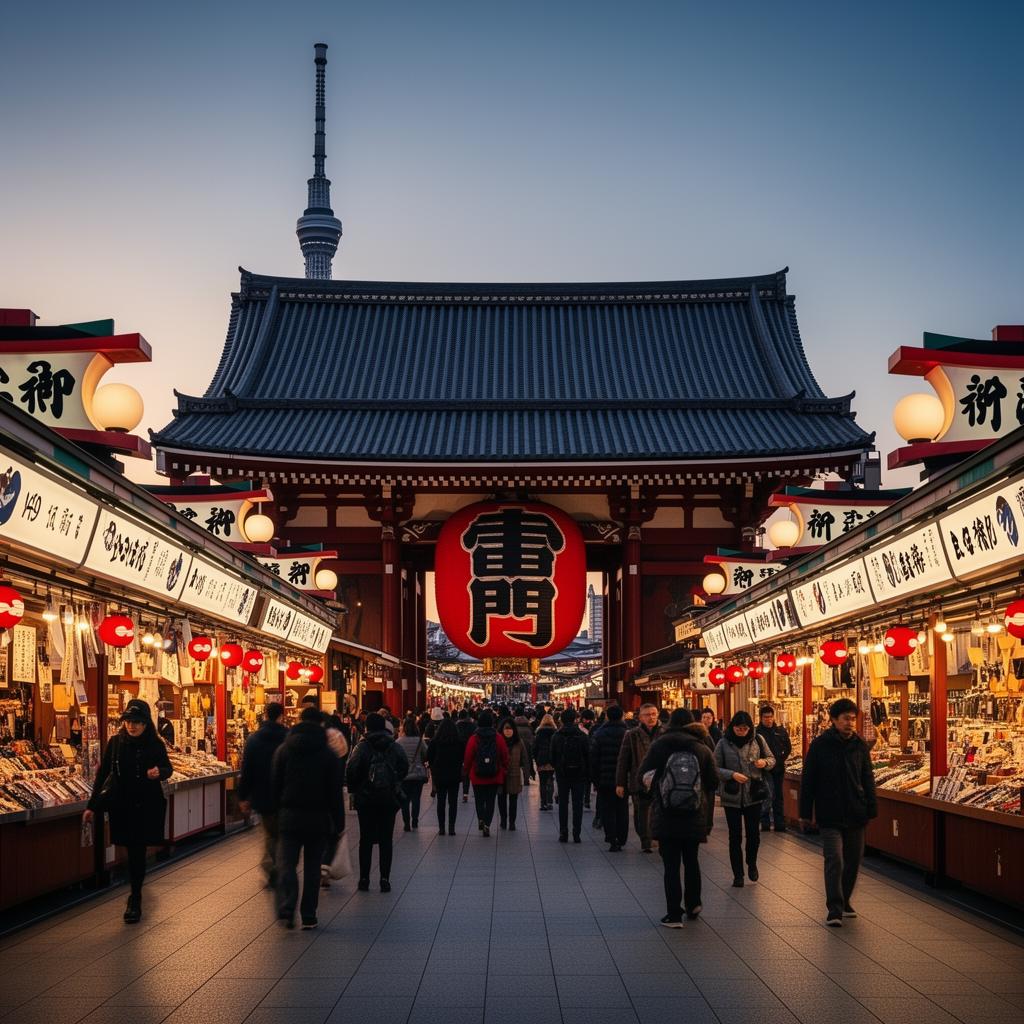
Senso-ji, Nakamise-dori, backstreet workshops and the most authentic shitamachi feel in Tokyo.
Best traditional food
Asakusa
Long-established tempura shops, classic soba, melon pan and street food along Nakamise-dori.
Best shopping
Asakusa
Nakamise, Kappabashi and Tokyo Solamachi near Skytree provide the best mix of souvenirs, traditional goods and visitor-friendly shopping.
Best hotel variety
Asakusa
Wide range of business hotels, hostels, guesthouses and traditional stays at competitive prices.
Side-by-side comparison
| Category | Ueno 上野 | Asakusa 浅草 |
|---|---|---|
| Atmosphere | Leafy, museum-district, calmer, local | Traditional, touristy, old-town, lively by day |
| Hotels | Good range of business and mid-range hotels near major transport | Extensive selection of hotels, hostels, guesthouses and ryokan across all budget levels |
| Transport | JR Yamanote, Keihin-Tohoku, Keisei, 5 subway lines | Ginza and Asakusa subway lines; no JR Yamanote |
| Airport access | Keisei Skyliner to Narita in 41 min; Asakusa Line to Haneda | Direct Keisei to Narita; Asakusa Line direct to Haneda |
| Nightlife | Local izakaya around Ameyoko; quieter after midnight | Very quiet after 21:00; some rooftop bars near the river |
| Shopping | Ameyoko, Matsuzakaya, Atré; practical everyday shopping | Nakamise, Kappabashi and Tokyo Solamachi near Skytree; best for souvenirs, traditional goods and visitor-focused shopping |
| Food scene | Ameyoko street food, sushi, tonkatsu, kissaten | Tempura, soba, melon pan, classic shitamachi cuisine |
| Families | Ueno Park, zoo, museums, calmer streets | Senso-ji grounds, river walks; fewer green spaces |
| Sightseeing | Tokyo National Museum, Ueno Park, Yanaka, Nezu | Senso-ji, Tokyo Skytree (walkable), Sumida River cruises |
| Day trips | Nikko, Sendai, Tohoku via shinkansen | Narita (temple town), Boso Peninsula by ferry |
| Safety | Very safe and notably calm in the evenings | Very safe; busy with tourists during the day |
| Prices | Cheaper than central Tokyo; strong mid-range | Very affordable food and some budget stays |
Detailed comparison
Ueno vs Asakusa for first-time visitors
For a first trip to Tokyo, both Ueno and Asakusa are excellent choices — but they deliver very different introductions to the city. Ueno puts you on the JR Yamanote loop with direct airport trains and some of Japan's best museums within a single park. It feels like a real Tokyo neighbourhood where locals shop at Ameyoko and families visit the zoo on weekends.
Asakusa offers the most iconic first impression of old Tokyo. Senso-ji's thunder gate, Nakamise-dori's souvenir stalls and the narrow backstreets of traditional craftsmen create an atmosphere that feels closer to the Tokyo of postcards and films. The trade-off is slightly less convenient transport: Asakusa is not on the Yamanote line, so reaching Shibuya, Shinjuku or Harajuku takes longer.
Which area is cheaper?
Both areas are cheaper than Shinjuku, Shibuya or Ginza, but Ueno has a wider hotel range that stretches from capsule hotels to solid mid-range business chains. Ameyoko's market stalls and backstreet restaurants are noticeably affordable, and you can eat well for under ¥1,000.
Asakusa has one of the largest selections of budget accommodation in central Tokyo, including hostels, guesthouses and affordable hotels. Its food is similarly cheap — classic tempura set meals, soba and street snacks are budget-friendly — and the growing hotel market now covers everything from backpacker dorms to family ryokan. You will find more guesthouses, hostels and budget ryokan here than full-service business hotels, so if you prefer a standard private room with ensuite, Ueno usually offers more choice at a similar or lower price.
Which area has better transport?
Ueno wins on transport breadth. Ueno Station is on the JR Yamanote loop, has the Keihin-Tohoku line, the Keisei Skyliner to Narita, is a major shinkansen stop for Tohoku and Hokkaido, and connects to five subway lines. You can reach Ginza in 5 minutes, Shinjuku in 15 and the airport in 41.
Asakusa is served by the Ginza and Asakusa subway lines. The Asakusa Line runs directly to Haneda Airport and connects to the Keisei network for Narita, but the absence of a JR Yamanote station means reaching western Tokyo neighbourhoods requires at least one transfer. For travellers planning to criss-cross the city daily, Ueno is the more convenient base.
Which area is better for families?
Ueno is the stronger family choice. Ueno Park covers the zoo, multiple museums with children's programmes, ponds and wide walking paths, and the surrounding streets towards Yanaka are flat, safe and stroller-friendly. Many hotels around Ueno Station offer triple and family rooms.
Asakusa can work for families who want a traditional experience — the Senso-ji temple grounds are open and fascinating for children, and a river cruise to Odaiba adds variety. However, the area lacks green space and the narrow streets around the temple can get very crowded during festivals and peak season. For families with young children, Ueno's park and calmer pace make it easier.
Which area has better nightlife?
Neither area is a nightlife hub, but Ueno has more evening energy. Ameyoko and the streets around Ueno Station have standing izakaya, tachinomi bars and small restaurants that fill up after work and stay open until around midnight. It is a good place for an authentic, low-key evening drink.
Asakusa is extremely quiet after 21:00. Most restaurants close early and the streets around Senso-ji empty out once the souvenir stalls shut down. There are a handful of rooftop bars near the Sumida River with Skytree views, but if nightlife matters even occasionally, Ueno is the better base.
Which area is better for airport access?
Both areas have strong airport links, but Ueno edges ahead for Narita. The Keisei Skyliner from Keisei Ueno reaches Narita Airport in 41 minutes with no transfers, and the Asakusa Line connects Ueno-Hirokoji to Haneda. For travellers with heavy luggage, Ueno's combination of speed and convenience is hard to beat.
Asakusa also has direct Keisei trains to Narita and the Asakusa Line to Haneda, and some travellers find the Keisei route from Asakusa slightly simpler because it avoids the short walk between JR Ueno and Keisei Ueno stations. In practice, both are among the best airport-access areas in Tokyo and the difference is minimal.
Which area is better for food and culture?
Ueno is Japan's museum capital. The Tokyo National Museum, National Museum of Nature and Science, National Museum of Western Art and Tokyo Metropolitan Art Museum all sit inside Ueno Park, with the beautiful Nezu Shrine and Yanaka's old-town streets just to the north. Food ranges from Ameyoko's street stalls to classic kissaten cafés and serious sushi.
Asakusa specialises in traditional culture rather than museums. Senso-ji is Tokyo's oldest temple, the Nakamise-dori approach is lined with century-old snack shops, and the nearby Kappabashi Kitchen Town is fascinating for anyone interested in Japanese cuisine. The area feels closer to the Tokyo of the past — less polished, more lived-in.
Which area is better for day trips?
Ueno is the better base for northern and eastern day trips. The Tohoku and Joetsu shinkansen both stop at Ueno Station, giving you direct access to Nikko, Sendai, Yamagata and Niigata. Ueno is also closer to the Chiba coast and the Boso Peninsula.
Asakusa has the advantage for river and temple trips. The Sumida River cruise runs to Odaiba and Hamarikyu Gardens, and the old temple town of Narita is an easy direct train ride away. For day trips to Hakone, Mount Fuji or Kamakura, both areas require similar travel times via Shinjuku or Tokyo Station.
Final recommendation
Choose Ueno if…
- ✓You want the best transport links in eastern Tokyo
- ✓Museums, parks and the zoo are a priority
- ✓You need a wide range of mid-range and budget hotels
- ✓Airport speed matters — Skyliner to Narita in 41 minutes
- ✓You're travelling with children and want green space nearby
- ✓You plan day trips to Nikko, Sendai or Tohoku by shinkansen
Choose Asakusa if…
- ✓You want the most traditional, old-town atmosphere in Tokyo
- ✓Senso-ji Temple and Nakamise-dori are must-sees on your list
- ✓You want the best mix of souvenirs, traditional goods and visitor-friendly shopping
- ✓You value a wide selection of hotels, hostels, guesthouses and ryokan across all budgets
- ✓Quiet evenings and early mornings suit your travel style
- ✓You're happy with subway travel and don't need the Yamanote loop
- ✓Traditional tempura, soba and street snacks excite you more than modern dining
Frequently asked questions
Is Ueno or Asakusa better for first-time visitors?+
Both are excellent for a first trip. Ueno is better if you want convenient transport, major museums and a calmer neighbourhood feel on the Yamanote loop. Asakusa is better if your priority is experiencing traditional Tokyo — Senso-ji Temple, old-town backstreets and the most iconic shitamachi atmosphere in the city.
Which area is cheaper — Ueno or Asakusa?+
Both are among the more affordable central Tokyo areas. Ueno usually has more mid-range business hotels and a wider price range, while Asakusa leans towards guesthouses, hostels and budget stays. Food in both areas is cheaper than in Shinjuku or Ginza. For a standard private hotel room, Ueno typically offers more choice at a similar price.
Which area has better transport?+
Ueno has better transport. It sits on the JR Yamanote loop, has the Keisei Skyliner to Narita, is a shinkansen stop and connects to five subway lines. Asakusa has the Ginza and Asakusa subway lines with direct airport access, but reaching western Tokyo requires transfers. For travellers who plan to criss-cross the city, Ueno is more convenient.
Is Asakusa a good area to stay in Tokyo?+
Yes — Asakusa is one of the best areas for travellers who want traditional Tokyo charm. It is safe, affordable, has excellent food and puts you within walking distance of Senso-ji Temple and Tokyo Skytree. The trade-off is slightly less convenient transport and very quiet evenings, but for culture-first travellers it is a memorable base.
Which area is better for families?+
Ueno is the more practical family choice. Ueno Park, the zoo, multiple museums and calmer streets are all walkable from most hotels, and the neighbourhood is stroller-friendly. Asakusa can work for families interested in temple culture, but it lacks green space and the narrow streets get crowded. For families with young children, Ueno is usually easier.
Not sure? Find your ideal area
Use the TokyoStayMap interactive map to filter Tokyo neighbourhoods by airport access, budget, atmosphere, nightlife and family-friendliness — and see exactly where to stay.
Keep exploring
Related Tokyo guides
More from the TokyoStayMap editorial series — pick the comparison that matches your trip.
Best areas for first-time visitors
The main hub guide — compare Shinjuku, Ueno, Shibuya, Ginza, Minato and Ningyōchō for a first Tokyo trip.
Read guideBest areas for nightlife
Shinjuku, Shibuya, Roppongi, Ebisu and Ginza compared for bars, clubs and late-night convenience.
Read guideBest areas for families
Family-friendly Tokyo areas with parks, apartment hotels, safety and easy transport for kids.
Read guideBest areas to stay on a budget
Ningyōchō, Ueno, Asakusa, Ikebukuro and Kanda — One of Tokyo's best value neighbourhoods for budget travellers.
Read guide