Quick overview: five best budget areas in Tokyo
Each of these five neighbourhoods covers a different kind of budget traveller. Ningyōchō is the best overall value — a quiet, central district with mid-range business hotels at outer-Tokyo prices. Asakusa has the largest selection of cheap hostels and ryokan in central Tokyo. Ueno has the best transport and Skyliner access to Narita. Ikebukuro is the budget choice if you also want nightlife and big shopping. Kanda is the workhorse business-stay district between Tokyo Station and Akihabara.
See also: best areas for first-time visitors, best areas for families, shinjuku vs ueno and ueno vs asakusa.
The five best budget areas in Tokyo
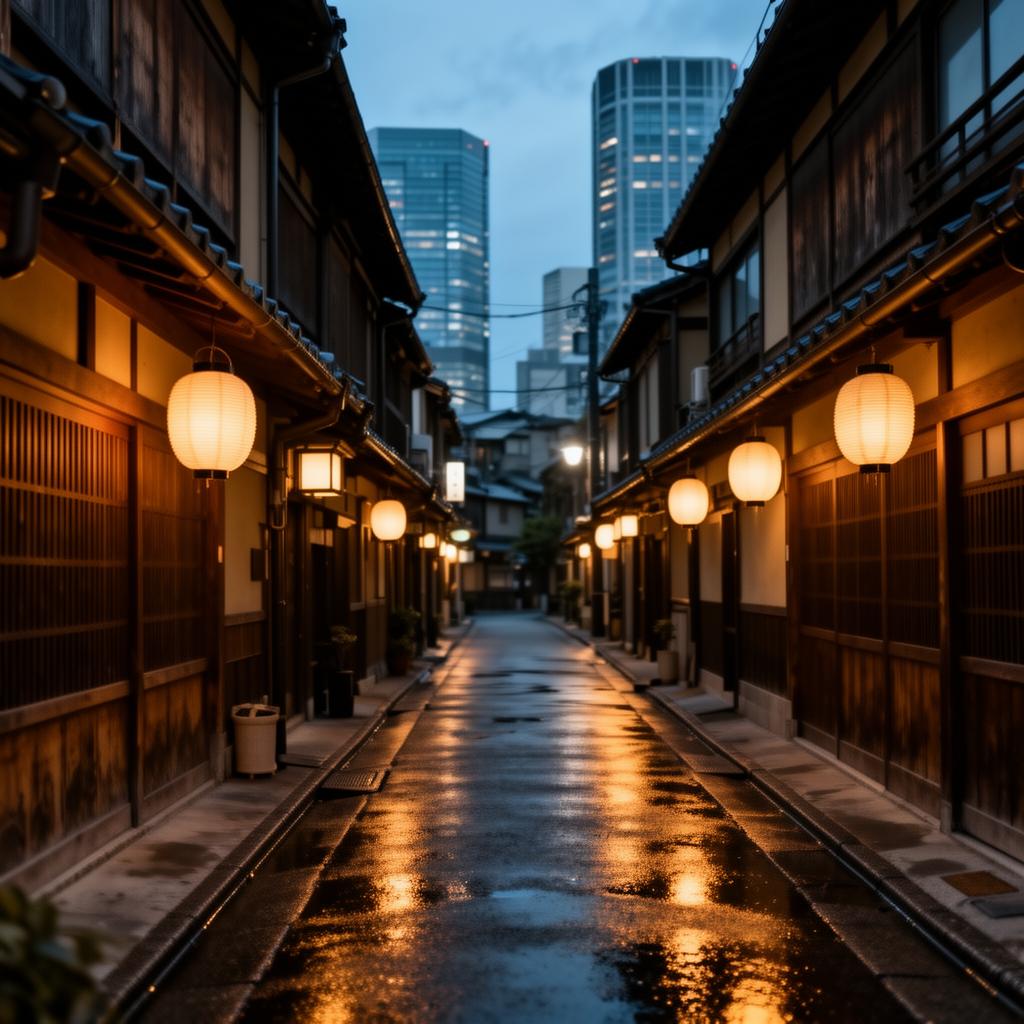
Ningyōchō 人形町
Best overall value
- Best for
- Travellers who want a central, calm and authentic Tokyo base at notably lower prices than nearby Ginza or Tokyo Station.
- Atmosphere
- Traditional and quiet. Old-Tokyo side streets, family-run restaurants, small temples and a slow, residential pace just minutes from the business district.
- Transport
- Hibiya and Asakusa Lines provide direct access to Ginza, Roppongi, Asakusa and both airports. Tokyo Station and Nihonbashi are within walking distance, while nearby connections to the Hanzomon Line and Shinjuku Line make Shibuya and Shinjuku easy to reach.
- Airport access
- Direct Asakusa Line trains to both Haneda and Narita without complicated transfers and Tokyo City Air Terminal for airport buses — rare for a budget area.
- Price level
- Mostly mid-range business hotels and serviced apartments, frequently 20–30% cheaper than equivalent rooms in Ginza or Minato.
Pros
- +Best price-to-location ratio in central Tokyo
- +Direct trains to both airports
- +Quiet, safe and walkable
- +Excellent local restaurants at neighbourhood prices
Cons
- −Limited nightlife after 10pm
- −Fewer ultra-cheap hostels than Asakusa or Ikebukuro
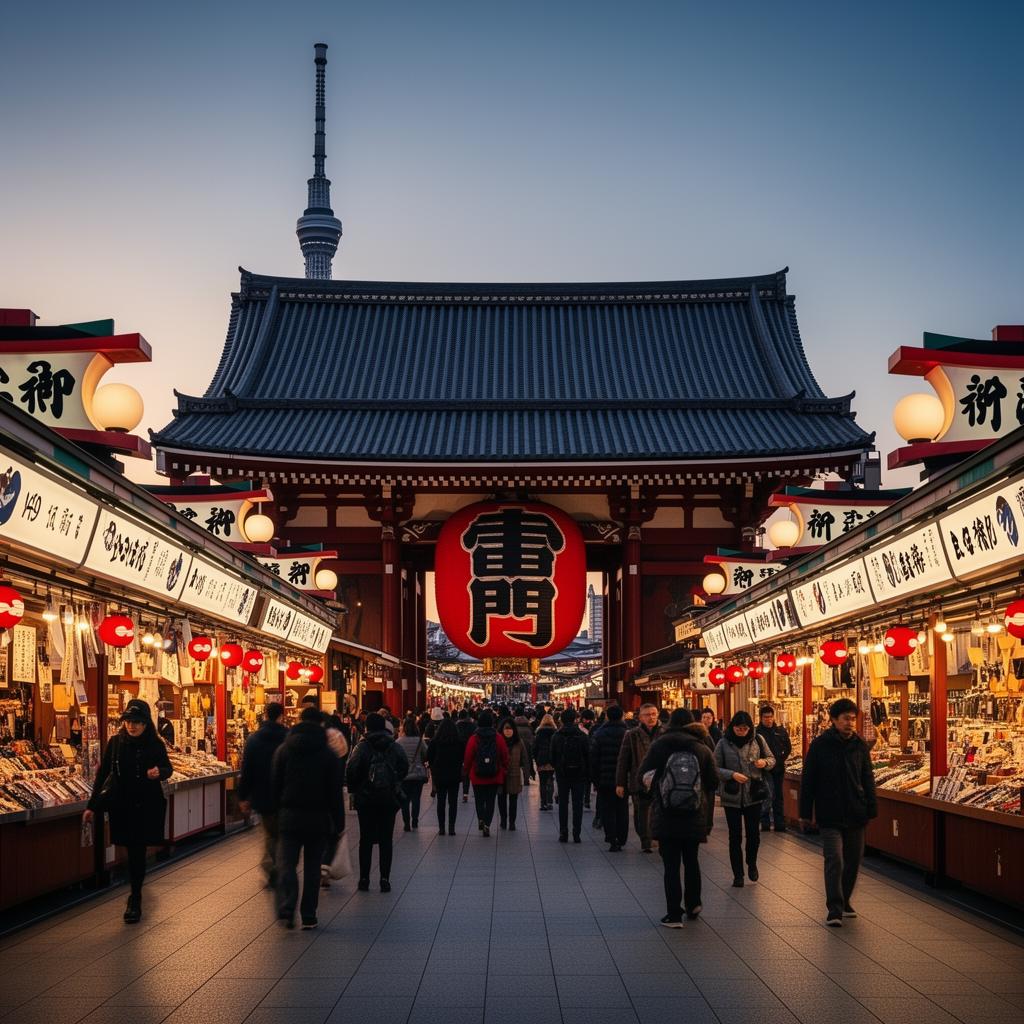
Asakusa 浅草
Cheapest hotels
- Best for
- Backpackers, solo travellers and anyone looking for the largest selection of hostels, guesthouses and traditional ryokan in central Tokyo.
- Atmosphere
- Old downtown Tokyo. Sensō-ji temple, Nakamise shopping street, low-rise streets and one of the strongest traditional atmospheres in the city.
- Transport
- Ginza, Asakusa and Tobu lines connect Asakusa to Ueno, Ginza and Nikko. A bit further from the JR Yamanote loop than Ueno.
- Airport access
- Direct Keisei and Asakusa Line trains to Narita and Haneda. No transfers needed for either airport.
- Price level
- One of the cheapest neighbourhoods in central Tokyo — hostels from very low rates, plenty of mid-range traditional ryokan and capsule hotels.
Pros
- +Largest selection of budget accommodation in central Tokyo
- +Strongest old-Tokyo atmosphere
- +Cheap restaurants, izakaya and street food
- +Direct airport access from both airports
Cons
- −Quiet at night — most shops close early
- −Slightly further from Shinjuku, Shibuya and Roppongi
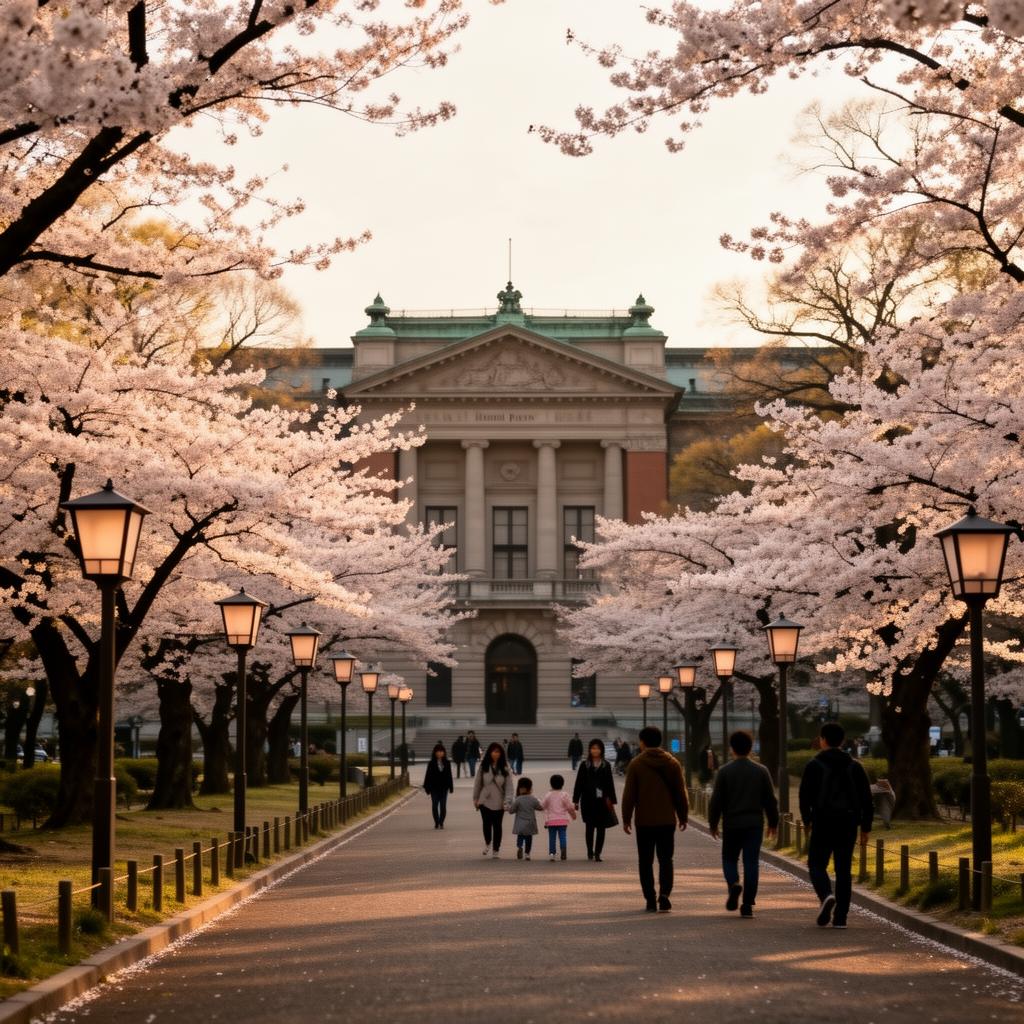
Ueno 上野
Best transport
- Best for
- Budget travellers who want the strongest transport hub of any affordable Tokyo neighbourhood, especially for trips outside the city.
- Atmosphere
- Lively but not chaotic. Ueno Park, museums, the Ameyoko market and a working-class energy give the area a relaxed, very local feel.
- Transport
- Excellent — JR Yamanote, Keihin-Tōhoku, Hibiya and Ginza lines all stop here, plus the Shinkansen at Ueno Station for trips to Tohoku.
- Airport access
- Direct Keisei Skyliner to Narita in about 40 minutes — the fastest budget-friendly airport route in Tokyo.
- Price level
- Solid mid-range business hotels at 10–25% less than equivalent Shinjuku rooms, plus several reliable budget chains around the station.
Pros
- +Best transport of any budget neighbourhood
- +Fastest Narita access (Skyliner)
- +Walkable to museums, parks, Ameyoko market
- +Convenient base for day trips north of Tokyo
Cons
- −Some streets around the station can feel a bit rough at night
- −Fewer luxury or design hotels
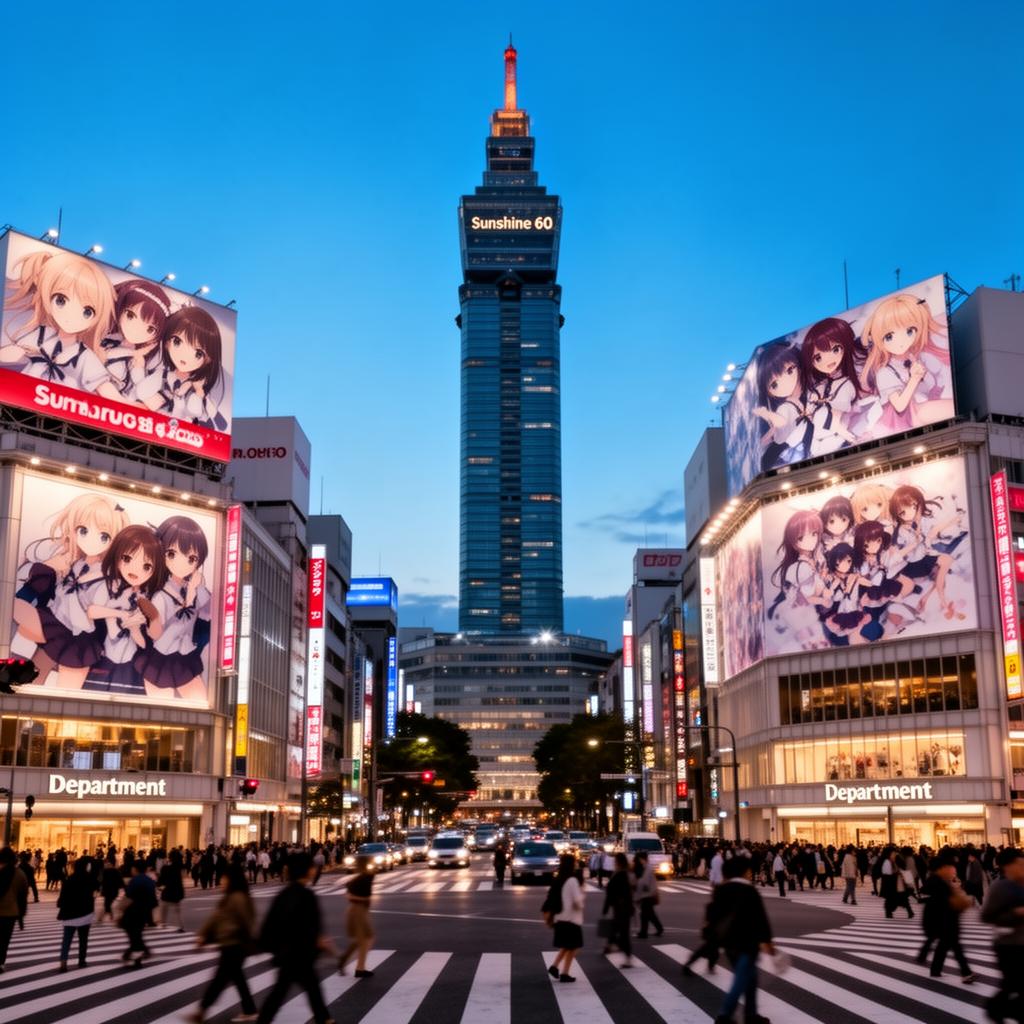
Ikebukuro 池袋
Best budget nightlife
- Best for
- Budget travellers who still want big-city energy — late-night izakaya, karaoke, shopping malls and quick Yamanote access to Shinjuku and Shibuya.
- Atmosphere
- Energetic and youthful. Two huge department-store complexes (Sunshine City and Seibu/Tobu), a strong izakaya scene and a lively east-exit nightlife area.
- Transport
- JR Yamanote Line, three subway lines and direct trains to Shinjuku in 5 minutes and Shibuya in 15 — one of Tokyo's best transport hubs.
- Airport access
- Limousine buses direct to both Narita and Haneda. Skyliner access via a short transfer at Nippori.
- Price level
- Wide range of affordable business hotels and capsule hotels at clearly lower prices than Shinjuku or Shibuya, despite being one stop away.
Pros
- +Cheaper than Shinjuku with similar convenience
- +Best nightlife in the budget category
- +Huge concentration of shops and restaurants
- +Excellent Yamanote connections
Cons
- −East exit can feel crowded and slightly seedy at night
- −Less traditional atmosphere
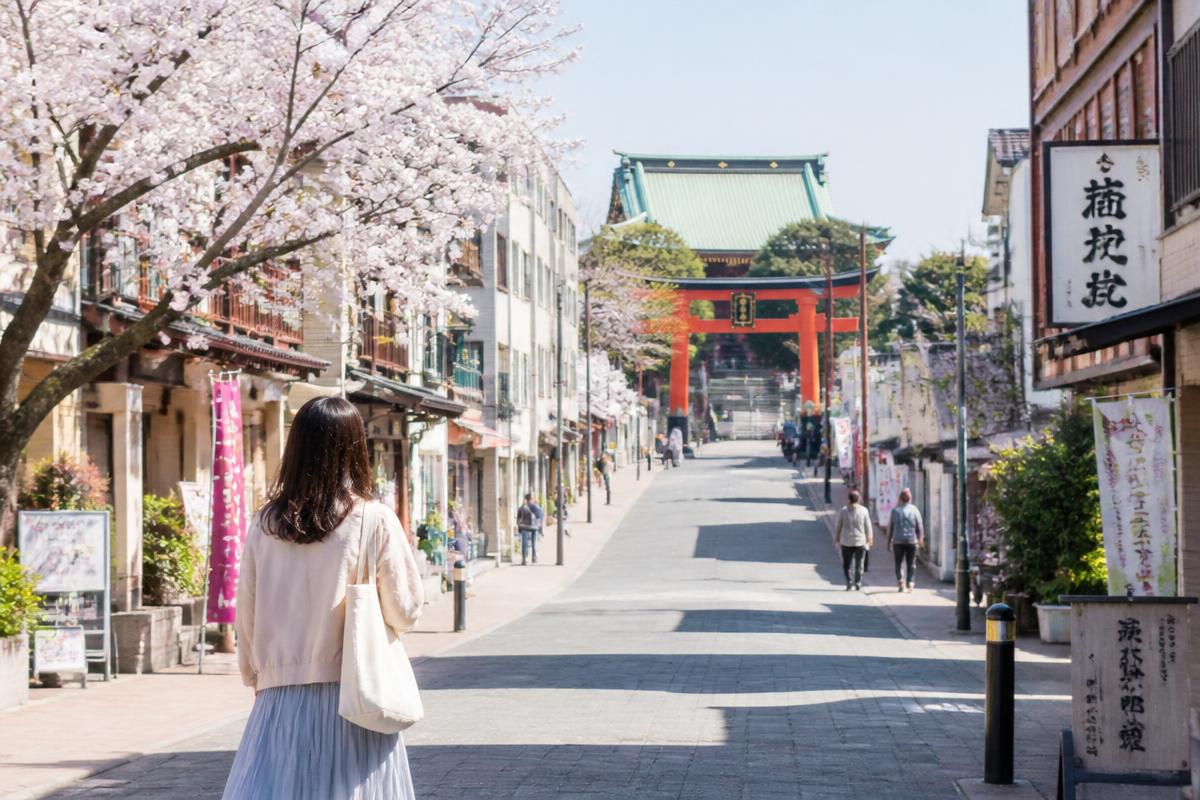
Kanda 神田
Best Central Budget Base
- Best for
- Business travellers, solo trips and anyone who wants a no-frills base inside the JR Yamanote loop, one stop from Tokyo Station.
- Atmosphere
- Practical and quiet. Office buildings by day, friendly local izakaya by night. Less character than Asakusa, but very central and efficient.
- Transport
- JR Yamanote, Keihin-Tōhoku and Chūō lines plus the Ginza subway. One stop from Tokyo Station, two from Akihabara.
- Airport access
- Direct N'EX (Narita Express) and Tokyo Monorail/Yamanote access to Haneda via Tokyo Station — all without leaving central Tokyo.
- Price level
- Dense cluster of reliable budget business hotels (APA, Toyoko Inn, Sotetsu Fresa, Dormy Inn). Often cheaper than Tokyo Station hotels just minutes away.
Pros
- +Excellent value for a Yamanote-loop location
- +Reliable budget business hotel chains
- +Easy access to Tokyo Station and Shinkansen
- +Good local izakaya scene in the evenings
Cons
- −Little nightlife after midnight
- −Less photogenic — quiet, functional streets
Budget areas compared
| Metric | Ningyōchō | Ueno | Asakusa | Ikebukuro | Kanda |
|---|---|---|---|---|---|
| Hotel prices | $$ | $–$$ | $–$$ | $–$$ | $–$$ |
| Food prices | $$ | $ | $ | $ | $$ |
| Transport | Very good | Excellent | Good | Excellent | Excellent |
| Airport access | Both (direct) | Narita (Skyliner) | Both (direct) | Both (bus) | Both (via Tokyo St.) |
| Walkability | Excellent | Very good | Excellent | Good | Very good |
| Nightlife | Quiet | Moderate | Quiet | Lively | Moderate |
| Families | Very good | Excellent | Very good | Okay | Good |
| Overall value | ★★★★★ | ★★★★☆ | ★★★★★ | ★★★★☆ | ★★★★☆ |
Which budget area is right for you?
Best budget area for first-time visitors
For first-time visitors on a budget, Ningyōchō offers the best balance of price, location and convenience. It sits in the heart of Tokyo, within easy reach of Tokyo Station, Ginza, Nihonbashi and many major attractions, while hotel prices are often noticeably lower than in nearby premium districts. Direct airport connections via the Asakusa Line, access to the Hibiya Line and convenient connections to Shibuya and Shinjuku make it one of the easiest bases for exploring the city. Ueno is a close second if airport access, museums and JR connections are your top priorities.
Cheapest area for hotels
Asakusa has the highest concentration of genuinely cheap accommodation in central Tokyo — hostels, guesthouses, capsule hotels and traditional ryokan all cluster around Sensō-ji. If your priority is the lowest nightly rate while staying in a real Tokyo neighbourhood with character, Asakusa wins. Ikebukuro is close on price for standard business hotels, but Asakusa has the deepest budget supply.
Best budget area for food
Asakusa is arguably One of Tokyo's best budget food neighbourhoods, while Ueno offers the widest variety of inexpensive local dining. Ameyoko market in Ueno is famous for cheap seafood, kushikatsu and standing bars, and Asakusa's old-town streets are full of family-run tempura, soba and monjayaki spots at neighbourhood prices. Ikebukuro adds late-night ramen and izakaya. Avoid Ginza-style streets nearby if you're watching costs.
Best budget area with nightlife
Ikebukuro is the clear winner. It has the energy of Shinjuku — multi-floor izakaya, karaoke chains, big malls and a busy east-exit nightlife scene — but hotels are visibly cheaper. You're also just 5 minutes by Yamanote to Shinjuku if you want to go out further afield, then come back to a cheaper bed.
Best budget area for families
Ueno is the best budget area for families. Ueno Park, the zoo and several major museums are walkable, the Skyliner is stroller-friendly, and there are plenty of apartment-style hotels and family rooms in mid-range price bands. Ningyōchō and Asakusa are also calm and safe — good options if you prefer a slower, more residential base.
Best budget area for business travelers
Kanda is built for this. It sits one stop from Tokyo Station on the Yamanote loop, has a dense cluster of reliable business hotel chains (APA, Toyoko Inn, Sotetsu Fresa, Dormy Inn) and gives you direct Shinkansen, N'EX and Haneda access without staying at the much more expensive hotels right next to Tokyo Station. Ningyōchō works well too if you also want a nicer post-work atmosphere.
Best value-for-money area in Tokyo
Ningyōchō is the best overall value in Tokyo. You get a genuinely central location, direct trains to both airports, quiet residential streets, excellent local restaurants — and mid-range hotel rates that are routinely 20–30% lower than equivalent rooms in Ginza, Marunouchi or Tokyo Station. For travellers who want to feel like locals without paying central-Tokyo premiums, Ningyōchō is hard to beat.
Final recommendation
Each of these five neighbourhoods is the right answer for a different kind of budget traveller. Use this short verdict to match yourself to one of them.
Choose
Ningyōchō
If you want the best overall value in central Tokyo — quiet, authentic streets, direct trains to both airports and mid-range hotels at outer-district prices.
Choose
Ueno
If you want the strongest transport of any budget area, Skyliner access to Narita and an easy walk to parks, museums and cheap food.
Choose
Asakusa
If you want the cheapest beds in central Tokyo, the strongest traditional atmosphere and the widest choice of hostels, capsule hotels and ryokan.
Choose
Ikebukuro
If you want budget hotels but still nightlife, shopping and 5-minute Yamanote access to Shinjuku and Shibuya.
Choose
Kanda
If you want a no-frills, well-located base on the Yamanote loop — perfect for business stays and travellers who use Tokyo Station and the Shinkansen.
Why not Shinjuku?
Shinjuku is one of the most famous places to stay in Tokyo, and for good reason. It has the largest hotel selection in the city, endless dining options, and the kind of neon-lit energy that many travellers picture when they think of Tokyo. It is a genuinely great area — but it is not always the best choice for budget travellers.
Hotel prices in Shinjuku are generally higher than in Ueno, Asakusa, Ningyōchō and Kanda. The same room category typically costs 20–40% more here than in nearby Ikebukuro or across town in Asakusa. Restaurants, bars and daily expenses also tend to carry a central-Shinjuku premium. Budget travellers who look just outside this famous district can often find a larger room, a quieter street and a better location-to-price ratio without sacrificing convenience.
Ueno provides faster airport access via the Keisei Skyliner and sits on the JR Yamanote Line at noticeably lower hotel rates. Asakusa offers cheaper accommodation and a more traditional Tokyo atmosphere, with direct airport trains on the Asakusa Line. Ningyōchō delivers a more central location at lower prices than Ginza or Tokyo Station, with direct access to both Haneda and Narita. For travellers watching their budget, these neighbourhoods often deliver more value for every yen spent.
Frequently asked questions
What is the cheapest area to stay in Tokyo?+
Asakusa is the cheapest central area to stay in Tokyo overall. It has the largest selection of hostels, guesthouses, capsule hotels and traditional ryokan in any central neighbourhood, with strong direct airport access via the Asakusa Line. Ikebukuro is the next cheapest for standard business hotels.
What is the best value area in Tokyo?+
Ningyōchō is the best value area in Tokyo. It combines a quiet, central location with direct train access to both airports and mid-range hotel rates that are typically 20–30% lower than equivalent rooms in Ginza, Marunouchi or Tokyo Station — without sacrificing location or convenience.
Is Tokyo expensive for tourists?+
Tokyo can be expensive, but it doesn't have to be. Hotels in budget-friendly neighbourhoods like Asakusa, Ueno, Ningyōchō, Ikebukuro and Kanda are often significantly cheaper than equivalent rooms in Shinjuku, Shibuya or Ginza, and local restaurants are surprisingly affordable compared with most major world capitals.
Is Ueno cheaper than Shinjuku?+
Yes. Ueno is consistently cheaper than Shinjuku for both hotels and restaurants while still offering excellent transport on the JR Yamanote Line and the fastest Narita Skyliner access. For budget-conscious travellers who still want a central, transport-rich base, Ueno is one of the strongest choices in Tokyo.
Where should budget travellers stay in Tokyo?+
Budget travellers should focus on Ningyōchō for overall value, Asakusa for the cheapest beds, Ueno for transport, Ikebukuro for nightlife, or Kanda for business stays. All five sit inside or just outside the JR Yamanote loop and offer noticeably better hotel rates than Shinjuku, Shibuya or Ginza.
Find your best budget area on the map
Use the interactive TokyoStayMap to filter neighbourhoods by price, transport, airport access and vibe — and see which budget district matches your trip best.
Keep exploring
Related Tokyo guides
More from the TokyoStayMap editorial series — pick the comparison that matches your trip.
Best areas for first-time visitors
The main hub guide — compare Shinjuku, Ueno, Shibuya, Ginza, Minato and Ningyōchō for a first Tokyo trip.
Read guideBest areas for nightlife
Shinjuku, Shibuya, Roppongi, Ebisu and Ginza compared for bars, clubs and late-night convenience.
Read guideBest areas for families
Family-friendly Tokyo areas with parks, apartment hotels, safety and easy transport for kids.
Read guideBest areas to stay for food lovers
Ginza, Shinjuku, Asakusa, Ueno and Ebisu/Nakameguro — Tokyo's strongest neighbourhoods for sushi, izakaya, Michelin dining and cafés.
Read guide