Quick comparison: Shinjuku vs Shibuya at a glance
Here's how Shinjuku and Shibuya compare across the categories most travelers care about. If you only have 30 seconds, this is the fastest way to pick.
See also: best areas for first-time visitors, best areas for nightlife and ginza vs shinjuku.
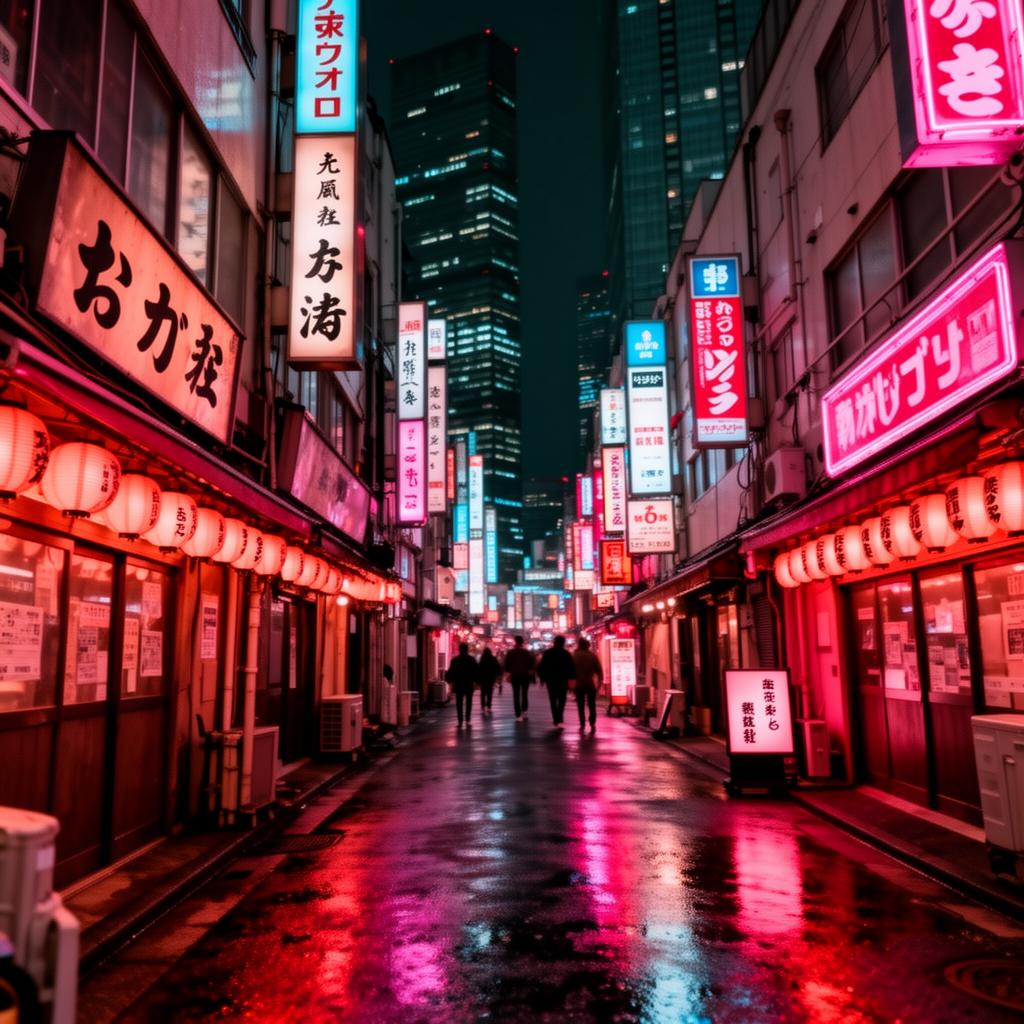
Best nightlife
Shinjuku
Golden Gai, Kabukicho, Ni-chōme and izakaya alleys.
Best transport
Shinjuku
World's busiest station — JR, subway, private lines, Narita Express.
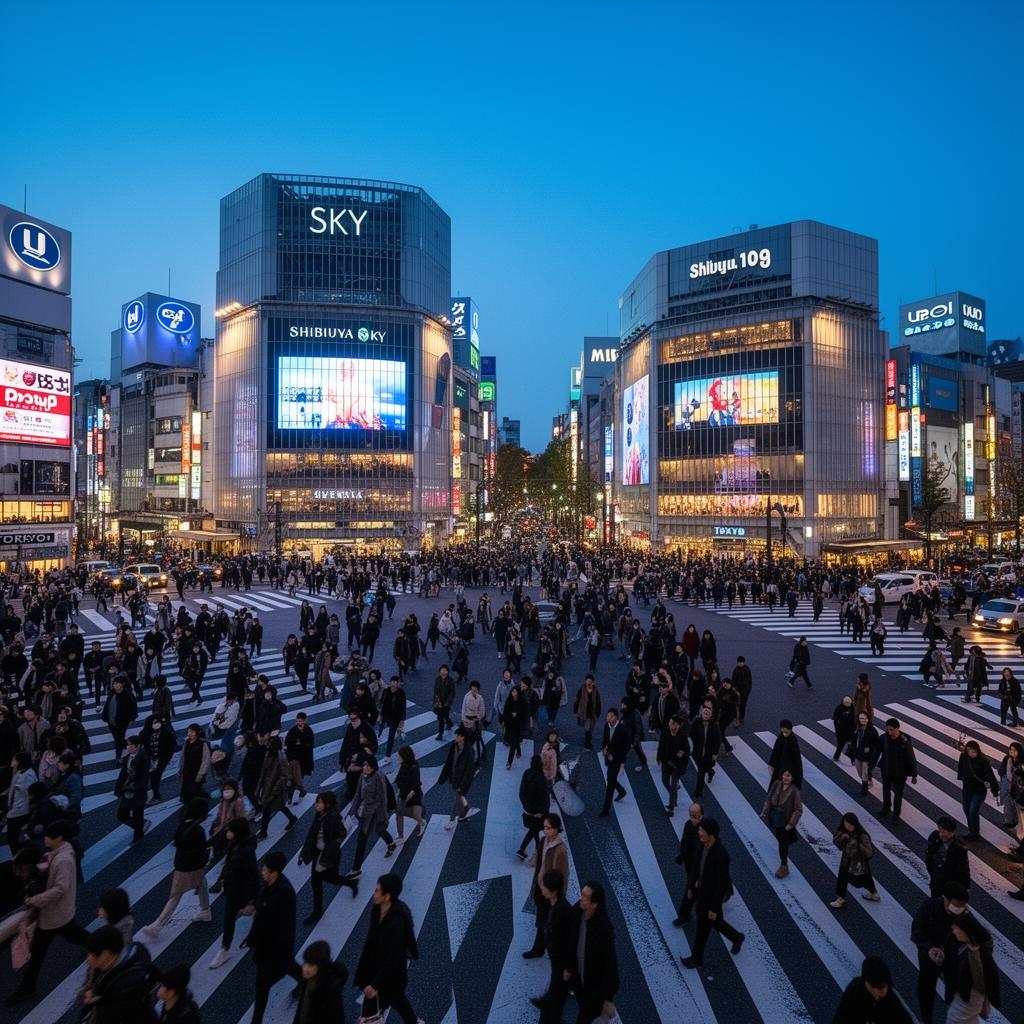
Best shopping
Shibuya
Shibuya Scramble, PARCO, Miyashita Park, fashion-forward boutiques.
Best day trips
Shinjuku
Direct trains to Hakone, Mount Fuji, Kawaguchiko and Kamakura.
Best for first-time visitors
Shinjuku
More hotels at every price, easier transport, more late-night food.
Best trendy atmosphere
Shibuya
Youthful, photogenic, fashion-driven and full of new openings.
Best hotel selection
Shinjuku
From capsules to luxury — the widest range in Tokyo.
Best late-night food
Shinjuku
Omoide Yokocho and Kabukichō serve food until sunrise.
Best for families
Shibuya
Shibuya Stream, Miyashita Park, Yoyogi Park and quieter side streets.
Side-by-side comparison
| Category | Shinjuku 新宿 | Shibuya 渋谷 |
|---|---|---|
| Atmosphere | Busy, neon-lit, energetic, cinematic | Trendy, youthful, photogenic, fashion-forward |
| Hotels | Largest selection in Tokyo — capsule to luxury | Mostly mid-range and upscale; fewer budget options |
| Transport | World's busiest station; JR + subway + private lines | JR Yamanote, Ginza/Hanzomon/Fukutoshin subway |
| Nightlife | Izakaya alleys, Golden Gai, Ni-chōme, Kabukicho clubs | Dance clubs, rooftop bars, live music venues |
| Shopping | Department stores, electronics, Don Quijote, Isetan | Scramble, PARCO, Miyashita Park, designer boutiques |
| Airport access | Narita Express direct + limousine bus to Haneda | Limousine bus to both; no direct Narita Express |
| Day trips | Direct to Hakone, Fuji, Kawaguchiko, Kamakura | Mainly via Shinagawa or transfers |
| Walkability | Big station, can feel maze-like | Compact, easy to walk between sights |
| Safety | Very safe overall; avoid Kabukicho touts at night | Very safe; crowds rather than risk |
| Prices | Wide range — budget to luxury | Mid-range to upscale on average |
Detailed comparison
Shinjuku vs Shibuya for first-time visitors
For a first trip to Tokyo, Shinjuku is usually the safer pick. It has the widest hotel selection at every price point, the busiest transport hub in the world, and almost every type of Tokyo experience — neon nightlife, calm gardens, skyline views, late-night food and direct trains to Hakone and Mount Fuji — all in one neighbourhood.
Shibuya is the better choice if you want to be in Tokyo's most photogenic and trend-driven district. It's smaller and easier to walk, and you'll be right next to the Scramble Crossing, Harajuku and Omotesandō. First-time travellers who care more about fashion, cafés and modern Tokyo culture will feel more at home in Shibuya.
Which area has better nightlife?
Shinjuku has the most varied nightlife in Tokyo. Golden Gai's tiny themed bars, the izakaya alleys of Omoide Yokocho, the clubs and host bars of Kabukicho and the queer nightlife of Ni-chōme are all walkable from each other. It's the best base if you want bars, clubs, karaoke and late-night food in one area.
Shibuya is younger, louder and more club-oriented. It's where you'll find Tokyo's biggest dance clubs, rooftop bars and live music venues. If you're under 30 and your priority is clubs and music, Shibuya wins — but Shinjuku still has more total options and runs later in more places.
Which area is better for shopping?
Shibuya is Tokyo's trendiest shopping district for fashion and youth culture. Shibuya Scramble Square, PARCO, Miyashita Park, Shibuya 109 and the boutiques of Harajuku and Omotesandō are all within a short walk. It's the best area in Tokyo for streetwear, designer fashion and trend-spotting.
Shinjuku is better for department stores, electronics and one-stop shopping. Isetan, Takashimaya, Bic Camera and the giant Don Quijote in Kabukicho cover almost everything in one neighbourhood. For souvenirs, beauty products and electronics, Shinjuku is more efficient; for fashion, Shibuya wins.
Which area has better transport?
Shinjuku has objectively better transport. Shinjuku Station is the busiest train station in the world, with JR Yamanote, Chuo, Saikyo, Shonan-Shinjuku, Marunouchi, Oedo, Shinjuku, Odakyu and Keio lines, plus the Narita Express direct to Narita Airport and limousine buses to Haneda from major hotels.
Shibuya is still excellent — JR Yamanote, Ginza, Hanzomon, Fukutoshin and Tokyu lines all meet there — but it doesn't have a direct Narita Express and offers fewer regional connections. For multi-region trips (Mount Fuji, Hakone, Kamakura, day trips), Shinjuku is the stronger base.
Which area is safer?
Both Shinjuku and Shibuya are extremely safe by global standards — Tokyo has very low street crime, and walking back to a hotel after midnight is normal. Police boxes (kōban) are everywhere, and women travelling alone generally feel comfortable in both areas.
The main exception is Kabukicho in Shinjuku, where touts may try to lead tourists into overpriced bars or clubs. Ignore street promoters and never sign a bill you haven't seen, and you'll be fine. Shibuya is mostly busy rather than risky — the biggest hazard is the crowd around the Scramble Crossing.
Which area is cheaper?
Shinjuku is cheaper on average. It has more budget business hotels, capsule hotels and mid-range options, especially around Higashi-Shinjuku, Shin-Okubo and the west side. You can find a decent room in Shinjuku for noticeably less than in Shibuya.
Shibuya skews mid-range to upscale and has fewer true budget options. Restaurants, cafés and shopping are also slightly more expensive on average. For travellers on a tight budget, Shinjuku usually wins; for travellers prioritising style over price, Shibuya is worth the premium.
Which area is better for day trips?
Shinjuku is the best base in Tokyo for day trips. The Odakyu Romancecar leaves Shinjuku Station directly for Hakone, Fuji Excursion trains and highway buses run to Mount Fuji and Kawaguchiko, and JR lines reach Kamakura and Nikko with minimal transfers.
From Shibuya you'll usually need to transfer at Shinagawa, Tokyo or Shinjuku to reach the same destinations. Shibuya is still fine for nearby trips like Yokohama or Kichijōji, but for multi-day-trip itineraries, Shinjuku saves real time.
Final recommendation
Choose Shinjuku if…
- ✓It's your first time in Tokyo and you want everything in one place
- ✓You want the widest hotel selection at every price
- ✓You care about nightlife, izakayas and late-night food
- ✓You're planning day trips to Hakone, Mount Fuji or Kamakura
- ✓You want a direct train to Narita Airport
- ✓You're travelling on a tighter budget
Choose Shibuya if…
- ✓You want to be in Tokyo's trendiest, most photogenic district
- ✓Shopping, fashion and cafés are your priority
- ✓You want to walk to Harajuku and Omotesandō
- ✓You prefer clubs, rooftop bars and live music over izakayas
- ✓You like a smaller, more walkable neighbourhood
- ✓You're travelling with kids and want quieter side streets
Frequently asked questions
Is Shinjuku or Shibuya better for tourists?+
Shinjuku is generally better for tourists, especially first-time visitors. It has more hotels at every price point, the busiest transport hub in the world with direct trains to Narita Airport, and the widest range of nightlife, restaurants and day trips in Tokyo. Shibuya is better if your priority is fashion, shopping and a younger, more photogenic vibe.
Which area is safer at night?+
Both Shinjuku and Shibuya are very safe at night by international standards. Shibuya is mostly just very crowded. In Shinjuku, the only area to be slightly careful in is Kabukicho — ignore touts who try to lead you to bars and never sign a bill you haven't seen. With basic awareness, both areas are comfortable to walk around late at night.
Which area has better transport?+
Shinjuku has better transport. Shinjuku Station is the world's busiest, with JR, multiple subway lines, private railways, a direct Narita Express to Narita Airport and limousine buses to Haneda. Shibuya is still excellent for getting around central Tokyo, but it has fewer regional connections and no direct Narita Express.
Is Shibuya more expensive than Shinjuku?+
On average, Shibuya is slightly more expensive than Shinjuku. Hotels in Shibuya skew mid-range to upscale with fewer real budget options, and restaurants and shopping are a bit pricier. Shinjuku has more budget business hotels, capsule hotels and cheap eats, especially around Higashi-Shinjuku and Shin-Okubo.
Which area is better for first-time visitors?+
Shinjuku is usually the best area in Tokyo for first-time visitors. You get the widest hotel selection, the best transport for both city travel and day trips, and almost every type of Tokyo experience — neon streets, gardens, skyline views, izakayas and late-night food — in one neighbourhood. Shibuya is a strong second choice if fashion and modern culture matter more to you than nightlife.
Not sure? Find your ideal area
Use the TokyoStayMap interactive map to filter Tokyo neighbourhoods by airport access, budget, atmosphere, nightlife and family-friendliness — and see exactly where to stay.
Keep exploring
Related Tokyo guides
More from the TokyoStayMap editorial series — pick the comparison that matches your trip.
Best areas for first-time visitors
The main hub guide — compare Shinjuku, Ueno, Shibuya, Ginza, Minato and Ningyōchō for a first Tokyo trip.
Read guideBest areas for nightlife
Shinjuku, Shibuya, Roppongi, Ebisu and Ginza compared for bars, clubs and late-night convenience.
Read guideBest areas for families
Family-friendly Tokyo areas with parks, apartment hotels, safety and easy transport for kids.
Read guideBest areas to stay on a budget
Ningyōchō, Ueno, Asakusa, Ikebukuro and Kanda — One of Tokyo's best value neighbourhoods for budget travellers.
Read guide