Quick comparison: Shinjuku vs Ueno at a glance
Here's how Shinjuku and Ueno compare across the categories most travelers care about. If you only have 30 seconds, this is the fastest way to pick.
See also: best areas for first-time visitors, shinjuku vs shibuya and ginza vs shinjuku.
Best for first-time visitors
Shinjuku
Widest hotel choice, neon nightlife and direct trains to almost everywhere.
Best nightlife
Shinjuku
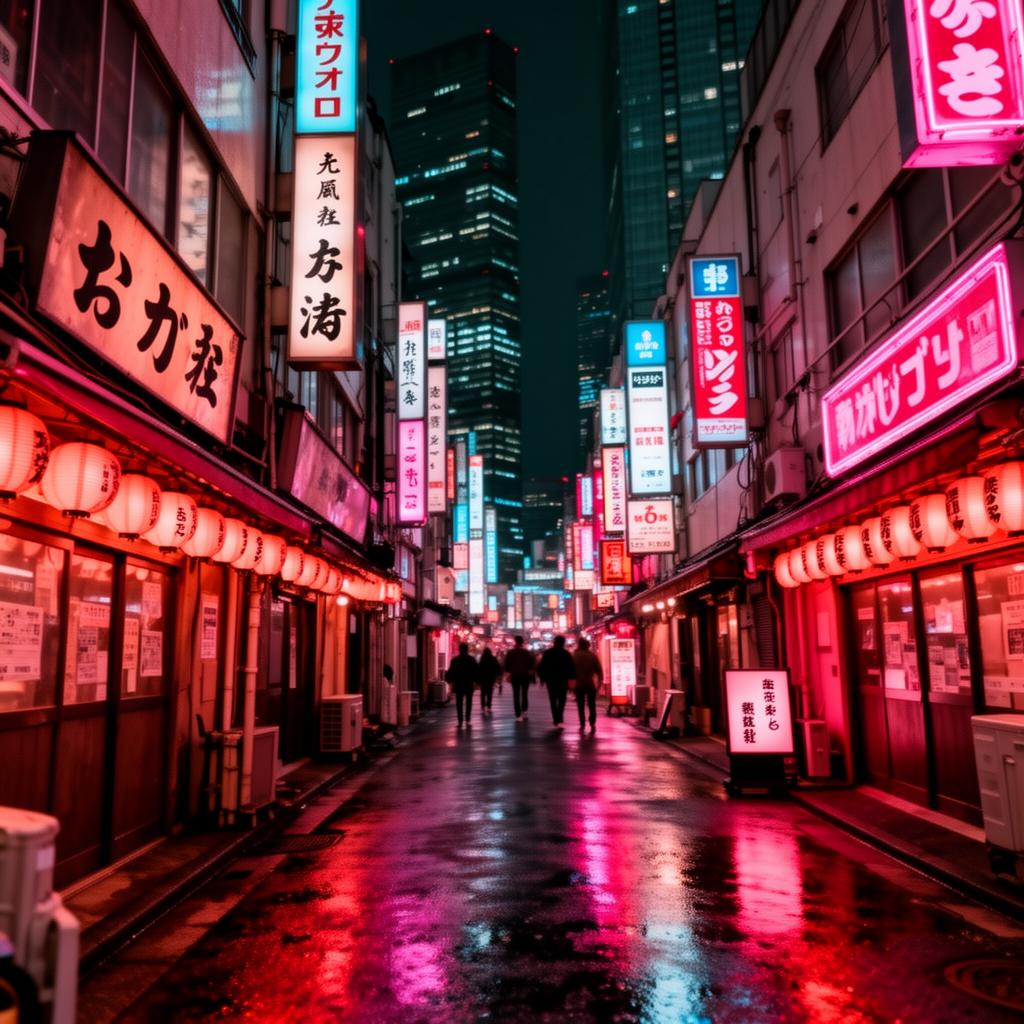
Golden Gai, Kabukicho, Ni-chōme and izakaya alleys until sunrise.
Best budget hotels
Ueno
Excellent value business hotels, hostels and ryokan-style stays near the park.
Best transport
Shinjuku
World's busiest station — JR, subway, private lines and the Narita Express.
Best airport access
Ueno
Keisei Skyliner to Narita in 41 minutes and direct trains to Haneda via Asakusa Line.
Best for families
Ueno
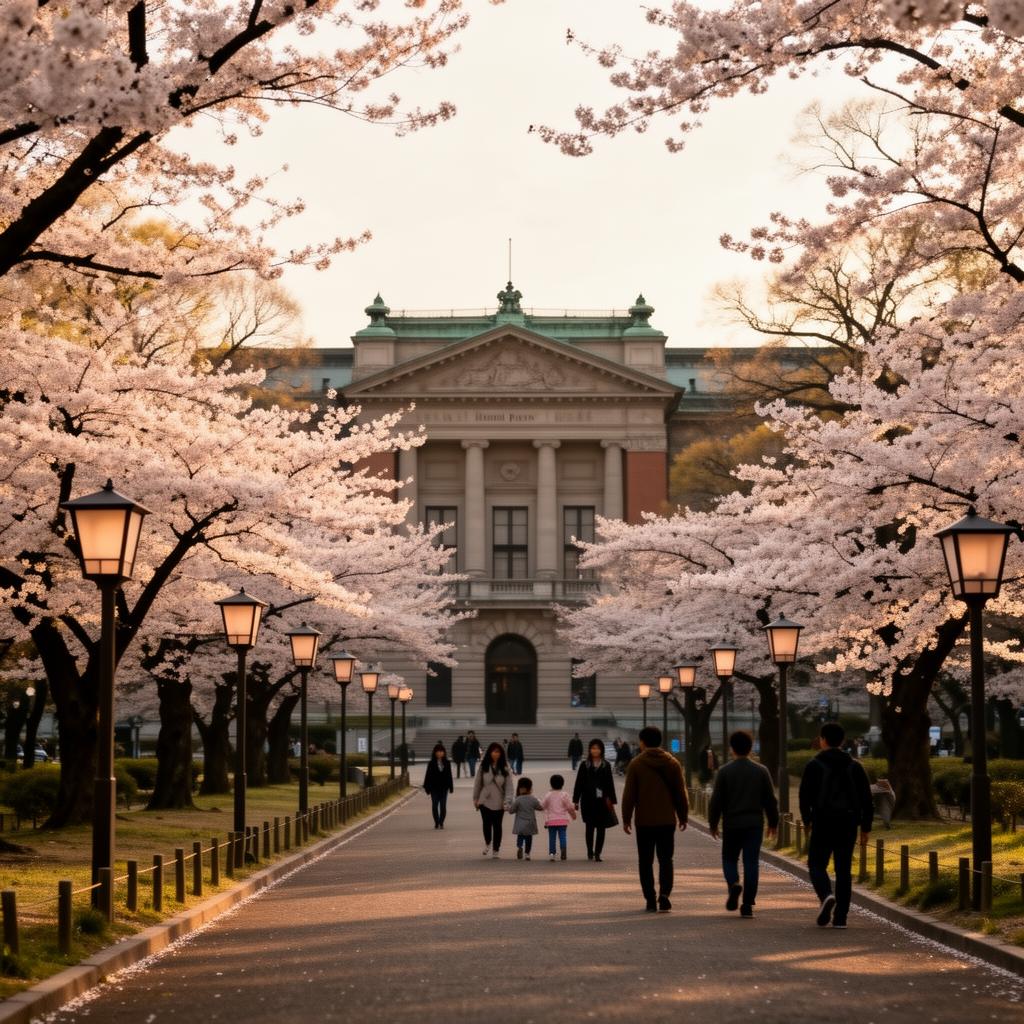
Ueno Park, the zoo, museums and quieter streets around Yanaka.
Best museums and culture
Ueno
Tokyo National Museum, Ueno Park and the densest cluster of major museums in Japan.
Best day trips
Ueno
Direct shinkansen from Ueno Station to Nikko, Sendai, Tohoku and Hokkaido.
Best shopping
Shinjuku
Isetan, Lumine, NEWoMan, Bic Camera, Don Quijote and global flagships.
Best hotel variety
Shinjuku
From capsule hotels to Park Hyatt — the widest range in Tokyo.
Side-by-side comparison
| Category | Shinjuku 新宿 | Ueno 上野 |
|---|---|---|
| Atmosphere | Neon, busy, energetic, cinematic | Calmer, local, leafy, museum-district feel |
| Hotels | Largest range in Tokyo — capsule to luxury | Strong mid-range and budget; few true luxury hotels |
| Transport | World's busiest station; JR + subway + private lines | JR Yamanote, Keihin-Tohoku, Keisei, shinkansen and 5 subway lines |
| Airport access | Narita Express direct + limousine bus to Haneda | Keisei Skyliner to Narita in 41 min; Asakusa Line direct to Haneda |
| Nightlife | Golden Gai, Kabukicho, Ni-chōme, izakaya alleys | Local izakaya around Ameyoko, quieter after midnight |
| Shopping | Isetan, Lumine, NEWoMan, Bic Camera, Don Quijote | Ameyoko market, Atré, Matsuzakaya, everyday shops |
| Food scene | Every cuisine, late-night ramen and izakaya | Ameyoko street food, sushi, tonkatsu, traditional kissaten |
| Families | Convenient but busy and crowded | Ueno Park, zoo, museums, calmer streets, family rooms |
| Day trips | Hakone, Mount Fuji, Kawaguchiko, Kamakura | Nikko, Sendai, Tohoku and Hokkaido via Tohoku Shinkansen |
| Safety | Very safe; avoid Kabukicho touts at night | Very safe and notably calm in the evenings |
| Prices | Wide range — budget to luxury | Cheaper on average; great value mid-range |
Detailed comparison
Shinjuku vs Ueno for first-time visitors
For a first trip to Tokyo, Shinjuku is the more obvious all-rounder. The world's busiest transport hub puts almost the entire city — and most regional day trips — one direct train away, and the neighbourhood combines neon nightlife, calm gardens, skyline views and late-night food into one easy base. If you want to do as much of Tokyo as possible from one hotel, Shinjuku is hard to beat.
Ueno is the better choice if you prefer a calmer, more affordable base with strong cultural depth. You're a few minutes from Ueno Park, the Tokyo National Museum, Asakusa and the Skyliner to Narita, and the surrounding streets feel noticeably more local than central Tokyo. First-time travellers who want a slower pace — or a shorter ride from the airport — often prefer Ueno.
Which area is cheaper?
Ueno is cheaper on average. Mid-range business hotels, hostels and small ryokan-style stays around the station and Ueno Park offer some of the best value in central Tokyo, and restaurants in Ameyoko and the side streets are noticeably less expensive than equivalents in Shinjuku.
Shinjuku covers the full price range — capsule hotels around Shin-Okubo, mid-range chains across the area and luxury towers near the West Exit — but a comparable room is usually 10–25% more than in Ueno. If your priority is value without sacrificing transport, Ueno is the easier win.
Which area has better transport?
Shinjuku has objectively more lines. Shinjuku Station is the world's busiest, with the JR Yamanote, Chuo, Saikyo and Shonan-Shinjuku lines, the Marunouchi, Oedo and Shinjuku subway lines, the Odakyu and Keio private railways and the Narita Express. For pure breadth of destinations across Tokyo and beyond, nothing matches it.
Ueno is still excellent, especially if airport access matters. JR Yamanote and Keihin-Tohoku lines circle the city, the Ginza and Hibiya subway lines reach Ginza and Roppongi in minutes, the Keisei Skyliner runs to Narita in 41 minutes and Ueno Station is a major shinkansen stop for Tohoku and Hokkaido. For most travellers, Shinjuku wins on volume — Ueno wins on simplicity.
Which area is better for families?
Ueno is the more family-friendly of the two. Ueno Park covers museums, the zoo, ponds and wide pedestrian paths within a short walk of most hotels, and quieter streets towards Yanaka feel safe and easy with kids and strollers. Many hotels around the station offer family rooms and a less hectic check-in experience.
Shinjuku is convenient — Shinjuku Gyoen is one of Tokyo's best parks, and many hotels have triple and family rooms — but the area around the station and Kabukicho is crowded, neon-lit and not ideal for small children at night. For families prioritising calm and culture, Ueno is the clearer pick.
Which area has better nightlife?
Shinjuku wins clearly for nightlife. Golden Gai's themed micro-bars, the izakaya alleys of Omoide Yokocho, the clubs and host bars of Kabukicho and the queer nightlife of Ni-chōme are all walkable from each other, and many stay open until sunrise. It is the best base in Tokyo if drinks, music and late-night food are a priority.
Ueno's nightlife is more local and lower-key. Ameyoko and the side streets have lively standing izakaya and small bars that fill up after work, but most places wind down by midnight. It is a good area for an authentic evening rather than a long night out.
Which area is better for airport access?
Ueno is one of the easiest areas in central Tokyo for the airport. The Keisei Skyliner runs from Keisei Ueno to Narita Airport in 41 minutes with no transfers, and the Asakusa Line via Ueno-Hirokoji and Higashi-Ginza offers direct trains to Haneda Airport. For luggage-heavy travellers, Ueno is hard to beat.
Shinjuku has the Narita Express direct to Narita and limousine buses to both airports from major hotels, but Skyliner from Ueno is consistently faster to Narita and arguably more comfortable. If your priority is a short, simple ride to or from the airport, Ueno wins.
Which area is better for food and culture?
Ueno is Japan's densest museum district. Tokyo National Museum, the National Museum of Western Art, the National Museum of Nature and Science and the Tokyo Metropolitan Art Museum all sit inside Ueno Park, with Yanaka's temples and old-town streets just to the north. Food skews local — Ameyoko's street food, classic kissaten cafés, tonkatsu specialists and excellent sushi at every price.
Shinjuku has world-class breadth rather than depth. Every cuisine is represented, from Michelin-starred sushi to late-night ramen and global flagships, and you can eat at any hour. For cultural sights, Shinjuku Gyoen, the Samurai Museum and the observation decks at the Tokyo Metropolitan Government Building are the main draws — fewer in number than Ueno, but easier to combine with shopping and nightlife.
Which area is better for day trips?
It depends on the destination. From Shinjuku, the Odakyu Romancecar runs directly to Hakone, the Fuji Excursion and highway buses reach Mount Fuji and Kawaguchiko, and JR lines reach Kamakura with minimal transfers. It is the strongest base for trips west and south of Tokyo.
From Ueno, the Tohoku, Joetsu and Hokkaido shinkansen all stop at Ueno Station, giving you direct access to Nikko, Sendai, Yamagata, Niigata and Hokkaido. For trips north and east of Tokyo, Ueno is faster and more convenient than Shinjuku.
Final recommendation
Choose Shinjuku if…
- ✓It's your first time in Tokyo and you want everything in one place
- ✓You want the widest hotel selection at every price
- ✓Nightlife, izakayas and late-night food are a priority
- ✓You're planning day trips to Hakone, Mount Fuji or Kamakura
- ✓You want the maximum range of trains and direct lines
- ✓You're booking a luxury hotel like Park Hyatt or Hyatt Regency
Choose Ueno if…
- ✓You want a calmer, more affordable base in central Tokyo
- ✓Easy airport access matters (Skyliner to Narita in 41 min)
- ✓You're travelling as a family and want parks and museums nearby
- ✓Museums, culture and Yanaka old-town walks are a priority
- ✓You're planning shinkansen day trips to Nikko, Sendai or Tohoku
- ✓You want strong value mid-range hotels rather than luxury
Frequently asked questions
Is Shinjuku or Ueno better for first-time visitors?+
Both work well for a first trip. Shinjuku is the easier all-rounder thanks to the widest hotel selection, the world's busiest station and direct trains to Hakone and Mount Fuji. Ueno is better for travellers who want a calmer, more affordable base with strong cultural depth — Ueno Park, major museums and a fast 41-minute Skyliner from Narita are all close by.
Is Ueno cheaper than Shinjuku?+
Yes, on average. Mid-range business hotels, hostels and small ryokan-style stays in Ueno are some of the best value in central Tokyo, and Ameyoko's restaurants are noticeably cheaper than equivalents in Shinjuku. Comparable rooms in Ueno are typically 10–25% less expensive than in Shinjuku.
Which area has better transport?+
Shinjuku has more lines and more destinations — it's the world's busiest station, with JR, multiple subway lines, two private railways and the Narita Express. Ueno is still excellent, especially for airport access: the Keisei Skyliner reaches Narita in 41 minutes and Ueno is a major shinkansen stop for Tohoku and Hokkaido. Shinjuku wins on volume, Ueno on simplicity.
Is Ueno a good area to stay in Tokyo?+
Yes — Ueno is one of the most underrated areas to stay in central Tokyo. It's on the JR Yamanote loop, has direct trains to both airports, sits next to Ueno Park and Tokyo's densest cluster of museums, and offers some of the best value mid-range hotels in the city. It's especially strong for families, museum lovers and travellers who want a calmer, more local atmosphere.
Which area is better for families?+
Ueno is the more family-friendly choice. Ueno Park, the zoo, the major museums and quieter streets around Yanaka are all walkable from most hotels, and many properties offer family rooms. Shinjuku has Shinjuku Gyoen and plenty of family-sized rooms but the area around the station and Kabukicho is crowded and neon-lit at night, which is less comfortable with small children.
Not sure? Find your ideal area
Use the TokyoStayMap interactive map to filter Tokyo neighbourhoods by airport access, budget, atmosphere, nightlife and family-friendliness — and see exactly where to stay.
Keep exploring
Related Tokyo guides
More from the TokyoStayMap editorial series — pick the comparison that matches your trip.
Best areas for first-time visitors
The main hub guide — compare Shinjuku, Ueno, Shibuya, Ginza, Minato and Ningyōchō for a first Tokyo trip.
Read guideBest areas for nightlife
Shinjuku, Shibuya, Roppongi, Ebisu and Ginza compared for bars, clubs and late-night convenience.
Read guideBest areas for families
Family-friendly Tokyo areas with parks, apartment hotels, safety and easy transport for kids.
Read guideBest areas to stay on a budget
Ningyōchō, Ueno, Asakusa, Ikebukuro and Kanda — One of Tokyo's best value neighbourhoods for budget travellers.
Read guide