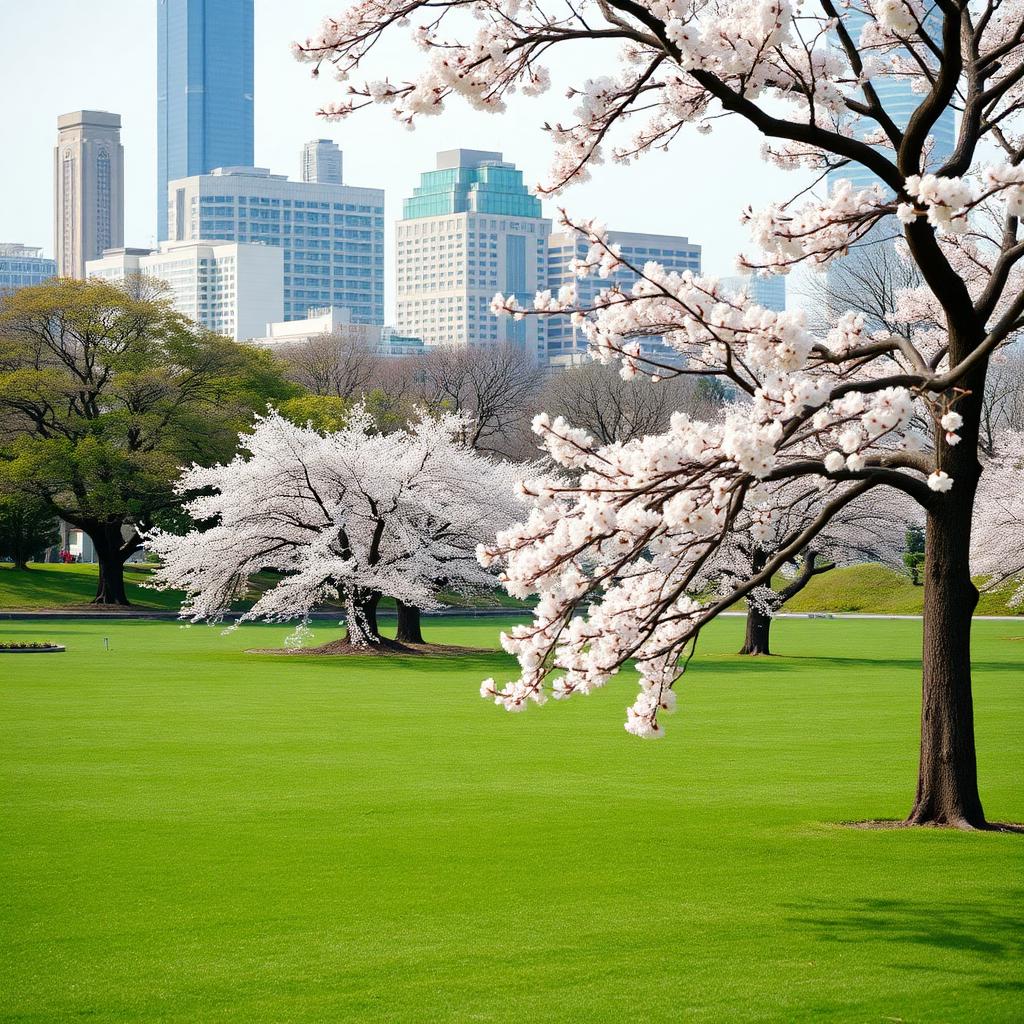
Shinjuku Gyoen新宿御苑
58-hectare national garden mixing Japanese, English and French styles — One of Tokyo's best cherry-blossom spots minutes from the station.
Tokyo neighborhood
Tokyo's busiest hub — the world's most-used station, non-stop nightlife in Kabukicho and Golden Gai, sky-high hotels in Nishi-Shinjuku, and direct trains to almost anywhere in Japan.
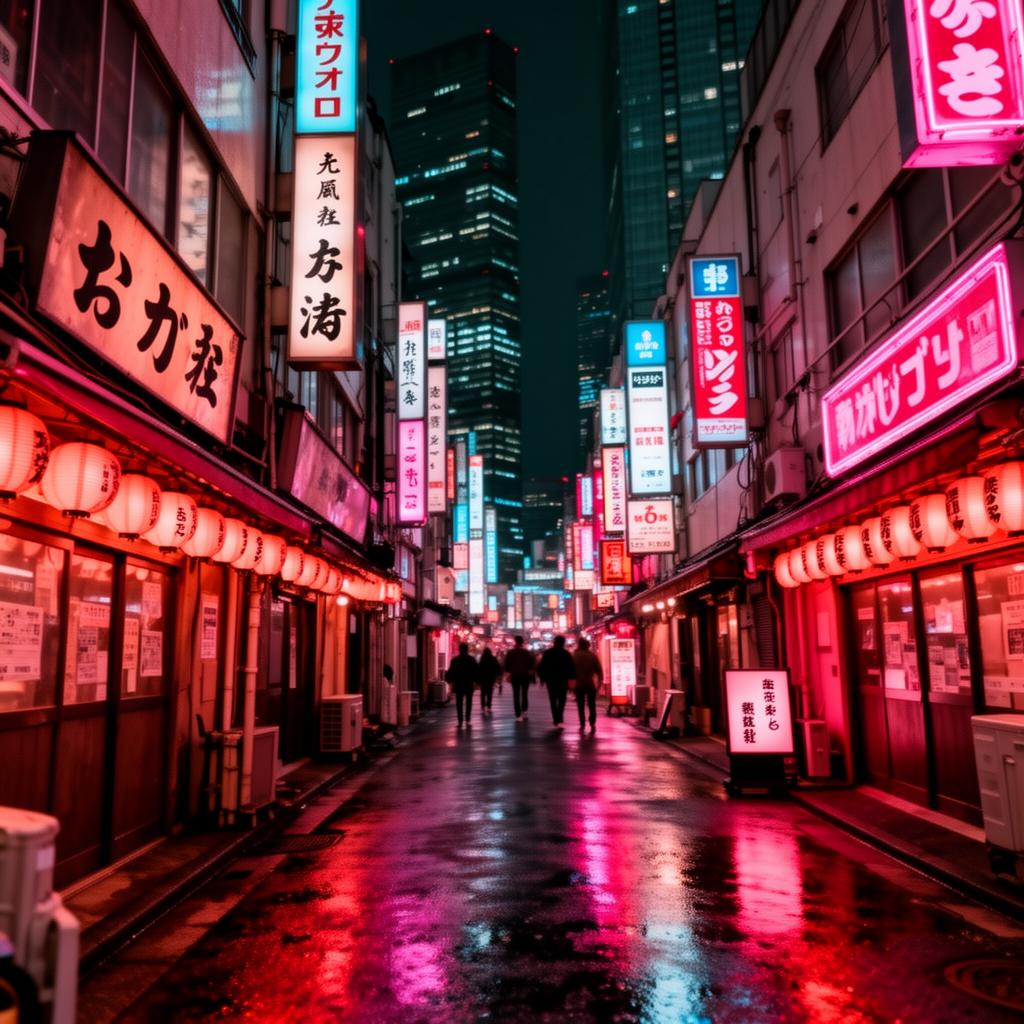
Tokyo's biggest transport hub — JR Yamanote, Chuo, Odakyu, Keio, 4 metro lines.
Non-stop nightlife: Kabukicho, Golden Gai and Omoide Yokocho all walkable.
Full range of hotels — capsule pods to 5-star skyscraper stays in Nishi-Shinjuku.
Narita Express (N'EX) and Airport Limousine buses run direct from Shinjuku Station.
Depachika, ramen streets and izakaya on every corner.
Shinjuku Gyoen national garden and free skyline views from the TMG observatories.
Best for
First-time visitors, nightlife, shopping, business travellers
Budget
$–$$$$ · capsules and business hotels through to 5-star skyscrapers
Atmosphere
Neon, skyscrapers, crowds — the loudest, brightest side of Tokyo
Airport access
Narita Express direct · Airport Limousine bus to Haneda & Narita
Transport
JR Yamanote, Chuo, Sobu, Saikyo · Odakyu · Keio · Marunouchi, Oedo, Shinjuku Lines
Signature
Kabukicho, Golden Gai, Shinjuku Gyoen, TMG skyscrapers
A curated selection of hotels in Shinjuku — from capsule and business hotels near the station to skyscraper 5-stars in Nishi-Shinjuku and boutique stays near Shinjuku Gyoen.
58-hectare national garden mixing Japanese, English and French styles — One of Tokyo's best cherry-blossom spots minutes from the station.
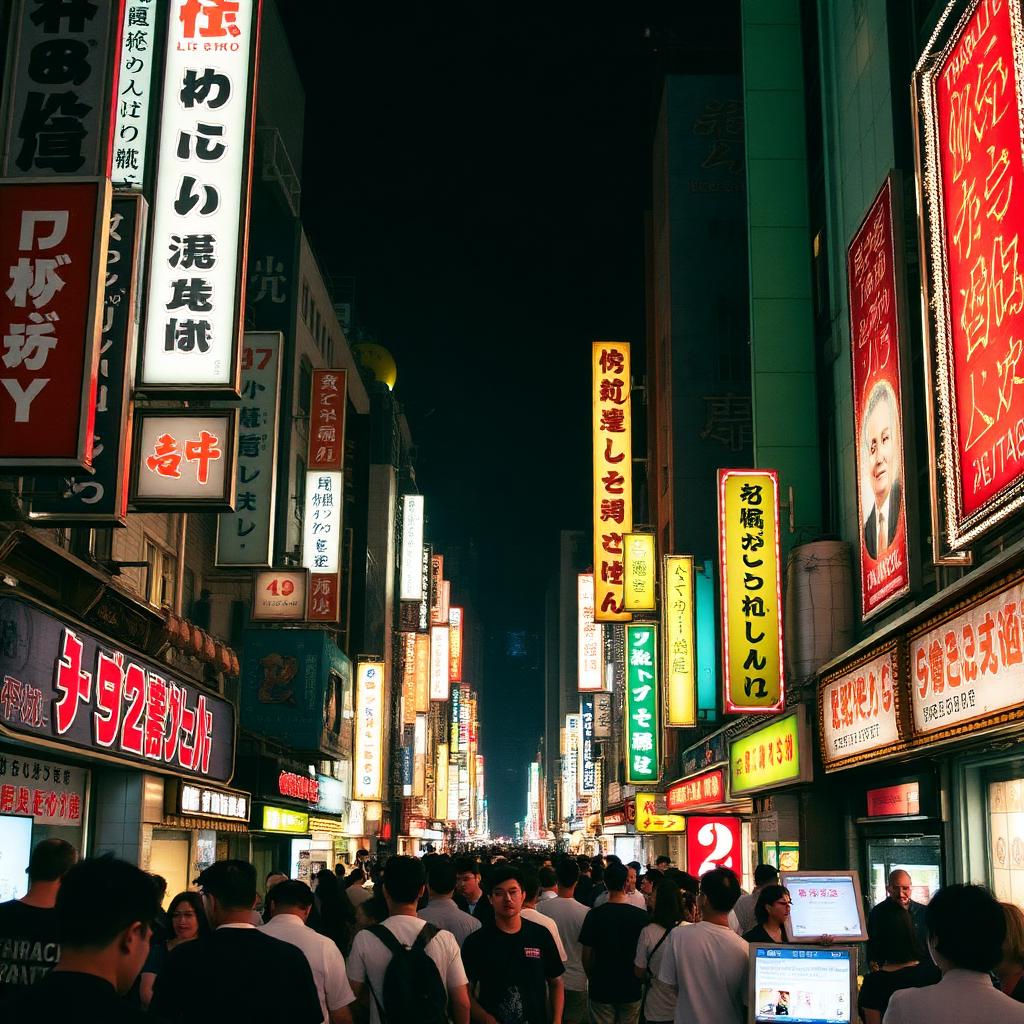
Tokyo's largest entertainment district — neon streets, izakaya, arcades, cinemas and the giant Godzilla head above Toho.
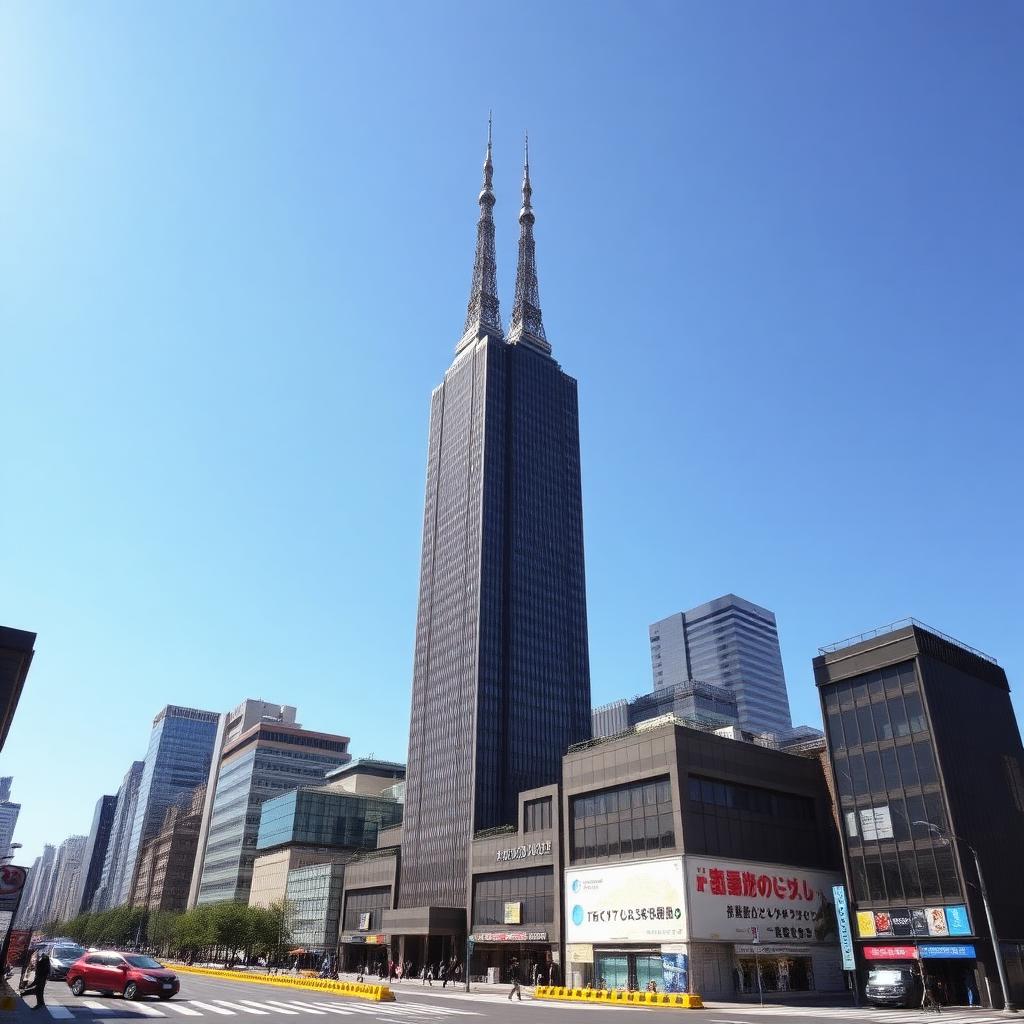
Twin-tower city hall in Nishi-Shinjuku with free 202 m observation decks — one of Tokyo's best free skyline views.
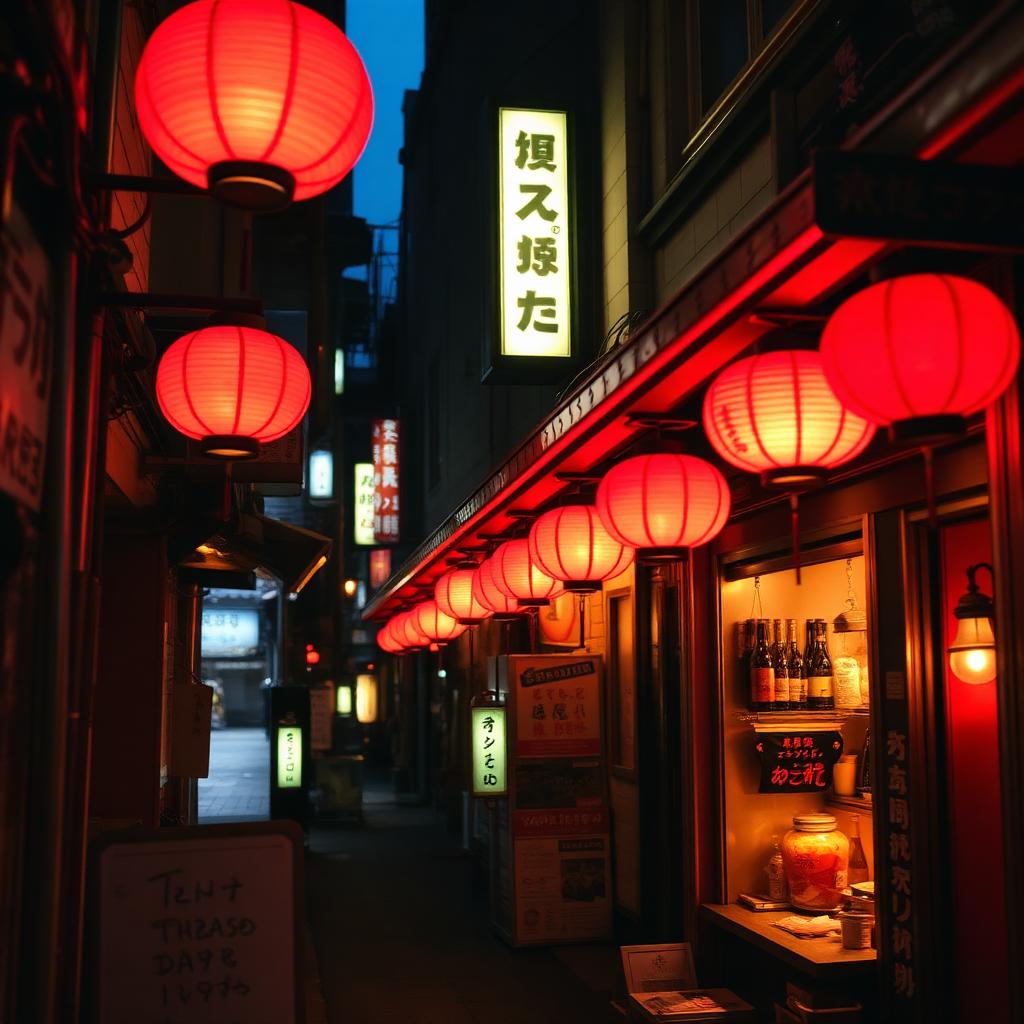
Tiny lantern-lit alley of yakitori and ramen counters by the west exit — old post-war Shinjuku in one narrow lane.
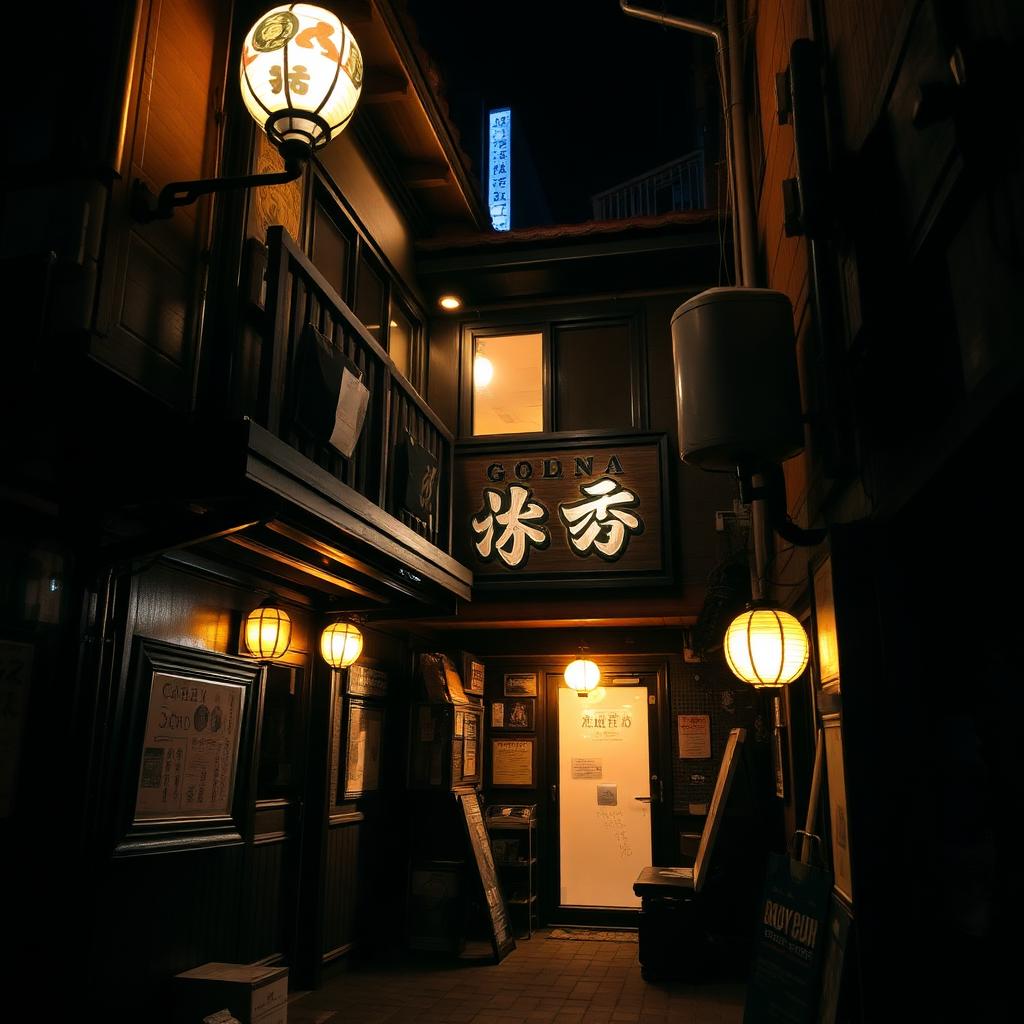
Six-alley cluster of 200+ shoebox-sized bars, each seating six or seven people — an atmosphere-first nightlife icon.
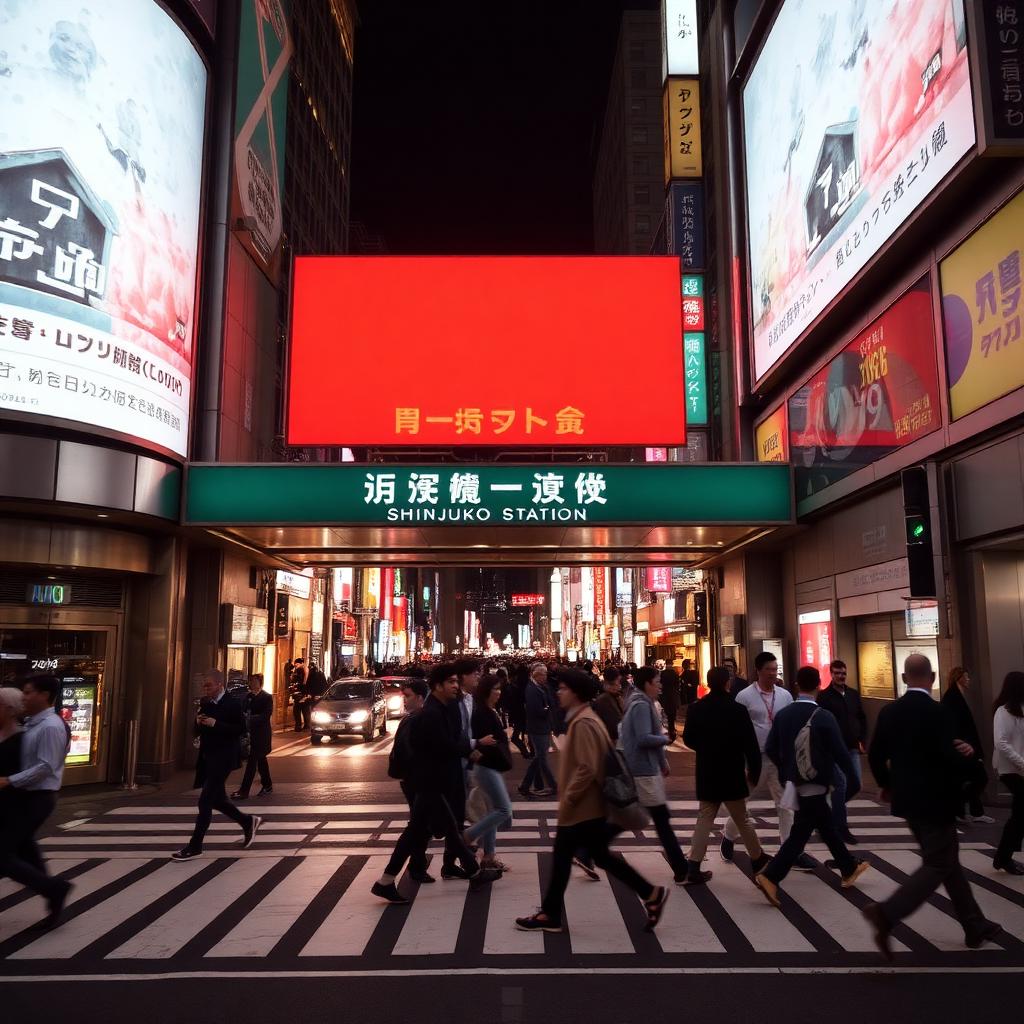
The world's busiest station, with 12+ lines and 200+ exits — a destination in itself, from depachika to the JR bus terminal.
Almost every major rail line in Tokyo passes through Shinjuku. From here you can reach anywhere in the city in under 30 minutes and take direct trains to Hakone, Mt Fuji and Narita.
| Narita Airport | Narita Express (N'EX) direct from Shinjuku Station | ~80 min |
| Haneda Airport | Airport Limousine Bus direct · or Toei Oedo → Keikyu | ~45–60 min |
| Shibuya | JR Yamanote Line direct | ~7 min |
| Tokyo Station | JR Chuo Line (Rapid) direct | ~14 min |
| Ueno | JR Yamanote Line direct | ~26 min |
| Hakone / Mt Fuji area | Odakyu Romancecar direct from Shinjuku | ~85 min |
Younger, more fashion-driven and centred on the famous scramble crossing — 7 minutes south on the Yamanote Line.
Cheaper, calmer, museum- and park-focused east-side hub with the fastest link to Narita via Skyliner.
Refined luxury shopping and fine dining — Tokyo's high-end alternative to Shinjuku's neon energy.
For most first-time visitors, yes. Shinjuku has Tokyo's biggest transport hub, the widest range of hotels at every price point, and nightlife, shopping and food all within walking distance. The main trade-offs are crowds, noise and slightly weaker value on the budget end compared with Ueno or Asakusa.
Shinjuku is very safe by international standards, even late at night. Kabukicho has visible touts and a red-light element, but violent crime is rare — the main advice is to ignore anyone offering to lead you to a bar or club and stick to well-lit streets.
Shinjuku has more hotels, better transport and a wider mix of business, family and luxury stays. Shibuya is younger, more fashion-focused and better for nightlife aimed at 20s–30s. For a first Tokyo trip Shinjuku is usually the safer, more convenient pick.
Shinjuku wins on transport reach, hotel variety, nightlife and shopping. Ueno wins on price, direct Skyliner access to Narita, and a calmer, more museum- and park-focused base. Choose Shinjuku for energy and convenience, Ueno for value and airport speed.
The Narita Express (N'EX) runs direct to Shinjuku Station in around 80 minutes. The Airport Limousine Bus is a good door-to-hotel alternative if your hotel is on its route. From Haneda, the Airport Limousine Bus or Toei Oedo Line via Daimon is easiest.
Nishi-Shinjuku (west side) has the skyscraper hotels — quieter, upscale and 5–10 minutes from the station. Around the south / east exits puts you closest to shopping and Shinjuku Gyoen. Kabukicho is the most convenient for nightlife but the loudest and busiest at night.
It spans the full range. You can find capsule hotels and no-frills business hotels from budget rates, mid-range 3–4 star hotels around the station, and skyscraper 5-stars (Park Hyatt, Hilton, Keio Plaza) in Nishi-Shinjuku. For the same star level, expect to pay 15–30 % more than Ueno.
Excellent. The Odakyu Line runs direct to Hakone and the Fuji Five Lakes area, the JR Chuo Line reaches Mitaka (Ghibli Museum) and Kichijoji in under 20 minutes, and Narita Express and long-distance highway buses depart from Shinjuku Station itself.
Keep exploring
Editorial guides where Shinjuku is one of the recommended areas — pick the angle that matches your trip.
The main hub guide — compare Shinjuku, Ueno, Shibuya, Ginza, Minato and Ningyōchō for a first Tokyo trip.
Read guideShinjuku, Shibuya, Roppongi, Ebisu and Ginza compared for bars, clubs and late-night convenience.
Read guideGinza, Shinjuku, Asakusa, Ueno and Ebisu/Nakameguro — Tokyo's strongest neighbourhoods for sushi, izakaya, Michelin dining and cafés.
Read guideA direct head-to-head comparison of Tokyo's two biggest western hubs — transport, nightlife and hotels.
Read guideAll-rounder energy or calm museum district? Compare Shinjuku and Ueno for transport, prices and airport access.
Read guideRefined luxury or all-rounder energy? Compare Ginza and Shinjuku for hotels, shopping and transport.
Read guideTokyo's biggest hub or the cheaper Yamanote alternative? Compare hotels, prices, food, anime shopping and airport access.
Read guideGinza, Shibuya, Shinjuku, Ikebukuro and Asakusa — where to base yourself for luxury, fashion, anime or craft shopping.
Read guideBunkyō, Shinjuku, Shibuya, Minato and Ueno — where to base yourself for momiji gardens and golden ginkgo avenues in November.
Read guide