Quick overview: five shopping neighbourhoods to stay in
Ginza is the base for luxury brands, flagship stores and Japan's most refined department stores — and its hotels match that tone. Shibuya suits fashion, streetwear and cosmetics shoppers who want long evenings and walkable access to Harajuku and Omotesando. Shinjuku is the practical all-rounder: Isetan and Takashimaya on one side, Bic Camera and Yodobashi on the other, plus the widest hotel range in the city. Ikebukuro is where anime, character goods and Sunshine City sit next to Tokyo's best-value mid-range hotels. Asakusa is the outlier — traditional shopping streets, kitchen knives, ceramics, yukata and gifts, in a quiet low-rise district that empties out after dark.
See also: best areas for first-time visitors, best areas to stay for couples, best areas to stay on a budget and ginza vs shinjuku.
The five best areas to stay in Tokyo for shopping
Ginza 銀座
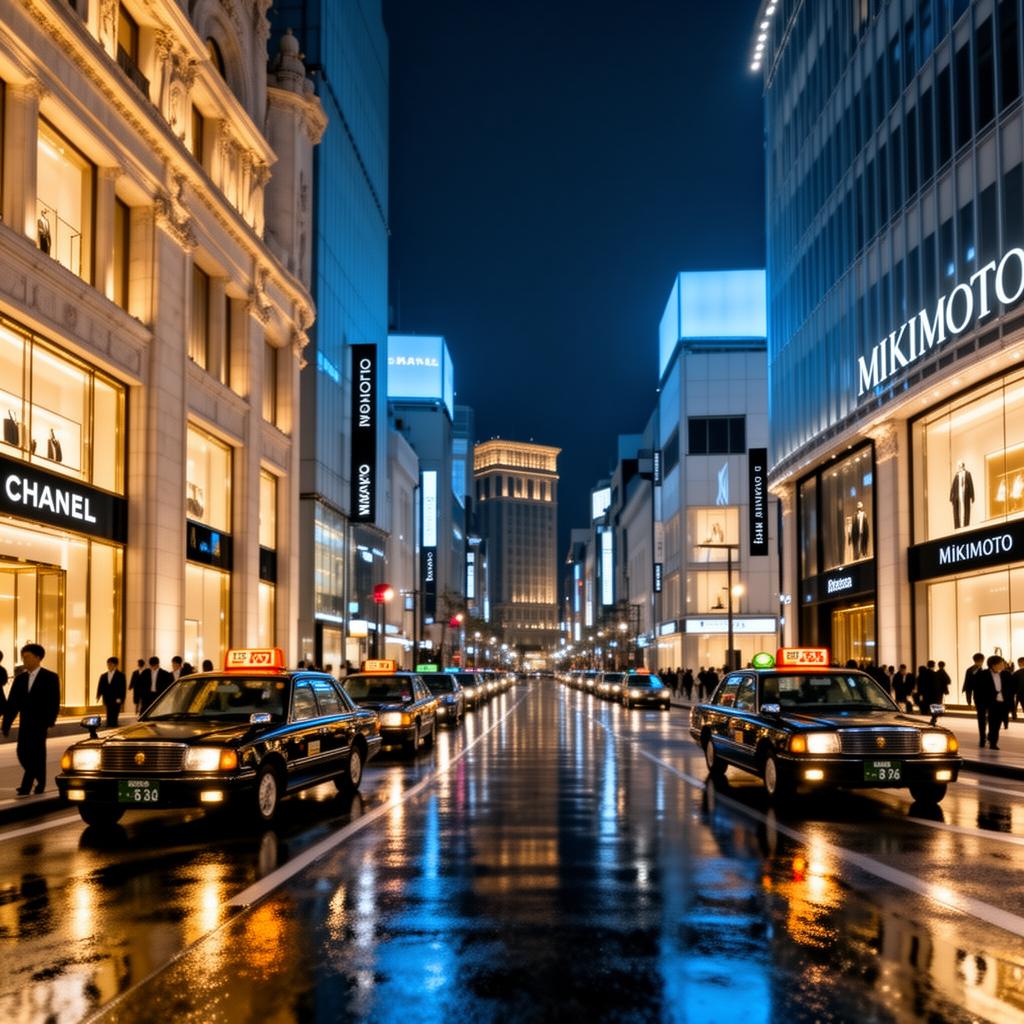
Best for luxury & department stores
- Shopping focus
- Luxury flagships (Chanel, Dior, Hermès, Louis Vuitton), the historic Wako and Mitsukoshi department stores, Ginza Six, Matsuya and Uniqlo's global flagship. Also the strongest area in Tokyo for stationery (Itoya), pearls, watches and craft-quality Japanese homeware.
- Who should stay here
- Shoppers who care about brands, quality and service rather than volume — plus anyone who wants a calm, grown-up base within walking distance of Tokyo Station and Tsukiji.
- Hotel atmosphere
- Quiet, polished and mostly upper-tier: international five-stars, refined Japanese business hotels and a growing set of design hotels. Streets are calm at night, which suits light sleepers but means less late-night life.
- Key shopping spots
- Ginza Six, Mitsukoshi and Matsuya depachika food halls, Itoya stationery, Chuo-dori closed to cars on weekend afternoons.
- Price level
- One of Tokyo's most expensive hotel areas, dominated by luxury and upscale properties, with only a limited number of budget-friendly options.
Pros
- +Highest concentration of luxury flagships and department stores in Japan
- +Weekend pedestrian street makes browsing genuinely pleasant
- +Central location — walk to Tokyo Station, Nihonbashi and Tsukiji
- +Calm, safe and refined at night
Cons
- −Expensive hotels and very few budget or hostel options
- −Most shops close by 20:00 — no late-night shopping
- −Quiet in the evening; limited casual dining compared with Shinjuku
Shibuya 渋谷
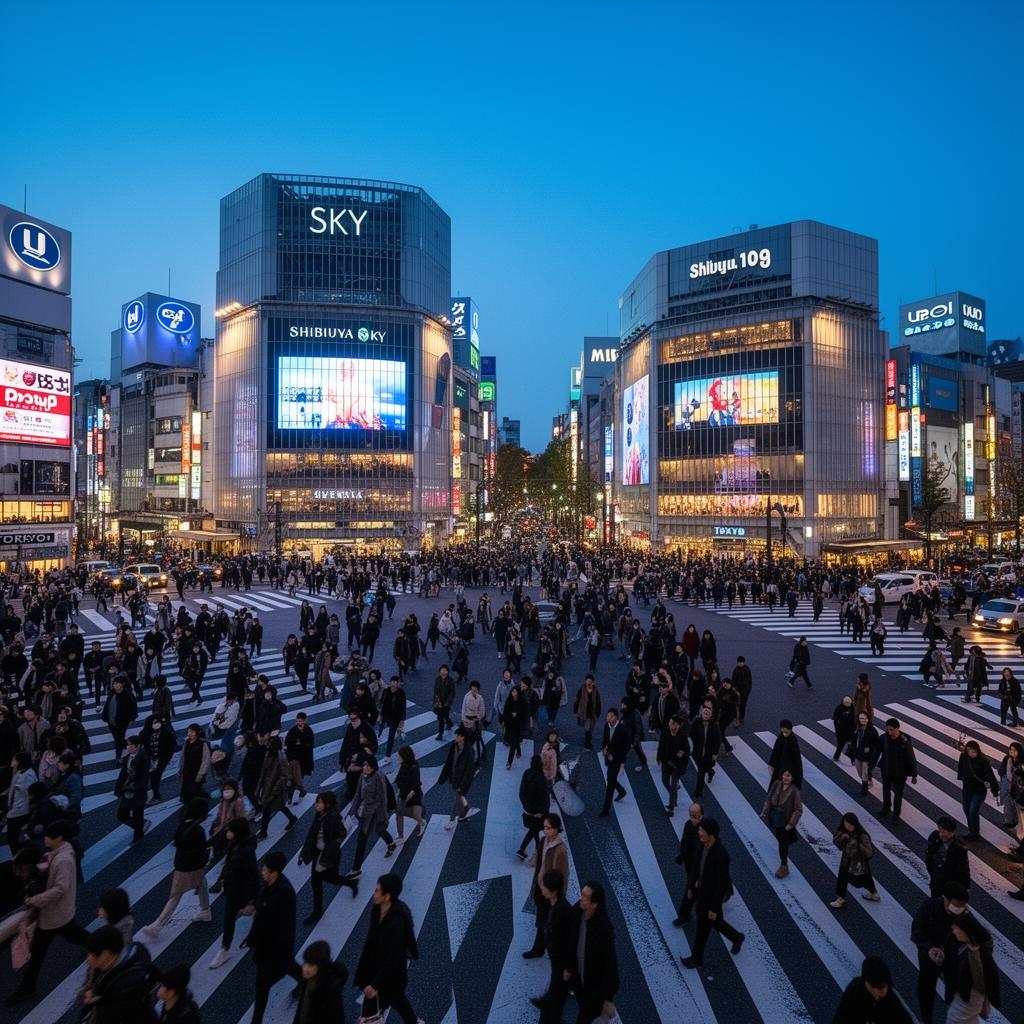
Best for fashion, cosmetics & trends
- Shopping focus
- Fashion complexes (Shibuya Scramble Square, Hikarie, Parco, Shibuya 109, Miyashita Park), Japanese cosmetics and drugstores, sneakers and streetwear along Cat Street, plus Loft and Tokyu Hands-style lifestyle stores. Harajuku and Omotesando are a 10–20 minute walk.
- Who should stay here
- Fashion-led shoppers in their 20s and 30s, first-time visitors who want trends and cosmetics, and anyone who wants to shop late and then eat and drink without moving.
- Hotel atmosphere
- Modern and design-driven — Shibuya Excel Tokyu, Sequence Miyashita Park, Trunk, Cerulean Tower — with a young, energetic atmosphere. Rooms are usually smaller than in Shinjuku for the same money.
- Key shopping spots
- Shibuya 109, Parco, Miyashita Park, Cat Street boutiques, Don Quijote for late-night souvenir runs.
- Price level
- Mostly mid-range and upscale hotels, with a few budget options and an increasing number of lifestyle hotels.
Pros
- +Best area in Tokyo for fashion, streetwear and cosmetics
- +Walkable to Harajuku, Omotesando and Daikanyama
- +Shops, food and nightlife all in one walkable core
- +Yamanote Line access to every other shopping district
Cons
- −Extremely crowded around the station, especially weekends
- −Weaker for luxury brands than Ginza or Omotesando proper
- −Hotel rooms tend to be compact and priced above their size
Shinjuku 新宿
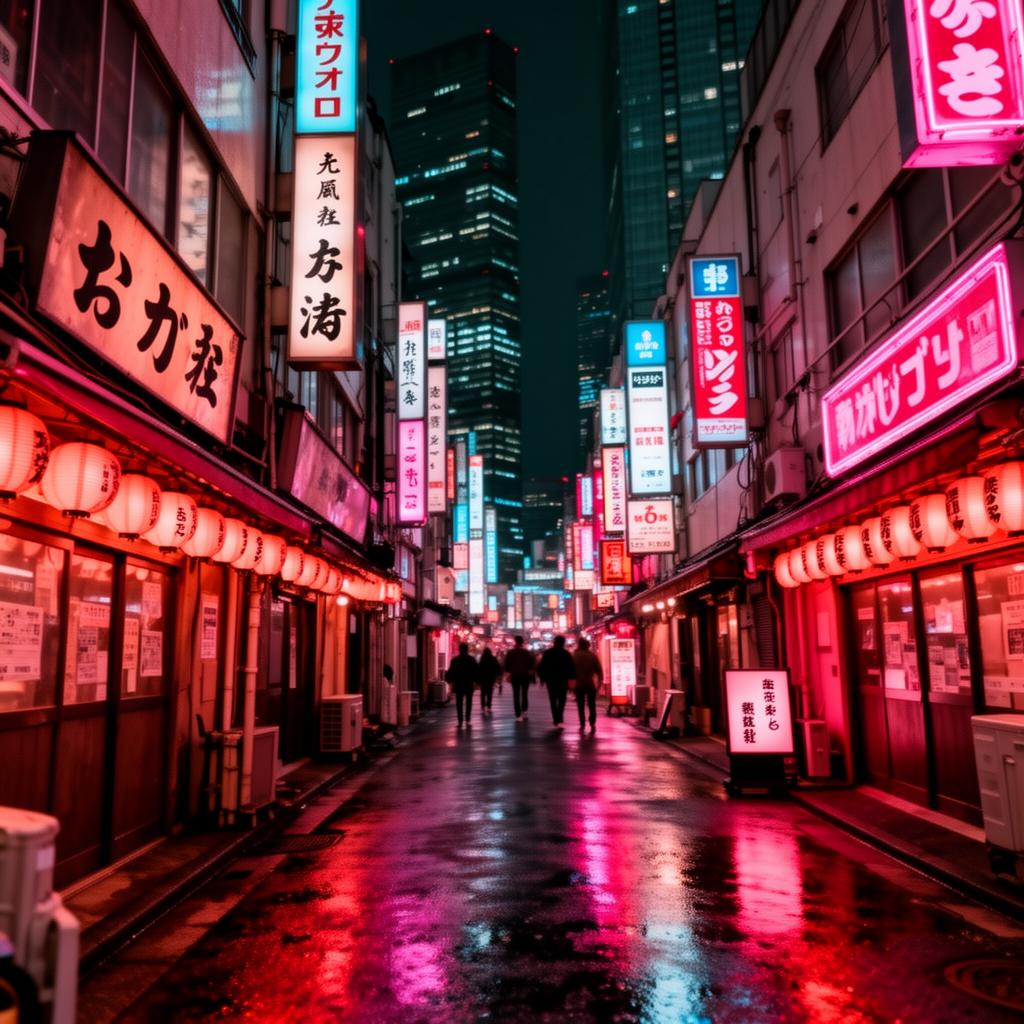
Best all-round shopping convenience
- Shopping focus
- Isetan (Japan's best department store for fashion and its depachika), Takashimaya Times Square, Lumine, Marui, plus the electronics giants Bic Camera and Yodobashi Camera and endless drugstores. Kabukichō and the east exit cover discount, souvenir and late-night shopping.
- Who should stay here
- Shoppers who want everything in one place and don't want to specialise — and travellers who value transport above all, since Shinjuku connects to every other shopping district directly.
- Hotel atmosphere
- The widest hotel range in Tokyo: capsules and hostels near the east exit, reliable business hotels everywhere, and skyscraper hotels in Nishi-Shinjuku with the best value per square metre in central Tokyo.
- Key shopping spots
- Isetan Shinjuku, Takashimaya Times Square, Yodobashi Camera, Lumine, Kabukichō's late-night Don Quijote.
- Price level
- The widest range of hotels in Tokyo, from budget business hotels to luxury international brands.
Pros
- +Best combination of department stores, electronics and discount shopping
- +Widest hotel choice and best value at mid-range level
- +Direct trains to Ginza, Shibuya, Ikebukuro and Asakusa
- +Shops and drugstores open late
Cons
- −Shinjuku Station is genuinely confusing — allow extra time
- −Crowds and noise are constant; Kabukichō is not for everyone
- −Less atmospheric for browsing than Ginza or Asakusa
Ikebukuro 池袋
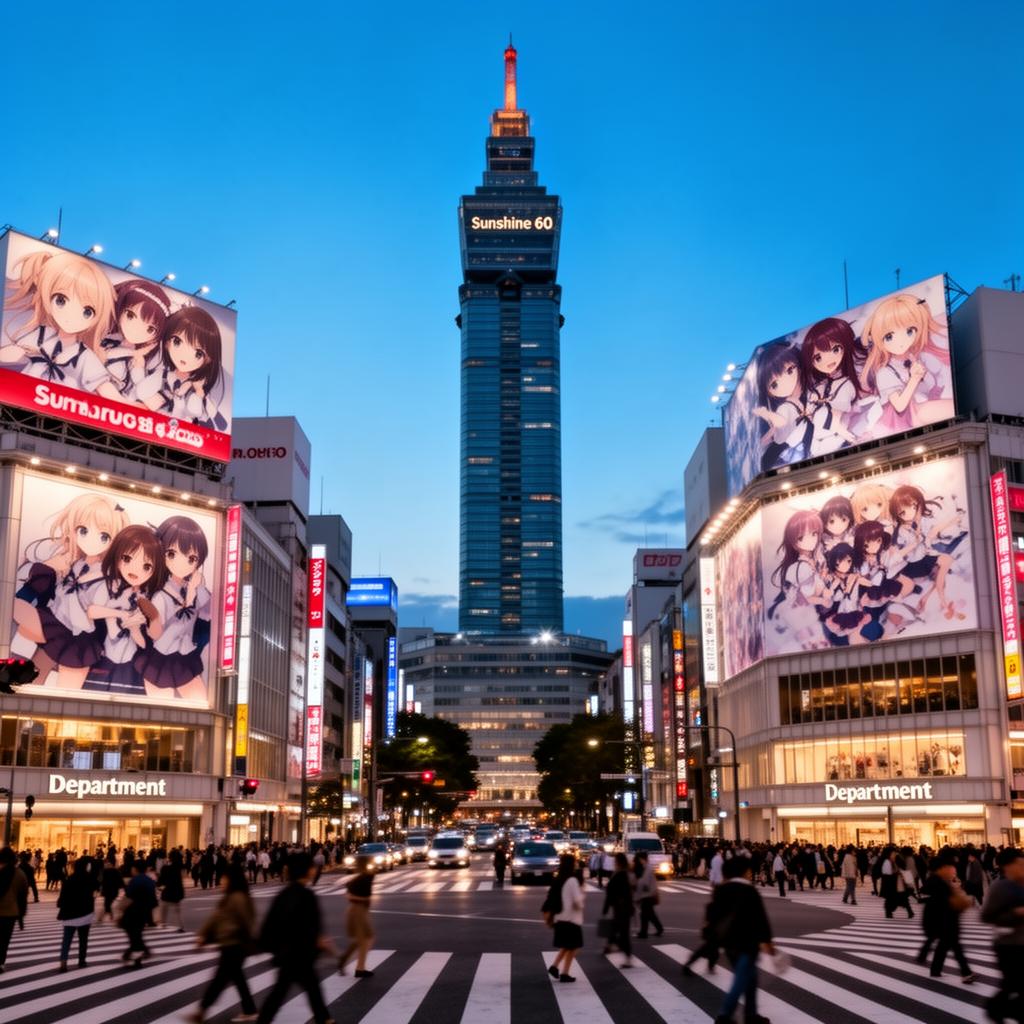
Best for anime, malls & value
- Shopping focus
- Sunshine City (mall, aquarium, Pokémon Center, Namja Town), Animate's flagship store, Otome Road for anime and doujinshi aimed at female fans, plus Seibu and Tobu — two of the largest department stores in Japan — and Bic Camera outlets around the station.
- Who should stay here
- Anime, manga and character-goods shoppers, families who want a big indoor mall on a rainy day, and value-focused travellers who want central-ish shopping without central prices.
- Hotel atmosphere
- Practical rather than glamorous: dependable business hotels, a few well-run apartment hotels and hostels. Rooms are noticeably cheaper than Shinjuku or Shibuya for the same standard.
- Key shopping spots
- Sunshine City, Animate flagship, Otome Road, Seibu and Tobu department stores.
- Price level
- One of the best-value hotel districts in central Tokyo, with plenty of affordable and mid-range options.
Pros
- +Tokyo's strongest anime and character-goods shopping alongside Akihabara
- +Sunshine City covers a full rainy day indoors
- +Cheaper hotels than Shinjuku or Shibuya at the same quality
- +Yamanote Line plus three subway lines and the Narita Express
Cons
- −Weak for luxury and designer shopping
- −Less attractive streetscape than Ginza or Asakusa
- −The station area feels chaotic and takes time to learn
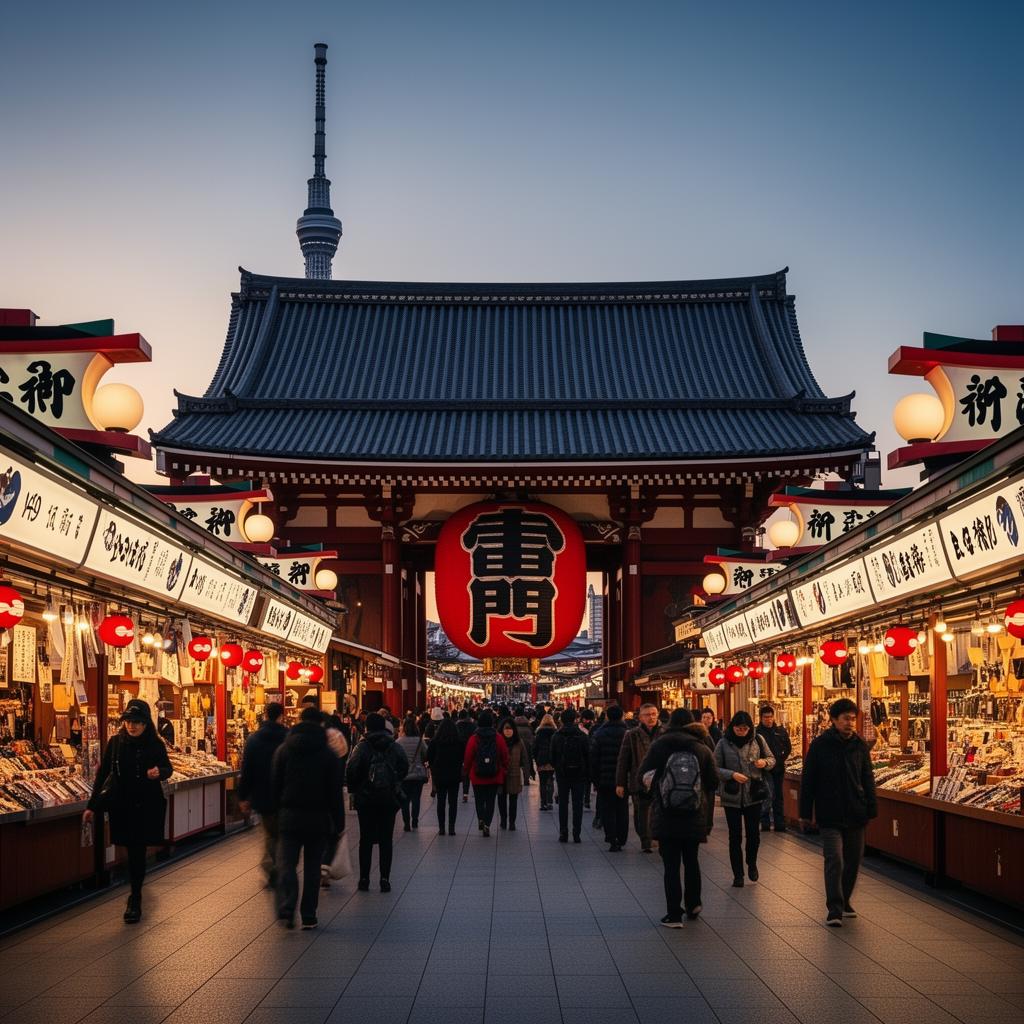
Asakusa 浅草
Best for crafts, knives & souvenirs
- Shopping focus
- Nakamise-dōri's traditional stalls, Kappabashi Kitchen Town for Japanese knives, ceramics and cookware, plus specialists in yukata, washi paper, fans, incense and hand-made sweets. This is where to buy gifts that actually feel Japanese. Tokyo Solamachi, one stop away at Tokyo Skytree, adds more than 300 shops if you want modern brands alongside Asakusa's traditional shopping streets.
- Who should stay here
- Travellers hunting craft goods, kitchen knives, ceramics and souvenirs — and anyone who prefers a slower, low-rise neighbourhood over a shopping-tower district.
- Hotel atmosphere
- Small, friendly and affordable: ryokan-style stays, boutique hostels and modern budget hotels, many with rooftop views of Sensō-ji or Skytree. Quiet at night, with an early-morning rhythm.
- Key shopping spots
- Nakamise-dōri, Kappabashi Kitchen Town, Denbōin-dōri, Sensō-ji craft shops.
- Price level
- Excellent value overall, with everything from hostels to mid-range hotels and relatively few luxury properties.
Pros
- +Best area in Tokyo for traditional crafts, knives and genuine souvenirs
- +Cheapest hotels of the five areas here
- +Walkable, low-rise and pleasant to browse on foot
- +Kappabashi is a destination in its own right for cooks
Cons
- −Almost everything closes by 18:00–19:00
- −No department stores, fashion or electronics
- −Furthest from Shibuya and Shinjuku — 30–40 minutes by train
Tokyo shopping areas compared
| Metric | Ginza | Shibuya | Shinjuku | Ikebukuro | Asakusa |
|---|---|---|---|---|---|
| Hotel price | $$$-$$$$ | $$–$$$ | $$–$$$$ | $-$$ | $-$$$ |
| Luxury brands | Best in Japan | Very good | Good | Limited | Very limited |
| Department stores | Mitsukoshi, Ginza Six | Hikarie, Parco | Isetan, Takashimaya | Seibu, Tobu | Tokyo Solamachi |
| Fashion & cosmetics | Refined | Strongest | Very strong | Mainstream | Traditional &Mainstream |
| Electronics | Limited | Moderate | Excellent | Very good | Very limited |
| Anime & hobby | Limited | Moderate | Good | Excellent | Limited |
| Crafts & souvenirs | Premium craft | Lifestyle & design | Mixed | Character goods | Best in Tokyo |
Which shopping area should you stay in?
Best area to stay for luxury and department-store shopping
Ginza, without much competition. Every major European house has a flagship here, Mitsukoshi and Matsuya are Japan's most polished department stores, and Ginza Six adds a modern edge. Staying in Ginza also means you shop in the morning before the crowds and walk back to your hotel with bags rather than boarding a train. The trade-off is price and quiet evenings — read the Ginza area guide before booking, and see our Ginza vs Shinjuku guide if you are torn between refinement and convenience.
Best area to stay for fashion, streetwear and cosmetics
Shibuya. The station core alone holds Scramble Square, Hikarie, Parco, 109 and Miyashita Park, and Cat Street runs from Shibuya to Harajuku past the sneaker and vintage shops that draw people to Tokyo in the first place. Japanese cosmetics — the thing most visitors underestimate how much they will buy — are cheapest and best stocked in the drugstores here. Base yourself in Shibuya and Omotesando's luxury strip is still a 15-minute walk. The Shibuya area guide covers the practical side of staying there, and Shinjuku vs Shibuya compares the two hubs directly.
Best area to stay for all-round shopping convenience
Shinjuku. Isetan is widely regarded as the best department store in Japan, Takashimaya Times Square covers homeware and books, and Bic Camera and Yodobashi handle electronics, cameras and tax-free purchases in one visit. Because Shinjuku connects directly to Ginza, Shibuya, Ikebukuro and Asakusa, it is also the safest choice if you plan to shop across several districts rather than one. The Shinjuku area guide explains which side of the station to book on.
Best area to stay for anime, hobby and character goods
Ikebukuro. Animate's flagship, Otome Road and the Pokémon Center inside Sunshine City make it the natural base for anime shopping, and unlike Akihabara it pairs that with two enormous department stores and genuinely cheap hotels. Families get a practical bonus: Sunshine City's aquarium, observation deck and indoor attractions fill a rainy afternoon without leaving the mall. See the Ikebukuro area guide for hotel specifics.
Best area to stay for crafts, knives and souvenirs
Asakusa. Kappabashi Kitchen Town is where Tokyo's chefs buy knives, ceramics and cookware, and it is a 10-minute walk from most Asakusa hotels — useful, because good knives are heavy and you will want to drop them off. Nakamise-dōri and the surrounding lanes cover yukata, fans, incense, washi paper and traditional sweets. Hotels here are the cheapest of the five areas, which makes Asakusa a strong pick if souvenirs matter more than fashion. The Asakusa area guide and our Ueno vs Asakusa guide cover the wider east-side options.
Practical notes: tax-free shopping, hours and luggage
Tax-free shopping applies to purchases over ¥5,000 at registered stores; bring your passport, since a photo is not accepted. Department stores generally run 10:00–20:00, electronics stores until 22:00, and Asakusa shuts far earlier than the rest. If you plan serious shopping, prioritise a hotel with luggage storage and a same-day laundry, and consider using a takkyubin courier to send purchases to your next hotel or the airport instead of dragging them through stations.
Final recommendation
Match the area to what you actually plan to buy — that single decision does more for a shopping trip than any list of stores.
Choose
Ginza
If you are shopping for luxury brands, department stores and quality gifts, and you want a calm, central base.
Choose
Shibuya
If you are shopping for fashion, streetwear and cosmetics, and you want Harajuku and Omotesando within walking distance.
Choose
Shinjuku
If you want department stores, electronics and everything else in one place, with the widest hotel choice in Tokyo.
Choose
Ikebukuro
If you are here for anime and character goods, or you want big malls and cheaper hotels without leaving the Yamanote Line.
Choose
Asakusa
If you want knives, ceramics, crafts and traditional souvenirs, and you prefer a quiet, inexpensive neighbourhood.
Frequently asked questions
What is the best area to stay in Tokyo for shopping?+
It depends on what you buy. Ginza is best for luxury brands and department stores, Shibuya for fashion and cosmetics, Shinjuku for all-round convenience and electronics, Ikebukuro for anime and value, and Asakusa for crafts and souvenirs. If you want one answer for a mixed trip, Shinjuku is the safest base because it connects directly to all the others.
Is Ginza or Shibuya better for shopping?+
Ginza for luxury flagships, department stores and quality Japanese goods; Shibuya for fashion, streetwear, cosmetics and younger brands. Ginza is calmer and more expensive to stay in, Shibuya is louder, later and better connected on foot to Harajuku and Omotesando. See our Ginza vs Shinjuku guide and Shinjuku vs Shibuya comparison for more detail.
Where should I stay in Tokyo for department stores?+
Shinjuku and Ginza. Isetan Shinjuku is regarded as the best department store in Japan for fashion, while Ginza has Mitsukoshi, Matsuya, Wako and Ginza Six within a few blocks. Ikebukuro's Seibu and Tobu are the largest by floor area and considerably cheaper to stay near.
Which Tokyo area is best for cheap shopping?+
Ikebukuro and Asakusa offer the best value. Ikebukuro is ideal for affordable malls, anime shopping and budget hotels, while Asakusa combines inexpensive accommodation with traditional shopping streets and nearby Tokyo Solamachi for modern retail.
Where should I stay to buy Japanese knives and ceramics?+
Asakusa. Kappabashi Kitchen Town, about a 10-minute walk from the main Asakusa hotel cluster, has dozens of specialists in knives, ceramics, cookware and tableware, with staff used to advising foreign buyers. Most shops close around 17:00–18:00 and many shut on Sundays, so plan a weekday morning.
Is Shinjuku good for shopping if I only have one base?+
Yes. Shinjuku has the widest range of shopping within walking distance of a single station — department stores, electronics, drugstores, discount and fashion — and direct trains to Ginza, Shibuya, Ikebukuro and Asakusa. It also has the broadest hotel selection, so you can match the area to almost any budget.
How does tax-free shopping work in Tokyo?+
Registered stores offer tax-free purchases over ¥5,000 per shop per day for tourists on a short-stay visa. You must show your physical passport at the till or the store's tax-free counter. Consumables are sealed and should not be opened before you leave Japan; general goods such as clothing and electronics can be used immediately.
Do Tokyo shops open late?+
Department stores usually close at 20:00, fashion complexes at 21:00, and electronics stores such as Bic Camera and Yodobashi at 22:00. Don Quijote branches stay open until late or around the clock. Asakusa is the exception on this list — most traditional shops close between 17:00 and 18:00.
Find your shopping base on the map
Use the interactive TokyoStayMap to filter neighbourhoods by price, vibe and transport, then compare hotels in the shopping district that fits your trip.
Keep exploring
Related Tokyo guides
More from the TokyoStayMap editorial series — pick the comparison that matches your trip.
Best areas for first-time visitors
The main hub guide — compare Shinjuku, Ueno, Shibuya, Ginza, Minato and Ningyōchō for a first Tokyo trip.
Read guideBest areas for nightlife
Shinjuku, Shibuya, Roppongi, Ebisu and Ginza compared for bars, clubs and late-night convenience.
Read guideBest areas for families
Family-friendly Tokyo areas with parks, apartment hotels, safety and easy transport for kids.
Read guideBest areas to stay on a budget
Ningyōchō, Ueno, Asakusa, Ikebukuro and Kanda — One of Tokyo's best value neighbourhoods for budget travellers.
Read guide