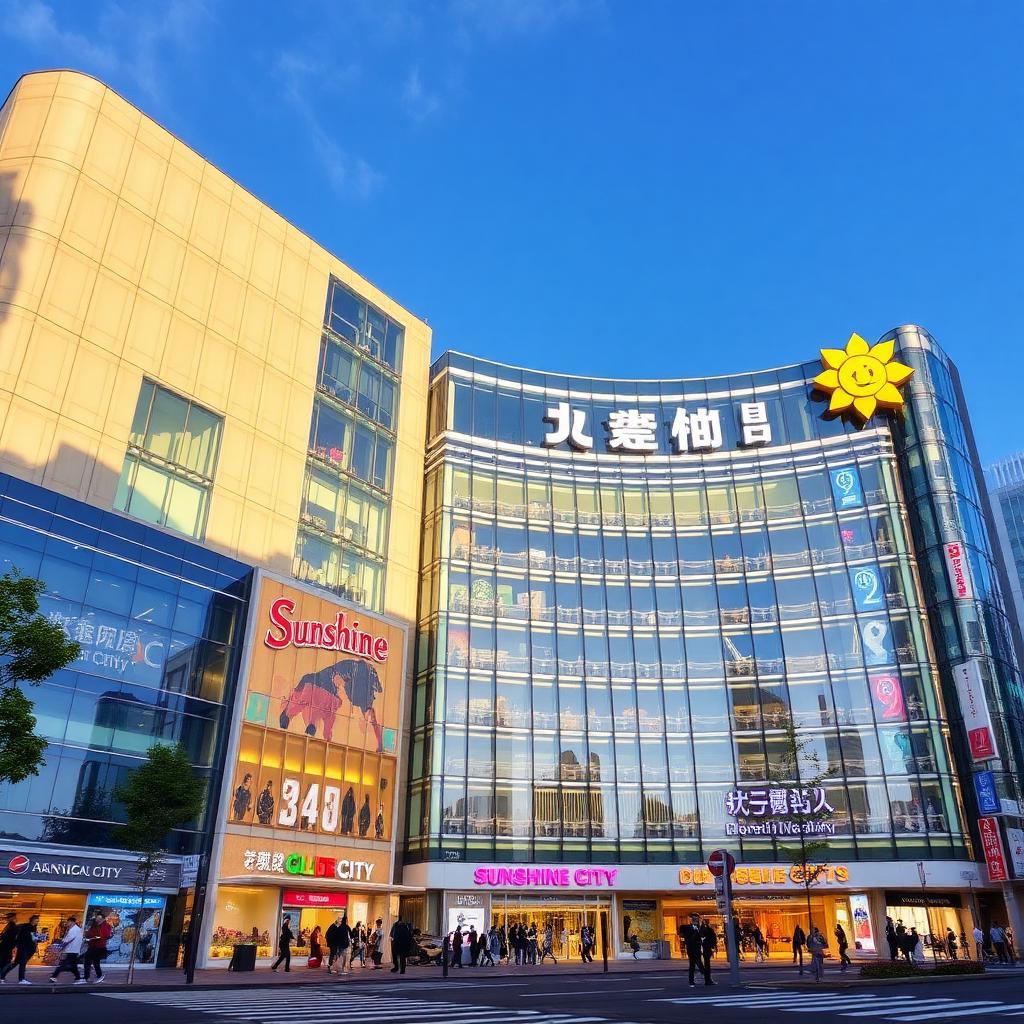
Sunshine Cityサンシャインシティ
A gigantic complex with a shopping mall, aquarium, Namja Town theme park, Pokémon Center Mega Tokyo, planetarium and the Sunshine 60 observation deck.
Tokyo neighborhood
Ikebukuro is Tokyo's practical mega-hub: a huge JR Yamanote interchange with department stores, anime shops, casual food and value-for-money hotels. It trades polish for practicality: rooms are often cheaper than Shinjuku or Shibuya, and Shinjuku is still a short direct ride away.
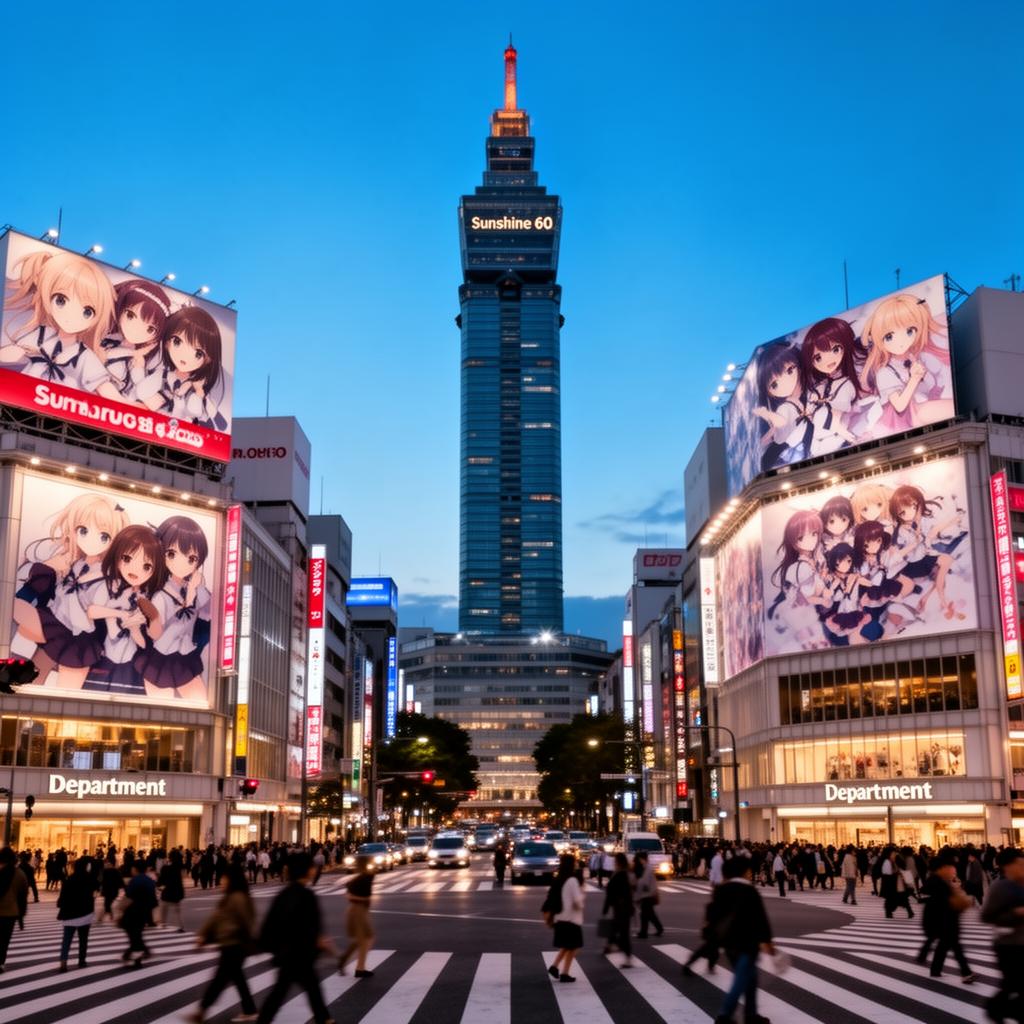
Often cheaper than Shinjuku, Shibuya or Ginza for equivalent rooms — a strong value base for mid-range and business hotels.
A major JR Yamanote interchange with the Saikyō, Shōnan-Shinjuku and three subway lines (Marunouchi, Yūrakuchō, Fukutoshin) — many major areas are a direct ride away.
Sunshine City is a full city-within-a-city: shopping mall, aquarium, Namja Town, planetarium and the Sunshine 60 observatory all under one roof.
Otome Road and Animate's flagship store make Ikebukuro Tokyo's other big anime and manga capital alongside Akihabara — especially strong for female-oriented fandom.
Dense, affordable food scene — ramen streets around the station, huge depachika food halls in Seibu and Tobu, and countless izakayas on both sides of the tracks.
Direct Narita access via the Skyliner (change at Nippori) and easy Haneda transfers via the JR Yamanote to Shinagawa — practical for early or late flights.
Best for
Budget and mid-range travellers, anime and manga fans, longer stays, business trips and anyone who wants Yamanote-line convenience at lower prices
Budget
$–$$$ · strong on business and mid-range chains, capsule hotels and value 3–4★ properties
Atmosphere
Busy, practical and unpolished — big department stores, neon side streets, student and office-worker crowds
Airport access
Narita: ~55–70 min via Skyliner + Nippori · Haneda: ~40–50 min via JR Yamanote to Shinagawa
Transport
JR Yamanote · Saikyō · Shōnan-Shinjuku · Marunouchi · Yūrakuchō · Fukutoshin
Signature
Sunshine City, Otome Road, Sunshine 60 observatory, Seibu & Tobu depachika
A mix of well-run business hotels, mid-range chains and a handful of upper-tier towers around the station — often with strong price-per-star ratios inside the JR Yamanote loop.
A gigantic complex with a shopping mall, aquarium, Namja Town theme park, Pokémon Center Mega Tokyo, planetarium and the Sunshine 60 observation deck.
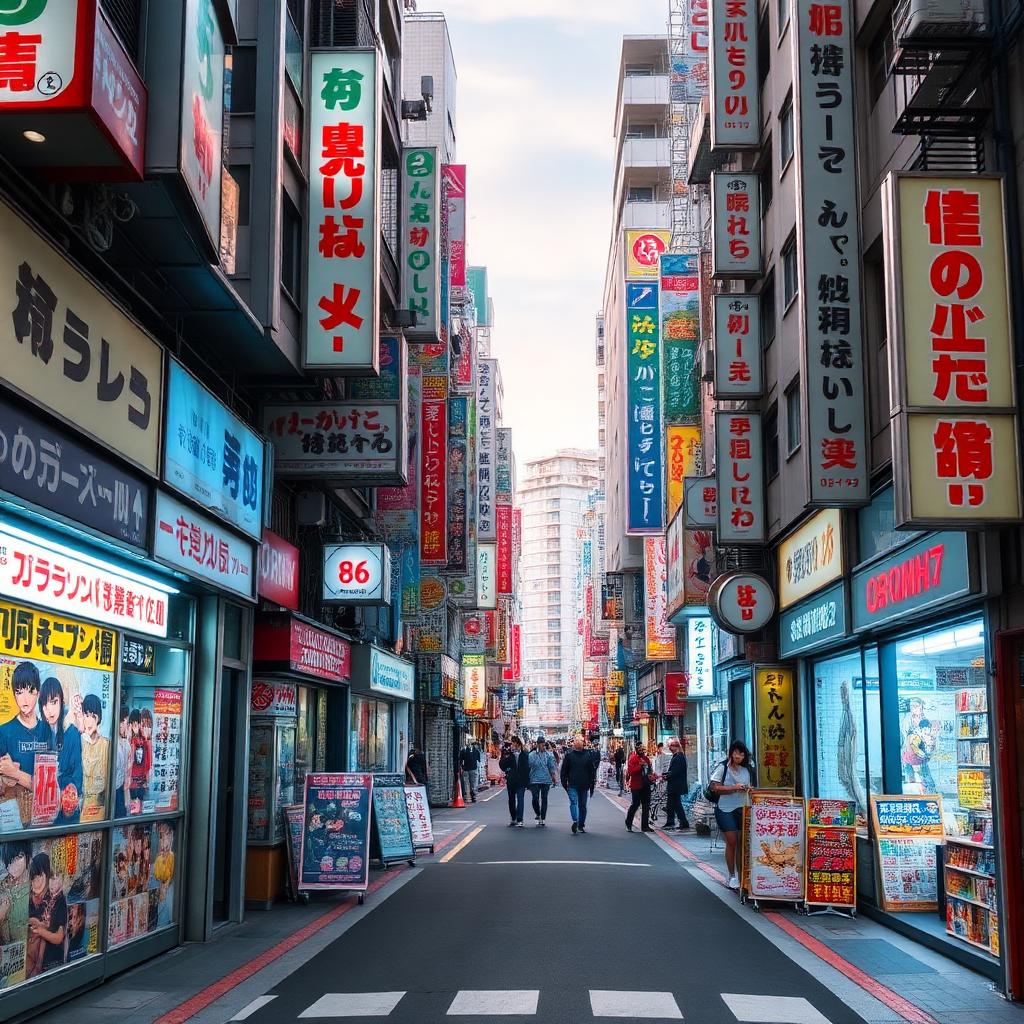
A short street packed with anime, manga and doujinshi shops geared toward female fans — Ikebukuro's answer to Akihabara and a pilgrimage for many otaku travellers.
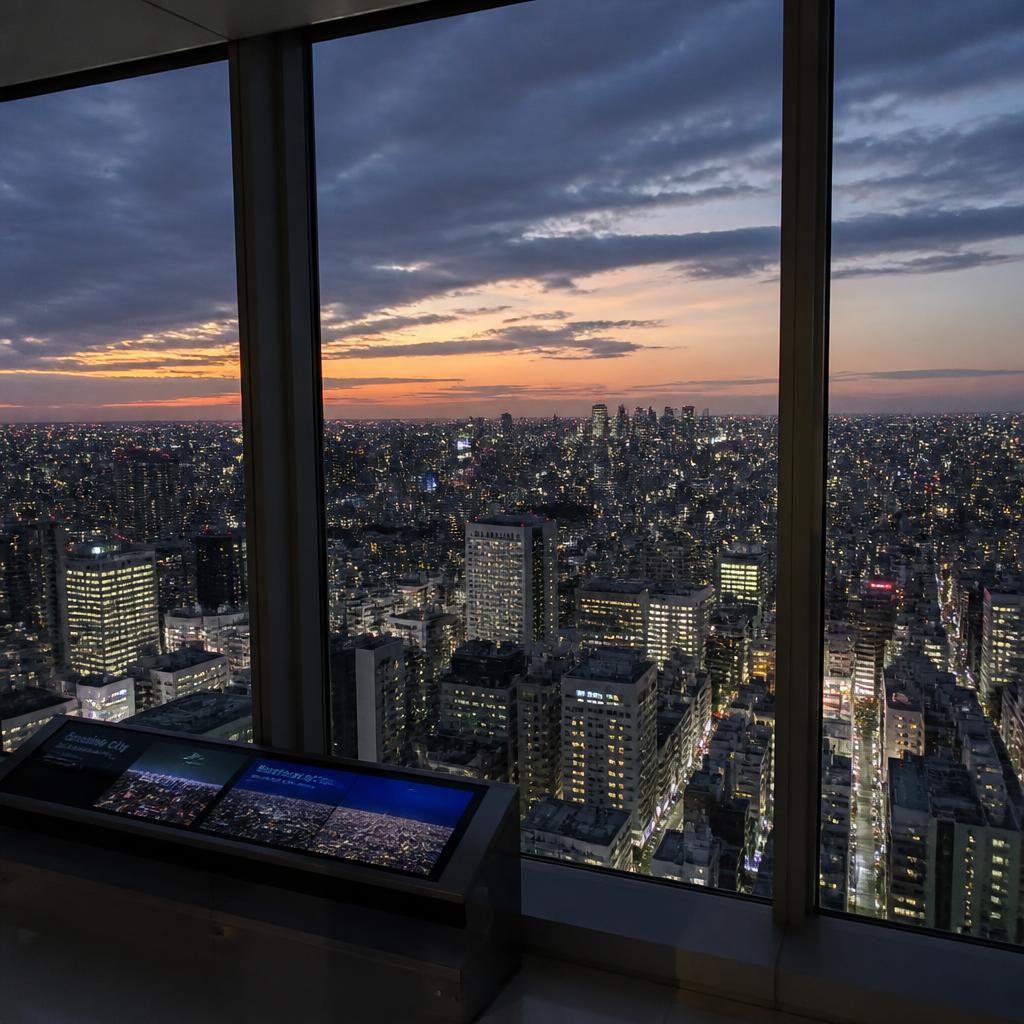
Panoramic Tokyo views from 251 metres up, with interactive VR-style installations. Cheaper than the Skytree and often much less crowded.
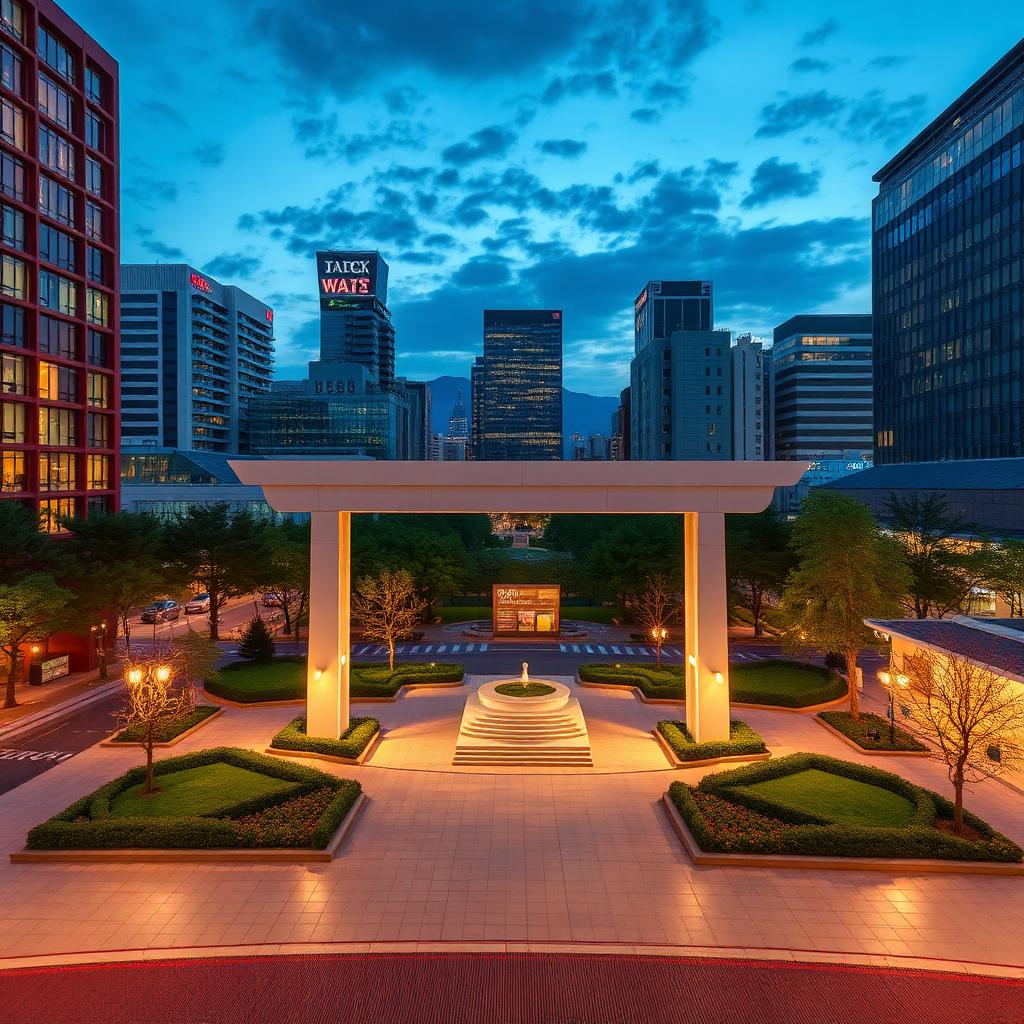
A small central plaza redesigned as a modern urban stage in front of the Tokyo Metropolitan Theatre — a good landmark for meeting up on the west side.
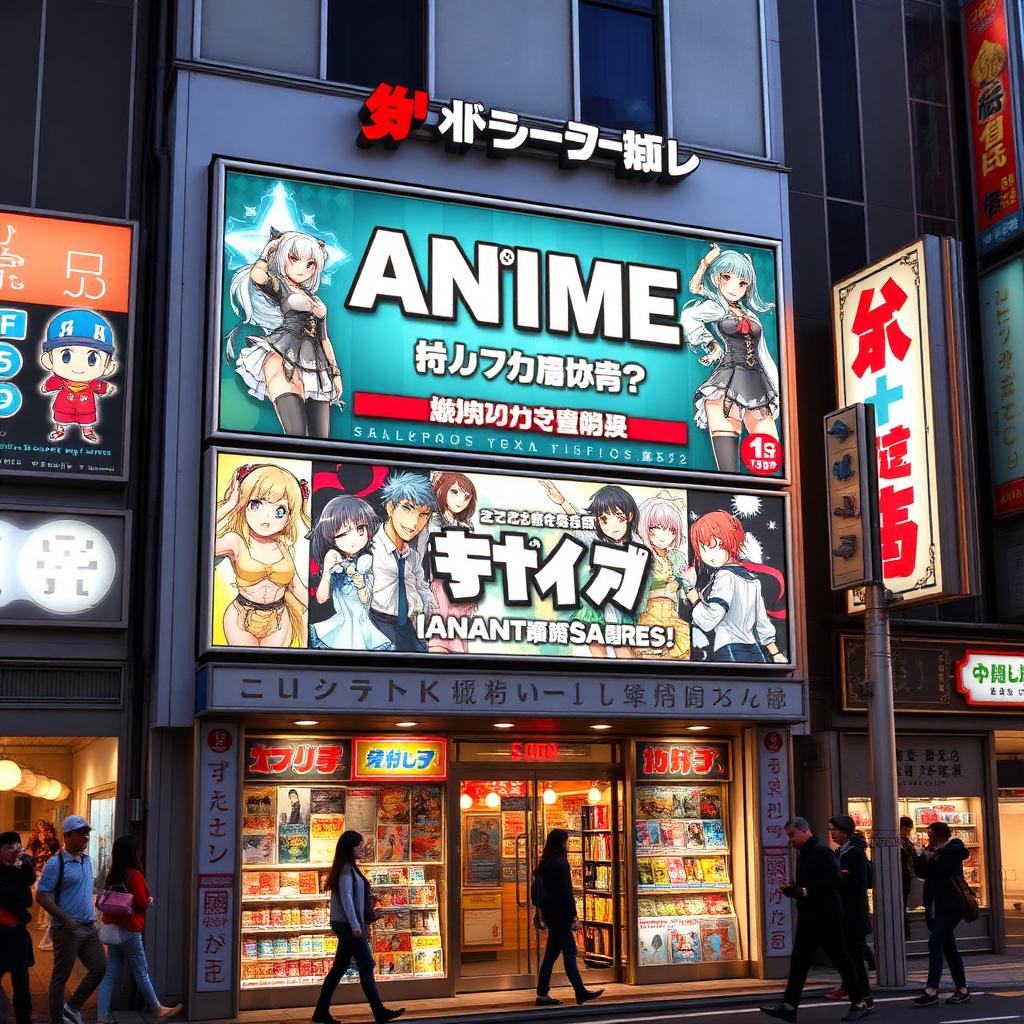
The flagship of Japan's biggest anime and manga retail chain — nine floors of manga, character goods, doujinshi and event space.
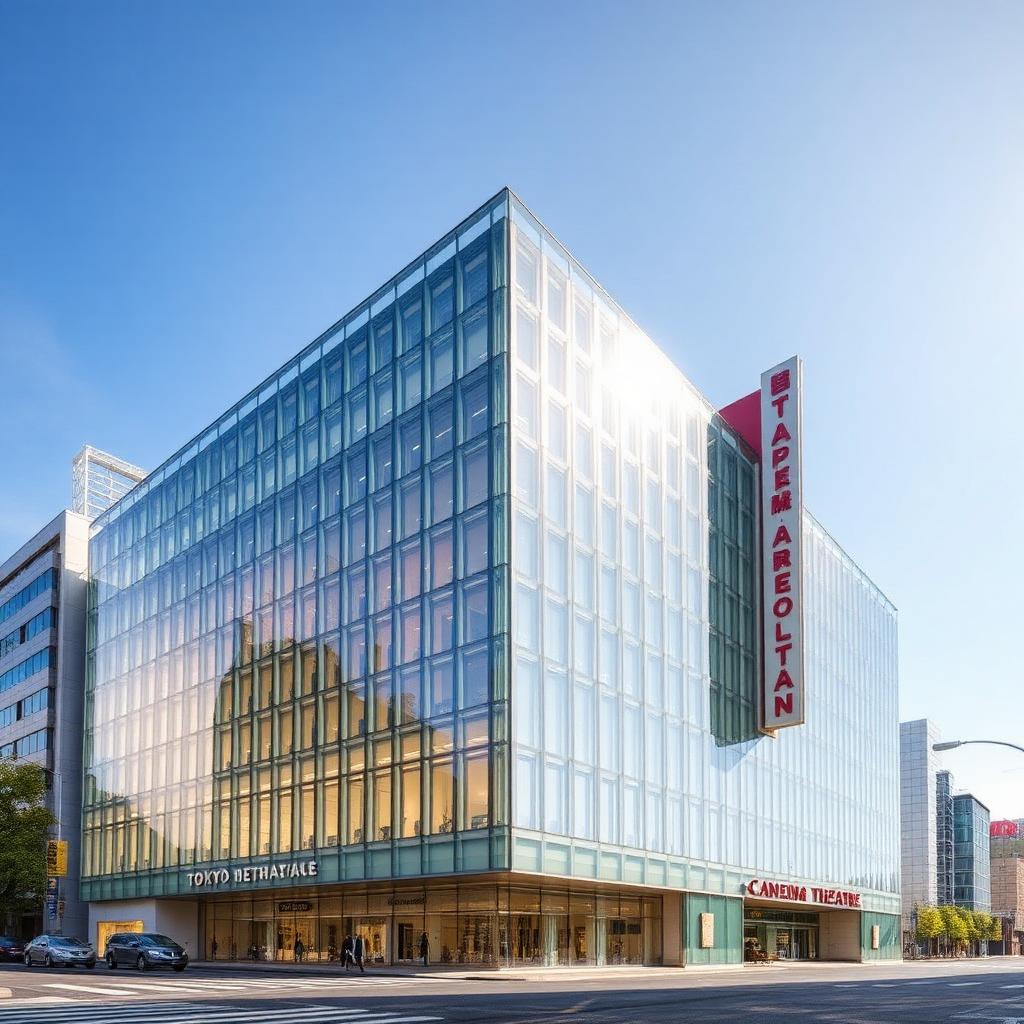
A major performing-arts venue for classical music, theatre and dance, and one of the architectural anchors of the west side plaza.
Ikebukuro is one of Tokyo's biggest interchange stations — the JR Yamanote loop, Saikyō and Shōnan-Shinjuku lines run through it, plus three subway lines (Marunouchi, Yūrakuchō, Fukutoshin). Many central areas are 5–20 minutes away without changing trains.
| Shinjuku | JR Yamanote / Saikyō | ~5 min |
| Shibuya | JR Yamanote or Fukutoshin | ~10–12 min |
| Tokyo Station | Marunouchi line | ~17 min |
| Ginza | Marunouchi line + transfer | ~20 min |
| Asakusa | JR Yamanote to Ueno, Ginza line | ~25 min |
| Haneda Airport | JR Yamanote to Shinagawa + Keikyū | ~40–50 min |
| Narita Airport | JR to Nippori + Keisei Skyliner | ~55–70 min |
One stop south — busier, glitzier and more expensive. Stay in Ikebukuro instead if you want Yamanote-line access and Shinjuku's nightlife at a lower nightly rate.
Another affordable Yamanote hub, but on the east side of the loop with better Narita access and museum-heavy sightseeing. Ikebukuro wins for shopping and anime.
Younger, trendier and considerably pricier. Ikebukuro is only ~10 minutes away on the Fukutoshin line, so it's a smart budget base for a Shibuya-heavy trip.
Yes, especially for budget and mid-range travellers. It's on the JR Yamanote loop, a short direct ride from Shinjuku, has huge shopping and casual food options and often offers cheaper hotels than Shinjuku, Shibuya or Ginza for the same standard.
Shinjuku is more polished, more international and has better nightlife and luxury hotels. Ikebukuro is cheaper, less crowded and still just one stop away on the JR Yamanote — a great value alternative for a Shinjuku-style trip.
Ikebukuro is safe by international standards, like most of Tokyo. Some streets around the east exit and Nishi-Ikebukuro can feel a bit rough late at night with drunk crowds and touts, but violent crime is very rare.
Yes. Alongside Akihabara it's one of Tokyo's two big anime and manga hubs. Otome Road, the flagship Animate store, K-Books and multiple doujinshi shops are all within a short walk of the east exit.
From Narita, take the Keisei Skyliner to Nippori (~40 min) and change to the JR Yamanote to Ikebukuro. From Haneda, take the Keikyū line to Shinagawa and change to the JR Yamanote — around 40–50 minutes in total.
Often, yes. For similar star ratings, hotels in Ikebukuro are typically cheaper than Shinjuku, and there is a wide range of well-run business hotels — one of the reasons it appears on our Tokyo on a budget guide.
The east exit puts you closest to Sunshine City, Otome Road and most of the shopping and dining. The west exit is quieter and has Tokyo Metropolitan Theatre and Ikebukuro West Gate Park. Both sides are safe and well-connected.
It's a solid value pick for first-timers who want a big transport hub without paying Shinjuku prices. If sightseeing polish and international familiarity matter more than budget, Shinjuku or Ueno may be a better first-time base.
Keep exploring
Editorial guides where Ikebukuro appears as a recommended base — pick the angle that matches your trip.
Ningyōchō, Ueno, Asakusa, Ikebukuro and Kanda — One of Tokyo's best value neighbourhoods for budget travellers.
Read guideGinza, Shibuya, Shinjuku, Ikebukuro and Asakusa — where to base yourself for luxury, fashion, anime or craft shopping.
Read guideTokyo's biggest hub or the cheaper Yamanote alternative? Compare hotels, prices, food, anime shopping and airport access.
Read guideTwo anime hubs on the Yamanote line — compare hotels, prices, shopping, food and airport access.
Read guide