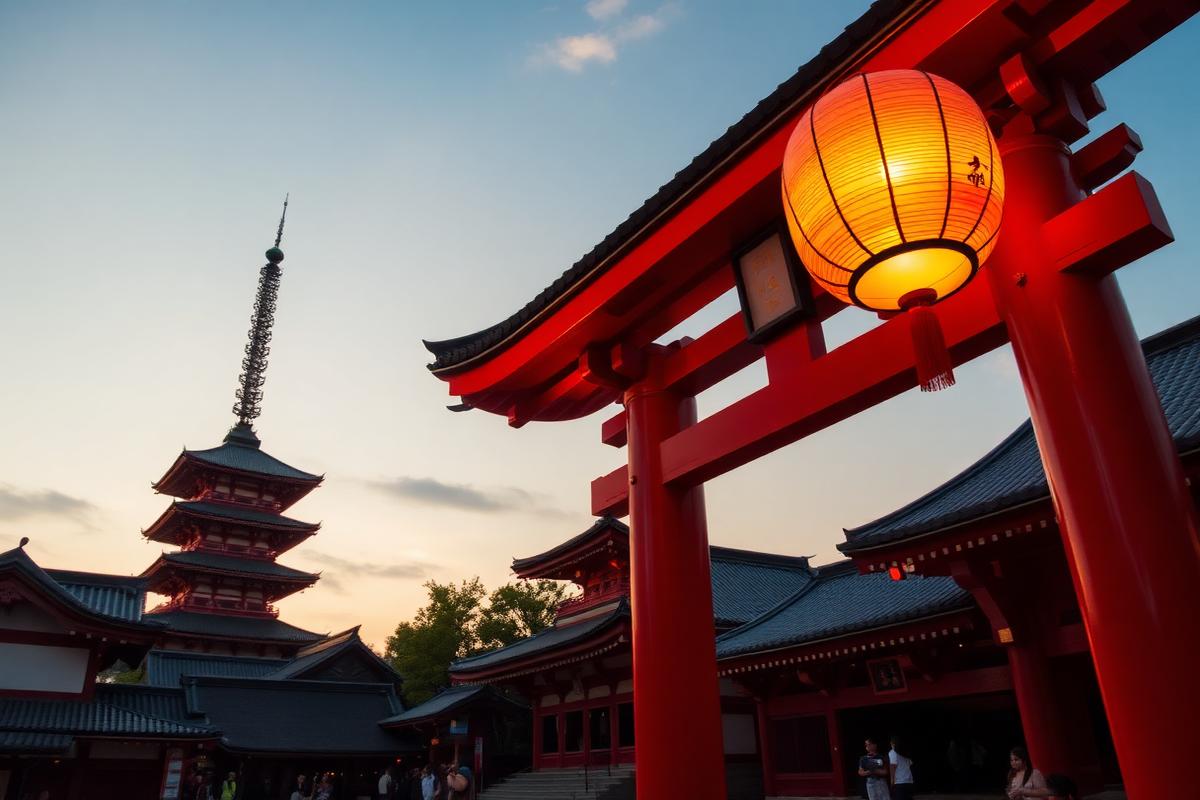
Sensō-ji Temple浅草寺
Tokyo's oldest Buddhist temple (645 CE) with the iconic Kaminarimon lantern and a five-story pagoda.
Tokyo neighborhood
Old-town Tokyo built around Sensō-ji temple. Affordable hotels, walkable streets and direct trains to both airports — the easiest traditional base in the city.
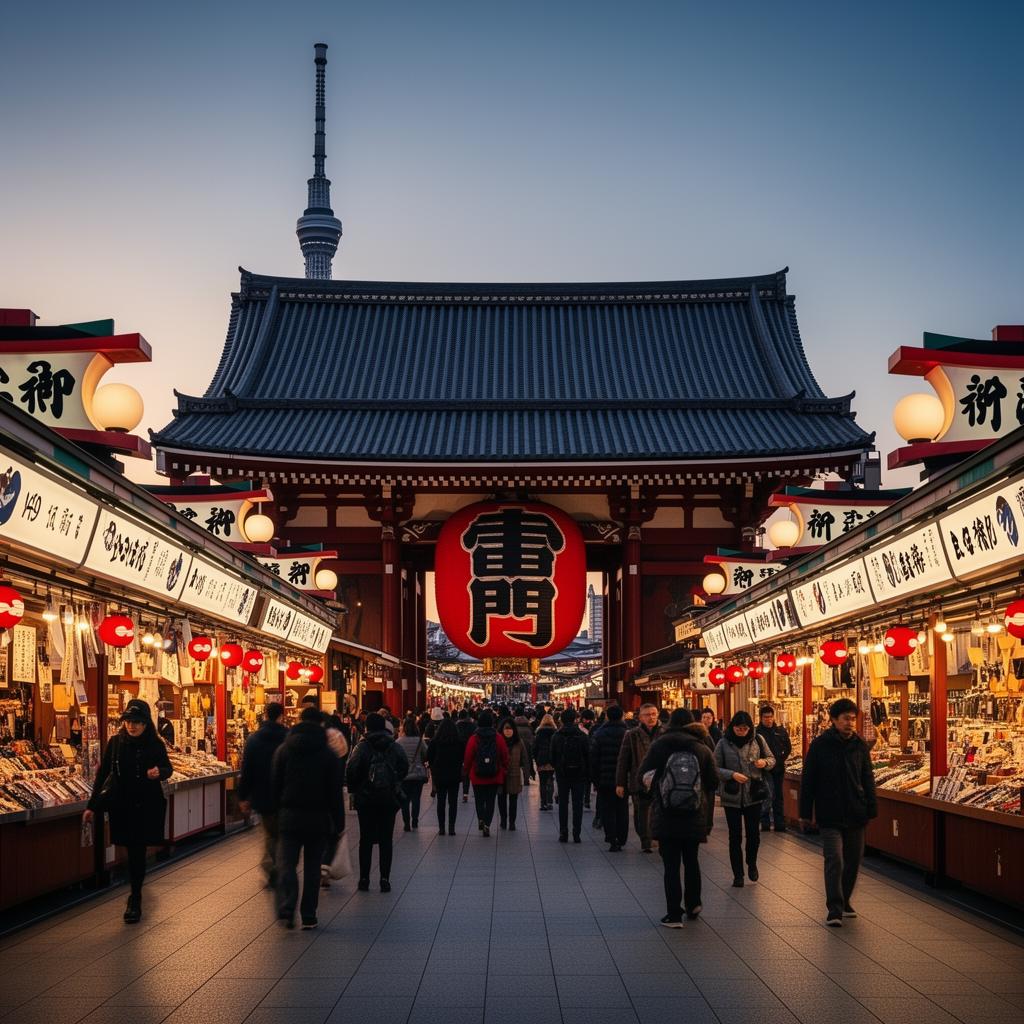
The most traditional atmosphere in central Tokyo.
One of the best-value areas for hotels and hostels.
Direct trains to both Narita and Haneda without transfers.
Safe, walkable and family-friendly day and night.
Legendary street food along Nakamise and Hoppy-dori.
Everything sightseeing-wise is within a 15-minute walk.
Best for
Traditional Tokyo, budget travellers, families
Budget
$–$$ · hostels to comfortable mid-range
Atmosphere
Low-rise, calm, lantern-lit at night
Airport access
Direct Skyliner to Narita · Asakusa Line to Haneda
Transport
Ginza, Asakusa, Tobu Skytree, Tsukuba Express
Signature
Sensō-ji temple, Sumida River, Tokyo Skytree
A hand-picked selection of hotels in the Asakusa area — from budget hostels to comfortable mid-range stays with river or Skytree views.
Tokyo's oldest Buddhist temple (645 CE) with the iconic Kaminarimon lantern and a five-story pagoda.
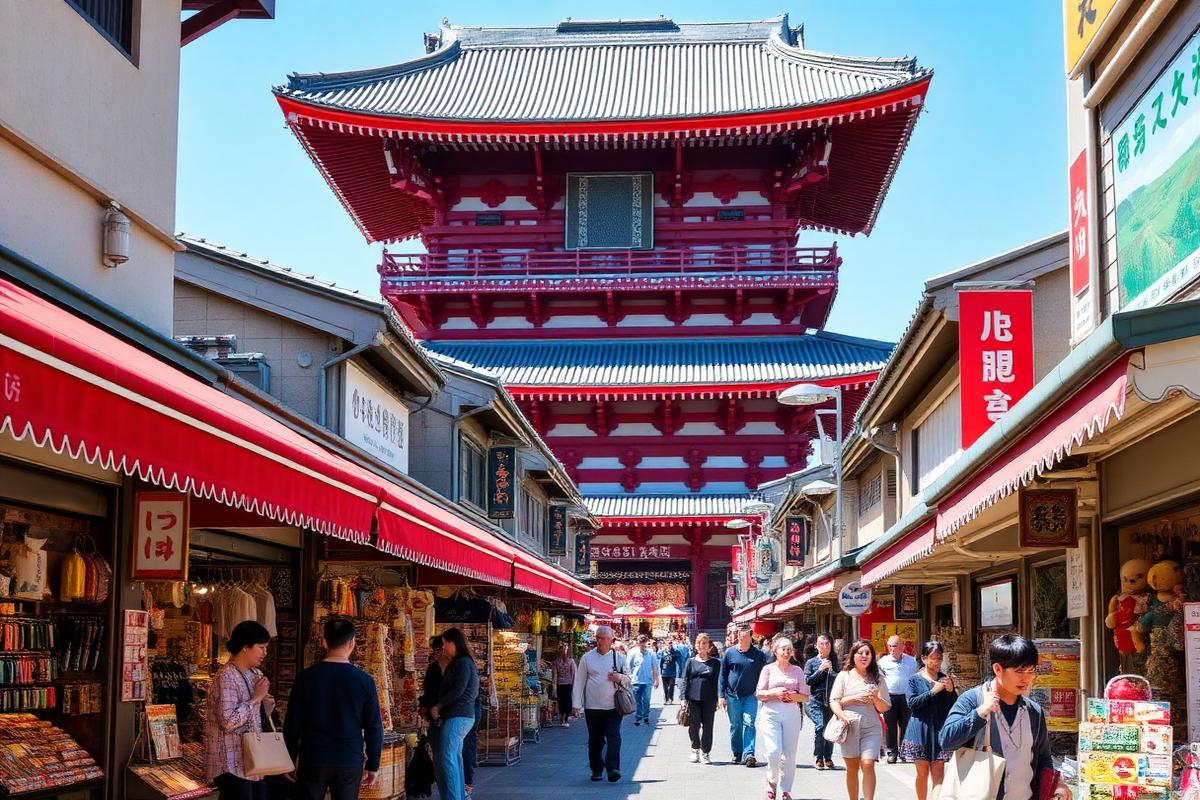
250-metre approach lined with 80+ traditional shops — snacks, folding fans, kimono and Edo souvenirs.
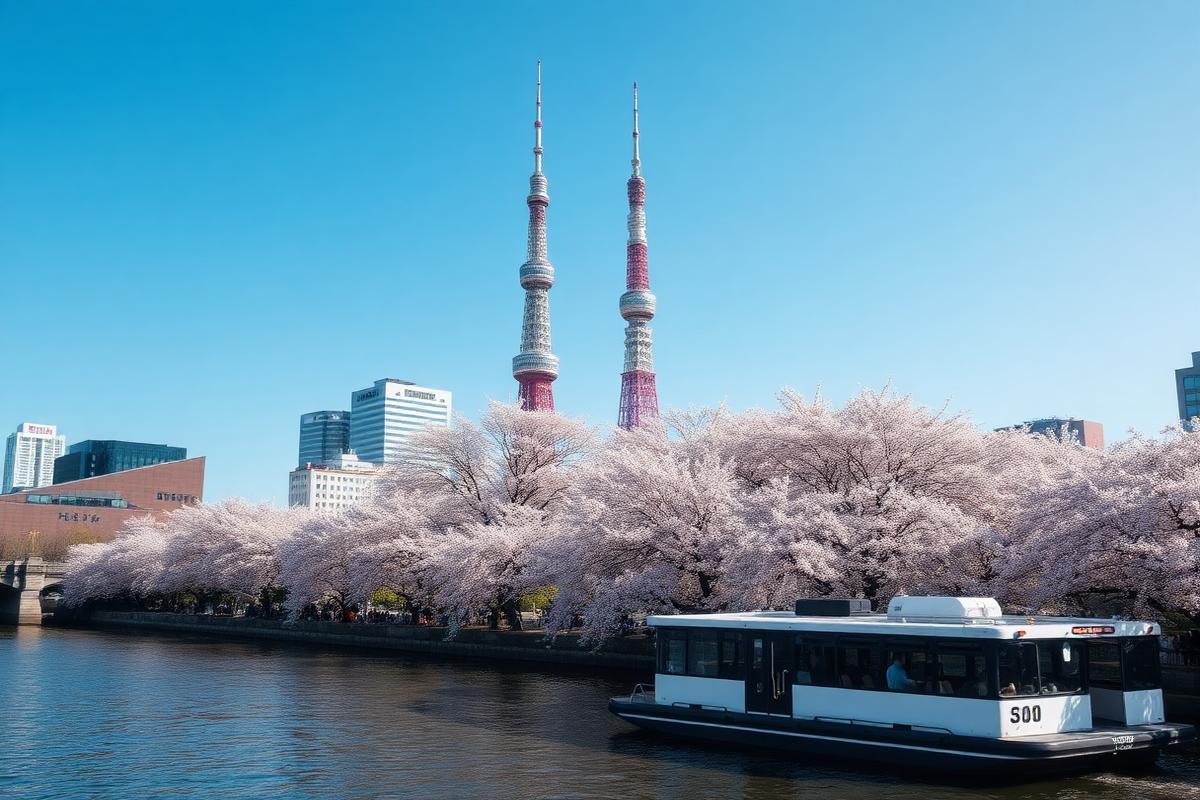
Cherry-lined river walk with water buses to Odaiba and Hamarikyu, plus the best Skytree sunset views.
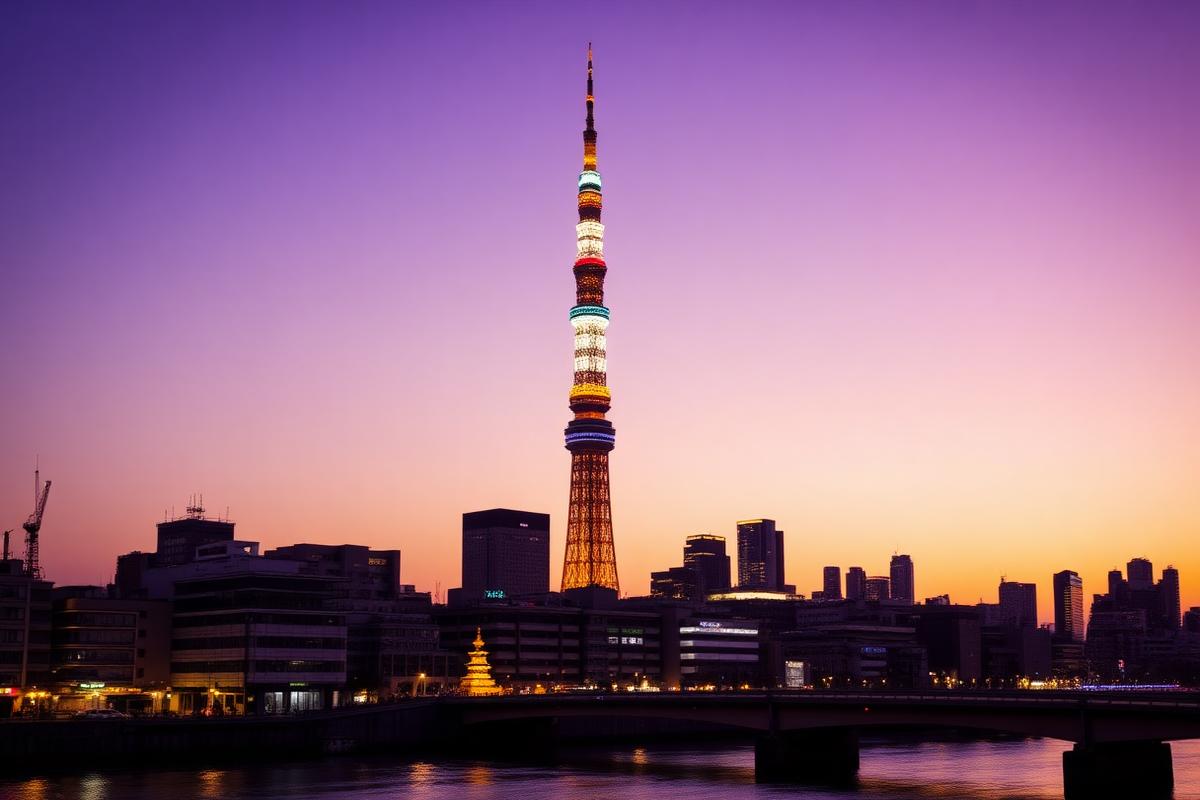
The 634 m tower with observation decks. Solamachi at its base is Asakusa's main modern shopping mall.
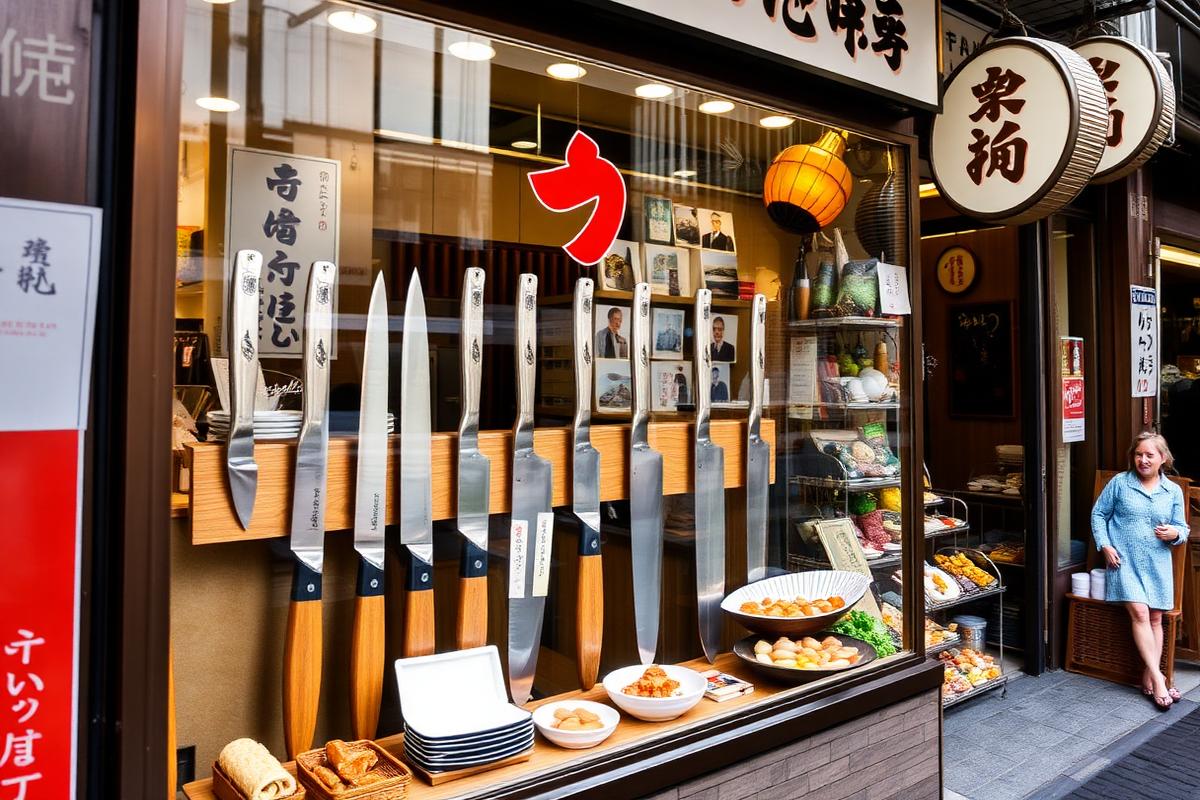
Tokyo's kitchen town — pro knives, ceramics and the famous plastic food replicas from restaurant windows.
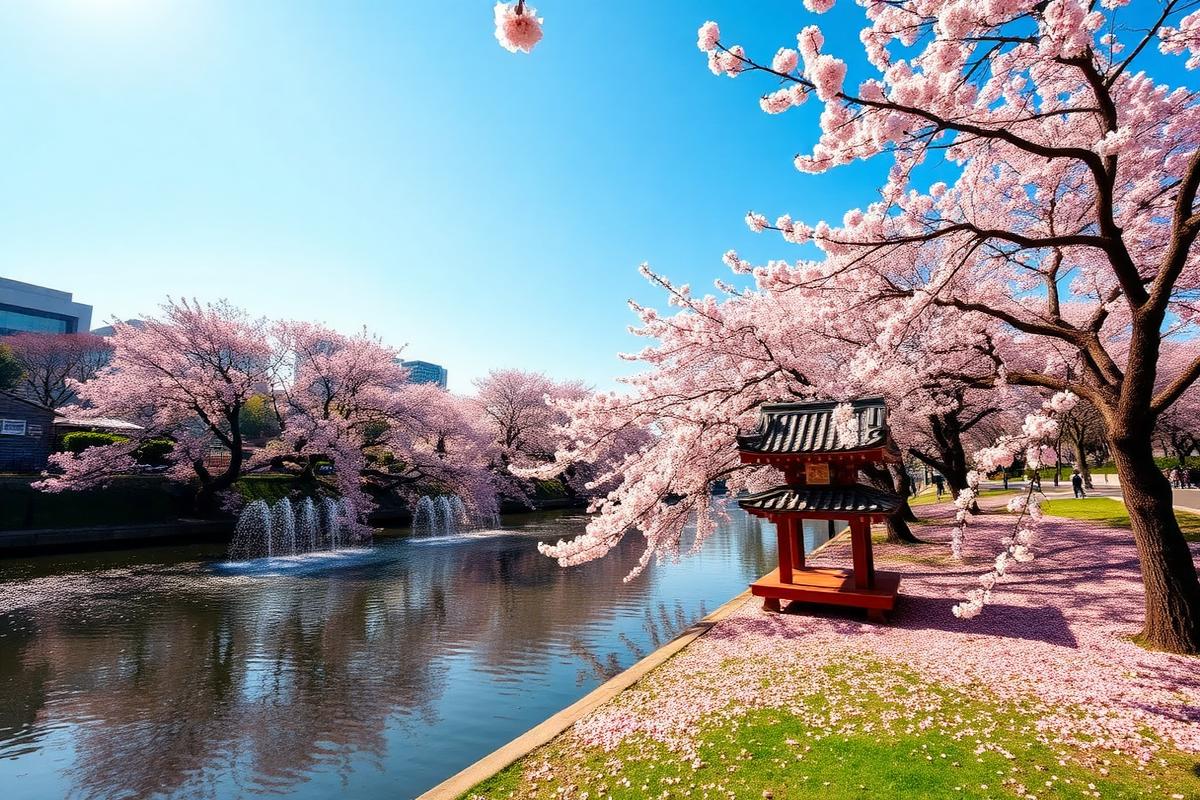
Riverside park famous for cherry blossoms, with a smaller shrine tucked beside Sensō-ji.
Asakusa's transport is unusually strong for a traditional area — direct trains reach both airports and most central hubs without transfers.
| Narita Airport | Keisei Skyliner via Ueno / Access Express direct | ~55 min |
| Haneda Airport | Asakusa Line direct (Keikyu through-service) | ~40 min |
| Tokyo Station | Ginza Line + JR (via Kanda) | ~18 min |
| Shinjuku | Ginza Line → Marunouchi Line | ~32 min |
| Shibuya | Ginza Line direct | ~35 min |
Museum district and major transport hub two stops away — home of the Skyliner and Ueno Park.
Anime, electronics and gaming culture on the JR Yamanote Line, about 10 minutes south.
Tokyo's most refined shopping district — 20 minutes away by Asakusa Line for upscale hotels and dining.
Yes — Asakusa is one of the best areas to stay in Tokyo if you value traditional atmosphere, affordable hotels and direct airport access. It's especially good for first-time visitors and families. The main trade-off is distance from western Tokyo (Shibuya, Shinjuku), which take 30–40 minutes by train.
Asakusa is very safe, both during the day and at night. It's a low-crime residential and tourist area with well-lit main streets around Sensō-ji, the station and the river. Standard big-city awareness is enough.
For sightseeing in Asakusa itself, one full day covers Sensō-ji, Nakamise, Sumida River and Skytree. As a base for a wider Tokyo trip, 3–5 nights works well: airport access is fast, prices are lower than western Tokyo, and most attractions are one or two subway rides away.
Ueno has stronger transport (JR Yamanote Line, direct Skyliner, more business hotels) and museums. Asakusa has more character, better food streets and a stronger traditional atmosphere. For pure convenience choose Ueno; for atmosphere and value, Asakusa. Many travellers combine both — they're only 5 minutes apart.
Yes. Asakusa is served mainly by Tokyo Metro (Ginza Line) and Toei (Asakusa Line), plus the Keisei and Tobu private lines. Most Asakusa itineraries barely use JR trains, so a JR Pass is often not worth it if Asakusa is your base — a Suica/Pasmo IC card is usually enough.
Very much so. Streets are wide and safe, distances between attractions are short, and there's plenty for kids: rickshaws, river cruises, Sumida Park, Tokyo Skytree and Solamachi shopping. Hotel rooms in Asakusa are also generally larger and cheaper than in Shinjuku or Ginza.
Yes — Asakusa is noticeably cheaper. Comparable 3–4 star hotels in Asakusa often cost 30–40 % less than in Shinjuku or Shibuya, and there's a much larger selection of hostels, guesthouses and traditional ryokan.
The fastest option is the Keisei Skyliner to Ueno (~40 min), then one Ginza Line stop to Asakusa. Alternatively, the Keisei Access Express runs directly to Asakusa Station in about 55 minutes on the Asakusa Line.
Keep exploring
Editorial guides where Asakusa is one of the recommended areas — pick the angle that matches your trip.
The main hub guide — compare Shinjuku, Ueno, Shibuya, Ginza, Minato and Ningyōchō for a first Tokyo trip.
Read guideNingyōchō, Ueno, Asakusa, Ikebukuro and Kanda — One of Tokyo's best value neighbourhoods for budget travellers.
Read guideFamily-friendly Tokyo areas with parks, apartment hotels, safety and easy transport for kids.
Read guideGinza, Shinjuku, Asakusa, Ueno and Ebisu/Nakameguro — Tokyo's strongest neighbourhoods for sushi, izakaya, Michelin dining and cafés.
Read guideMuseum district or old-town charm? Compare Ueno and Asakusa for transport, hotels, culture and prices.
Read guideGinza, Shibuya, Shinjuku, Ikebukuro and Asakusa — where to base yourself for luxury, fashion, anime or craft shopping.
Read guide