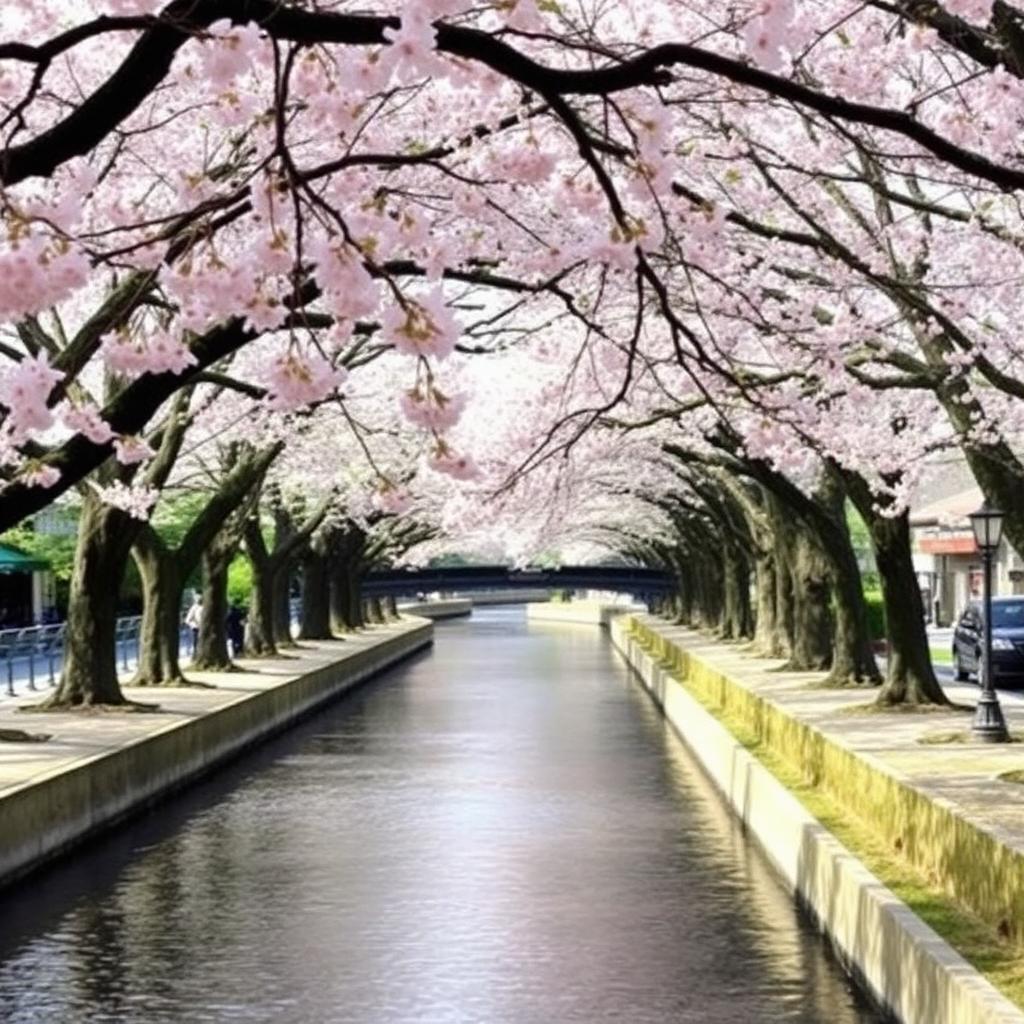
Meguro River canal目黒川
A tree-lined canal running through Nakameguro, lined with cafés and boutiques. One of Tokyo's prettiest cherry blossom walks in early April.
Tokyo neighborhood
Ebisu and Nakameguro are stylish, residential-feeling bases with tree-lined streets, canal-side cafés and quietly excellent restaurants. Just south of Shibuya on the JR Yamanote line, they trade neon and crowds for design boutiques, third-wave coffee and a strong dining scene.
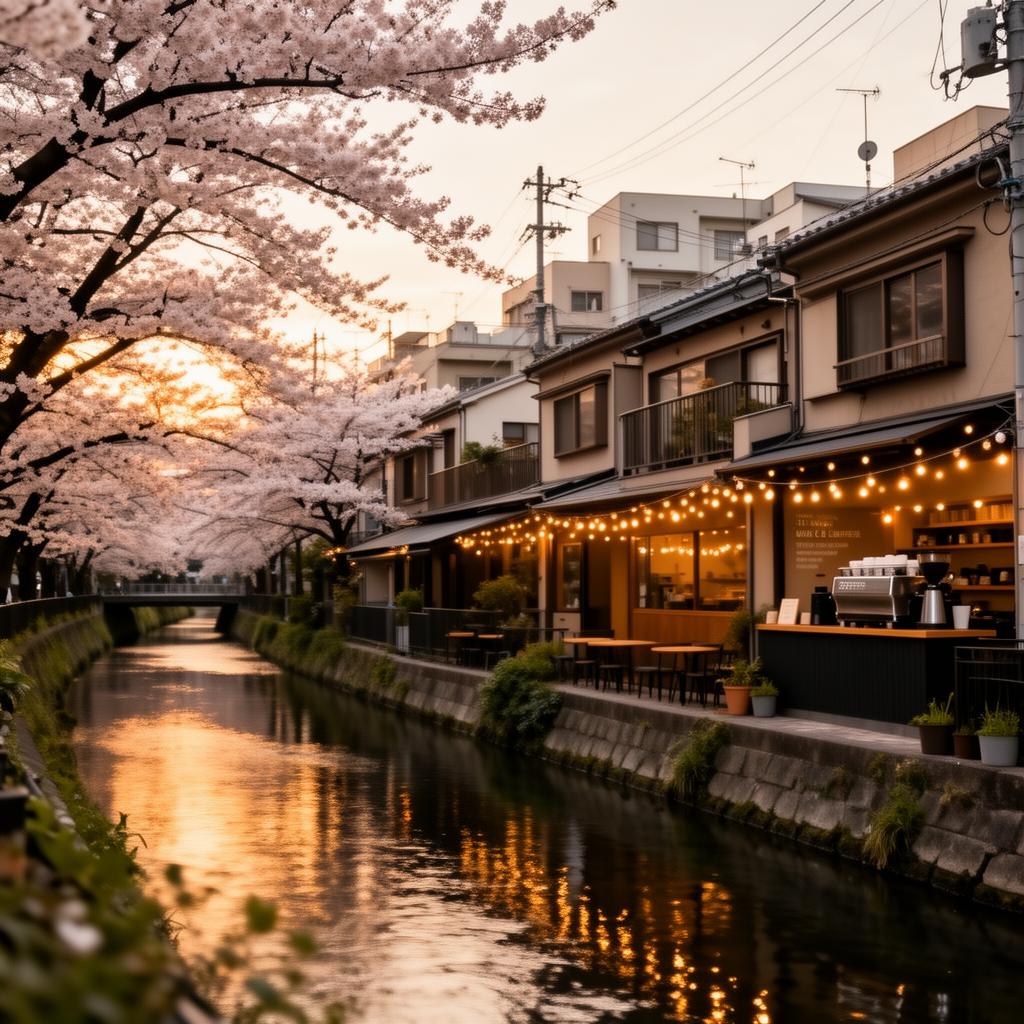
A leafy residential, low-rise area where boutiques and canal-side cafés give a calm, residential feel that many repeat visitors prefer over the big hubs.
One of Tokyo's best neighbourhoods for dining, from tiny izakayas and ramen shops to natural-wine bars, cafés and fine dining.
One stop from Shibuya on the JR Yamanote Line, plus direct Hibiya Line trains to Roppongi and Ginza and the Tōkyū Tōyoko line for Daikanyama and Yokohama.
The Meguro River canal in Nakameguro is a photogenic walk year-round, and especially popular under cherry blossoms in early April.
A more grown-up, local atmosphere. Great for couples, design-minded travellers and returning visitors looking for a quieter, more residential side of Tokyo.
Very walkable — you can easily stroll between Ebisu, Daikanyama and Nakameguro in an afternoon, hopping between shops, coffee and small galleries.
Best for
Couples, foodies, design-minded travellers, second-time visitors and anyone who prefers a calm, upmarket residential base over big-city bustle
Budget
$$–$$$$ · mostly mid-range and upscale hotels, with a handful of boutique properties and serviced apartments
Atmosphere
Grown-up, residential and stylish — tree-lined streets, low-rise buildings, natural-wine bars and independent shops
Airport access
Haneda: ~30–40 min via Shibuya or Meguro · Narita: ~90 min via Nippori or Tokyo Station
Transport
JR Yamanote · Hibiya subway · Tōkyū Tōyoko lines (Ebisu, Nakameguro, Daikanyama)
Signature
Meguro River sakura canal, Yebisu Garden Place, Ebisu Yokochō, Daikanyama T-Site
A curated selection of hotels across Ebisu, Nakameguro and Daikanyama — mostly mid-range to upscale boutique stays, with a handful of design-led properties and serviced apartments popular with returning visitors.
A tree-lined canal running through Nakameguro, lined with cafés and boutiques. One of Tokyo's prettiest cherry blossom walks in early April.
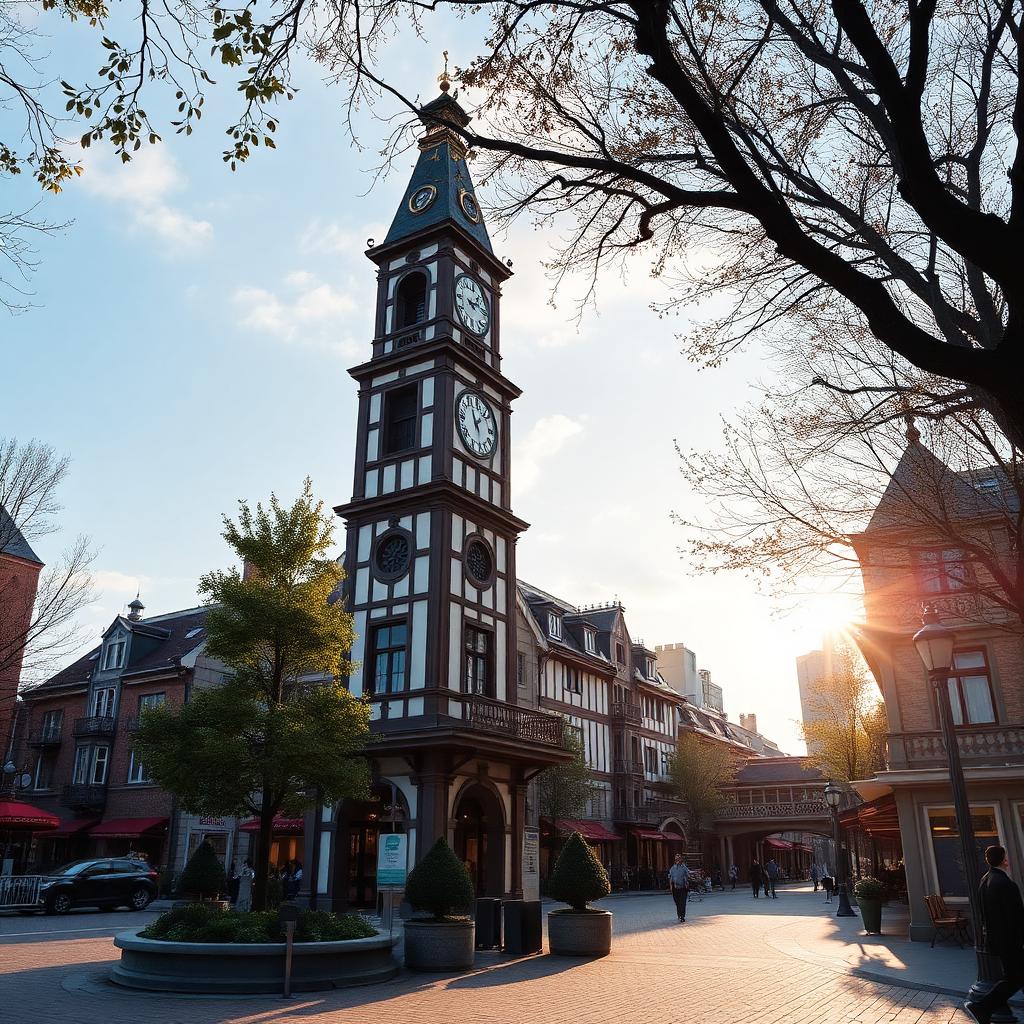
A landmark plaza built on the old Yebisu Brewery site, with a chateau, department store, restaurants and the Tokyo Photographic Art Museum.
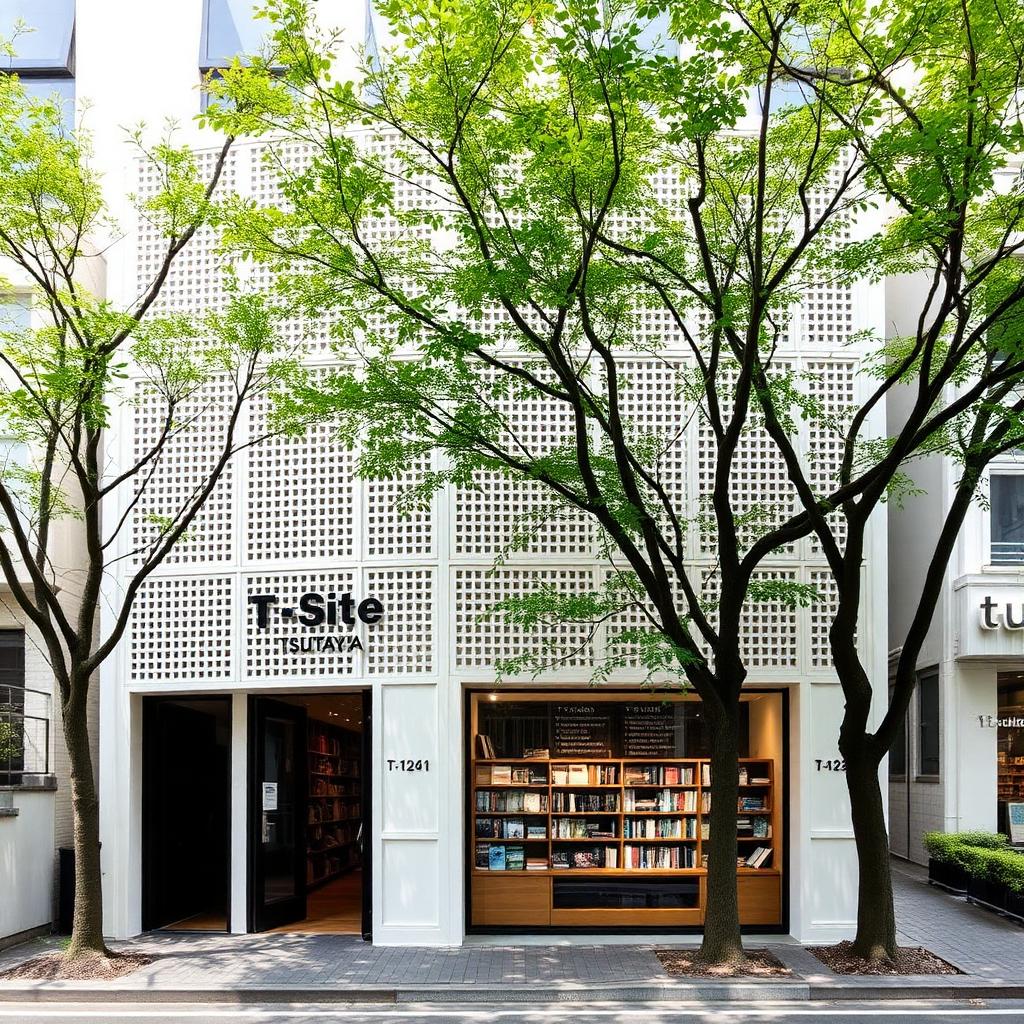
An architecturally striking Tsutaya bookstore complex surrounded by cafés and lifestyle shops — the design heart of the Daikanyama quarter.
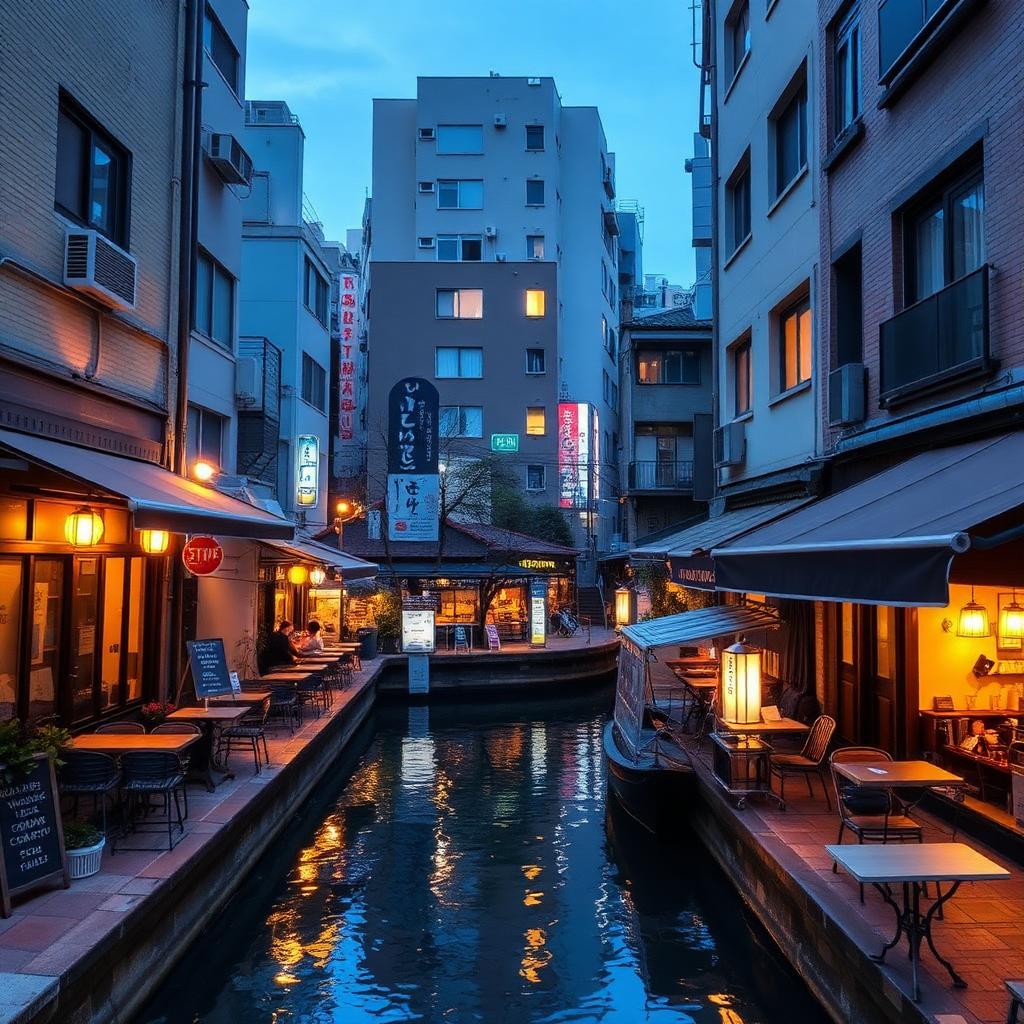
Wander canal-side lanes packed with tiny cafés, natural-wine bars, roasteries and independent boutiques — a highlight of design-focused Tokyo.
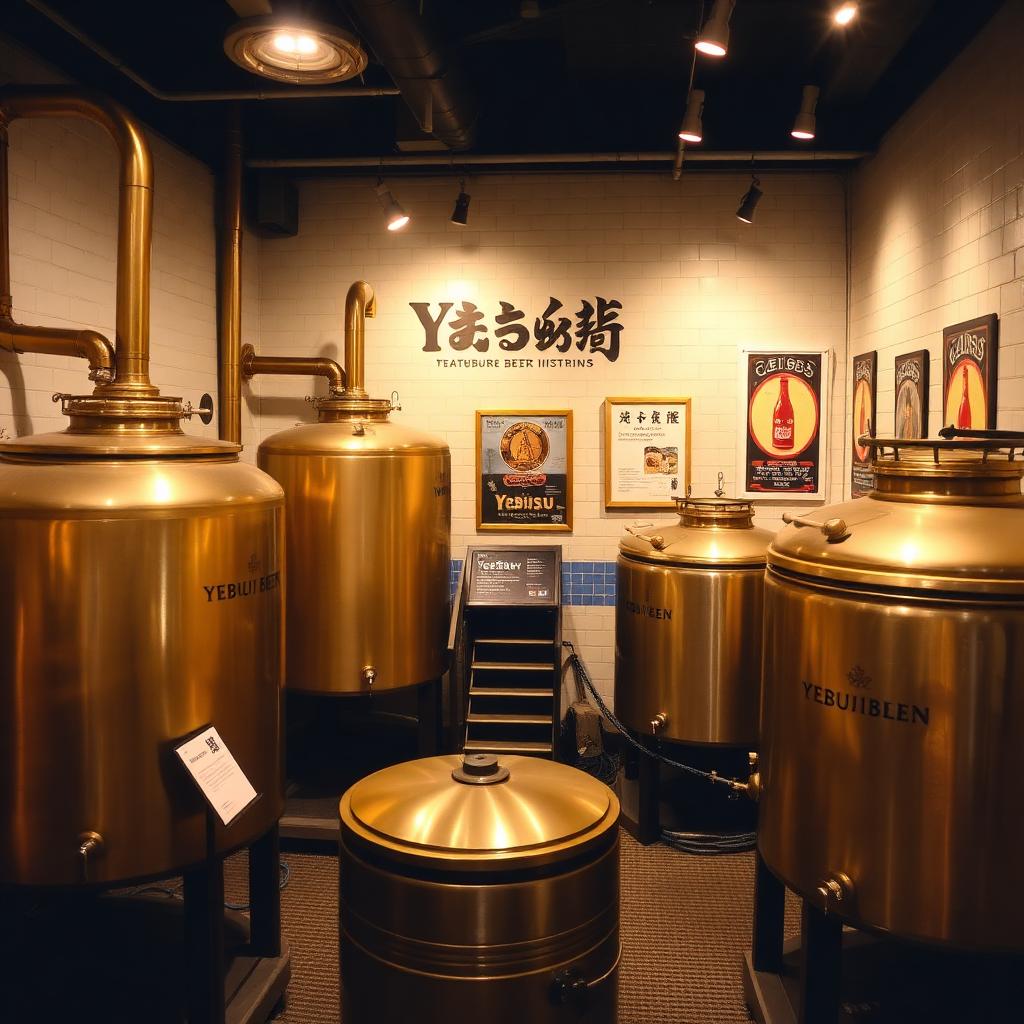
An interactive museum exploring the history of Yebisu Beer, with exhibits, tastings and limited-edition brews inside Yebisu Garden Place.
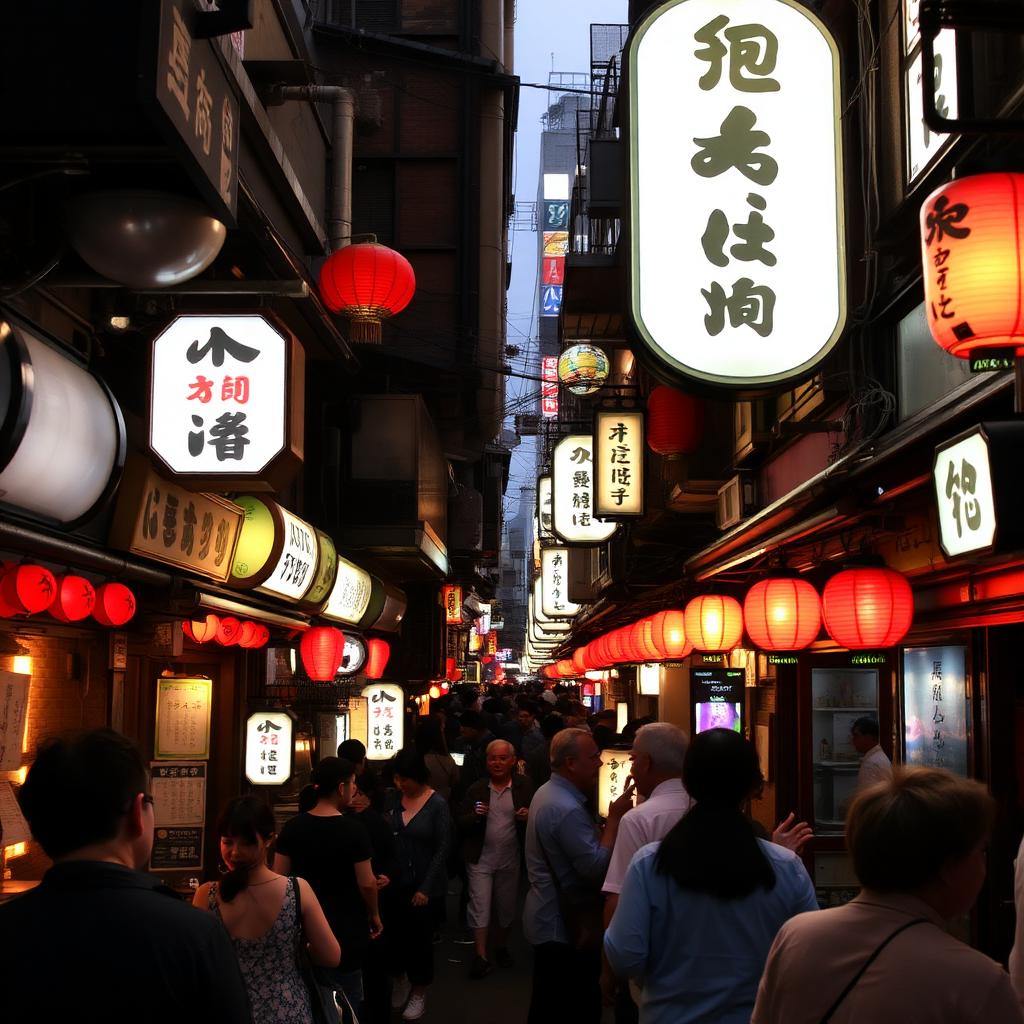
A lively covered alley of tiny izakayas and seafood counters — an easy, fun after-work drinking scene close to the station.
Ebisu sits on the JR Yamanote loop line, so most of central Tokyo is one direct ride away. Nakameguro adds the Hibiya subway direct to Roppongi and Ginza, while Daikanyama gives you the scenic Tōkyū Tōyoko line down to Yokohama.
| Shibuya | JR Yamanote (from Ebisu) | ~2 min |
| Shinjuku | JR Yamanote | ~9 min |
| Tokyo Station | JR Yamanote | ~17 min |
| Ginza | Hibiya line (from Ebisu/Nakameguro) | ~12 min |
| Roppongi | Hibiya line | ~7 min |
| Haneda Airport | JR Yamanote Line to Shinagawa, then the Keikyū Line | ~30–35 min |
| Narita Airport | Skyliner via Nippori or NEX via Tokyo | ~80–95 min |
One stop north — younger, louder and packed with shopping and nightlife. Stay in Ebisu instead if you want the Shibuya line access without the crowds outside your door.
Bigger international hotels, more nightlife and museums. Ebisu is calmer and more residential, but only 7 minutes from Roppongi on the Hibiya line.
Tokyo's flagship luxury shopping district. Ginza is polished and central; Ebisu trades that for local streets, canal walks and independent dining.
Yes, especially if it's not your first visit or you prefer a calmer, more local base. Ebisu sits on the JR Yamanote Line just south of Shibuya, has an excellent restaurant scene and connects directly to Roppongi and Ginza via the Hibiya line.
Shibuya is livelier, busier and better for shopping and nightlife. Ebisu is calmer and more grown-up, with a stronger food scene and a residential feel — but it's still just 2 minutes by train, so you get Shibuya's access without the crowds.
Ginza is the classic luxury choice, with flagship shopping and easy Tokyo Station access. Ebisu is more understated and residential, with a strong independent food and coffee scene. Choose Ginza for polish, Ebisu for local character.
Yes, if you prefer a quieter base over staying in one of Tokyo's busiest hubs. Ebisu offers excellent transport, outstanding restaurants and easy access to Shibuya, Shinjuku and Ginza, although first-time visitors focused on sightseeing may find Ueno or Shinjuku slightly more convenient.
From Haneda, take the Keikyū line to Shinagawa and change to the JR Yamanote to Ebisu (about 30–35 minutes total). From Narita, use the Skyliner to Nippori or the Narita Express to Tokyo Station, then the JR Yamanote loop to Ebisu.
They're separate stations but essentially one neighbourhood: Ebisu is on the JR Yamanote line, Nakameguro is on the Hibiya subway and Tōkyū Tōyoko lines, and both sit at either end of the Meguro River canal. Most travellers treat them as one area.
It's generally more expensive than Ueno or Ikebukuro, mainly because there are fewer hotels and many are boutique or upscale properties. That said, you'll still find reasonably priced business hotels and plenty of affordable places to eat.
Ebisu is best for transport and restaurants, Nakameguro for riverside cafés and cherry blossoms, and Daikanyama for boutique shopping and design. All three are within easy walking distance of each other.
Keep exploring
Editorial guides where Ebisu, Nakameguro and Daikanyama are recommended — pick the angle that matches your trip.
Shibuya, Ebisu/Nakameguro, Ginza, Asakusa and Shinjuku — One of Tokyo's best neighbourhoods for couples, romance and luxury stays.
Read guideGinza, Shinjuku, Asakusa, Ueno and Ebisu/Nakameguro — Tokyo's strongest neighbourhoods for sushi, izakaya, Michelin dining and cafés.
Read guideShinjuku, Shibuya, Roppongi, Ebisu and Ginza compared for bars, clubs and late-night convenience.
Read guide