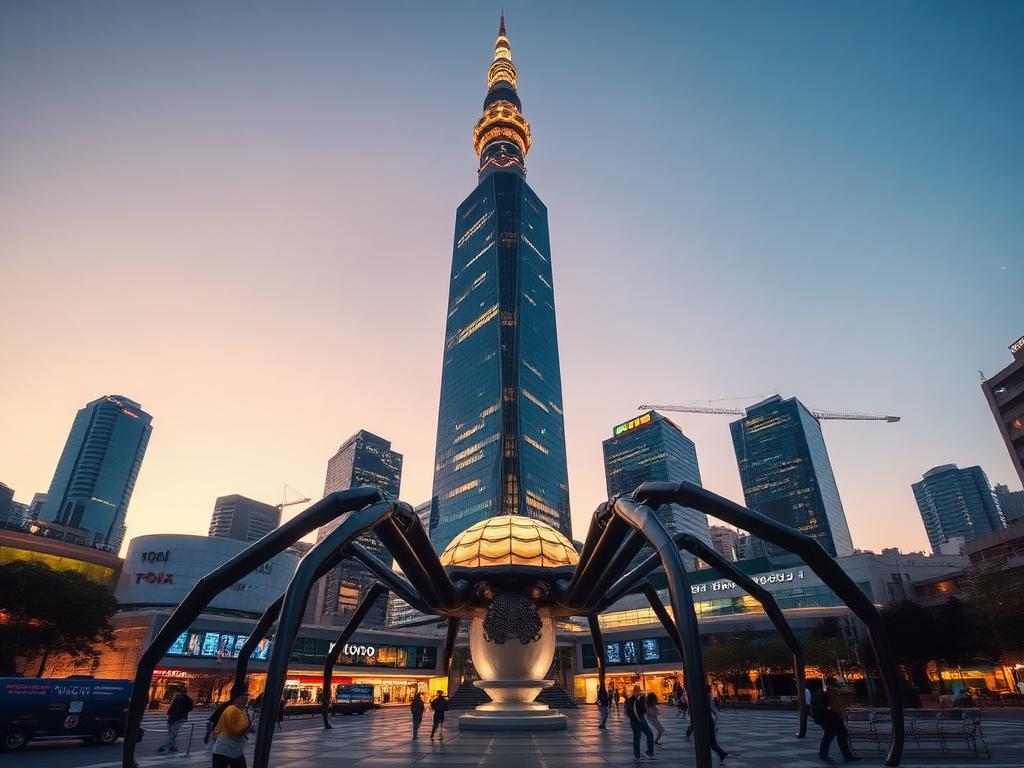
Roppongi Hills六本木ヒルズ
The complex that redefined the area: Mori Tower, shops, restaurants, a cinema and the Maman spider sculpture on the plaza — the natural centre of gravity in Roppongi.
Tokyo neighborhood
Roppongi is one of Tokyo's most international districts: embassies, sky-high art museums, five-star towers and the city's best-known late-night bar scene, all within a compact walkable grid. It works best if you want luxury hotels, English-friendly nightlife and Tokyo Tower views in central Minato.
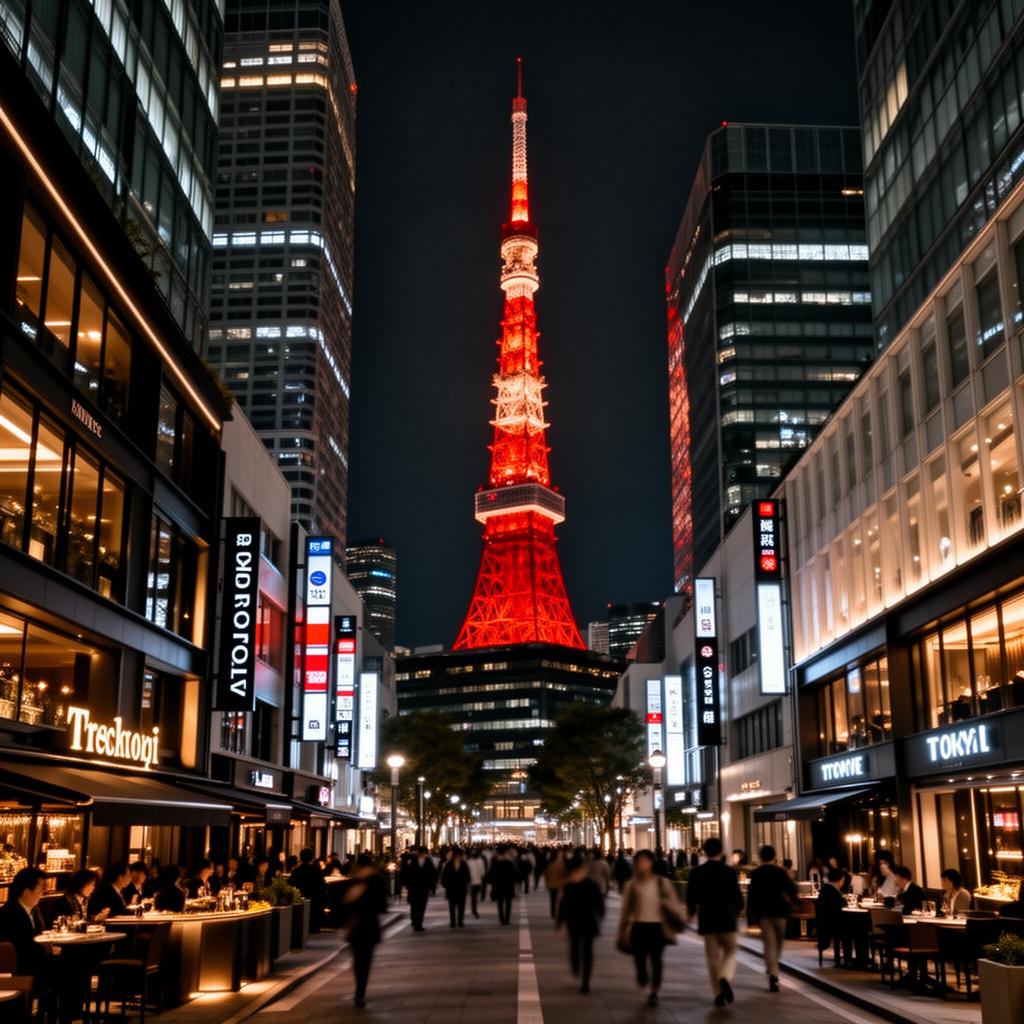
Tokyo's densest cluster of contemporary art: Mori Art Museum, the National Art Center and 21_21 Design Sight are all within a 15-minute walk of each other.
Roppongi Hills and Tokyo Midtown put shopping, restaurants, cinemas and observation decks in two air-conditioned mega-complexes minutes from most hotels.
One of Tokyo's most international neighbourhoods — embassies, English-speaking staff and a large expat community make it an easy soft landing for a first Tokyo trip.
Hibiya and Ōedo subway lines put Ginza in ~12 minutes, Shibuya in ~12 and Shinjuku in ~14, with Azabu-Jūban a short walk away for a second station.
Strong skyline photography: Tokyo Tower is a 15-minute walk, and the Mori Tower observation deck looks straight down over the city.
A global dining scene, from Michelin-starred sushi and steakhouses to late-night ramen and rare very-late food options for central Tokyo.
Best for
Nightlife, luxury and design hotels, art lovers, business travellers and visitors who want an English-friendly base
Budget
$$–$$$$ · strong on 4–5★ towers and design hotels, thin on genuine budget rooms
Atmosphere
Polished and international by day, loud and bar-heavy after midnight — especially around Roppongi Crossing on weekends
Airport access
Haneda: ~35–45 min via Ōedo to Daimon + Keikyū · Narita: ~75–90 min via Hibiya to Ueno + Skyliner
Transport
Hibiya · Ōedo (Roppongi) · Namboku & Ōedo at Azabu-Jūban, 10 min walk
Signature
Roppongi Hills, Mori Art Museum, Tokyo Midtown, Roppongi Crossing bars
Roppongi's hotel stock leans upmarket: skyline-view towers, international five-stars and a growing set of design hotels, plus a handful of mid-range options toward Azabu-Jūban.
The complex that redefined the area: Mori Tower, shops, restaurants, a cinema and the Maman spider sculpture on the plaza — the natural centre of gravity in Roppongi.
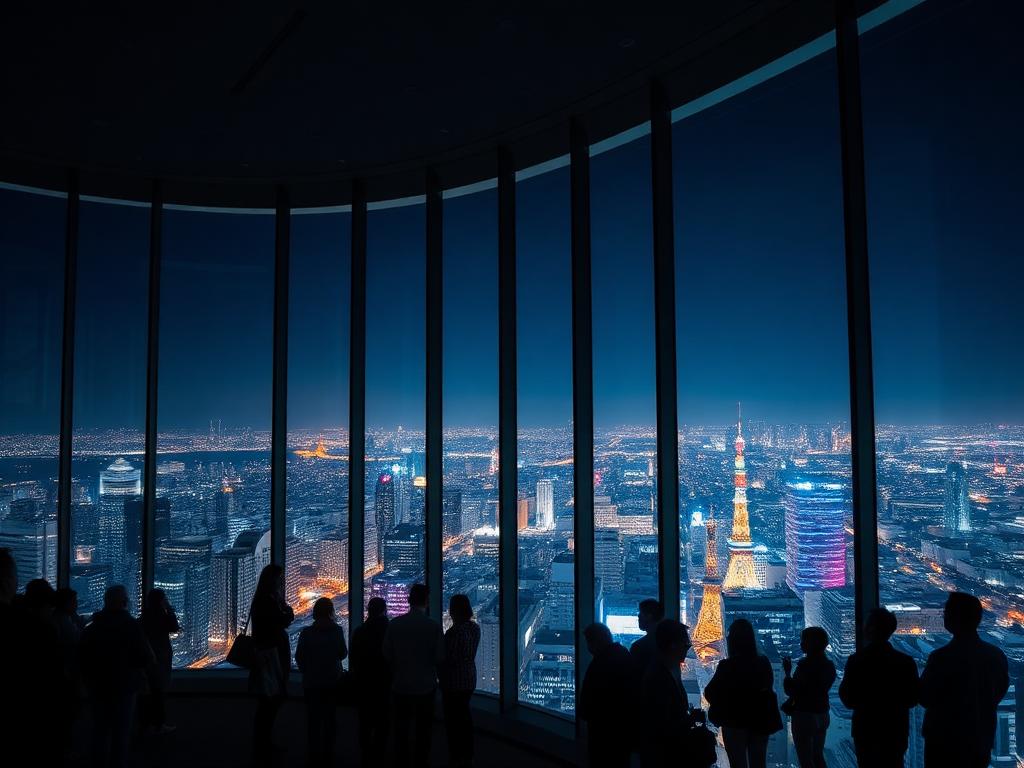
Contemporary art exhibitions on the 53rd floor paired with a wraparound observation deck — arguably the best value skyline view in central Tokyo.
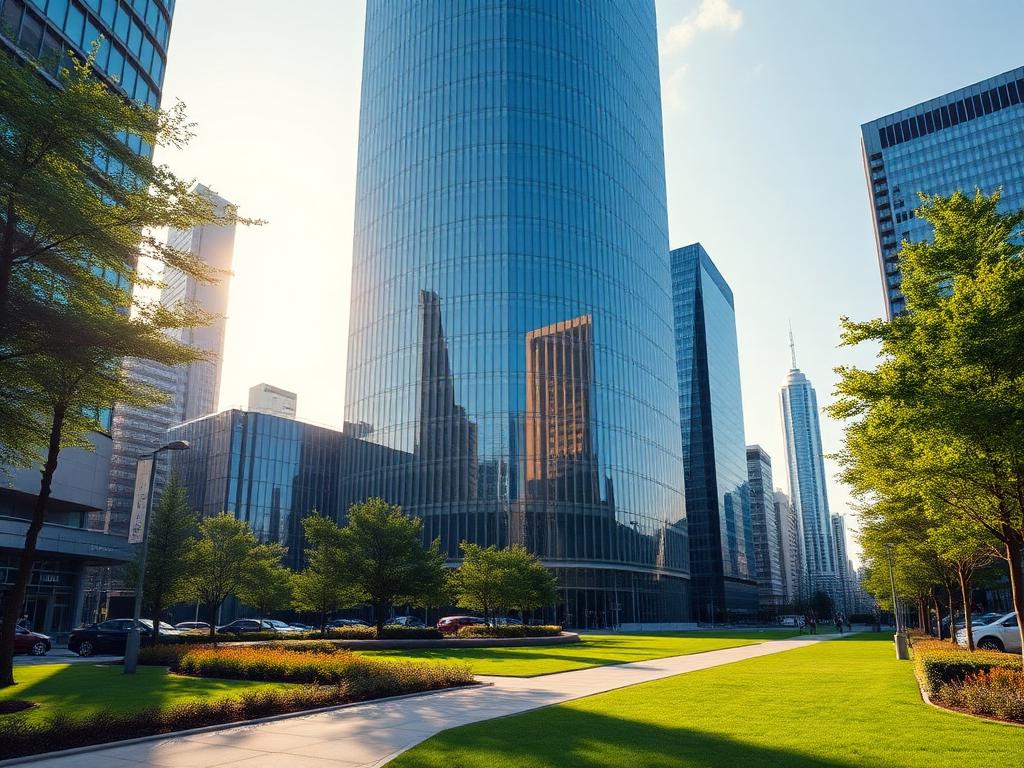
A calmer, more design-led complex with the Suntory Museum of Art, upmarket dining and a big lawn that hosts seasonal events and winter illuminations.
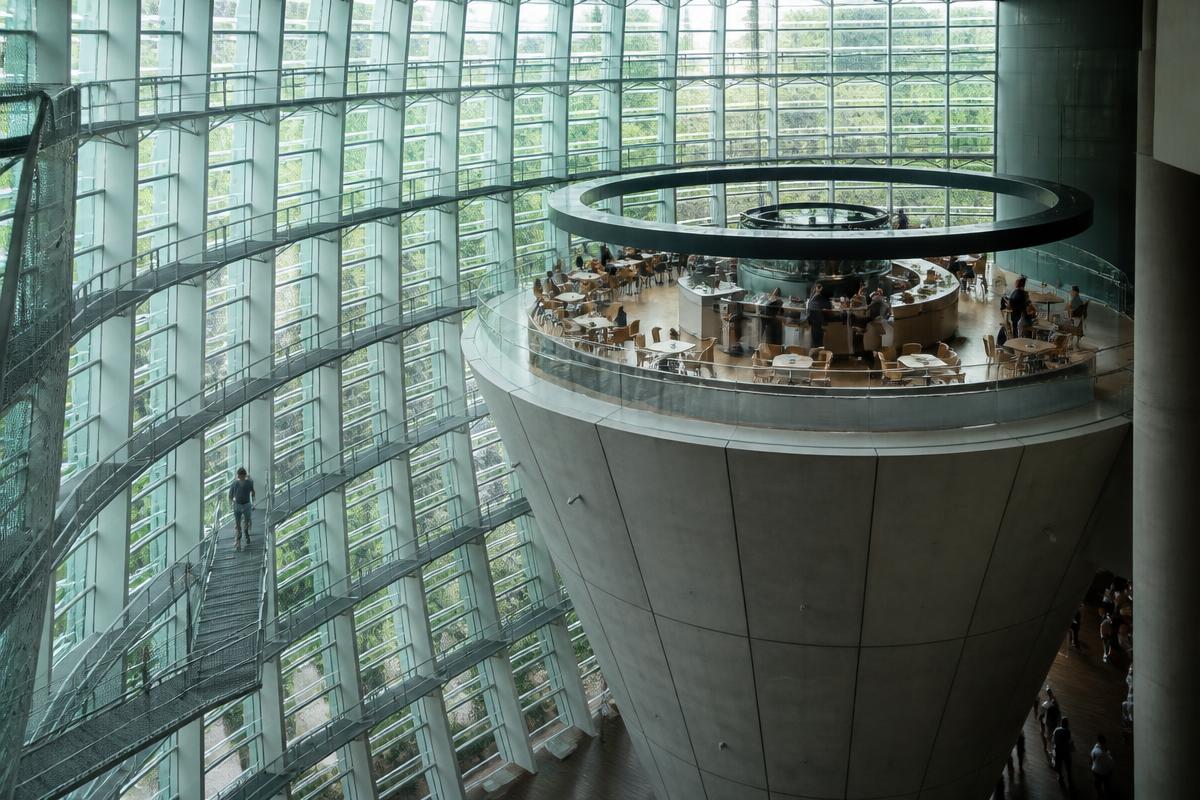
Kisho Kurokawa's rippling glass building holds Japan's largest exhibition space, plus a striking atrium with cone-mounted cafés and no permanent collection to rush.
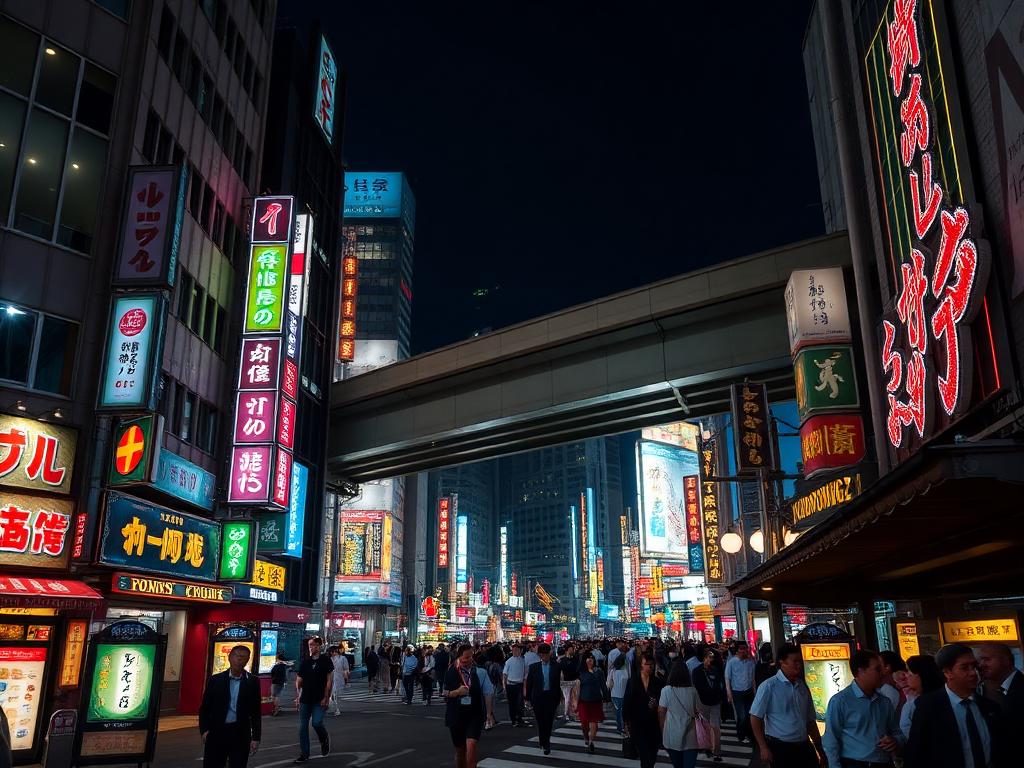
The intersection that made Roppongi famous — dozens of bars, live-music venues and clubs within a few blocks, many open until sunrise.
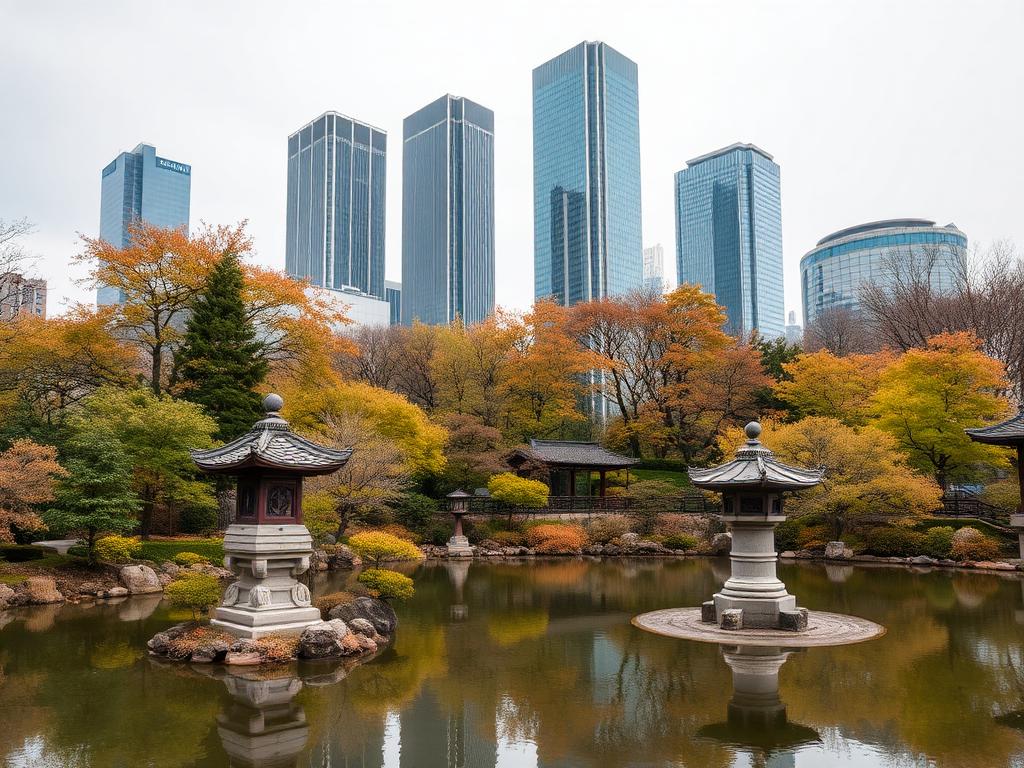
A pocket Japanese garden behind Tokyo Midtown, and a short walk downhill to Azabu-Jūban's old-Tokyo shopping street for a quieter evening.
Roppongi sits on the Hibiya and Ōedo subway lines, with the Namboku and Ōedo lines a 10-minute walk away at Azabu-Jūban. It isn't a JR hub, but many central areas are 10–20 minutes away and taxis are plentiful late at night.
| Ginza | Hibiya line | ~12 min |
| Shibuya | Ōedo + Hanzōmon or bus | ~12 min |
| Shinjuku | Ōedo line | ~14 min |
| Tokyo Station | Hibiya to Ginza + Marunouchi | ~18 min |
| Asakusa | Hibiya line direct | ~25 min |
| Haneda Airport | Ōedo to Daimon + Keikyū | ~35–45 min |
| Narita Airport | Hibiya to Ueno + Keisei Skyliner | ~75–90 min |
The wider district Roppongi belongs to — Tokyo Tower, Azabudai Hills and Shiba Park. Quieter streets and similar luxury hotels, without the late-night noise.
About 12 minutes away and much younger in feel. Shibuya wins on shopping, trains and energy; Roppongi wins on art, luxury rooms and after-midnight options.
Two stops down the Hibiya line — a calmer, more local dining scene with wine bars instead of clubs. A good swap if Roppongi feels too loud.
Yes, if nightlife, art and luxury hotels matter more than price. It's central, very international and well connected by the Hibiya and Ōedo subway lines. Budget travellers and light sleepers usually do better in Ueno, Asakusa or Ikebukuro.
Roppongi is safe by international standards, but it's the one Tokyo area where you should be street-smart: ignore touts near Roppongi Crossing, avoid unmarked upstairs bars offering 'free drinks', and stick to established venues.
Shinjuku has more variety and cheaper drinks, from Golden Gai to Kabukichō. Roppongi is more international, with bigger clubs and more English spoken — it's the easier option if you don't speak Japanese. See our nightlife guide for the full comparison.
Yes. Nightly rates are comparable to Ginza and Minato and well above Ueno or Ikebukuro. Value improves slightly if you stay near Azabu-Jūban or Nogizaka rather than directly at Roppongi Crossing.
From Haneda, take the Keikyū line to Daimon and change to the Ōedo line — about 35–45 minutes. From Narita, the Keisei Skyliner to Ueno plus the Hibiya line takes roughly 75–90 minutes; the Airport Limousine bus to Roppongi hotels is a comfortable alternative.
It works better than its reputation suggests: Roppongi Hills and Tokyo Midtown are family-friendly, and Hinokichō Park and Aoyama Cemetery's tree-lined paths give green space. Ask for a high floor away from the main street to avoid weekend noise.
Yes — Tokyo Tower is roughly a 15-minute walk from Roppongi Hills, and Azabudai Hills sits about halfway between the two, making the stroll worth it in itself.
Roppongi station (Hibiya/Ōedo) is the most convenient for nightlife and museums. Azabu-Jūban is quieter, often slightly cheaper and adds the Namboku line. Nogizaka puts you next to the National Art Center with much less street noise.
Keep exploring
Editorial guides where Roppongi appears as a recommended base — pick the angle that matches your trip.