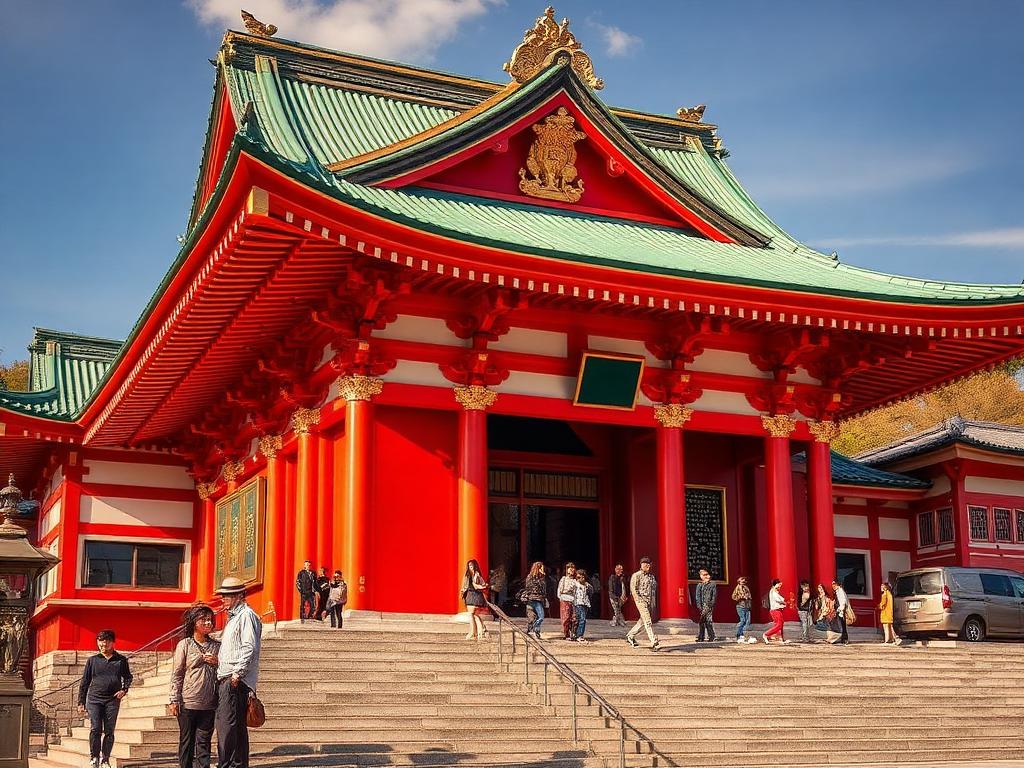
Kanda Myōjin Shrine神田明神
A vivid vermilion shrine on the hill above Akihabara, guardian of Tokyo's old merchant quarters and host of the Kanda Matsuri, one of the city's three great festivals.
Tokyo neighborhood
Kanda sits one stop north of Tokyo Station: an office district by day, a maze of traditional izakaya alleys by night, and a central area where mid-range hotel rates can still look reasonable. You get Yamanote, Chūō and Ginza-line access, Akihabara and Jimbōchō on foot, and fewer tourist crowds than the better-known hubs.
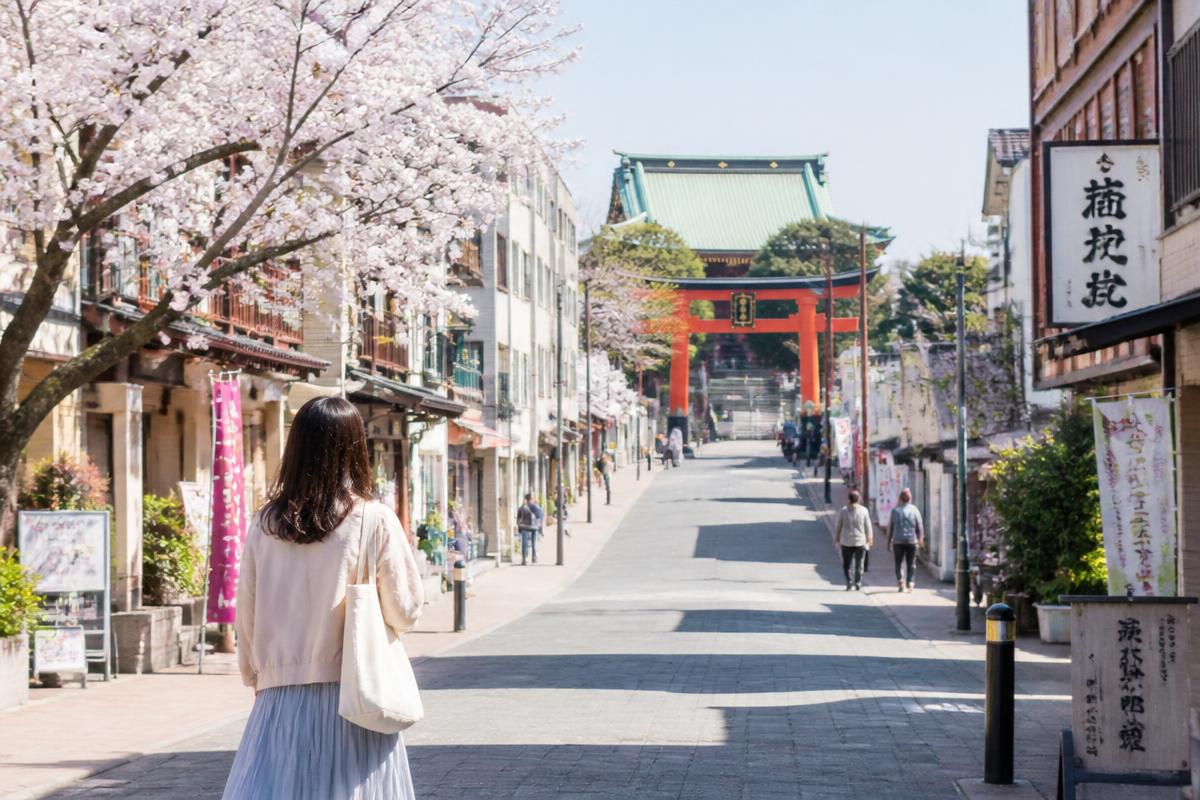
A strong price-to-location ratio in central Tokyo: business hotels a couple of minutes from Tokyo Station at rates often below Ginza or Shinjuku.
Yamanote, Chūō Rapid, Keihin-Tōhoku and the Ginza and Marunouchi subway lines all serve the area — many major stops are a single ride away.
Old-school salaryman dining: soba counters, tonkatsu institutions, curry shops and lantern-lit izakaya tucked under the railway arches.
Walkable to Akihabara, Jimbōchō's bookshops, Nihonbashi and the Imperial Palace east gardens without touching a train.
Quiet nights: the offices empty after work, so streets calm down quickly compared with Shinjuku or Shibuya.
Kanda Myōjin, one of Tokyo's most important shrines and home of the Kanda Matsuri, is a ten-minute walk uphill.
Best for
Budget-conscious travellers, repeat visitors, business trips and anyone who wants a central base without paying Ginza prices
Budget
$–$$ · mostly Japanese business hotels, a few boutique and hostel options
Atmosphere
Workaday and unpolished: office blocks and bookshops by day, lantern-lit drinking alleys after 18:00
Airport access
Narita: ~60 min via Tokyo Station (N'EX) or Ueno (Skyliner) · Haneda: ~35 min via Tokyo or Hamamatsuchō
Transport
JR Yamanote · Chūō Rapid · Keihin-Tōhoku · Ginza and Marunouchi subway lines
Signature
Kanda Myōjin, Jimbōchō book town, izakaya under the tracks, Kanda River
Kanda is business-hotel territory: compact, well-run Japanese chains within a few minutes of the station, plus a handful of newer boutique properties and hostels along the Kanda River.
A vivid vermilion shrine on the hill above Akihabara, guardian of Tokyo's old merchant quarters and host of the Kanda Matsuri, one of the city's three great festivals.
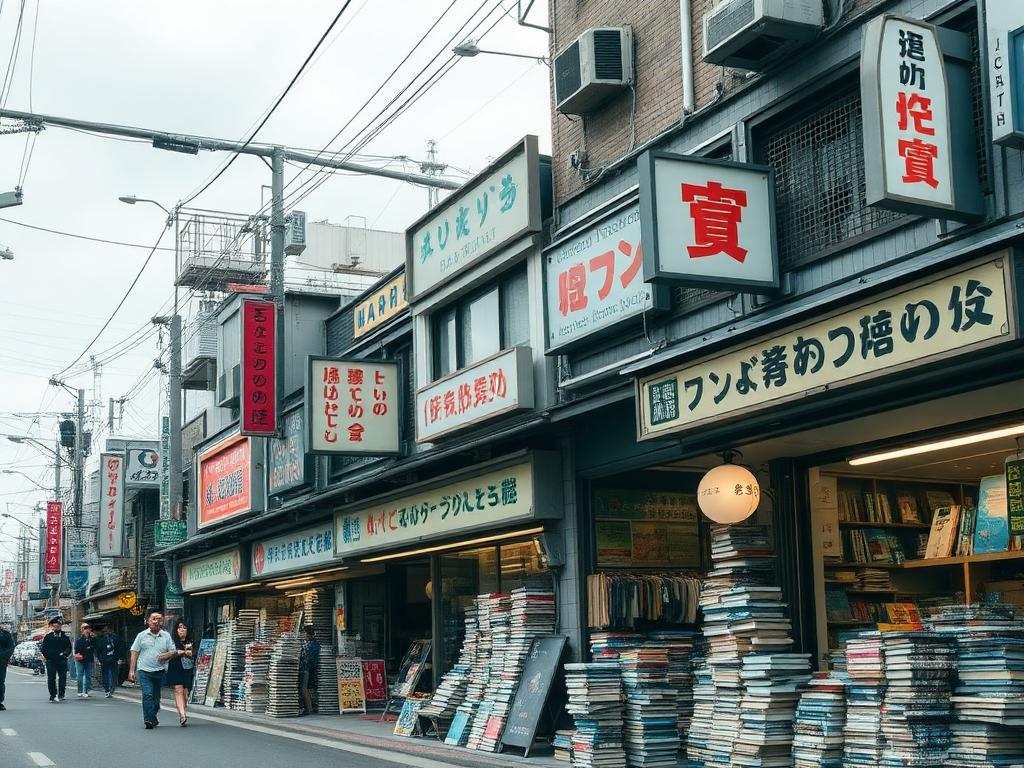
Around 150 second-hand bookshops packed into a few blocks, alongside old-school curry restaurants and coffee houses — a fifteen-minute walk or one subway stop west.
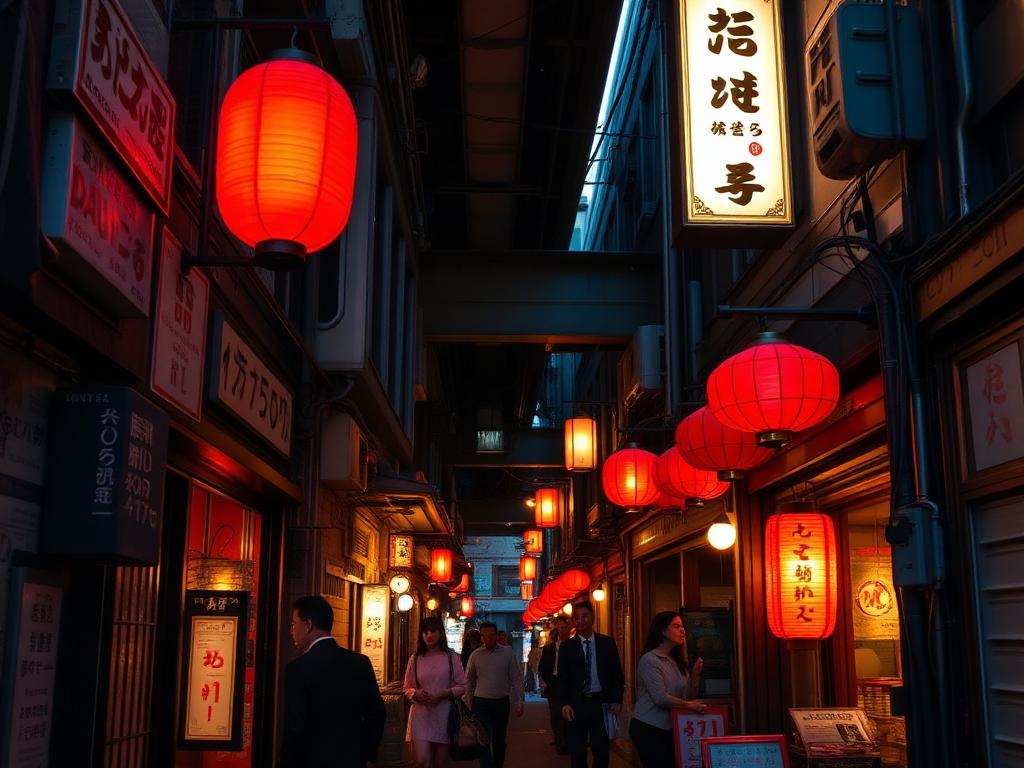
The heart of Kanda after dark: narrow lanes of yakitori counters, standing bars and grilled-fish joints packed with salarymen from 18:00 onwards.
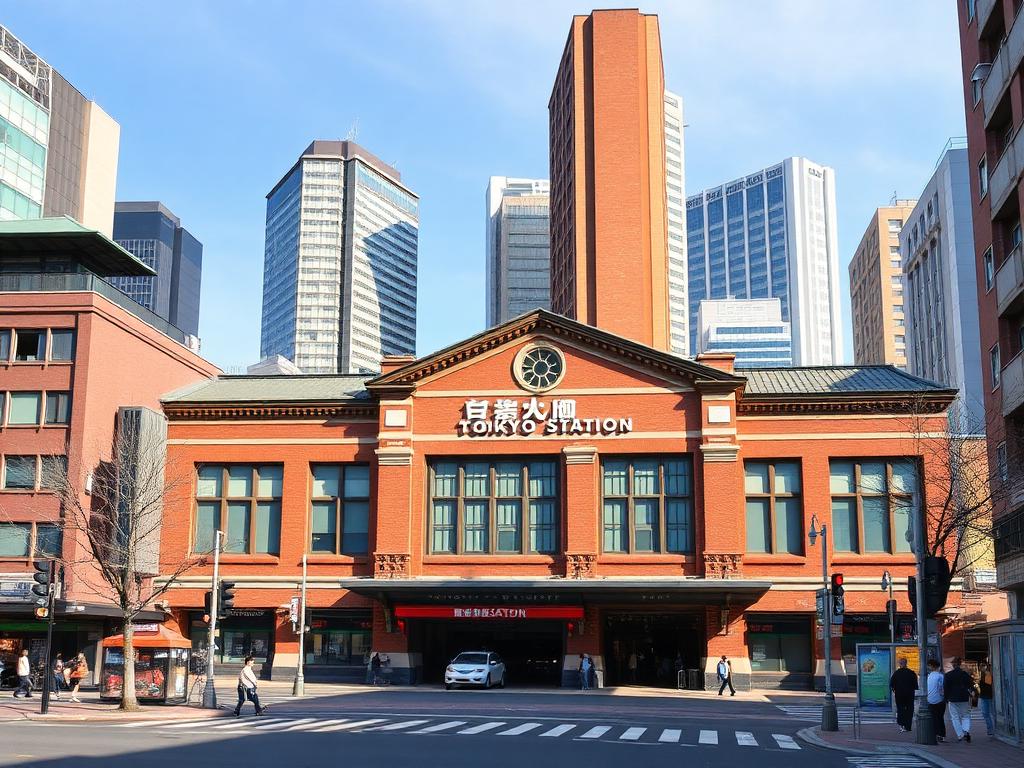
The restored red-brick station and its boulevard of galleries and department stores are one JR stop — or a fifteen-minute walk — south of Kanda.
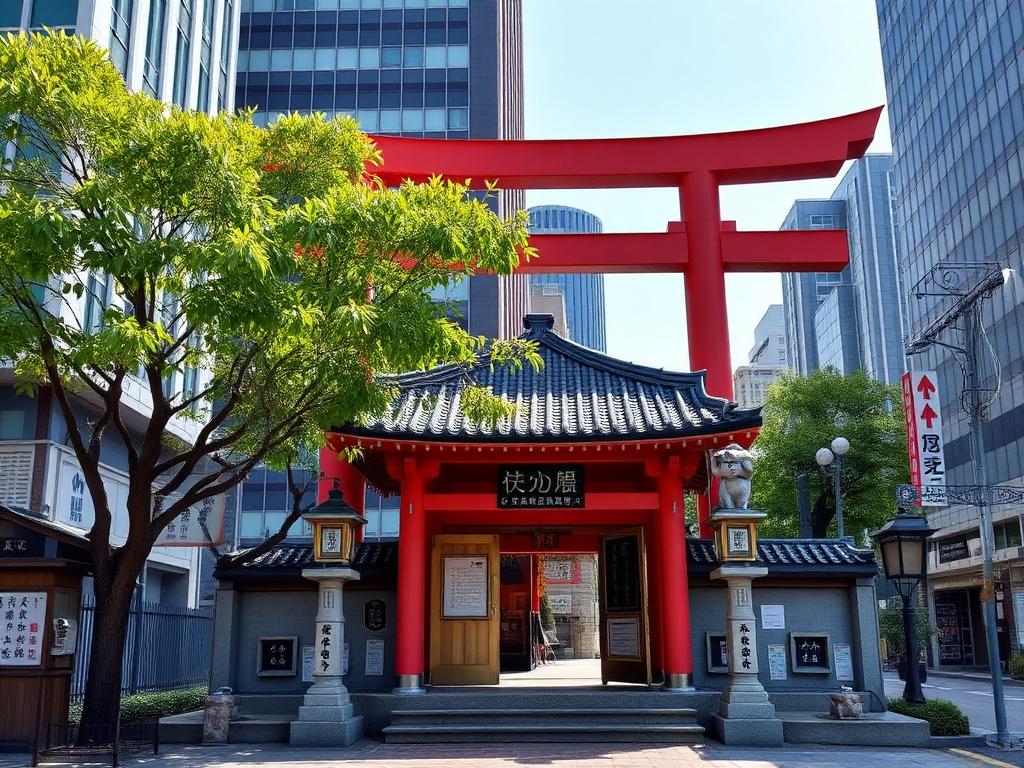
A tiny riverside shrine famous for its tanuki statues and business-luck charms, wedged between office towers on the way to Akihabara.
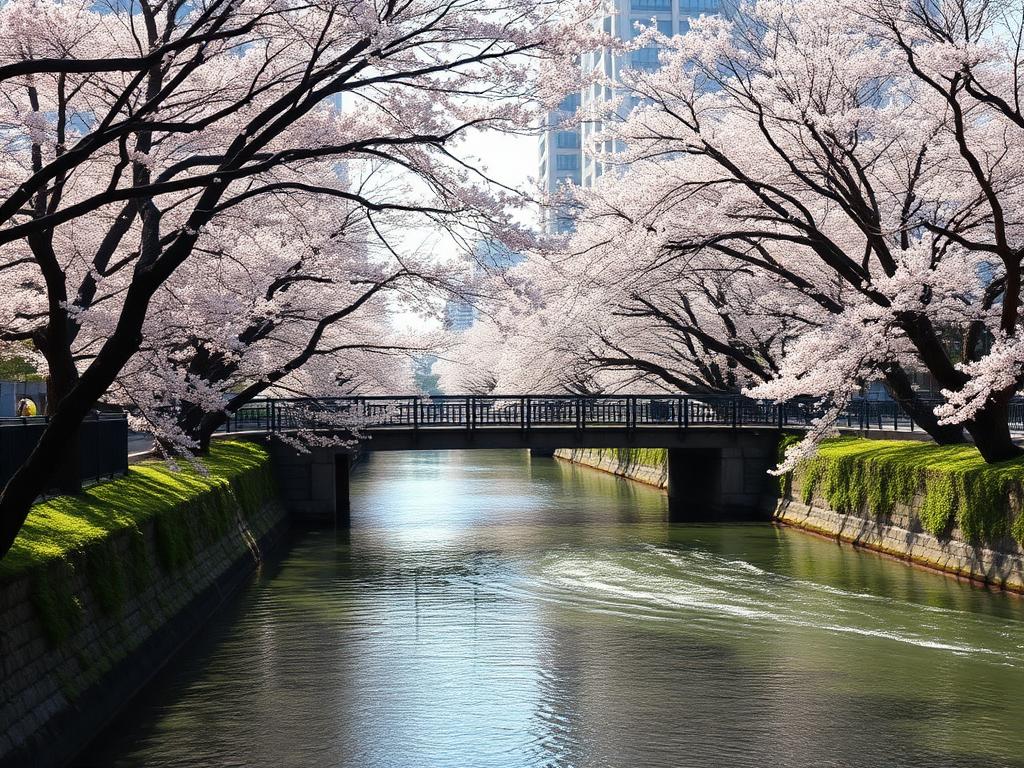
A steep-sided canal crossed by railway bridges, with cherry trees, student cafés, Nikolai Cathedral and Yushima Seidō just above it.
Kanda Station is on the Yamanote loop, the Chūō Rapid and the Keihin-Tōhoku line, with the Ginza subway line below it and Ōtemachi's six-line interchange a short walk away — many central Tokyo destinations need no more than one train.
| Tokyo Station | JR Yamanote / Keihin-Tōhoku | ~2 min |
| Akihabara | JR Yamanote line | ~2 min |
| Ueno | JR Yamanote line | ~6 min |
| Ginza | Ginza subway line | ~7 min |
| Shinjuku | JR Chūō Rapid direct | ~11 min |
| Shibuya | JR Yamanote line | ~22 min |
| Asakusa | Ginza line direct | ~13 min |
| Haneda Airport | Keikyū via Tokyo / Hamamatsuchō | ~35 min |
| Narita Airport | Narita Express from Tokyo Station | ~60 min |
One stop or a ten-minute walk north: same transport, similar prices, but noisier and built around electronics, anime and gaming culture.
Kanda's quieter cousin east of the river — old-town shops, calmer streets and similar value, with slightly slower access to Shinjuku and Shibuya.
Minutes away by train, with luxury shopping, the shinkansen and far more polished hotels — at a clearly higher nightly rate.
Yes, if value and location matter more than atmosphere. You are one stop from Tokyo Station on the Yamanote line, walking distance from Akihabara and Jimbōchō, and paying noticeably less than in Ginza, Shinjuku or Shibuya. The trade-off is a plain office district with few sights of its own.
It is often one of the better-value central neighbourhoods in Tokyo. Business hotels here typically run around ¥10,000–¥22,000 a night, often below comparable rooms in Ginza or Shinjuku, and local restaurants are priced for office workers rather than visitors.
It works well for practical first-timers who plan to travel by train all day, but Asakusa, Shinjuku or Ginza give you more to see the moment you step out of the hotel. Kanda suits second visits, longer stays and budget trips best.
Old-school casual restaurants: soba and tonkatsu institutions, European-style curry houses around Jimbōchō, and dozens of yakitori and standing bars under the railway arches. Many close on Sundays, so plan weekend dinners elsewhere.
Take the JR Yamanote one stop to Tokyo Station for the Narita Express (about 60 minutes to Narita) or ride to Ueno for the Keisei Skyliner. For Haneda, go via Tokyo Station and the Keikyū line, or via Hamamatsuchō for the monorail — roughly 35 minutes either way.
Very. It's a business district that empties out after the last commuters leave, so the streets are calm and well lit, with the noise confined to a few izakaya lanes near the station.
Keep exploring
More from the TokyoStayMap editorial series — pick the comparison that matches your trip.
Ningyōchō, Ueno, Asakusa, Ikebukuro and Kanda — One of Tokyo's best value neighbourhoods for budget travellers.
Read guideFamily-friendly Tokyo areas with parks, apartment hotels, safety and easy transport for kids.
Read guideNingyōchō, Ueno, Kanda, Ginza and Minato — compared for safety, solo dining, hotel types and transport.
Read guide