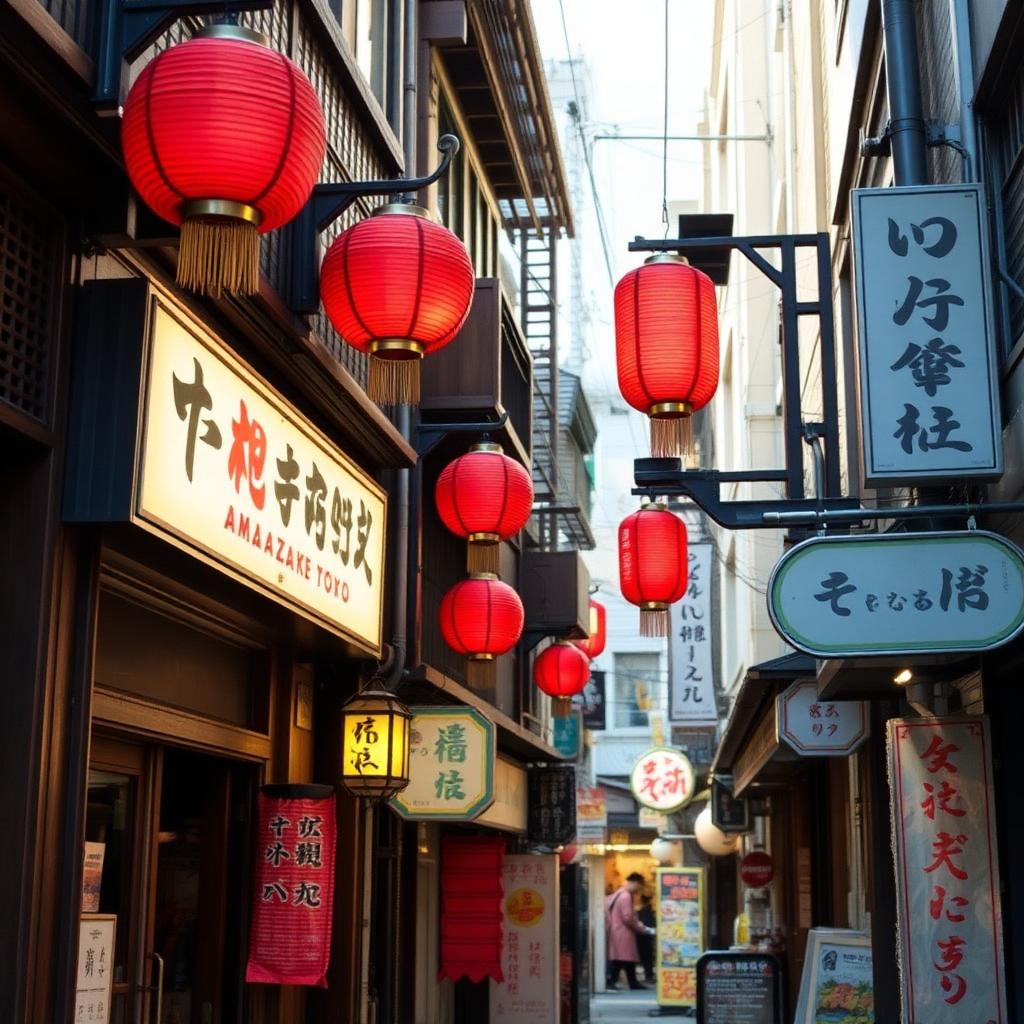
Amazake Yokochō甘酒横丁
Historic shopping street lined with traditional food and sweet shops.
Tokyo neighborhood
Looking for a quieter side of Tokyo? Ningyōchō combines traditional streets, strong transport and good-value central hotels, all within walking distance of Nihonbashi and about a 15–20 minute walk or a short metro ride from Tokyo Station.
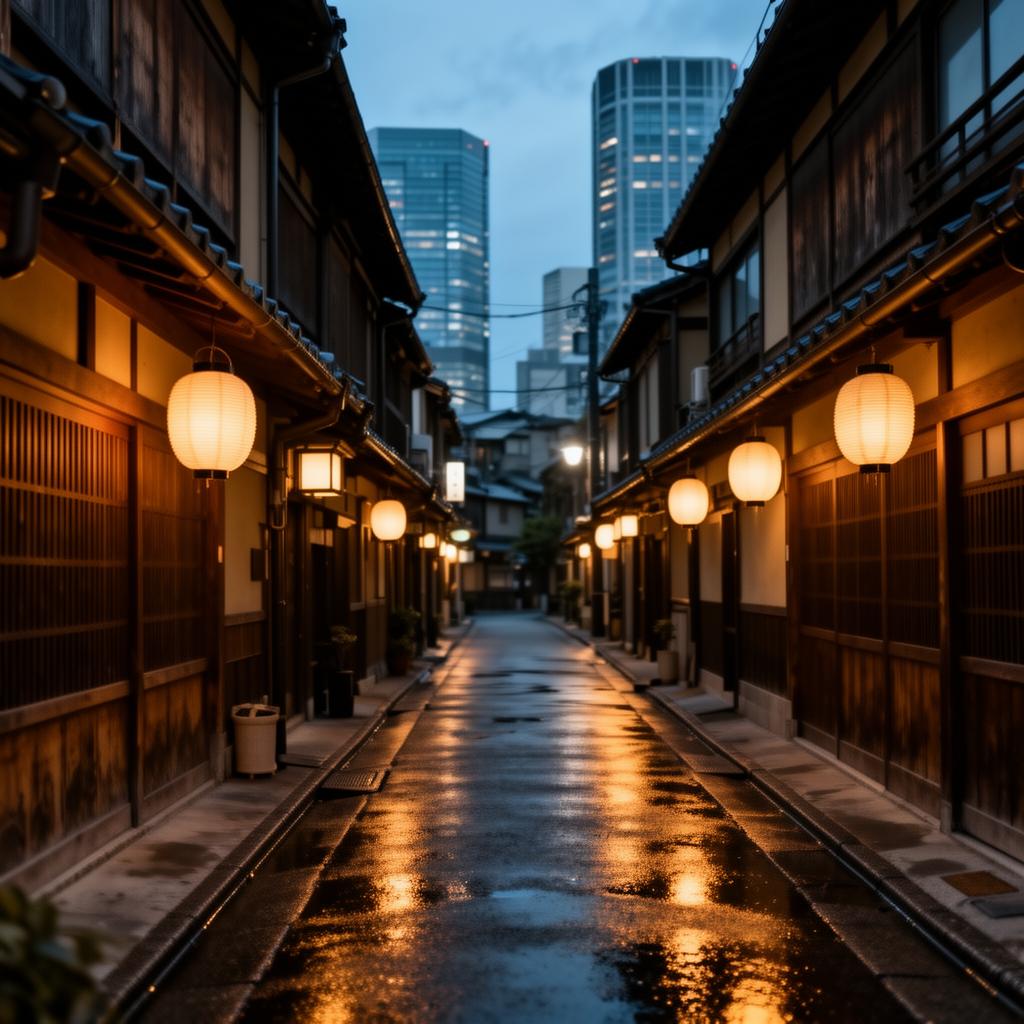
Experience old Tokyo without the crowds. Ningyōchō is filled with traditional shops, lantern-lit streets and local restaurants rather than tourist attractions.
Stay in a good-value central neighbourhood, with hotels that often cost less than nearby luxury districts.
Reach Ginza, Asakusa, Ueno and Tokyo Station easily thanks to strong metro connections and a highly walkable location.
Walk to Nihonbashi, Coredo Muromachi and Tokyo Station while exploring a historic merchant district.
Discover century-old tempura restaurants, tiny sushi counters and famous ningyoyaki bakeries that locals still visit every day.
If you prefer quiet evenings over neon lights, Ningyōchō is one of the calmer places to stay in central Tokyo.
Best for
Couples, quieter stays, food lovers, repeat visitors and travellers looking for traditional Tokyo
Budget
$–$$$ · mostly mid-range business & boutique; strong price-to-location ratio
Atmosphere
Calm, old-Tokyo merchant district — very quiet after 9pm and residential-feeling
Airport access
Direct to Haneda via the Toei Asakusa Line · Limousine Bus (T-CAT) or rail to Narita
Transport
Hibiya Line · Toei Asakusa Line · nearby Suitengūmae Station (Hanzomon Line)
Signature
Amazake Yokochō, Suitengū Shrine, ningyoyaki sweets, Nihonbashi, Coredo Muromachi
A curated selection of hotels in and around Ningyōchō and Nihonbashi — mostly modern mid-range and boutique business hotels that trade Ginza-level polish for lower prices and quieter streets.
Historic shopping street lined with traditional food and sweet shops.
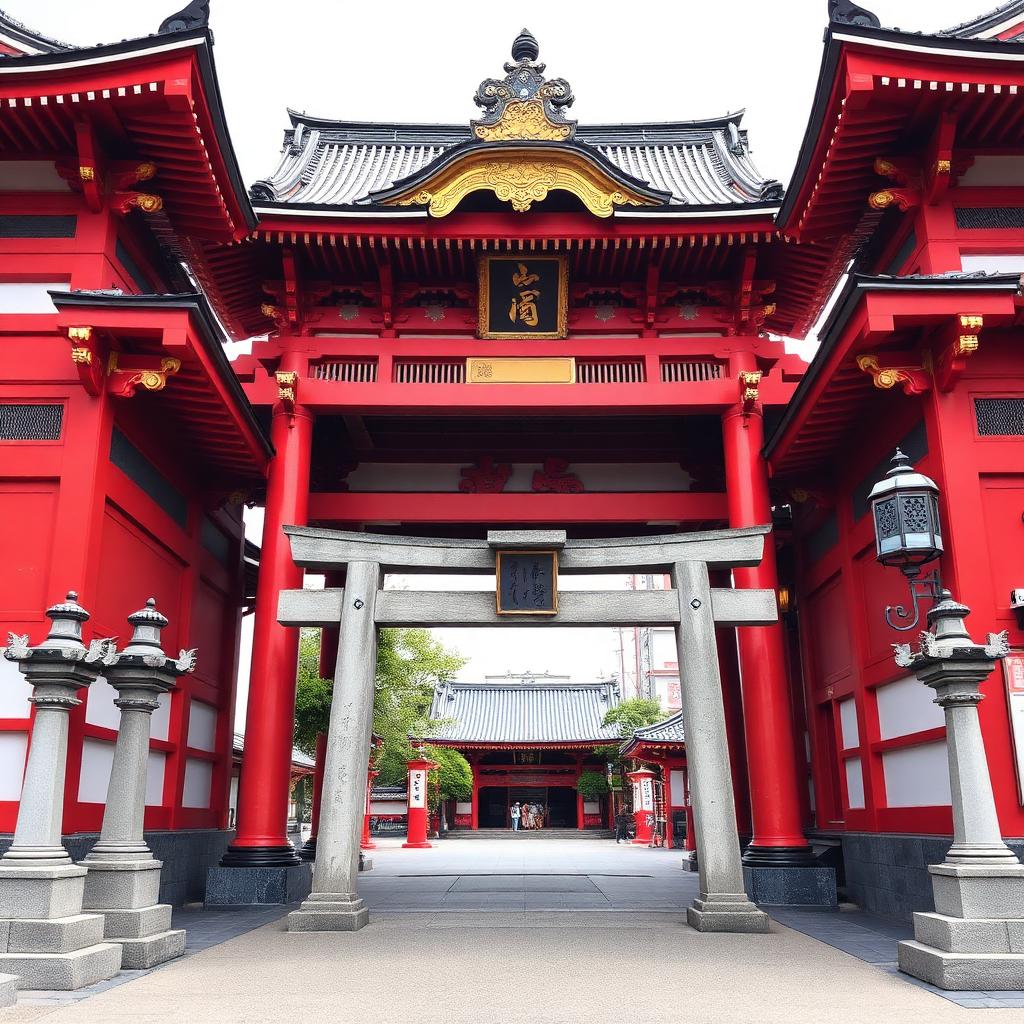
Famous shrine dedicated to safe childbirth and family blessings.
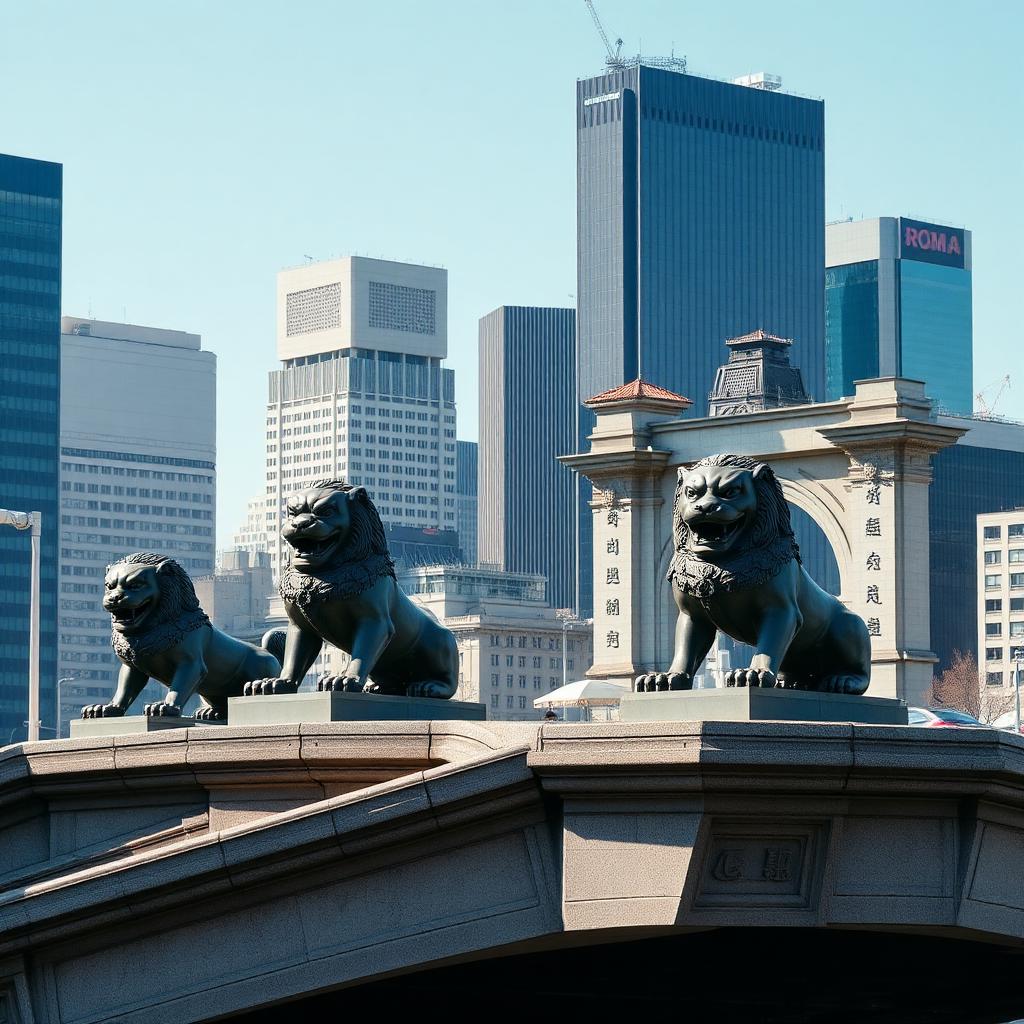
Japan's historic 'Kilometer Zero' bridge, just a short walk away.
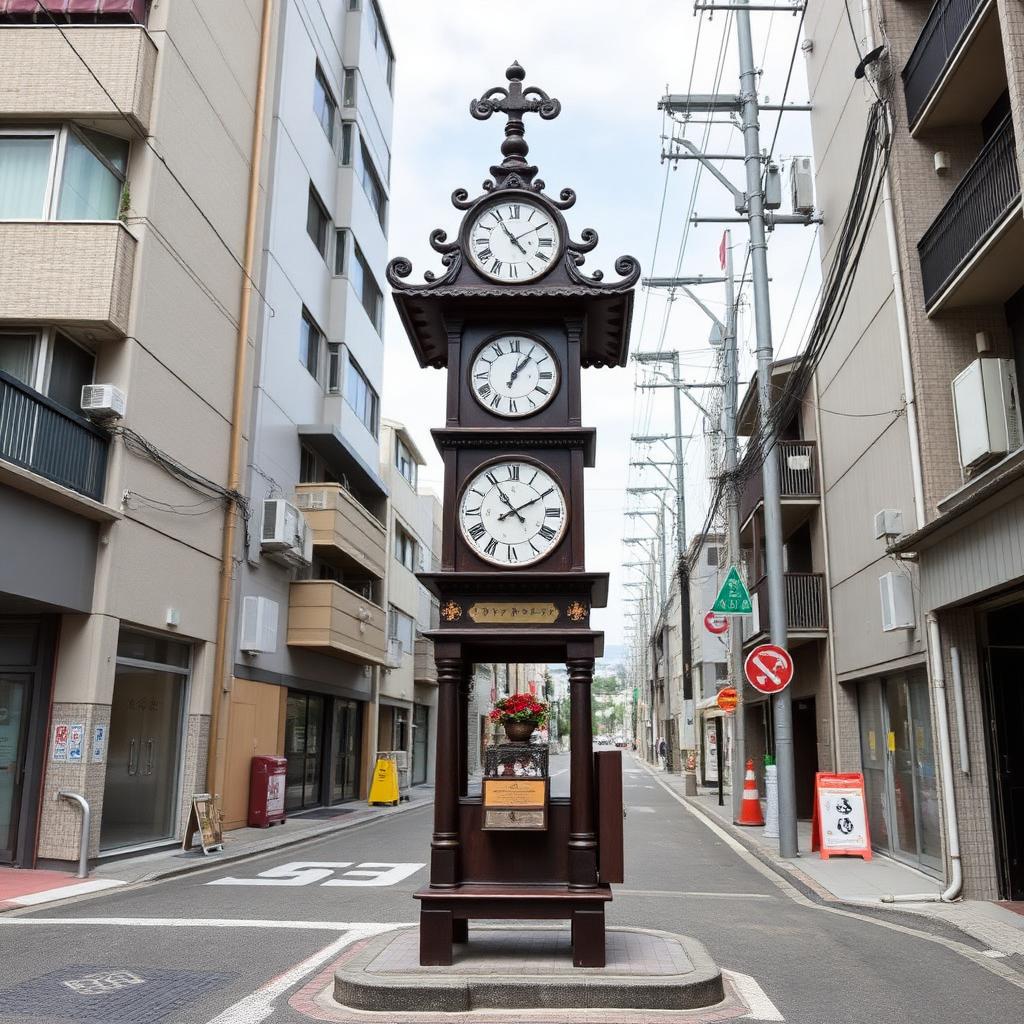
Mechanical clock towers with hourly Edo-style puppet performances.
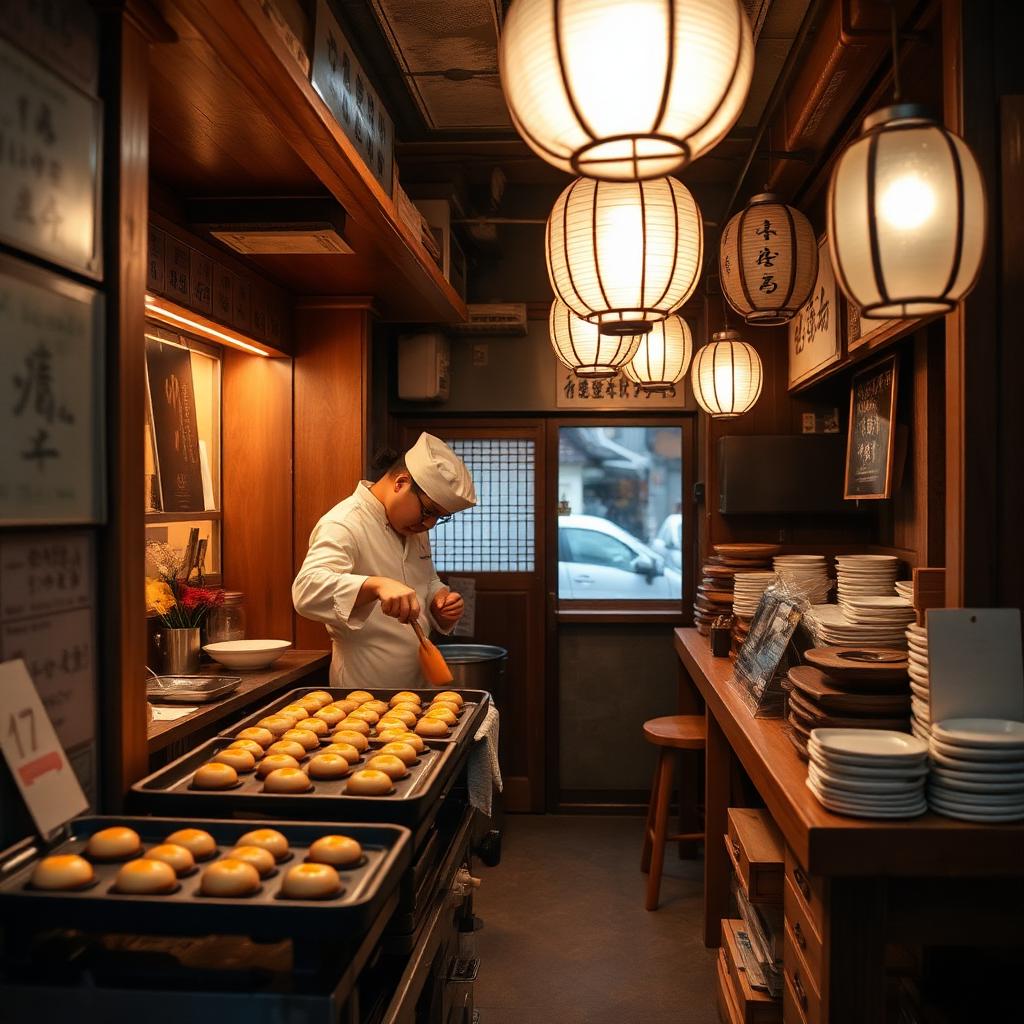
Fresh sponge cakes filled with sweet red bean paste, a local specialty.
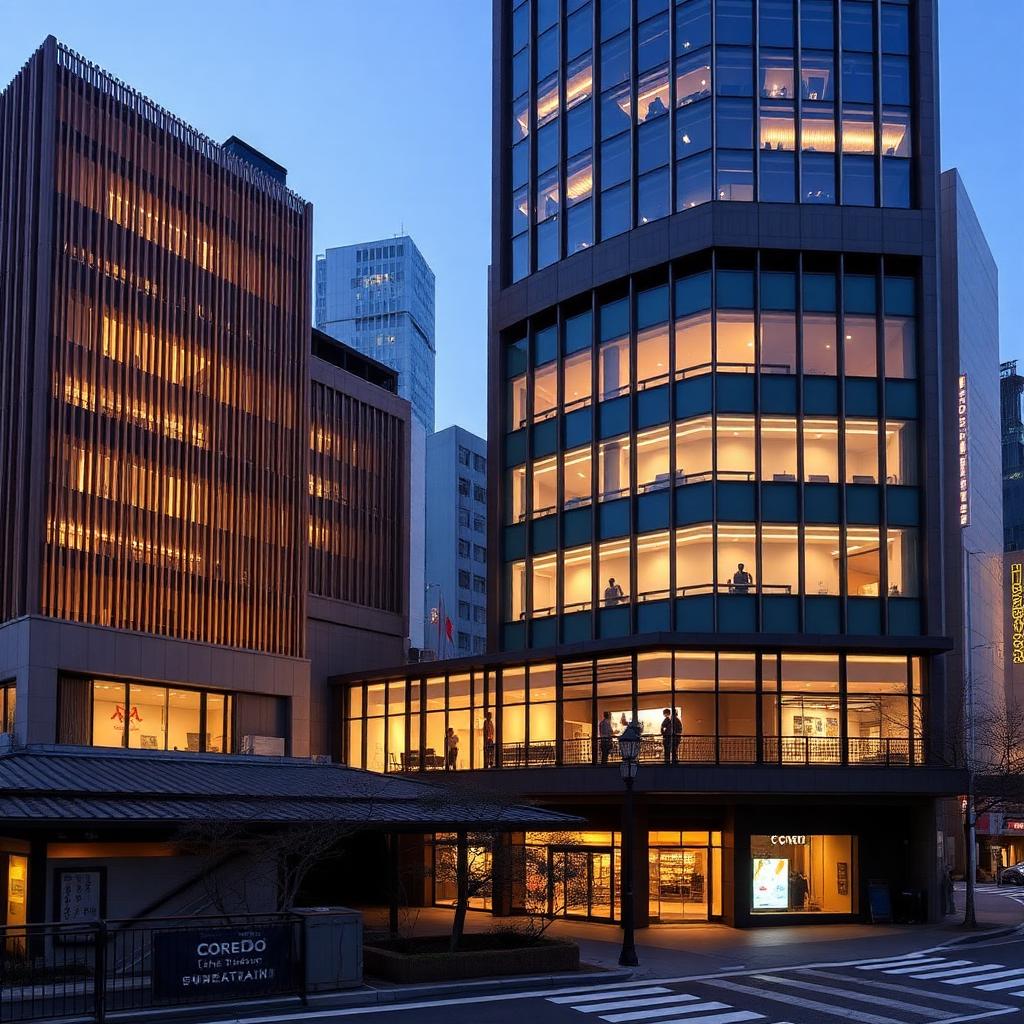
Modern shopping and dining complex celebrating Japanese food and design.
Ningyōchō is served by the Hibiya and Toei Asakusa lines, with nearby Suitengūmae Station on the Hanzomon Line. Tokyo Station is about a 15–20 minute walk or a short metro ride away, while Haneda Airport is reachable directly via the Toei Asakusa Line.
| Tokyo Station | Walk or Hibiya Line | ~15–20 min |
| Haneda Airport | Toei Asakusa Line direct | ~40 min |
| Narita Airport | T-CAT Limousine Bus or rail | ~55–70 min |
| Ginza | Hibiya Line direct | ~8 min |
| Asakusa | Toei Asakusa Line direct | ~10 min |
| Shinjuku | One transfer | ~20–25 min |
The polished, luxury version of the same central district — better 5-star hotels and Shinkansen access, but noticeably more expensive.
The livelier old-Tokyo neighborhood 10 minutes away on the Toei Asakusa Line — more headline sights but more tourists.
Bigger transport hub to the north with the Keisei Skyliner to Narita, major museums and Ueno Park — livelier and more first-timer friendly.
Yes — especially for repeat visitors, couples and travellers who want a central location without Ginza or Shinjuku prices. You get authentic old-Tokyo streets, direct metro to Ginza and Asakusa, about a 15–20 minute walk or a short metro ride to Tokyo Station, and hotels that are noticeably cheaper than the surrounding luxury districts. It's less ideal if you want nightlife or headline sights right outside your door.
Ginza and Tokyo Station give you flagship luxury hotels, Michelin dining and every Shinkansen line. Ningyōchō is about a 15–20 minute walk away but feels completely different — quieter, more local, and 20–40% cheaper for a similar central location. Pick Ginza for luxury and Shinkansen day-trips, Ningyōchō for value and atmosphere.
Yes, if you prefer a quieter, more local atmosphere without giving up convenience. Ningyōchō offers strong transport links, easy airport access and good hotel value. If you want nightlife or major attractions right outside your hotel, Shinjuku or Asakusa may suit you better.
From Haneda, take the direct Toei Asakusa Line service. For Narita, you can either use rail services or the Airport Limousine Bus from nearby T-CAT (Tokyo City Air Terminal), depending on your schedule and luggage.
Usually not. Most hotels are modern mid-range business or boutique properties in the ¥14,000–¥30,000 range, often cheaper than Ginza, Marunouchi or Shinjuku for a similarly central location.
Yes — very quiet by central Tokyo standards. Most shops close by 7–8pm and restaurants by 10–11pm, so the streets become calm. That makes it good for sleep, families and couples, but you'll want to go to Ginza, Roppongi or Shinjuku for late-night bars and clubs.
They're adjacent and often grouped together. Nihonbashi is the historic financial/merchant district around the Nihonbashi bridge; Ningyōchō is the smaller, older-feeling neighborhood just to its east. Hotels marketed as 'Nihonbashi' are usually a comfortable walk from Ningyōchō and vice versa.
It works well for calm, older-kid family trips — safe streets, easy metro, walkable to Tokyo Station and lots of casual family restaurants. For younger kids who want theme parks and big sights every day, Ueno or Shinjuku are usually a better base.
Keep exploring
Editorial guides where Ningyōchō and Nihonbashi are recommended — pick the angle that matches your trip.
Ningyōchō, Ueno, Asakusa, Ikebukuro and Kanda — One of Tokyo's best value neighbourhoods for budget travellers.
Read guideThe main hub guide — compare Shinjuku, Ueno, Shibuya, Ginza, Minato and Ningyōchō for a first Tokyo trip.
Read guideNingyōchō, Ueno, Kanda, Ginza and Minato — compared for safety, solo dining, hotel types and transport.
Read guide