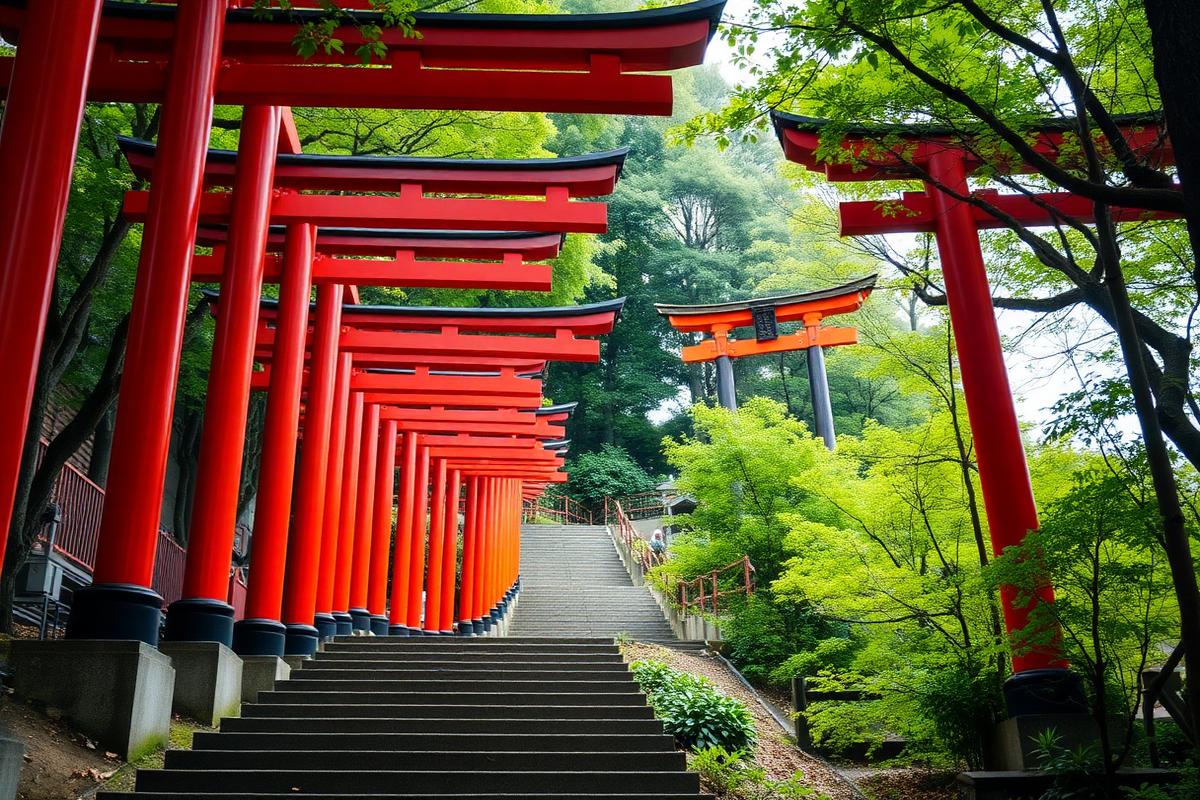
Hie Shrine日枝神社
Akasaka's landmark shrine on a wooded hill, reached through a tunnel of vermillion torii gates. Free, open early, and five minutes from Tameike-sannō station.
Tokyo neighborhood
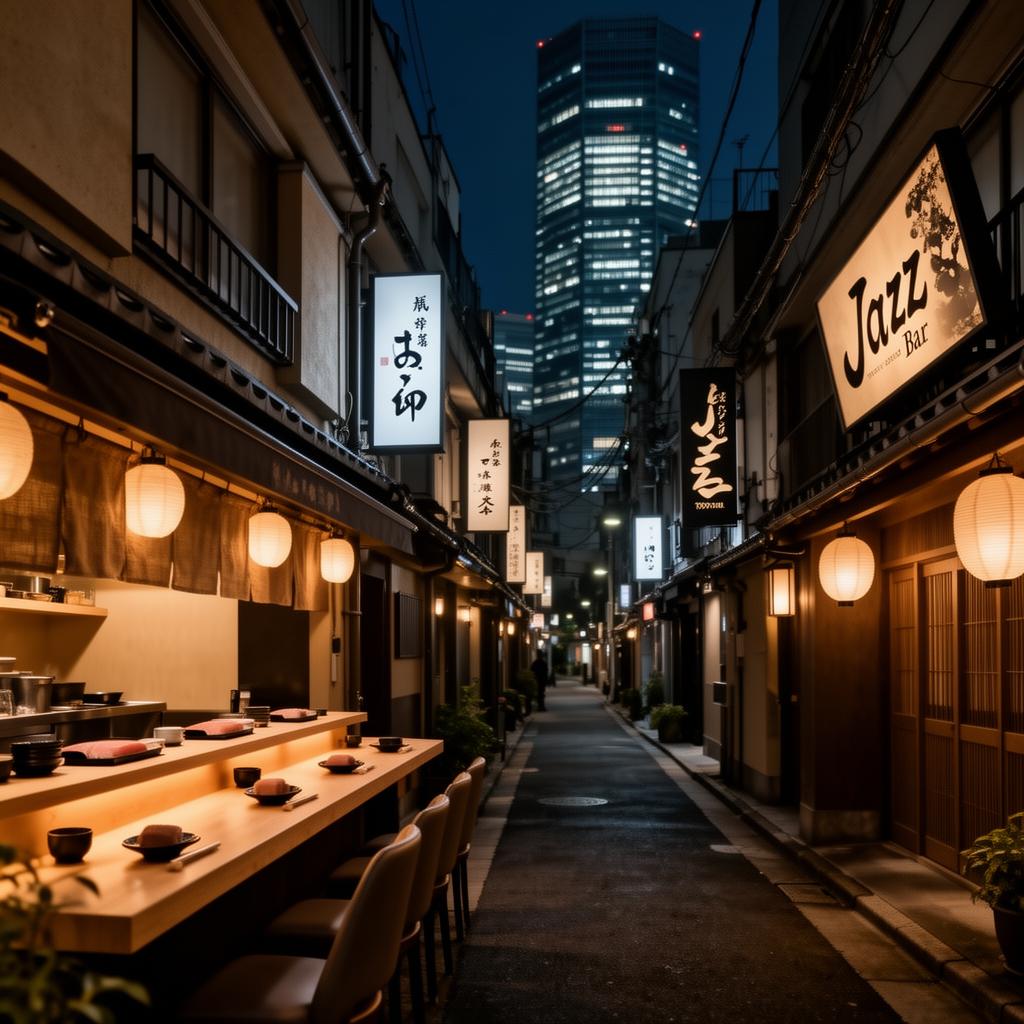
Akasaka is central Tokyo's grown-up quarter: government offices and embassies by day, discreet sushi counters, jazz bars and izakaya alleys by night. It sits between Roppongi and the Imperial Palace, with several subway lines nearby, and trades neon crossings for refined dining and streets that are usually quiet after midnight.
Four subway lines across Akasaka, Akasaka-mitsuke and Tameike-sannō stations — Ginza in 8 minutes, Shinjuku in 11, Roppongi in 4.
One of Tokyo's strongest dining districts for its size: intimate sushi and kaiseki counters, Korean barbecue on Ichigai-dōri, and expense-account restaurants that still take walk-ins at lunch.
Calm, adult nightlife — jazz lounges, hotel bars and small izakaya rather than clubs and crowds. You can walk to Roppongi when you want the louder version.
Serious hotel quality: long-standing luxury names around Akasaka-mitsuke plus international business towers, with better weekend rates than Ginza.
Green and walkable — Hie Shrine's torii tunnel, the Imperial Palace moat, Hikawa Shrine's back streets and Tokyo Midtown's lawns are all on foot.
Business-district rhythm means rates often soften on Friday and Saturday nights, when the corporate demand disappears.
Best for
Repeat visitors, foodies, couples and business travellers who want a central base without crowds
Budget
$$–$$$$ · mostly upscale and business hotels, few real budget beds
Atmosphere
Polished and low-key: suits and embassies by day, lantern-lit dining alleys in the evening, quiet by midnight
Airport access
Haneda: ~35 min via Asakusa line from Shimbashi or Airport Limousine · Narita: ~75 min via Limousine bus or Skyliner from Nippori
Transport
Chiyoda · Marunouchi · Ginza · Namboku · Hanzōmon subway lines
Signature
Hie Shrine, Tokyo Midtown, Akasaka Sacas, State Guest House, Ichigai-dōri dining
Akasaka's hotel stock leans upscale: established luxury names around Akasaka-mitsuke, polished international business hotels near the subway, and a handful of smart mid-range rooms in the back streets.
Akasaka's landmark shrine on a wooded hill, reached through a tunnel of vermillion torii gates. Free, open early, and five minutes from Tameike-sannō station.
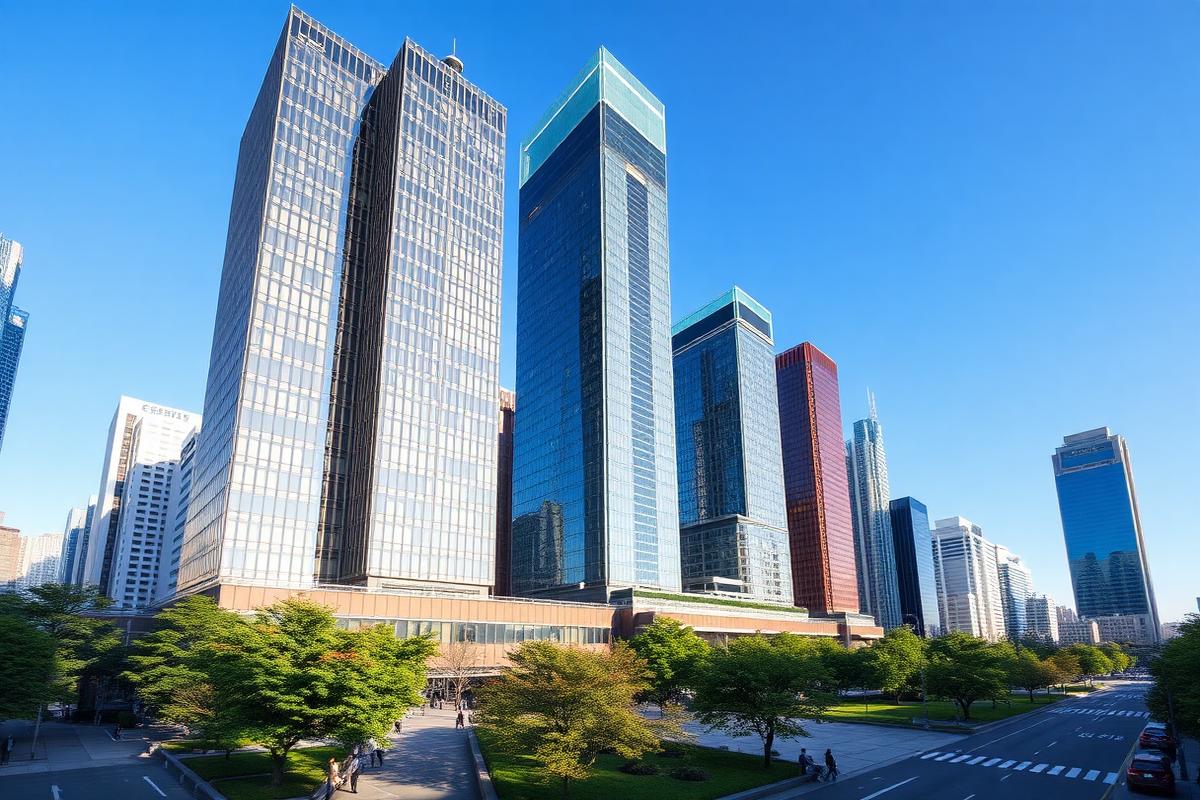
Design shops, the Suntory Museum of Art, upscale food halls and a big lawn behind the towers — the polished edge where Akasaka meets Roppongi.
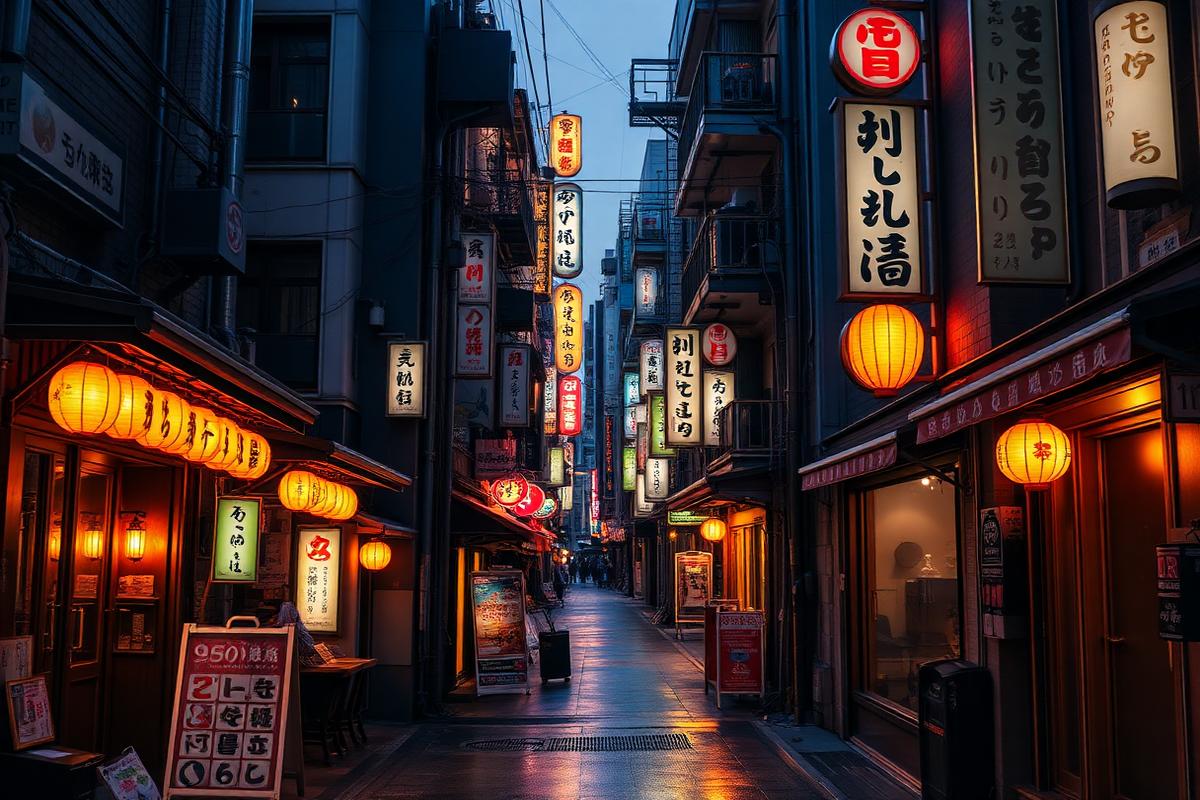
The heart of eating in Akasaka: sushi counters, yakitori, Korean barbecue and jazz bars packed into a few lantern-lit blocks behind the main avenue.
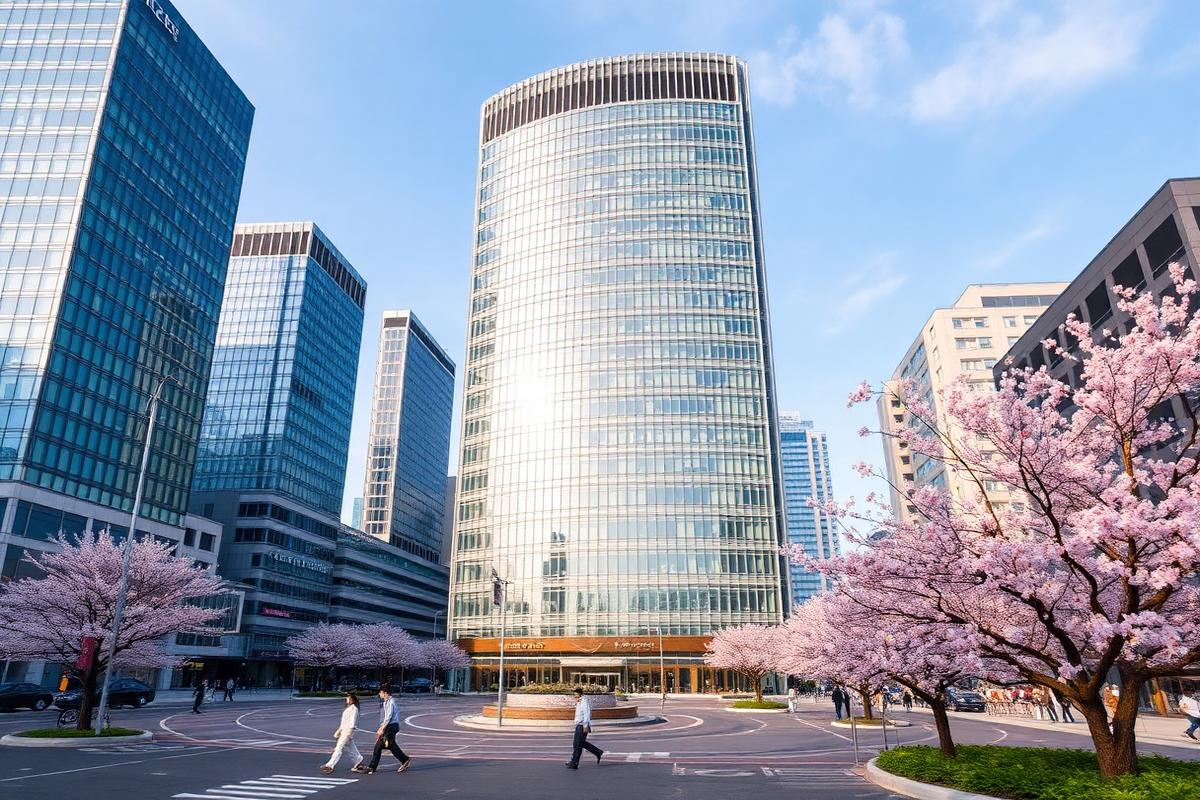
The TBS broadcasting complex with a plaza, theatre and cherry trees that draw crowds each spring — Akasaka's main open-air gathering point.
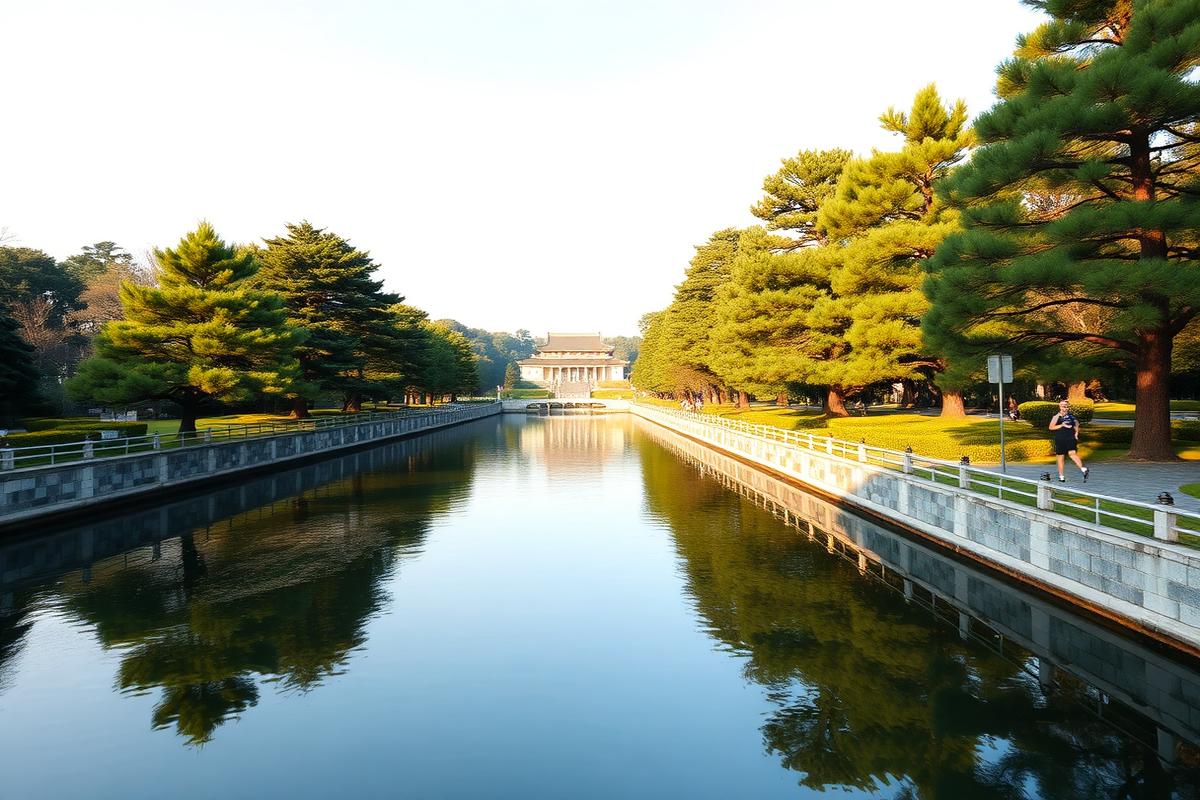
A fifteen-minute walk north puts you on the five-kilometre running loop around the Palace moat, with the East Gardens open free most days.
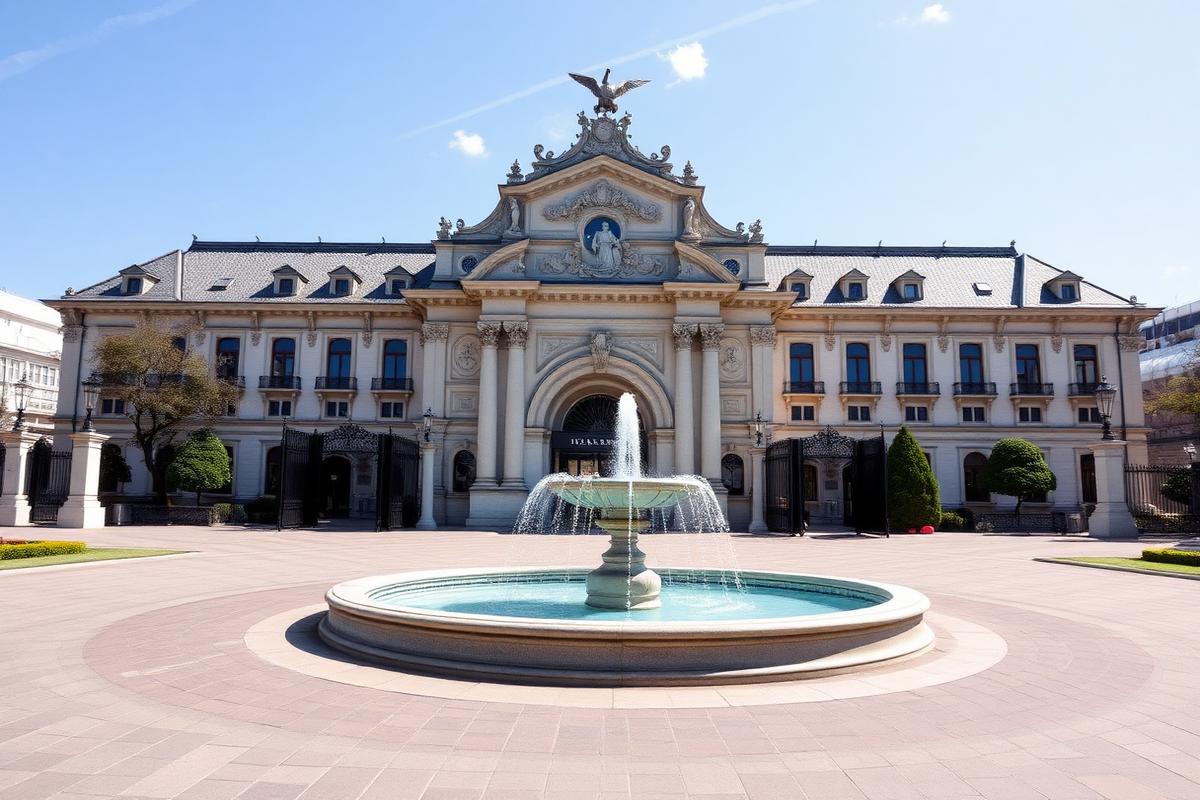
Japan's neo-baroque state guest house, open to visitors on most days when no foreign dignitaries are in residence. A rare piece of Meiji-era grandeur.
Akasaka is subway territory rather than JR, but the coverage is strong: the Chiyoda, Ginza, Marunouchi, Namboku and Hanzōmon lines all serve the three stations around the district, putting many central areas within about 15 minutes.
| Roppongi | Namboku / on foot | ~4 min |
| Ginza | Ginza line from Akasaka-mitsuke | ~8 min |
| Tokyo Station | Marunouchi line from Akasaka-mitsuke | ~9 min |
| Shibuya | Ginza line | ~10 min |
| Shinjuku | Marunouchi line | ~11 min |
| Asakusa | Ginza line direct | ~25 min |
| Haneda Airport | Asakusa line via Shimbashi / Limousine bus | ~35 min |
| Narita Airport | Limousine bus or Skyliner from Nippori | ~75 min |
A ten-minute walk south for museums, big hotels and Tokyo's loudest international nightlife. Choose Roppongi for late nights, Akasaka for quiet ones.
The wider Minato ward around Tokyo Tower and the waterfront: more luxury towers, direct Monorail to Haneda, less of Akasaka's alley dining.
Eight minutes east on the Ginza line. Better for shopping and shinkansen access, busier and more expensive; Akasaka wins on evening calm.
Yes, particularly for repeat visitors, couples and food-focused travellers. It's central, served by several subway lines, and has a strong small dining scene while staying relatively quiet at night.
It works, but it isn't the obvious first choice. There are few headline sights inside the district and no JR Yamanote station. First-timers who want landmarks on the doorstep often prefer Shinjuku, Ginza or Asakusa; those who value calm evenings and great restaurants do very well in Akasaka.
It's mid-to-upper priced — usually ¥20,000–¥60,000 a night. Cheaper than Ginza or the top of Roppongi, clearly above Ueno, Asakusa or Akihabara. Weekend rates often drop because the business demand disappears.
Yes, Akasaka is generally calm for a central district, with embassies and government buildings nearby and a low-key bar scene. The usual Tokyo advice applies: be cautious with touts steering you toward upstairs bars with unclear pricing.
Roppongi if you want museums, big-brand hotels and late nightlife within stumbling distance. Akasaka if you want the same central location with better everyday restaurants, quieter streets and a more Japanese, less expat atmosphere. They're a ten-minute walk apart, so you can use both.
Haneda is roughly 35 minutes via Shimbashi and the Asakusa line, or by Airport Limousine bus from the larger hotels. Narita takes about 75 minutes by Limousine bus, or via the Keisei Skyliner from Nippori.
Keep exploring
Editorial guides where Akasaka and the surrounding Minato areas appear — pick the angle that matches your trip.