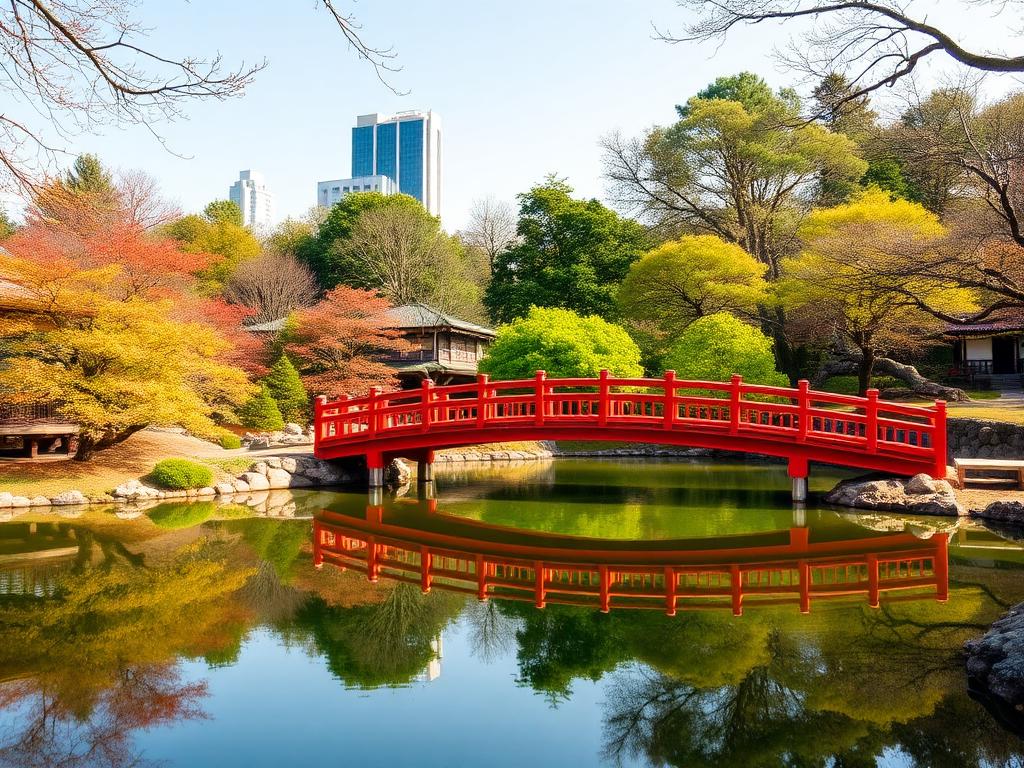
Koishikawa Kōrakuen小石川後楽園
One of the oldest and best-preserved Edo gardens in Tokyo: ponds, an arched Full Moon Bridge and maples, with the Tokyo Dome skyline just above the trees.
Tokyo neighborhood
Bunkyō is one of Tokyo's calmest central wards: Edo-era gardens, university campuses, old shrines and ordinary neighbourhood streets, still within easy reach of Tokyo Station, Ueno and Shinjuku. Stay here if you want quiet nights and a local feel more than nightlife or big-city spectacle.
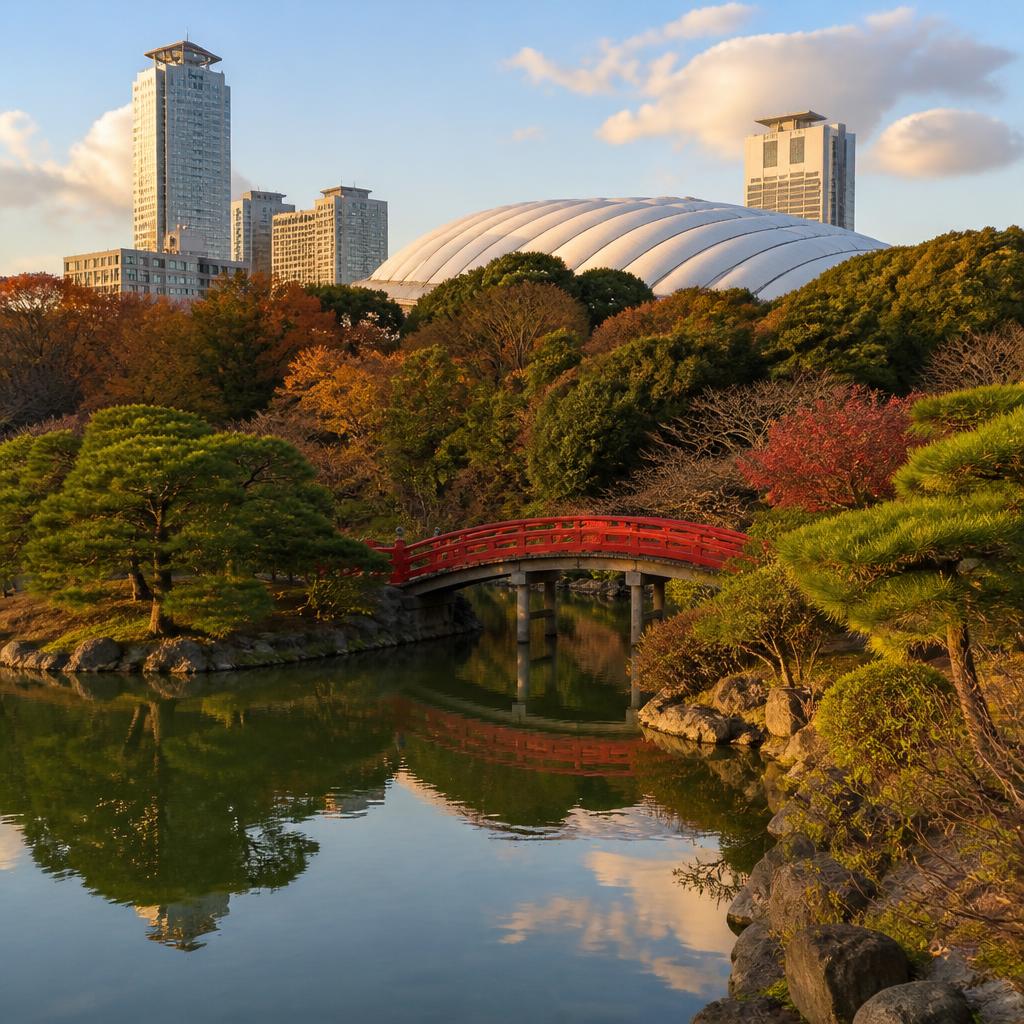
One of the quieter places to sleep in central Tokyo — residential streets, little nightlife noise and fewer tourist crowds than the big hubs.
Two of Tokyo's finest Edo gardens, Koishikawa Kōrakuen and Rikugien, plus Nezu Shrine and Yushima Tenjin within the ward.
Rates are often lower than in Ginza, Shibuya or Roppongi while still keeping you close to central Tokyo.
Families do well here: parks, playgrounds, Tokyo Dome City rides, supermarkets and calm streets for pushchairs.
Marunouchi, Nanboku, Mita, Chiyoda and Ōedo subway lines cross the ward, with Ueno 8 minutes away and Tokyo Station about 12.
Academic Tokyo — the University of Tokyo's Hongō campus, bookshops, old coffee houses and student canteens instead of shopping malls.
Best for
Families, repeat visitors, longer stays and anyone who wants a quiet, local base close to the centre
Budget
$–$$ · business hotels, small ryokan-style inns and apartment stays; almost no luxury
Atmosphere
Residential and academic — gardens, campuses, shrines and neighbourhood shops rather than nightlife
Airport access
Narita: ~70 min via Ueno + Keisei Skyliner · Haneda: ~50 min via Mita or Nanboku line with one transfer
Transport
Marunouchi · Nanboku · Mita · Chiyoda · Ōedo subway lines (no JR loop station)
Signature
Koishikawa Kōrakuen, Rikugien, Tokyo Dome City, Nezu Shrine, University of Tokyo
Expect mid-range business hotels around Tokyo Dome, Kōrakuen and Hongō-Sanchōme, plus small inns and apartment-style stays on the residential streets — quiet, practical and priced well below the big entertainment districts.
One of the oldest and best-preserved Edo gardens in Tokyo: ponds, an arched Full Moon Bridge and maples, with the Tokyo Dome skyline just above the trees.
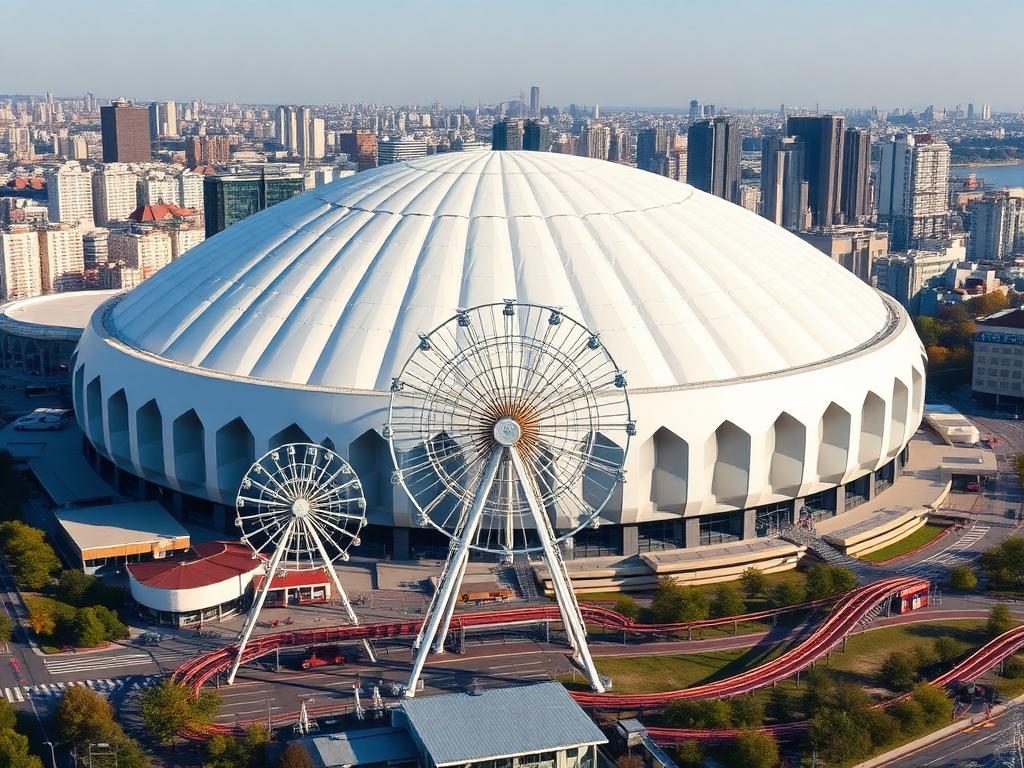
Baseball stadium, concert venue, amusement park with a centreless Ferris wheel and the LaQua hot-spring spa — the ward's one big-entertainment corner.
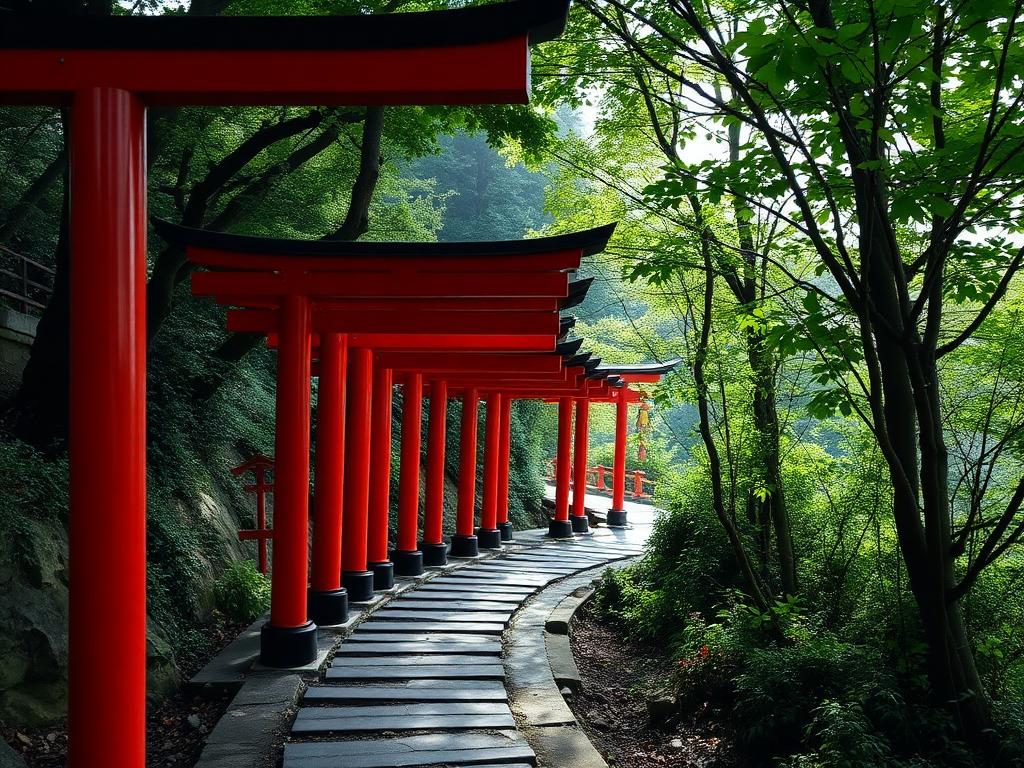
A serene 300-year-old shrine complex with a tunnel of small vermilion torii and an azalea garden that turns pink every April.
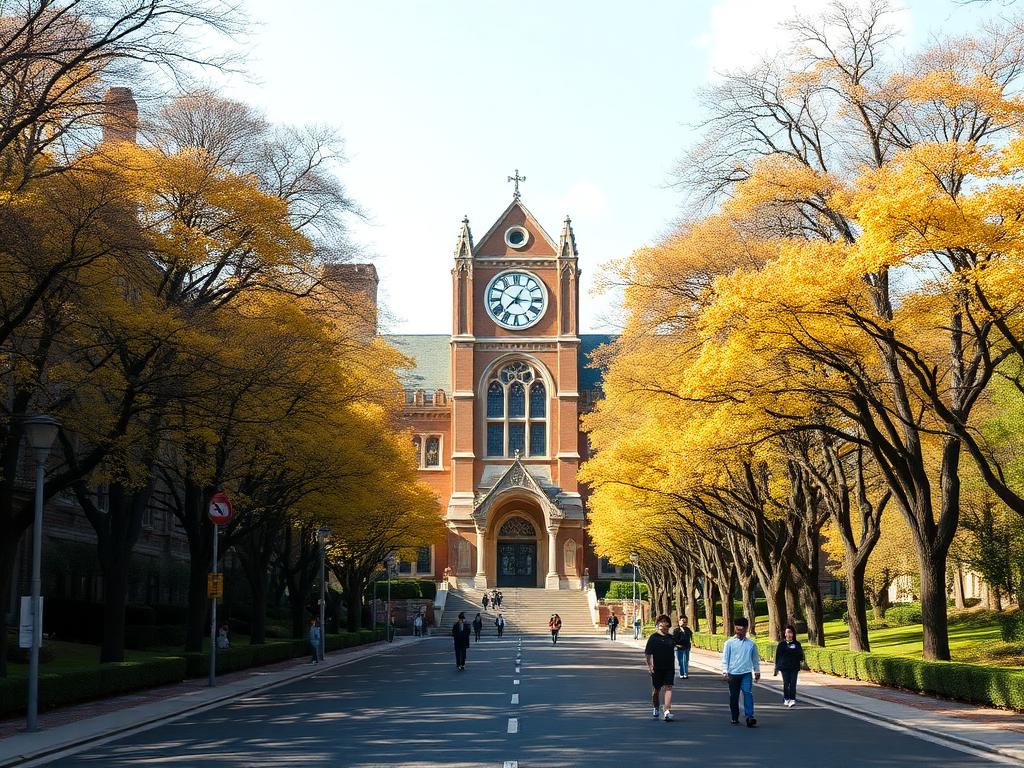
Ginkgo avenues, the gothic Yasuda Auditorium and the red Akamon gate — open to walk through, with cheap student cafeterias inside.
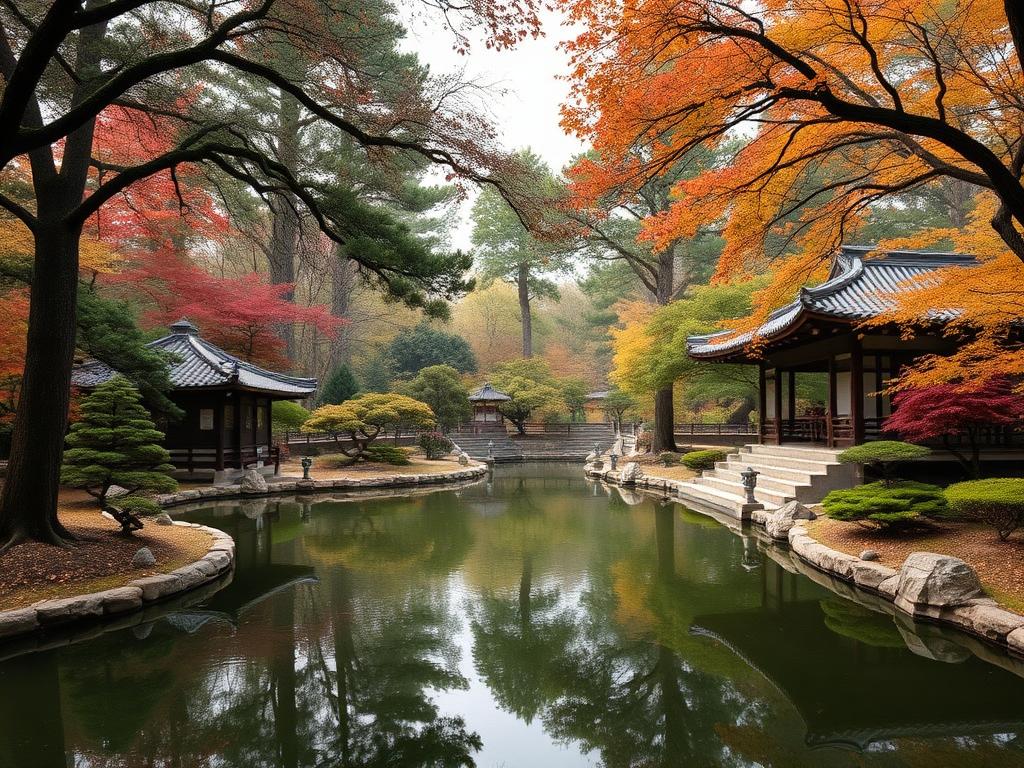
A classic strolling garden built around a central pond, famous for autumn maples and evening illuminations. Ten minutes' walk from Komagome station.
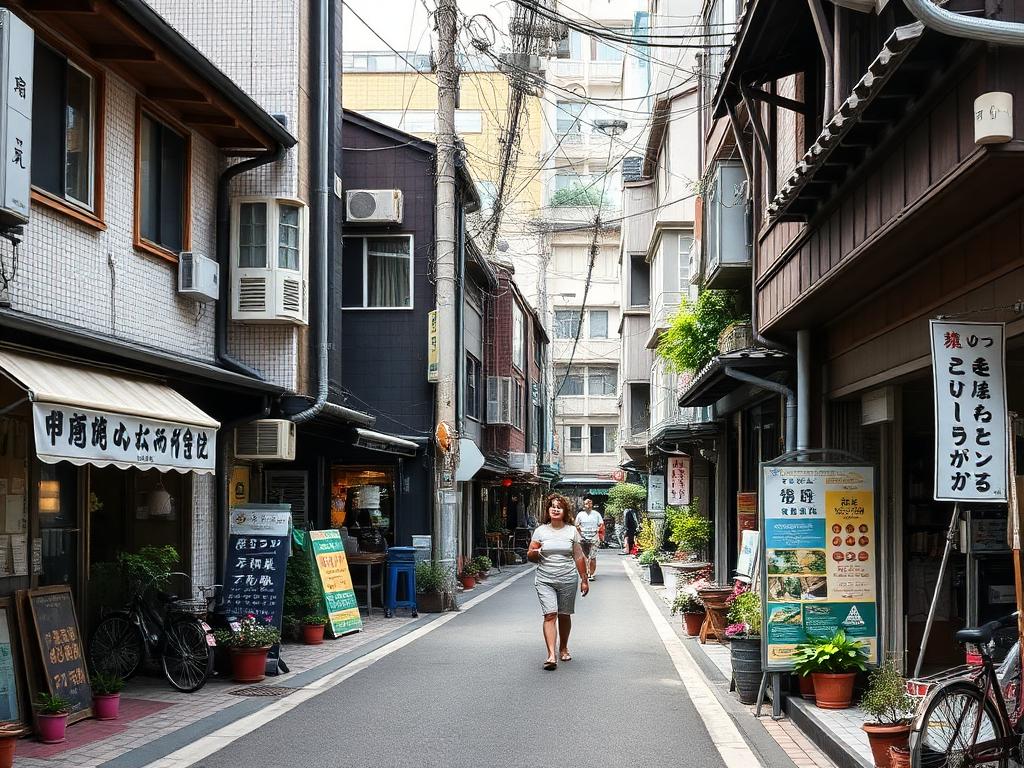
The 'Yanesen' side of Bunkyō — low wooden houses, old sweet shops, small galleries and coffee stands, and an easy walk into Yanaka.
Bunkyō is a subway ward rather than a JR one. Five lines cross it, so most of central Tokyo is 10–20 minutes away, but you will change trains more often than in Ueno or Akihabara — and airport runs usually involve one transfer.
| Ueno | Chiyoda line from Nezu / Yushima | ~8 min |
| Tokyo Station | Marunouchi line | ~12 min |
| Akihabara | Marunouchi to Ochanomizu + JR Sōbu | ~12 min |
| Ginza | Marunouchi line | ~15 min |
| Shinjuku | Marunouchi line | ~16 min |
| Shibuya | Nanboku to Meguro + JR / Ginza line | ~25 min |
| Haneda Airport | Mita line to Sengakuji + Keikyū | ~50 min |
| Narita Airport | Chiyoda to Ueno + Keisei Skyliner | ~70 min |
Eight minutes east: museums, a big park and the Skyliner to Narita. Similar prices, far more sightseeing and JR access, but noticeably busier.
The loud counterpart — Yamanote-line access and Electric Town shopping. Better transport, much less calm and greenery than Bunkyō.
A short hop north-west for department stores, big-station convenience and cheap rooms. Choose Ikebukuro for shopping, Bunkyō for quiet.
Yes, if quiet matters to you. Bunkyō is one of the calmer central wards, with gardens, universities and residential streets. Ueno, Tokyo Station and Shinjuku are still reachable by subway, though it is less straightforward than staying on the Yamanote line.
It can be, though most first-timers prefer Ueno, Asakusa or Shinjuku for the concentration of sights and JR access. Bunkyō suits first-timers travelling with children or anyone who values a quiet room over being in the middle of the action.
Usually not. Typical rates are around ¥12,000–¥28,000 a night, often similar to Ueno and below Ginza, Shibuya or Roppongi. There is very little luxury inventory, so most of what you find is solid mid-range.
Very, by central Tokyo standards. It is a residential and academic ward with little nightlife, so streets are quiet after dark. The trade-off is that fewer places stay open late, so plan dinner before around 21:00.
From Narita, take the Keisei Skyliner to Ueno and one short subway hop on the Chiyoda line — roughly 70 minutes. From Haneda, the Keikyū line to Sengakuji plus the Mita line takes about 50 minutes.
Yes. It is a strong central choice for families: Tokyo Dome City rides, big parks and gardens, playgrounds, supermarkets and quiet streets that are easy with a pushchair.
Gardens and education. Koishikawa Kōrakuen and Rikugien are two of Tokyo's finest Edo gardens, and the University of Tokyo's Hongō campus, Nezu Shrine and Yushima Tenjin give the ward its calm, scholarly character.
Kōrakuen and Hongō-Sanchōme give you the most hotels and the best subway access. Nezu and Sendagi are quieter and more atmospheric, and put you within walking distance of Ueno Park and Yanaka.
Keep exploring
Editorial guides where Bunkyō and nearby quieter central areas appear — pick the angle that matches your trip.