Quick overview: four flight scenarios
Narita and Haneda behave completely differently. Narita is 60–90 minutes out with limited early and late services, so extreme flight times push you toward the airport itself. Haneda sits inside the city with direct rail into central Tokyo, so most central neighbourhoods stay workable. Start here, then read the matching section below.
| Flight scenario | Best areas to consider | Why |
|---|---|---|
| Early Narita flight (before 08:00) | Narita airport-area hotels; Ueno only if departure is 09:00 or later | The first Skyliner leaves Ueno at about 05:40 and reaches Narita around 06:24; the first airport bus from Tokyo Station leaves at 05:00 and reaches the terminals around 06:02–06:10. Both are too late to give a comfortable 2–3 hour airport margin for an early international flight. |
| Late Narita arrival (after 22:00) | Ueno, Nippori, Asakusa, Tokyo Station / Ginza; airport hotel after 23:00 | The last Skyliner from Narita to Ueno leaves around 22:00, the last direct Access Express to Asakusa is around 21:50, and the last Narita Express is around 21:44. A late-night airport bus to Tokyo Station continues until around 23:20–23:30, depending on terminal. |
| Early Haneda flight | Minato (Hamamatsuchō), Ginza, Asakusa, Shinagawa | Direct Keikyu and Asakusa Line trains plus the monorail start around 05:00 and reach Haneda in 15–35 minutes. |
| Late Haneda arrival | Almost all central areas: Ginza, Minato, Shinagawa, Shibuya, Shinjuku, Asakusa | Trains run to roughly 00:15 and night buses and affordable taxis cover the rest. |
See also: best areas for first-time visitors, best areas to stay on a budget, shinjuku vs ueno and ueno vs asakusa.
1. Early flights from Narita
Narita is far from central Tokyo, and early morning public transport is limited. Trains do not run through the night, so the whole question is when the first useful service departs and whether it gets you to the terminal roughly two to three hours before departure.
The practical threshold is about 08:30–09:00 for a central Tokyo hotel if you want a reasonable airport buffer. A 06:00 flight is not realistic from central Tokyo by public transport, while an 08:00 departure is possible only with a very tight margin and should generally be treated as an airport-hotel case.
6:00 flight
Staying in central Tokyo is not practical. The first Skyliner reaches Narita around 06:24 and the first Tokyo Station airport bus around 06:02–06:10, so neither gives a sensible margin for a 06:00 departure. Your realistic options are a Narita Airport hotel, a hotel in the Narita town area with a free shuttle, or an overnight bus — with the airport hotel being the simplest option.
8:00–9:00 flight
Some Tokyo neighbourhoods become realistic again, but the margin matters. The first Skyliner reaches Narita around 06:24, the first Access Express from Asakusa around 06:15–06:17, and the first TYO-NRT bus from Tokyo Station around 06:02–06:10. That is reasonable for a 09:00 departure, but tight for 08:00, especially with checked baggage. Ueno, Asakusa and Tokyo Station can work; Ginza is better served by the 05:50 airport bus from Ginza or by going to Tokyo Station.
| Area | First useful departure | Airport arrival | Approx. travel time | Why it works | Main catch |
|---|---|---|---|---|---|
| Ueno / Nippori | Keisei Skyliner ≈05:40 (Ueno), ≈05:45 (Nippori) | ≈06:24 (T1) | 39–44 min | The fastest early rail link to Narita from central Tokyo, with no transfer from Keisei-Ueno or Nippori. | Still too late for a very early flight; allow extra time to reach the station from your hotel, especially with luggage. |
| Asakusa | Keisei Access Express ≈05:20 from Asakusa | ≈06:15–06:17 | ≈55–57 min | Direct through-service with no transfer, and one of the earliest central-Tokyo departures to Narita. | Slower than the Skyliner; commuter stock with limited luggage space. |
| Tokyo Station / Ginza | Narita Express ≈06:18 from Tokyo Station; TYO-NRT bus from ≈05:00 | ≈07:19 by N'EX; ≈06:02–06:10 by bus | ≈61 min by N'EX; ≈62–70 min by bus | The N'EX has reserved seats and luggage space; the TYO-NRT bus is cheaper and starts much earlier from Tokyo Station. Ginza also has a direct airport bus from ≈05:50. | The N'EX is too late for an early flight, while the bus is traffic-dependent. For an 08:00 departure, neither gives a comfortable margin. |
| Shinjuku / Shibuya | First N'EX ≈05:55 (Shinjuku), ≈06:01 (Shibuya); limousine buses vary by hotel | ≈07:58 | ≈1h55–2h | Direct N'EX service with reserved seats; airport limousine buses can be easier with luggage. | The rail journey is long and the earliest useful service is still late; for very early flights, stay closer to the airport. |
Where to stay for an early Narita flight?
For departures before 08:30, a Narita Airport hotel is the safer choice. For around 09:00 and later, Ueno is the strongest central base thanks to the first Skyliner; Asakusa is the transfer-free alternative. Tokyo Station can work from around 09:00 via the early TYO-NRT bus, while Ginza is better from around 09:00 depending on the bus or rail service you use. Use the map to compare hotels in each of these areas.
2. Late arrivals at Narita
Landing at Narita late is mostly a question of one number: what time you clear immigration and baggage. Add roughly 45–60 minutes for immigration and baggage before checking the last train or bus — and leave extra margin if you have checked luggage.
Arrival around 20:00–21:00
Most central Tokyo areas are still realistic. If you land around 20:00–21:00, you will usually reach the transport area around 21:00–22:00, leaving options including the Skyliner, Narita Express, Access Express and airport buses. Choose your neighbourhood on its own merits, but check the last service for your exact destination.
Arrival around 22:00
Check the last train or bus carefully. The last Skyliner to Ueno is around 22:00, the last direct Access Express to Asakusa is around 21:50, and the last Narita Express is around 21:44. A late-night TYO-NRT bus still runs to Tokyo Station until roughly 23:20–23:30, but you will need onward transport from there. Areas served directly by the Keisei lines are the safest bets when you can catch them.
Arrival after 23:00
Staying in Tokyo becomes much less convenient. Rail services finish around this time, but a late-night TYO-NRT bus can still leave Narita around 23:20–23:30 and reach Tokyo Station around 00:30–00:40. After that, a taxi is usually the practical option, while a Narita Airport or airport-area hotel removes the risk entirely.
| Last useful service | Approx. last departure | Destination | Tokyo areas it actually serves |
|---|---|---|---|
| Keisei Skyliner | ≈22:00 | Nippori, Ueno | Ueno, Yanaka, Asakusa (one short transfer), Akihabara and Kanda via the Yamanote Line. |
| Keisei Access Express | ≈21:50 | Asakusa, Nihonbashi, Shinagawa | Asakusa, Ningyōchō and Nihonbashi, Ginza area via Higashi-Ginza, Shinagawa. |
| Narita Express (N'EX) | ≈21:44 | Tokyo Station, Shinjuku | Ginza and Tokyo Station, Shinjuku and Shibuya on the later western legs. |
| Airport Bus TYO-NRT | ≈23:20–23:30 from the airport | Tokyo Station / Ginza | The late-night service continues after the last trains; Terminal 3 departs first, followed by Terminals 2 and 1. It is slower than rail but useful with luggage. Late-night fare is ¥3,000. For Ningyōchō, the Airport Limousine Bus also runs directly from Narita to Tokyo City Air Terminal (T-CAT), about a 7–8 minute walk from Ningyōchō Station; the ride takes about 55 minutes and the current adult fare is ¥3,100. |
Where to stay for a late Narita arrival?
If you can clear the terminal in time for the last trains, Ueno is the most forgiving Narita base because of the direct Skyliner, while Asakusa works well when you catch the direct Access Express. Tokyo Station remains an option via the late-night airport bus even after the trains finish. After about 23:30, the airport hotel becomes the simplest choice.
3. Early flights from Haneda
Haneda is much closer to central Tokyo, so early flights are compatible with more neighbourhoods. The first useful trains start around 05:00, and direct rail from the Asakusa/Keikyu corridor or Hamamatsuchō can reach the airport in roughly 15–40 minutes.
Asakusa, Ningyōchō, Ginza and Minato
The Toei Asakusa Line runs through onto the Keikyu Airport Line, so a single train can take you from Asakusa, Ningyōchō, Higashi-Ginza or Daimon to Haneda. On the current weekday timetable, an early through-service leaves Asakusa at about 05:03, Ningyōchō at 05:10, Higashi-Ginza at 05:15 and Daimon at 05:20, reaching Terminal 3 around 05:42–05:41 and Terminals 1–2 a few minutes later. Minato also has the Tokyo Monorail from Hamamatsuchō: the first airport-bound train is around 04:59 and reaches Terminal 3 in about 13 minutes.
Shinagawa
The shortest rail run is from Shinagawa: an early Keikyu train reaches Haneda Terminal 3 in about 13–15 minutes. If your flight is at 06:00–06:30 and you do not want to sleep at the airport, Shinagawa is one of the safest central bases — but you still need to allow time to reach the station and clear the airport.
Shinjuku
There is no direct train, but Airport Limousine Bus services from the Shinjuku area start very early; the current timetable includes a 04:00 departure from Shinjuku Expressway Bus Terminal, reaching Haneda Terminal 3 at about 04:35. Hotel departures vary by property. This can work for flights from roughly 07:00–07:30 onward, depending on the exact hotel stop and terminal.
Shibuya, Ueno and Ikebukuro
They are workable, but usually involve a transfer or a longer bus ride. For a 09:00 flight this is generally manageable; for a 06:30 flight, a direct-line area is much less stressful.
| Area | First useful departure | Airport arrival | Approx. travel time | Why it works | Main catch |
|---|---|---|---|---|---|
| Minato (Hamamatsuchō / Daimon) | Monorail ≈04:59 / Asakusa Line ≈05:20 from Daimon | ≈05:12–05:41 | 13–21 min by direct rail | Two independent direct routes and a large stock of modern hotels next to the station. | The area is quiet at night — few places open for an early breakfast. |
| Shinagawa | Keikyu ≈05:05 | ≈05:41 | ≈13–15 min | The fastest link to Haneda from any central district. | A functional station district rather than a place you would otherwise choose to stay. |
| Ginza | Asakusa Line from Higashi-Ginza ≈05:15 | ≈05:41–05:44 | ≈26–29 min | Direct train, no transfer, and a genuinely central base for the rest of the trip. | Higher room rates and a short walk to the right subway entrance with luggage. |
| Asakusa | Keikyu through-service ≈05:03 | ≈05:42–05:44 | ≈39–41 min | One of the earliest direct departures in Tokyo, straight from Asakusa Station. | Commuter trains with limited luggage space; the ride is longer than it looks on the map. |
| Shinjuku | Limousine bus from Shinjuku area from ≈04:00; hotel departures vary | ≈04:35+ from Shinjuku Expressway Bus Terminal | ≈35–60 min | Boarding at the hotel door with luggage, no stairs or transfers. | Traffic-dependent, and the very first buses only serve a handful of hotels. |
Haneda gives you much more freedom when choosing where to stay
Haneda gives you much more freedom when choosing where to stay. The Asakusa/Keikyu corridor and Hamamatsuchō are the strongest choices for genuinely early flights; other central areas can work too, but usually require a transfer or a bus. Choose the area for the trip first, then check whether the first useful connection fits your flight.
4. Late arrivals at Haneda
Haneda is much closer to central Tokyo than Narita, but late-night transport is still limited. Trains run around midnight, some late-night buses continue after that, and taxis remain available. The exact last connection depends on the terminal and destination.
Arrival around 21:00–22:00
Almost all central areas are realistic. If you clear the terminal around 22:00–23:00, the main rail network is still running, so Shinjuku, Shibuya, Ginza, Asakusa and Ueno are generally reachable. Check the last connection for your exact hotel rather than relying only on the airport arrival time.
Arrival around 23:00
Check the last train for your exact terminal and destination. Direct services on the Keikyu/Asakusa corridor are the safest option because they avoid a late transfer; connections toward Shibuya, Shinjuku or Ikebukuro may require more careful timing.
Arrival after midnight
After midnight, the practical options are a late-night bus on a route that still operates, a taxi, or an airport hotel. A taxi to central Tokyo commonly costs around ¥8,000–¥12,000 before any applicable late-night surcharge, depending on the destination.
| Last useful service | Approx. last departure | Destination | Tokyo areas it actually serves |
|---|---|---|---|
| Keikyu Airport Line (through-service) | ≈00:00 (varies by destination and terminal) | Shinagawa, Shimbashi, Nihonbashi, Asakusa | Direct destinations on the Keikyu/Asakusa corridor, including Shinagawa, Higashi-Ginza, Ningyōchō and Asakusa. Exact last trains vary by day and terminal. |
| Tokyo Monorail | ≈00:10 | Hamamatsuchō | Minato; onward Yamanote connections depend on the last JR service. |
| Airport limousine / night bus | ≈00:20–03:00 on selected routes | Tokyo Station, Shibuya, Shinjuku and other hubs depending on the route | Useful after rail services finish, but schedules are route-specific and should be checked for the exact date. |
| Taxi | 24 hours | Anywhere | Commonly around ¥8,000–¥12,000 to central Tokyo, with higher late-night/early-morning fares depending on destination. |
5. Tokyo areas that work for early flights
Only the areas that genuinely work are listed here. For a very early Narita departure the honest answer is an airport hotel, so the neighbourhoods below are the ones that hold up for an early Haneda flight or a mid-morning Narita one.
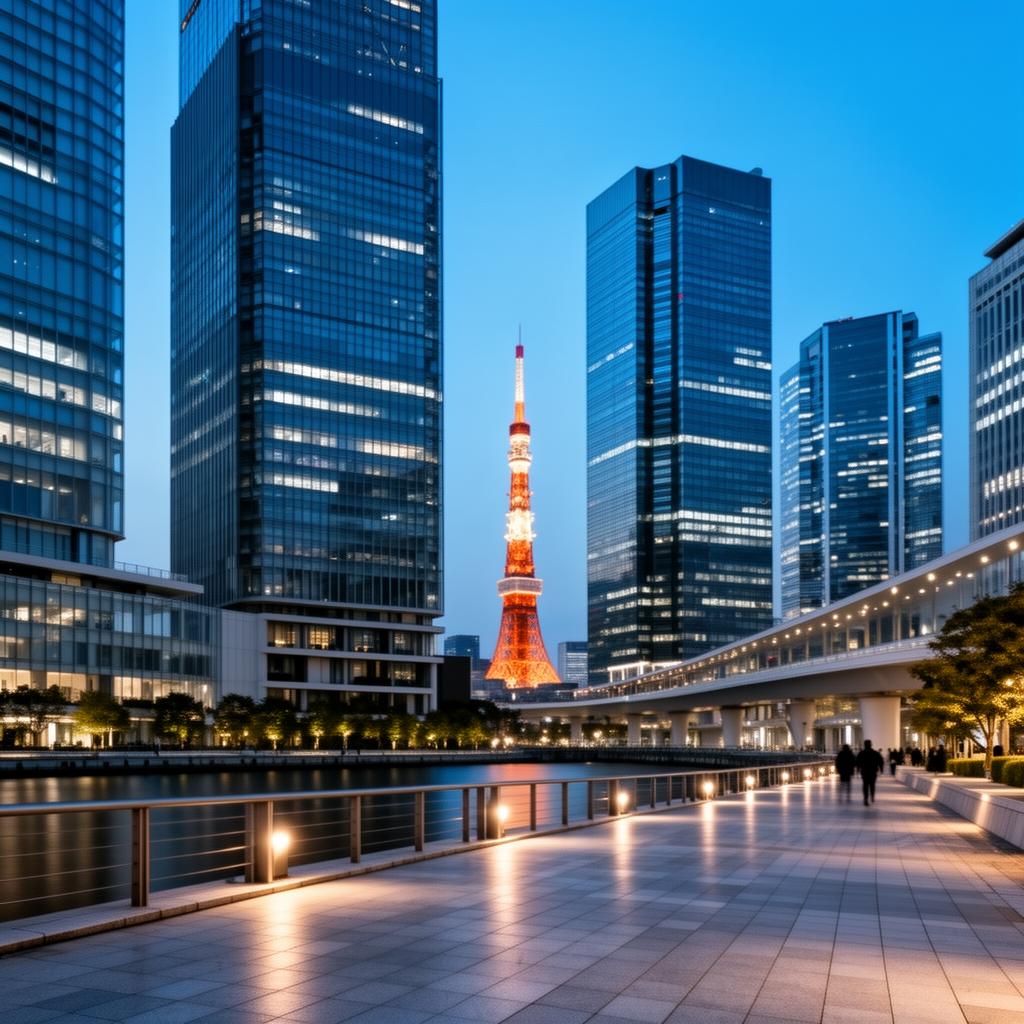
Minato 港区
Early Haneda flights, especially before 07:00
- Airport
- Haneda
- Why it works
- Hamamatsuchō gives you the Tokyo Monorail from around 04:59 and Daimon has a direct Asakusa/Keikyu connection. These are two independent routes to Haneda, with the monorail reaching Terminal 3 in about 13 minutes and the early Keikyu service reaching it in roughly 20 minutes from Daimon.
- Main catch
- Quiet office district in the evening; sort out breakfast the night before.

Ginza 銀座
Early Haneda flights with a central location for the rest of the trip
- Airport
- Haneda (Narita from about 09:30)
- Why it works
- Higashi-Ginza puts you on a direct Asakusa Line through-service to Haneda in roughly 25–30 minutes. Tokyo Station is also nearby for Narita services, so Ginza can work as a central base when the flight is not extremely early.
- Main catch
- The most expensive option here, and Ginza's subway entrances involve stairs and long corridors.
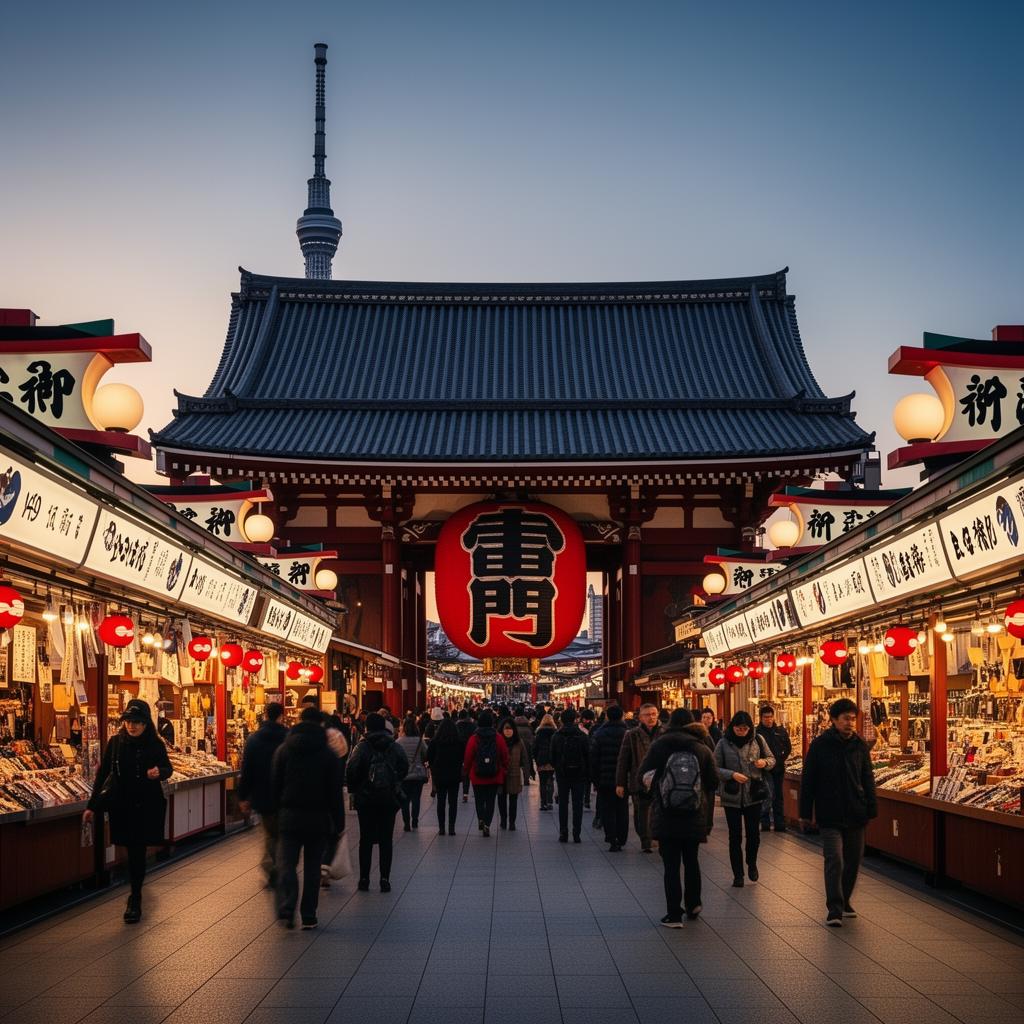
Asakusa 浅草
Early departures from either airport without changing trains
- Airport
- Haneda and Narita
- Why it works
- Asakusa has direct through-services to both airports from the same station. The first current weekday through-service to Haneda leaves around 05:03; early Narita Access Express services start around 05:20. Neither is the fastest route, but both avoid a transfer.
- Main catch
- Both journeys use commuter trains with limited luggage space.
Ueno 上野
Narita flights from about 08:30–09:00 onwards
- Airport
- Narita
- Why it works
- The first Keisei Skyliner leaves Keisei-Ueno at 05:40 and reaches Narita Terminal 2/3 at about 06:21 and Terminal 1 at about 06:24. That makes Ueno the strongest central base for a mid-morning Narita departure.
- Main catch
- Not suitable for very early Narita flights; the first Skyliner simply does not run early enough.

Shinjuku 新宿
Haneda flights from about 07:00–07:30 using the limousine bus
- Airport
- Haneda
- Why it works
- Airport Limousine Bus services from the Shinjuku area start very early; the current timetable includes a 04:00 departure from Shinjuku Expressway Bus Terminal reaching Haneda Terminal 3 at about 04:35. Hotel departures vary, and traffic can affect the journey.
- Main catch
- Traffic-dependent, and Narita from Shinjuku is a genuinely long early-morning run.
6. Tokyo areas that work for late arrivals
The criteria change completely here: what matters is the last train, whether the connection is direct, how many transfers you face while tired, and how easy the final walk is with luggage.
Ueno 上野
Late Narita arrivals when you can still catch the Skyliner
- Airport
- Narita
- Why it works
- The last Skyliner service varies by timetable, with late departures from Narita reaching Ueno around midnight. It is direct and convenient, but a late landing leaves little margin after immigration and baggage claim — check the exact date before relying on it.
- Main catch
- The streets east of the station are busy and a little rough late at night.
Asakusa 浅草
Late arrivals from either airport with a transfer-free ride
- Airport
- Narita and Haneda
- Why it works
- Direct Keisei services from Narita and Keikyu through-services from Haneda both end at Asakusa Station, so a late landing means one train and a short walk. The key advantage is avoiding a late transfer; check the final through-service for your exact date.
- Main catch
- The last direct services are earlier than the equivalent Skyliner; verify the timetable before you commit.
Ginza 銀座
Late Haneda arrivals and Narita landings while rail is still running
- Airport
- Haneda (Narita until roughly 21:30)
- Why it works
- Higashi-Ginza is on the direct Haneda through-service, while Tokyo Station is nearby for Narita services and airport buses. For a late arrival, the exact last connection matters more than the neighbourhood label, so check the timetable for your terminal and date.
- Main catch
- Little is open for a late dinner — most Ginza restaurants close by 22:00.
Minato 港区
Late Haneda arrivals with a direct rail option
- Airport
- Haneda
- Why it works
- The Tokyo Monorail and Asakusa/Keikyu corridor provide two different rail approaches to Haneda from Minato. Last departures are around midnight, but the exact time varies by service and destination. A taxi remains an option if you miss the last train.
- Main catch
- Restaurants near the offices shut early; plan on a convenience store.
7. When you should not stay in central Tokyo
Sometimes an airport-area hotel is simply the better choice — especially when the first or last useful train would leave too little margin for your flight.
Stay near Narita if
- ·Your Narita flight departs before about 08:30
- ·You arrive too late for a comfortable last train or bus
Stay near Haneda if
- ·Your Haneda flight is extremely early — especially before about 06:00
- ·You arrive after public transport has ended and do not want to rely on a night bus or taxi
Stay in central Tokyo if
- ·Your flight fits within the first-train window for your area
- ·You can comfortably reach your hotel by train or bus after landing
Final recommendation
There is no single best area for airport access — there is only the area that matches your flight time. Find your scenario:
Early Narita
For very early Narita departures, an airport-area hotel is the safest choice. From around 08:30–09:00, Ueno becomes the strongest central option thanks to the early Skyliner; Asakusa is the transfer-free alternative, while Tokyo Station can work from around 09:00 depending on the bus or rail service.
Late Narita
If you can clear the terminal in time for the last train or bus, Ueno and Asakusa are among the easiest Narita bases. If you arrive too late for those services, consider a late-night airport bus, taxi, or an airport-area hotel rather than assuming central Tokyo will still be reachable.
Once you know which scenario applies to you, use the TokyoStayMap to compare the matching neighbourhoods and hotels — the airport filter sorts districts by how easy the transfer actually is.
Frequently asked questions
What time is too late to arrive in Tokyo?+
For Narita, arriving around 22:00 or later is where the margin becomes tight: immigration and baggage can take 45–60 minutes, while the last useful trains leave much earlier than that. A late-night airport bus can extend the window to around 23:20–23:30 on routes to central Tokyo. For Haneda, rail services run later, but after midnight you may need a night bus or taxi.
Where should I stay for an early flight from Narita?+
For departures before about 08:30, an airport-area hotel is the safest choice. For roughly 08:30–09:30, Ueno is the strongest central base thanks to the first Skyliner at about 05:40, with Asakusa as the transfer-free alternative. From around 09:00, Tokyo Station can also work depending on the first bus or N'EX service.
Where should I stay for an early flight from Haneda?+
Shinagawa is one of the fastest central options, while Minato around Hamamatsuchō and Daimon has both the monorail and direct Asakusa/Keikyu services. Ginza and Asakusa can also work on the direct through-service. Shinjuku is possible with an early limousine bus, but the exact hotel stop and timetable matter.
Is it possible to reach Narita Airport early in the morning from Tokyo?+
Yes, but only from early enough in the morning to leave a sensible airport buffer. The first Keisei Skyliner from Ueno is around 05:40 and reaches Narita around 06:20–06:25; the first Access Express from Asakusa is around 05:20 and reaches the airport around 06:15–06:20. The first Narita Express from Tokyo is later, around 06:18, so very early departures are better handled with an airport-area hotel.
Is it possible to reach Haneda Airport early in the morning from Tokyo?+
Yes. Keikyu trains from Shinagawa start just after 05:00, the Tokyo Monorail from Hamamatsuchō starts around 04:59, and direct Asakusa Line through-services begin around 05:00 depending on the station and day. Limousine buses from Shinjuku and other major areas also start early, but the exact hotel stop matters. A 06:30 flight is possible from the right area, but the airport buffer should be checked rather than assumed.
Should I stay near Narita Airport for an early flight?+
If your flight leaves before about 08:30, yes. Airport-area and Narita-town hotels remove the risk of relying on the first city train, and many offer airport shuttles. For a 09:00 or later departure, staying in central Tokyo is usually practical if the first useful connection gives you enough time at the airport.
Is Ueno a good area for Narita Airport?+
Ueno is one of the strongest central bases for Narita because the Keisei Skyliner runs directly from Keisei-Ueno to the airport in about 41 minutes. The first Skyliner leaves Ueno at about 05:40, while late-evening services continue much later than the last N'EX. Check the exact timetable for your date if you are relying on the final train.
Is Asakusa a good area for Haneda Airport?+
Yes. The Toei Asakusa Line runs through to the Keikyu Airport Line, so some services take you from Asakusa to Haneda without a transfer in roughly 35–40 minutes. The first direct service is around 05:00 depending on the day and timetable. Asakusa also has direct Keisei services toward Narita.
Is Shinjuku convenient for a late arrival?+
For Haneda, Shinjuku is workable because trains and limousine buses connect it with the airport, but late-night services are timetable-dependent and the rail route may require a transfer. For Narita, Ueno and Asakusa are usually easier for a late arrival because of their direct Keisei connections. Always check the final service against your actual landing time, not just the scheduled flight arrival.
Find your area on the map
Open the interactive TokyoStayMap, filter by arrival airport, budget and transport, and compare hotels in the districts that match your flight times.
Keep exploring
Related Tokyo guides
More from the TokyoStayMap editorial series — pick the comparison that matches your trip.
Best areas for first-time visitors
The main hub guide — compare Shinjuku, Ueno, Shibuya, Ginza, Minato and Ningyōchō for a first Tokyo trip.
Read guideBest areas for nightlife
Shinjuku, Shibuya, Roppongi, Ebisu and Ginza compared for bars, clubs and late-night convenience.
Read guideBest areas for families
Family-friendly Tokyo areas with parks, apartment hotels, safety and easy transport for kids.
Read guideBest areas to stay on a budget
Ningyōchō, Ueno, Asakusa, Ikebukuro and Kanda — One of Tokyo's best value neighbourhoods for budget travellers.
Read guide