Quick comparison: Asakusa vs Ginza at a glance
If you only have 30 seconds, here is how the two areas compare across the categories travellers ask about most.
See also: ueno vs asakusa, shibuya vs ginza and best areas to stay for food lovers.
Best for first-time visitors
Asakusa
The classic Tokyo sights are on your doorstep and rooms cost less, which leaves more budget for the rest of the trip.
Best value for money
Asakusa
Guesthouses, hostels and business hotels here are among the cheapest central options; Ginza rarely has a true budget tier.
Best hotel variety
Ginza
Business hotels, boutique stays and several international five-star properties within a few blocks.
Best transport
Ginza
Ginza, Marunouchi and Hibiya subway lines meet here, with Tokyo Station and the Shinkansen about five minutes away.
Best atmosphere
Asakusa
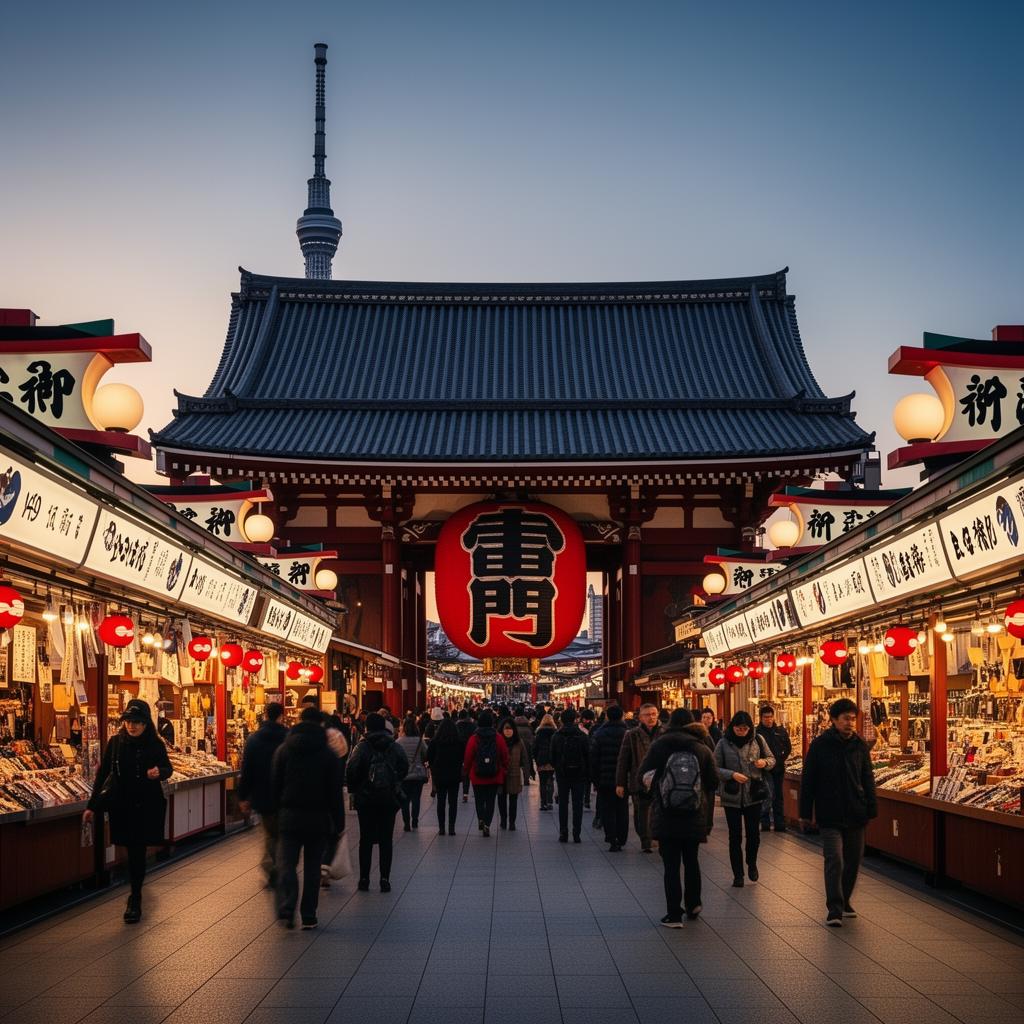
Temple bells, shitamachi backstreets, rickshaws and the Sumida river — the most traditional feel in central Tokyo.
Best for sightseeing
Asakusa
Sensō-ji, Nakamise and the riverside are walkable, with Tokyo Skytree and river cruises minutes away.
Best food scene
Ginza
Sushi counters, tempura specialists, depachika food halls and one of the highest concentrations of Michelin stars in the world.
Best shopping
Ginza
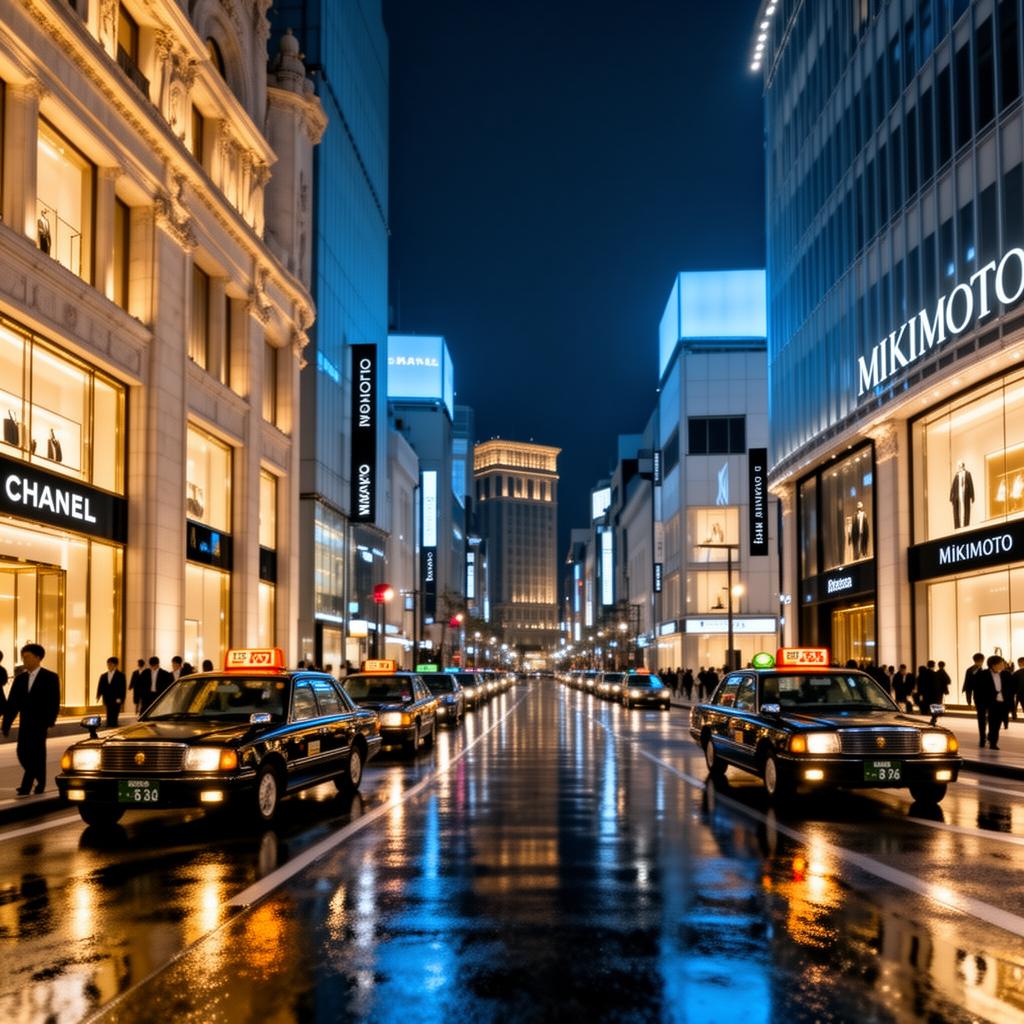
Ginza Six, Mitsukoshi, Wako, Uniqlo's flagship and every luxury brand along Chūō-dōri.
Best nightlife
Ginza
Refined rather than rowdy — cocktail bars, whisky bars and hotel lounges instead of clubs.
Best for quiet nights
Asakusa
Most of the district winds down by about 22:00, which suits jet lag and early starts.
Best for families
Asakusa
Calmer streets, cheaper family rooms, compact walkable sightseeing and Skytree across the river.
Best airport access
Ginza
Asakusa Line trains from Higashi-Ginza run through to Haneda, and Narita Express leaves from Tokyo Station nearby.
Side-by-side comparison
| Category | Asakusa 浅草 | Ginza 銀座 |
|---|---|---|
| Atmosphere | Old-town Tokyo — temples, low-rise streets, riverside calm | Polished and grown-up — wide avenues, glass flagships, quiet nights |
| Hotels | Guesthouses, ryokan-style stays, hostels and business hotels | Business hotels, boutique stays and international five-star names |
| Typical price | $–$$ · one of the best-value central areas | $$–$$$$ · little true budget supply |
| Transport | Ginza and Asakusa subway lines · Tōbu Skytree Line · Tsukuba Express nearby | Ginza, Marunouchi, Hibiya, Asakusa and Yūrakuchō lines · JR from Yūrakuchō and Tokyo Station |
| Central location | North-east Tokyo — Ueno ~5 min, Ginza ~17 min | Heart of central Tokyo — Tokyo Station ~5 min, Shibuya ~15 min |
| Airport access | Direct Asakusa Line trains to Haneda · Narita via Ueno + Skyliner | Asakusa Line to Haneda · Narita Express from Tokyo Station |
| Food scene | Tempura, unagi, sukiyaki, monjayaki, old kissaten and street snacks | Sushi counters, kaiseki, depachika halls and many Michelin-starred rooms |
| Shopping | Nakamise crafts, Kappabashi kitchenware, souvenirs | Ginza Six, Mitsukoshi, Wako, luxury flagships, Uniqlo and Muji flagships |
| Nightlife | A handful of izakaya and river bars; quiet after 22:00 | Cocktail bars, whisky bars and hotel lounges; no club scene |
| Families | Calm streets, cheaper family rooms, easy walking | Safe and quiet, but pricey rooms and few child-focused sights |
| Sightseeing | Sensō-ji, Nakamise, Sumida river, Skytree views | Kabukiza theatre, Hama-rikyū garden, Imperial Palace grounds nearby |
| Best for | Traditional atmosphere, value and slow mornings | Food, shopping, comfort and central convenience |
Asakusa vs Ginza in detail
Which area has the better atmosphere?
Asakusa is one of Tokyo's best-known shitamachi districts. Sensō-ji anchors it, Nakamise-dōri runs to the temple gate lined with snack and craft stalls, and the backstreets keep low-rise buildings, old kissaten and family-run shops. Mornings are relatively quiet before the tour groups arrive, and the Sumida riverside gives you a walkable green edge with Skytree in view.
Ginza is calm in a completely different register. Wide avenues, architect-designed flagship stores, galleries above street level and pedestrianised weekends on Chūō-dōri. Evenings are quiet because most people who come here are eating or shopping rather than drinking late. It feels grown-up and comfortable, but you will not find much everyday neighbourhood life.
Which area has better transport?
Ginza wins. The Ginza, Marunouchi and Hibiya subway lines meet at Ginza station, the Asakusa Line stops at Higashi-Ginza, the Yūrakuchō Line is a short walk away, and JR services plus the Shinkansen are about five minutes away at Yūrakuchō and Tokyo Station. Shibuya, Shinjuku and Ueno are all quick and mostly direct.
Asakusa is well connected but it is not a major interchange. The Ginza Line runs down through Ueno and Nihonbashi to Ginza in around 17 minutes, the Asakusa Line heads to Nihonbashi, Shinbashi and onward to Haneda, and the Tōbu Skytree Line goes to Skytree and Nikkō. The west side of the city — Shinjuku and Shibuya — takes 30 to 40 minutes with a change.
Which area has better hotels?
Ginza has the more comfortable supply. Reliable business hotels sit alongside boutique properties and several international five-star names, so if you want a proper concierge, a spa or a high-floor city view, this is the easier area. Rooms tend to be well finished, and many hotels are only a few minutes' walk from a subway entrance.
Asakusa is smaller but more distinctive. Alongside solid business hotels you get guesthouses, hostels with good private rooms and ryokan-style stays with tatami and shared baths — accommodation that is hard to find in central Tokyo. Rooms are often larger for the money, which matters on longer stays. If you like the Ginza side but want a slightly quieter, more residential feel at similar quality, Ningyocho is worth a look.
Which area is cheaper?
Asakusa is clearly cheaper. Budget and mid-range rates are usually well below Ginza's, hostels and guesthouses are plentiful, and everyday eating around the temple and Kappabashi is inexpensive. It is one of the best value-for-money central areas in the city.
Ginza has very little true budget supply. There are sensible business hotels a few blocks off Chūō-dōri, and lunch sets in the same restaurants that charge a lot at dinner are genuinely good value, but the baseline is higher across the board. If keeping accommodation costs down is the priority, see our guide to the best areas to stay in Tokyo on a budget.
Which area is better for food?
Ginza is one of the strongest dining districts in the world. Sushi counters at every level from standing bars to reservation-only rooms, tempura and tonkatsu specialists, kaiseki, old-school western restaurants, and department store depachika halls in Mitsukoshi and Matsuya that make excellent takeaway dinners. Lunch is the smart way to eat here without a large bill.
Asakusa is narrower but characterful. It is a good area for old-Tokyo specialities — tempura, unagi, sukiyaki, soba and monjayaki — plus street snacks on Nakamise and long-running kissaten for breakfast. Fewer places stay open late. For a food-first base, compare our guide to the best areas to stay in Tokyo for food lovers.
Which area is better for shopping?
Ginza is Tokyo's flagship shopping district. Ginza Six, Mitsukoshi, Matsuya and Wako cover department stores, every major luxury brand lines Chūō-dōri, and the Uniqlo and Muji flagships are among the largest anywhere. On weekend afternoons the main avenue closes to traffic, which makes browsing genuinely pleasant.
Asakusa is about crafts and specialities rather than volume. Nakamise sells sweets, fans, yukata and souvenirs, Kappabashi is Tokyo's kitchenware street for knives, ceramics and food-sample gifts, and the surrounding blocks hide small workshops. Better for gifts and specialist buys than for fashion. Our shopping guide has the full ranking.
Which area has better nightlife?
Neither area is a party district, but Ginza has the better evenings if you want a drink. It is known for serious cocktail and whisky bars, some of them tiny and decades old, plus hotel lounges with skyline views. Prices match the setting and many bars add a seating charge, so check before you sit down.
Asakusa is quieter still. There are good standing bars, riverside beer terraces and izakaya near the station, but much of the district closes by around 22:00. That is a feature if you are dealing with jet lag or early sightseeing starts. For a night-focused base, see our guide to the best areas to stay in Tokyo for nightlife.
Which area is better for families?
Asakusa is the better family base. Streets are flat and walkable, sightseeing is concentrated, hotels are more likely to offer larger rooms at a workable price, and Tokyo Skytree with its aquarium and planetarium is one short ride across the river. Evenings are quiet, which helps with younger children.
Ginza is safe, clean and easy to get around, and department stores have excellent baby facilities and rooftop play areas. The problems are cost — family-sized rooms are expensive — and the shortage of things children actually enjoy nearby. See our guide to the best areas to stay in Tokyo for families for more options.
Which area has better airport access?
Ginza is slightly better overall. Toei Asakusa Line trains from Higashi-Ginza run through to Haneda Airport via the Keikyū line without a change, and for Narita you can walk or take one stop to Tokyo Station for the Narita Express, or use the Skyliner from Ueno.
Asakusa is also convenient: many Asakusa Line trains run through to Haneda from Asakusa station itself, and for Narita you take the Ginza Line to Ueno and connect to the Keisei Skyliner, which reaches Narita Terminal 2·3 in as little as 41 minutes. If your flights are awkwardly timed, our late arrival and early flight guide covers the thresholds in detail.
Which area is better for sightseeing?
Asakusa is the stronger sightseeing base if you want temples and old-town Tokyo. Sensō-ji, Nakamise, Hōzōmon, Denbōin street and the Sumida riverside are all on foot, Tokyo Skytree is minutes away by Tōbu train, and river cruises leave for Hama-rikyū and Odaiba from beside the bridge. Ueno's museums and park are five minutes by subway.
Ginza has fewer headline sights of its own — the Kabukiza theatre, Hama-rikyū garden and the Imperial Palace East Gardens are the highlights — but it is very central, so Tsukiji's outer market, Nihonbashi and Tokyo Station's architecture are all walkable. If temples and old-town streets matter most, compare our Ueno vs Asakusa guide as well.
Final recommendation
Choose Asakusa if…
- ✓You want traditional Tokyo atmosphere on your doorstep
- ✓Value matters and you want more room for the money
- ✓You prefer quiet evenings and early sightseeing starts
- ✓You are travelling with children or older parents
- ✓A ryokan-style or guesthouse stay appeals to you
- ✓Temples, Skytree and river walks are high on your list
Choose Ginza if…
- ✓Food is the main reason you are coming to Tokyo
- ✓You want serious shopping within walking distance
- ✓Comfortable, well-finished hotels matter more than price
- ✓You like calm, grown-up evenings and good cocktail bars
- ✓You want Tokyo Station and the Shinkansen close by
- ✓It is a short trip and you want to be dead centre
Frequently asked questions
Asakusa or Ginza — which is better for a first trip?+
Asakusa for most first-timers: the classic sights are on foot, the atmosphere is memorable and rooms cost far less. Choose Ginza if food and shopping are the point of the trip and you want to be in the geographic centre of the city.
Is Asakusa cheaper than Ginza?+
Yes, usually by a wide margin. Asakusa has plentiful hostels, guesthouses and budget business hotels, while Ginza starts at mid-range and climbs quickly. Eating out is cheaper in Asakusa too, apart from Ginza's excellent lunch sets.
How far is Asakusa from Ginza?+
About 17 minutes on the Ginza Line with no change — the two districts sit on the same subway line. Trains are frequent, so staying in one and visiting the other is easy on any day of your trip.
Is Ginza too quiet in the evening?+
It is calm rather than dead. Restaurants and bars are busy, but there are no clubs and the streets empty out fairly early. If you want lively late nights, Shinjuku, Shibuya or Ikebukuro will suit you better.
Is Ginza worth the price?+
If you plan to eat and shop seriously, yes — you save time and travel, and the quality of restaurants within a few blocks is remarkable. If you mostly want sightseeing and day trips, the premium is harder to justify.
Which is better for families?+
Asakusa, for calm and value: walkable streets, more spacious rooms for the price, concentrated sightseeing and Skytree nearby. Ginza is safe and convenient but expensive for family rooms and short on attractions children enjoy.
Which is better for getting to the airport?+
Both are good. Ginza has through trains to Haneda from Higashi-Ginza plus the Narita Express at nearby Tokyo Station. Asakusa has through trains to Haneda from its own station and the Skyliner to Narita via Ueno.
Still undecided? Find your area
Use the interactive TokyoStayMap to filter Tokyo districts by airport access, budget, atmosphere, nightlife and family-friendliness — and see where to stay.
Keep exploring
Related Tokyo guides
More from the TokyoStayMap editorial series — pick the comparison that matches your trip.
Best areas for first-time visitors
The main hub guide — compare Shinjuku, Ueno, Shibuya, Ginza, Minato and Ningyōchō for a first Tokyo trip.
Read guideBest areas for nightlife
Shinjuku, Shibuya, Roppongi, Ebisu and Ginza compared for bars, clubs and late-night convenience.
Read guideBest areas for families
Family-friendly Tokyo areas with parks, apartment hotels, safety and easy transport for kids.
Read guideBest areas to stay on a budget
Ningyōchō, Ueno, Asakusa, Ikebukuro and Kanda — One of Tokyo's best value neighbourhoods for budget travellers.
Read guide