Quick comparison: Roppongi vs Shibuya at a glance
If you only have 30 seconds, here is how the two districts compare across the categories travellers ask about most.
See also: shinjuku vs shibuya, shibuya vs ginza and best areas for nightlife.
Best for first-time visitors
Shibuya
A Yamanote Line station, iconic sights on your doorstep and easy walking to Harajuku and Omotesando.
Best transport
Shibuya
JR Yamanote and Saikyō lines plus three subway lines and two private railways in one station.
Best luxury hotels
Roppongi
Ritz-Carlton, Grand Hyatt, Andaz and Janu cluster around Roppongi Hills and Toranomon.
Best value for money
Shibuya
More mid-range towers and business hotels; Roppongi's supply skews expensive with little in between.
Best late-night nightlife
Roppongi
The most bars still serving at 4am, and the most international crowd in the city.
Best nightlife for 20s–30s
Shibuya
Izakaya, live houses, clubs and karaoke on Center Gai and Dōgenzaka at friendlier prices.
Best shopping
Shibuya
Scramble Square, Hikarie, Parco, Miyashita Park and a ten-minute walk to Harajuku streetwear.
Best food scene
Roppongi
Strong high-end dining plus the widest range of non-Japanese restaurants in Tokyo.
Best for art and museums
Roppongi
Mori Art Museum, the National Art Center and Suntory Museum form the Art Triangle.
Best for city views
Shibuya
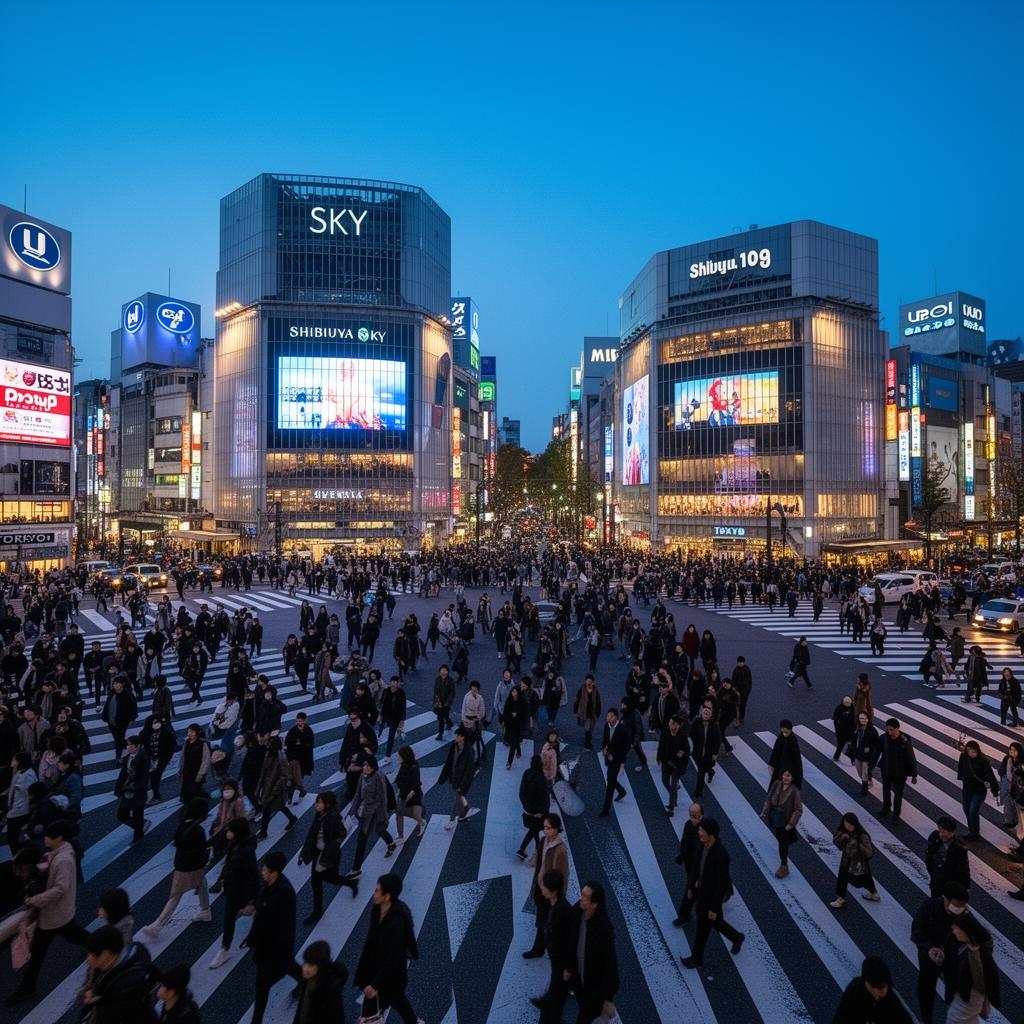
Shibuya Sky's open-air rooftop is the most spectacular viewing deck in Tokyo.
Best for families
Shibuya
Parks, aquarium, day-trip access and more family-sized rooms; Roppongi's evenings are adult-focused.
Best airport access
Roppongi
Ōedo and Hibiya lines connect fast to Haneda routes; Shibuya has no direct airport train.
Side-by-side comparison
| Category | Roppongi 六本木 | Shibuya 渋谷 |
|---|---|---|
| Atmosphere | International, grown-up, high-rise — embassies, galleries, late bars | Young, loud, trend-driven — neon, crossings, fashion floors |
| Hotels | Luxury towers and design hotels; few mid-range options | Business hotels, mid-range towers and new design stays |
| Typical price | $$$–$$$$ · one of Tokyo's most expensive areas | $$–$$$$ · more mid-range choice |
| Transport | Hibiya and Ōedo subway lines · Namboku at Roppongi-itchōme · no JR | JR Yamanote and Saikyō · Ginza, Hanzōmon, Fukutoshin · Tōkyū and Keiō lines |
| Central location | Minato ward — Shibuya ~10 min, Ginza ~15 min | West Tokyo hub — Shinjuku ~7 min, Ginza ~15 min |
| Airport access | Ōedo to Daimon then Asakusa Line through to Haneda · Narita via Tokyo Station | Narita Express direct · Haneda via limousine bus or Shinagawa change |
| Food scene | High-end Japanese, plus the widest international dining in Tokyo | Ramen, izakaya, cafés and rooftop restaurants at every price |
| Shopping | Roppongi Hills, Tokyo Midtown — curated rather than broad | Scramble Square, Hikarie, Parco, 109, Miyashita Park, Harajuku nearby |
| Nightlife | Clubs and bars until dawn; the most international scene | Huge choice for 20s–30s; most places wind down by 3am |
| Families | Quiet parks and museums by day, adult district after dark | Parks, aquarium, easy day trips, more family rooms |
| Sightseeing | Mori Art Museum, Tokyo City View, Tokyo Tower, Midtown gardens | Scramble Crossing, Shibuya Sky, Meiji Jingū, Yoyogi Park |
| Best for | Luxury stays, art, fine dining and very late nights | First trips, fashion, views and walkable west Tokyo |
Roppongi vs Shibuya in detail
Which area has the better atmosphere?
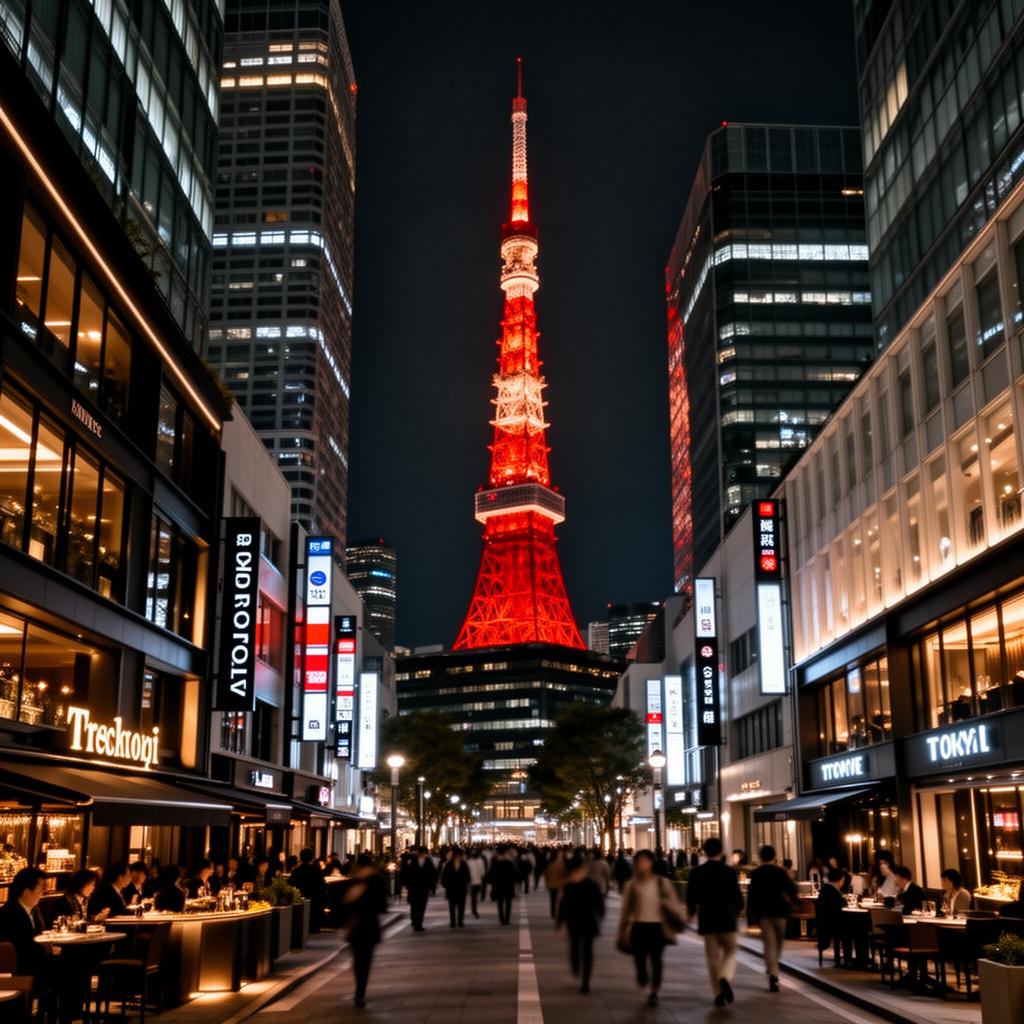
Roppongi feels international in a way few Tokyo districts do. Embassies and expat offices fill the surrounding blocks, the crowd on the street speaks a dozen languages, and the skyline is dominated by Roppongi Hills and Tokyo Midtown. By day it is surprisingly calm — gardens, galleries and quiet residential streets in Nishi-Azabu and Azabu-Jūban. After midnight the main crossing becomes the most raucous corner in the city.
Shibuya is louder and younger all day long. The Scramble Crossing, the giant screens, the fashion buildings and the constant flow of students and shoppers set the tone. Step a few blocks away — Cat Street, Shōtō, the Meiji Jingū side — and it calms down quickly, which is one reason many repeat visitors prefer basing here.
Which area has better transport?
Shibuya wins clearly. It is a JR Yamanote Line stop, which means one-train access to Shinjuku, Shinagawa, Tokyo Station and Ueno, plus the Saikyō Line, three subway lines and the Tōkyū and Keiō private railways for day trips to Yokohama, Kamakura and Kichijōji.
Roppongi has no JR station at all. The Hibiya and Ōedo subway lines cover the city well and Roppongi-itchōme adds the Namboku Line, but almost every trip involves a subway rather than a Yamanote train, and transfers at Roppongi station are long. If you plan a lot of day trips out of Tokyo, that difference adds up.
Which area has better hotels?
Roppongi is the stronger luxury base. The Ritz-Carlton in Tokyo Midtown, the Grand Hyatt in Roppongi Hills, Andaz and Janu in nearby Toranomon-Azabudai, plus a set of polished design hotels, give you high floors, real spas and skyline views. What Roppongi does not have is depth in the middle — there are few reliable mid-range options, so prices jump quickly.
Shibuya's supply is broader. Cerulean Tower, Shibuya Excel, Trunk, Sequence Miyashita Park and a growing set of new towers cover upscale and mid-range, and business hotels around Sakuragaokachō and Shinsen keep costs down. If you want quieter but still close, Ebisu is one stop south. Compare it with the bigger hotel market in our Shinjuku vs Shibuya guide.
Which area is cheaper?
Shibuya is cheaper on average, mostly because it has a real mid-range. Expect to pay noticeably less for a comparable room than in Roppongi, and everyday eating around Center Gai and Dōgenzaka is inexpensive by central Tokyo standards.
Roppongi is one of the most expensive districts in the city for both hotels and drinks. Bars often add a table charge, taxis after the last train are pricey, and there is little true budget accommodation. If keeping costs down matters, see our guide to the best areas to stay in Tokyo on a budget.
Which area is better for food?
Roppongi has the edge at the top end and for variety. Serious sushi, teppanyaki and kaiseki rooms sit alongside the widest range of non-Japanese cooking in Tokyo — Italian, French, Indian, Thai, Middle Eastern — much of it aimed at the international residents who live nearby. Azabu-Jūban, a few minutes south, is a genuinely good restaurant street.
Shibuya is stronger for casual, everyday eating: standout ramen, izakaya, curry, bakeries, coffee and a wave of rooftop restaurants in the new towers. It is easier to eat well here without a reservation or a large bill. For a food-first base, compare our guide to the best areas to stay in Tokyo for food lovers.
Which area is better for shopping?
Shibuya wins comfortably. Shibuya Scramble Square, Hikarie, Parco, 109 and Miyashita Park cover fashion, design and Japanese brands, and a ten-minute walk up Cat Street reaches Harajuku streetwear and the Omotesandō luxury flagships. It is the best walkable shopping cluster in west Tokyo.
Roppongi shopping is curated rather than broad. Roppongi Hills and Tokyo Midtown hold design shops, galleries and a handful of luxury boutiques in pleasant, uncrowded surroundings, but for volume you will end up travelling to Shibuya or Ginza. Our shopping guide has the full ranking.
Which area has better nightlife?
It depends what kind of night you want. Roppongi is Tokyo's late-night district: clubs, sports bars, hotel lounges and small bars that keep serving past 4am, with the most international crowd in the city. It is also the pushiest area for touts — ignore anyone offering to walk you to a bar, and stick to venues you chose yourself.
Shibuya has more choice for a normal night out — izakaya, live houses, craft beer, karaoke and clubs on Dōgenzaka — at friendlier prices and with a mostly Japanese crowd in their twenties and thirties. Most places wind down by around 3am, and the first trains restart shortly after. For a night-focused base, see our guide to the best areas to stay in Tokyo for nightlife.
Which area is better for families?
Shibuya is the easier family base. There are parks and playgrounds, Yoyogi Park and Meiji Jingū's forest for mornings, an aquarium and cinemas nearby, more hotels with family-sized rooms, and one-train access to day trips. Crowds around the station are the main downside.
Roppongi works better than its reputation suggests during the day: Midtown's lawns, Mori Art Museum and Tokyo Tower are all good with older children. But the district turns firmly adult after dark, and hotel rooms for four are expensive. See our guide to the best areas to stay in Tokyo for families for stronger options.
Which area has better airport access?
Roppongi is slightly better for Haneda. Take the Ōedo Line to Daimon and change to the Asakusa Line for through trains to the airport, roughly 35 to 45 minutes door to door. For Narita, use the Hibiya Line to Tokyo Station area for the Narita Express.
Shibuya has a direct Narita Express, about 75 minutes, but nothing direct to Haneda — either the Airport Limousine Bus from the station or the Yamanote Line to Shinagawa and a Keikyū train. If your flights are awkwardly timed, our late arrival and early flight guide covers the thresholds in detail.
Which area is better for sightseeing?
Roppongi is Tokyo's art district. The Mori Art Museum, the National Art Center and the Suntory Museum of Art form the Roppongi Art Triangle, Tokyo City View gives an indoor skyline panorama, and Tokyo Tower, Zōjō-ji and the Azabudai Hills digital art museum are a short walk or one stop away.
Shibuya is more about the city itself: the Scramble Crossing, Hachikō, Shibuya Sky's open-air rooftop at sunset, then Meiji Jingū, Yoyogi Park, Harajuku and Omotesandō all on foot. If you want that side of Tokyo with a calmer base, compare our Shibuya vs Ginza guide as well.
Final recommendation
Choose Roppongi if…
- ✓You want a genuine luxury hotel with a high-floor view
- ✓Art museums and galleries are high on your list
- ✓Fine dining and international restaurants matter to you
- ✓You like being out well past the last train
- ✓An international, English-friendly district appeals
- ✓Haneda flights make quick airport access useful
Choose Shibuya if…
- ✓It is your first trip and you want easy transport
- ✓Shopping and fashion are a big part of the plan
- ✓You want Harajuku, Omotesandō and Yoyogi Park on foot
- ✓A mid-range hotel budget has to stretch
- ✓You want iconic Tokyo views from Shibuya Sky
- ✓Day trips to Yokohama or Kamakura are on the itinerary
Frequently asked questions
Roppongi or Shibuya — which is better for a first trip?+
Shibuya for most first-timers. It is on the Yamanote Line, the classic modern-Tokyo sights are walkable, and hotel prices are more flexible. Choose Roppongi if you want a luxury stay with art museums and fine dining on the doorstep.
Is Roppongi more expensive than Shibuya?+
Yes, usually. Roppongi's hotel supply skews to luxury with little in the middle, and bars and taxis cost more. Shibuya has a real mid-range tier and cheaper everyday eating.
How far is Roppongi from Shibuya?+
About 10 minutes. The Hibiya Line to Ebisu and a Yamanote change, or a direct bus, both work; a taxi takes roughly 10 to 15 minutes outside rush hour. Staying in one and going out in the other is easy.
Is Roppongi safe at night?+
Very safe by international standards, but it is Tokyo's most tout-heavy nightlife area. Ignore anyone inviting you into a bar, avoid drink offers from strangers, and stick to venues you picked yourself — that removes almost all of the risk.
Which is better for nightlife?+
Roppongi if you want to be out until dawn among an international crowd. Shibuya if you want more choice, lower prices and a mostly local crowd in their twenties and thirties, with the night ending around 3am.
Still undecided? Find your area
Use the interactive TokyoStayMap to filter Tokyo districts by airport access, budget, atmosphere, nightlife and family-friendliness — and see where to stay.
Keep exploring
Related Tokyo guides
More from the TokyoStayMap editorial series — pick the comparison that matches your trip.
Best areas for first-time visitors
The main hub guide — compare Shinjuku, Ueno, Shibuya, Ginza, Minato and Ningyōchō for a first Tokyo trip.
Read guideBest areas for nightlife
Shinjuku, Shibuya, Roppongi, Ebisu and Ginza compared for bars, clubs and late-night convenience.
Read guideBest areas for families
Family-friendly Tokyo areas with parks, apartment hotels, safety and easy transport for kids.
Read guideBest areas to stay on a budget
Ningyōchō, Ueno, Asakusa, Ikebukuro and Kanda — One of Tokyo's best value neighbourhoods for budget travellers.
Read guide